Warehousing & Production Floor
Core Pain Points
Material handling between warehouse and production lines relies on manual labor + forklifts, with high operation intensity and slow speed, affected by personnel fatigue and skill differences, unstable handling takt time, unable to match modern production efficient operation needs. Especially in multi-batch, small-batch production scenarios, manual handling bottlenecks are prominent.
Manual handling is prone to material misplacement, missed transportation, and mixed transportation, especially in scenarios with many material types and complex batches, where error rates remain high, not only affecting production progress but also increasing material loss, rework costs, and even affecting product quality.
Traditional handling equipment such as forklifts and hand trucks are difficult to operate, prone to collisions, crushing, and other safety accidents threatening personnel safety; at the same time, manual handling of heavy loads is prone to work-related injuries, and safety risks are further aggravated when warehouse aisles are narrow and materials are densely stacked.
The handling process is disconnected from warehousing picking, production line replenishment, and finished product inbound processes, without standardized connection processes. Manual handling needs to wait for production line/warehouse instructions, easily causing "material waiting" or "material stacking" phenomena, leading to production takt disorder and low logistics efficiency.
Manual handling requires significant labor costs; forklifts and other equipment require regular maintenance, fuel/electricity consumption; inefficient handling, material loss, and safety accidents indirectly increase operating costs; at the same time, manual handling is difficult to achieve 24-hour continuous operation, restricting capacity release.
Traditional handling methods have fixed paths and cannot quickly adapt to production line adjustments, order changes, warehouse layout optimization, and other scenarios. In multi-variety, small-batch flexible production modes, it is difficult to flexibly adjust handling routes and takt times, resulting in poor adaptability.
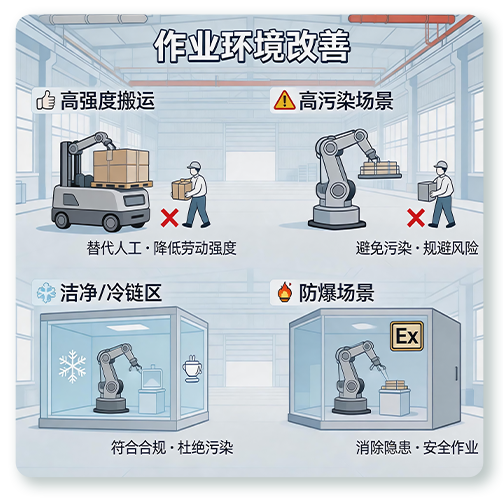
In special production/warehousing scenarios such as cleanrooms, cold chain environments, and explosion-proof workshops, manual handling is prone to causing pollution, lower efficiency, and safety hazards; for heavy and precision material handling, manual and traditional equipment are difficult to meet precise and stable handling needs.
Core Solution Approach
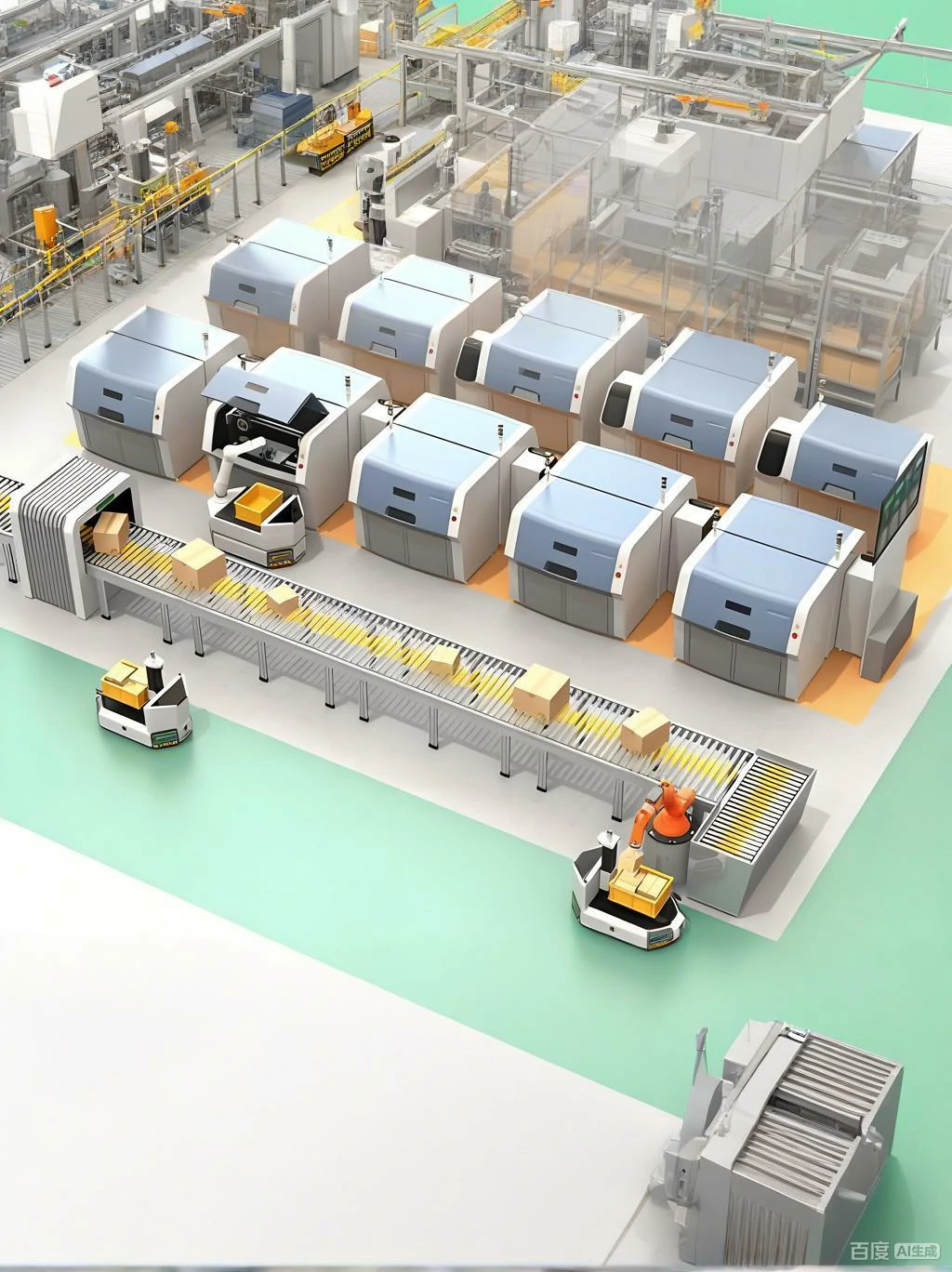
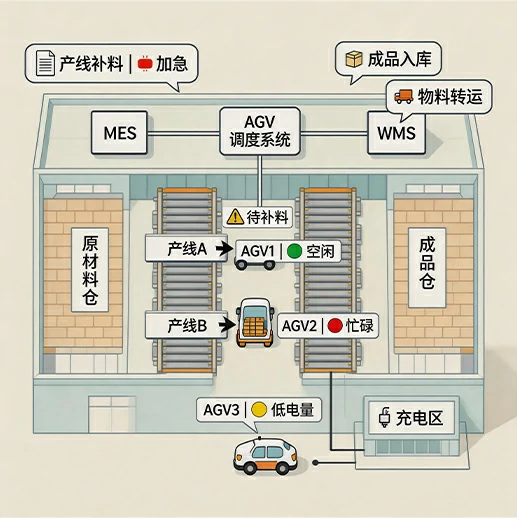
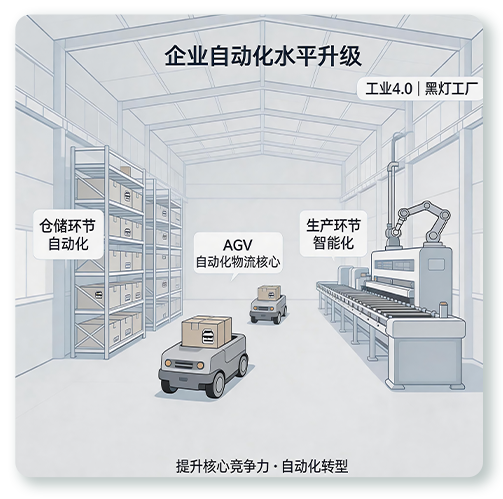
With "automation replacing manual labor, intelligence optimizing processes, and collaboration connecting links" as the core, introduce AGV (Automated Guided Vehicle) as the core material handling carrier, combined with the AGV intelligent dispatch system, to build an automated logistics system of "autonomous handling, intelligent dispatching, closed-loop control, and flexible adaptation". Connect AGV data collaboration with MES (Manufacturing Execution System) and WMS (Warehouse Management System) to achieve automatic task triggering, intelligent path planning, and real-time status monitoring, replacing traditional manual + forklift handling modes, fundamentally solving pain points such as low handling efficiency, high error rates, large safety hazards, and high costs, achieving full-process automation, standardization, and visualization of material handling in warehouses and production floors, adapting to flexible production and special scenario needs, and improving full-chain logistics collaboration efficiency.
Detailed Solution Description
(I) AGV Selection & Adaptation System
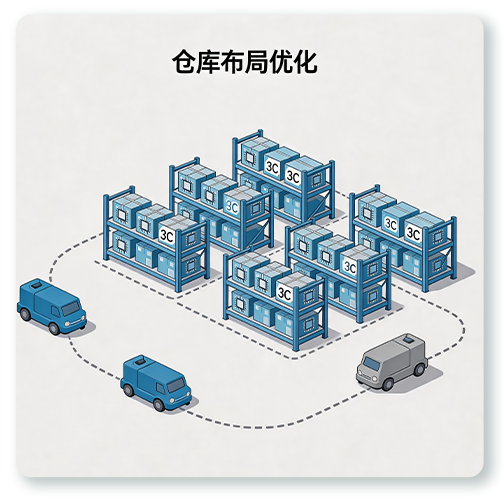
Based on warehouse layout, material characteristics, production takt time, and operation scenarios (conventional/special), adopt the "scenario adaptation + demand matching" principle to select the corresponding AGV type, avoiding redundancy or insufficient adaptation while considering scalability. Specific selections are as follows:

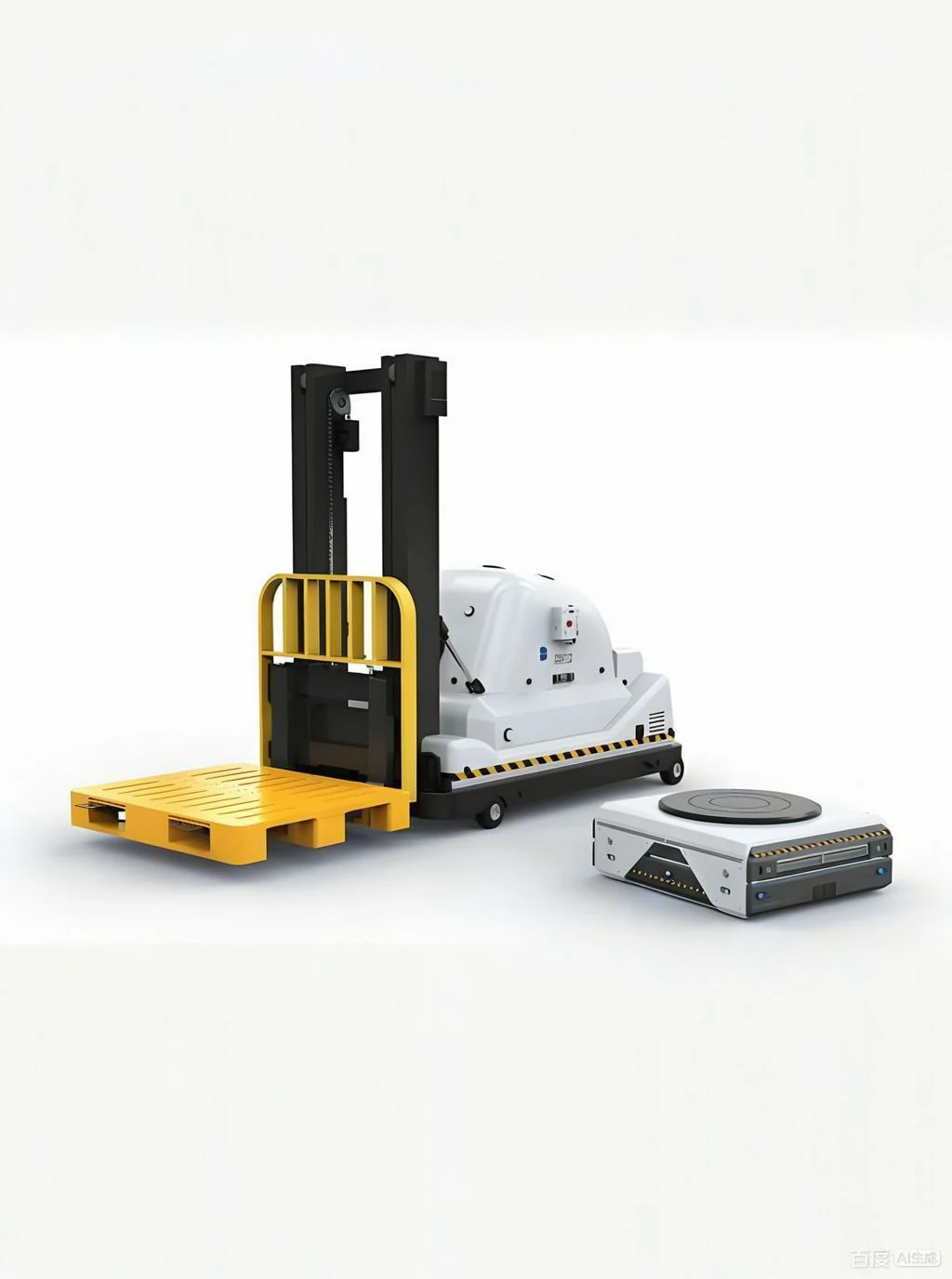
Latent AGV
Suitable for small parts, bins, and tote handling, such as component handling in 3C electronics and medical device industries. Can潜入 under racks to automatically lift and transport without manual intervention, adapting to narrow aisles without occupying extra operation space, supporting multi-unit collaborative operations, matching small-batch, high-frequency handling needs.

Towing AGV
Suitable for large and grouped material handling, such as auto parts and home appliance semi-finished products. Can牵引 material carts and pallet groups for batch handling, with strong load capacity (1-10 tons), adapting to long-distance, large-batch handling between workshops and warehouses, flexibly connecting production line workstations and warehouse racks.

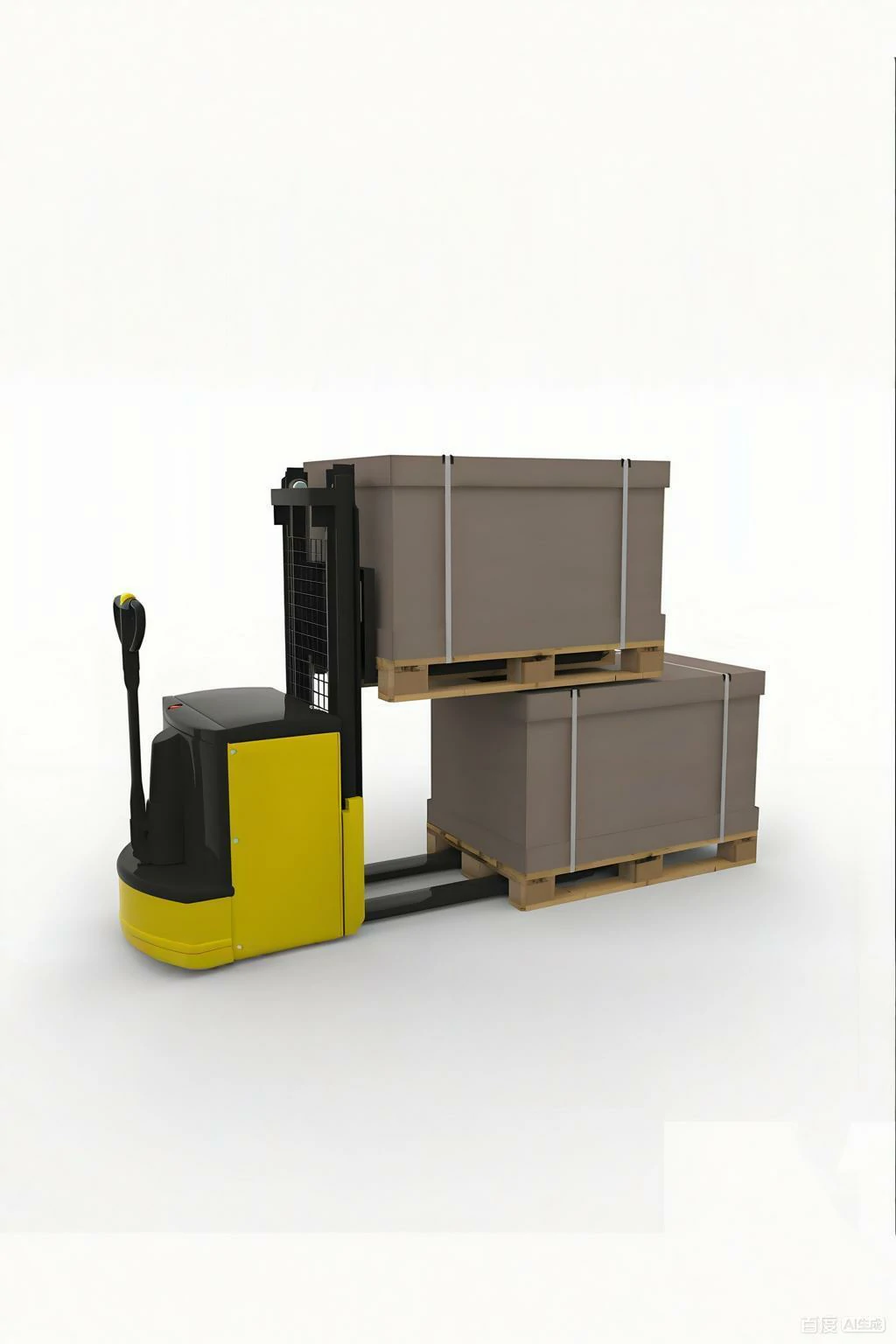
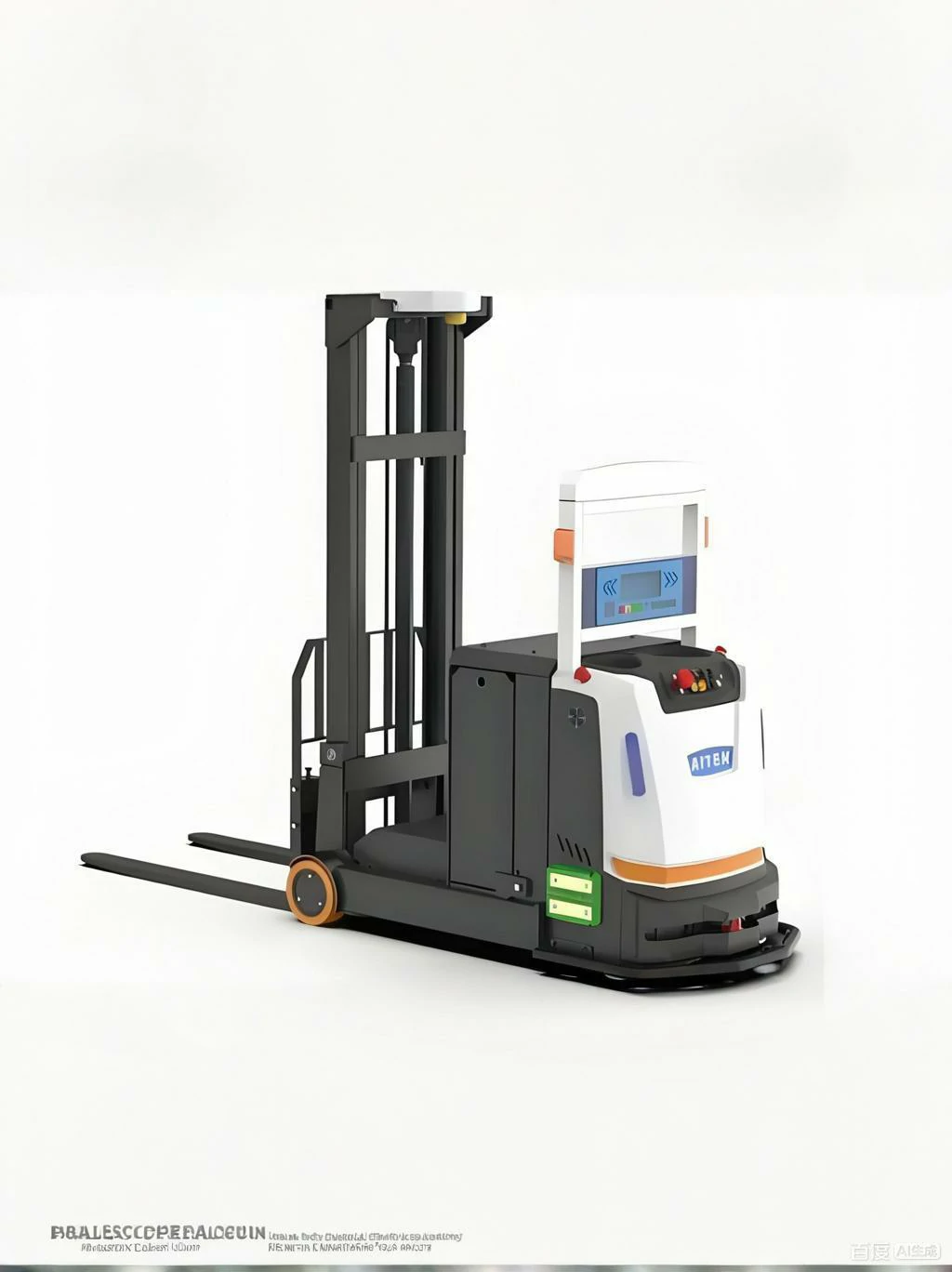
Forklift AGV
Suitable for pallet material handling, such as finished product inbound and raw material outbound. Can achieve automatic forking, handling, and stacking, replacing traditional forklifts without manual driving, supporting high-bay rack access, adapting to warehouse high-bay storage and palletized material management scenarios, with high positioning accuracy (±5mm).

Heavy-load AGV
Suitable for heavy material handling, such as new energy batteries and heavy machinery parts. Load capacity can reach 10-100 tons, using laser navigation + inertial navigation fusion technology, with strong stability, achieving precise heavy material handling and workstation docking, adapting to heavy industry and new energy industry scenarios.

Special Scenario AGV
Clean AGV (adapting to cleanrooms such as semiconductor and pharmaceutical industries) adopts enclosed design to avoid dust pollution, supports anti-static and low vibration; cold chain AGV (adapting to 0-4°C cold chain environments such as food and vaccines) has insulation function and supports real-time temperature monitoring; explosion-proof AGV (adapting to explosion-proof workshops such as chemical and oil & gas industries) meets explosion-proof standards to eliminate safety hazards.

Latent AGV
Suitable for small parts, bins, and tote handling, such as component handling in 3C electronics and medical device industries. Can潜入 under racks to automatically lift and transport without manual intervention, adapting to narrow aisles without occupying extra operation space, supporting multi-unit collaborative operations, matching small-batch, high-frequency handling needs.

Towing AGV
Suitable for large and grouped material handling, such as auto parts and home appliance semi-finished products. Can牵引 material carts and pallet groups for batch handling, with strong load capacity (1-10 tons), adapting to long-distance, large-batch handling between workshops and warehouses, flexibly connecting production line workstations and warehouse racks.

Forklift AGV
Suitable for pallet material handling, such as finished product inbound and raw material outbound. Can achieve automatic forking, handling, and stacking, replacing traditional forklifts without manual driving, supporting high-bay rack access, adapting to warehouse high-bay storage and palletized material management scenarios, with high positioning accuracy (±5mm).

Heavy-load AGV
Suitable for heavy material handling, such as new energy batteries and heavy machinery parts. Load capacity can reach 10-100 tons, using laser navigation + inertial navigation fusion technology, with strong stability, achieving precise heavy material handling and workstation docking, adapting to heavy industry and new energy industry scenarios.

Special Scenario AGV
Clean AGV (adapting to cleanrooms such as semiconductor and pharmaceutical industries) adopts enclosed design to avoid dust pollution, supports anti-static and low vibration; cold chain AGV (adapting to 0-4°C cold chain environments such as food and vaccines) has insulation function and supports real-time temperature monitoring; explosion-proof AGV (adapting to explosion-proof workshops such as chemical and oil & gas industries) meets explosion-proof standards to eliminate safety hazards.
(II) AGV Intelligent Dispatch System Setup
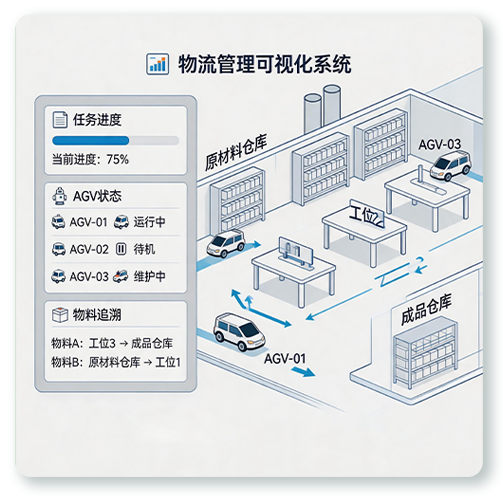
The AGV dispatch system serves as the "smart brain" of the AGV cluster, integrating task allocation, path planning, conflict avoidance, and status monitoring to achieve multi-AGV collaborative efficient operations. Core functions are as follows to ensure intelligent control of the full handling process:

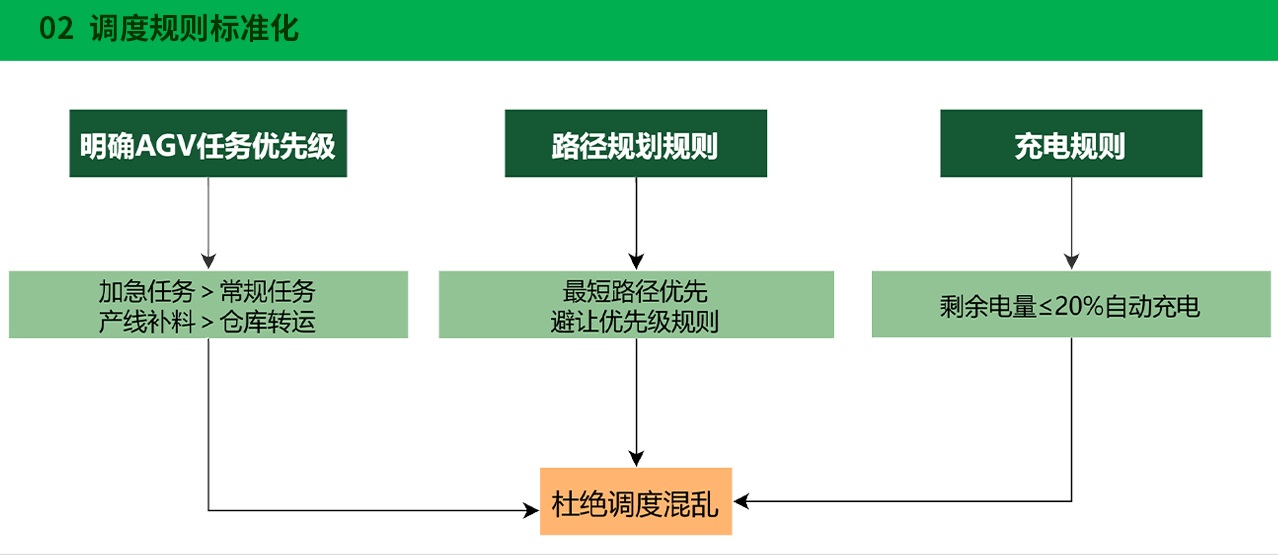
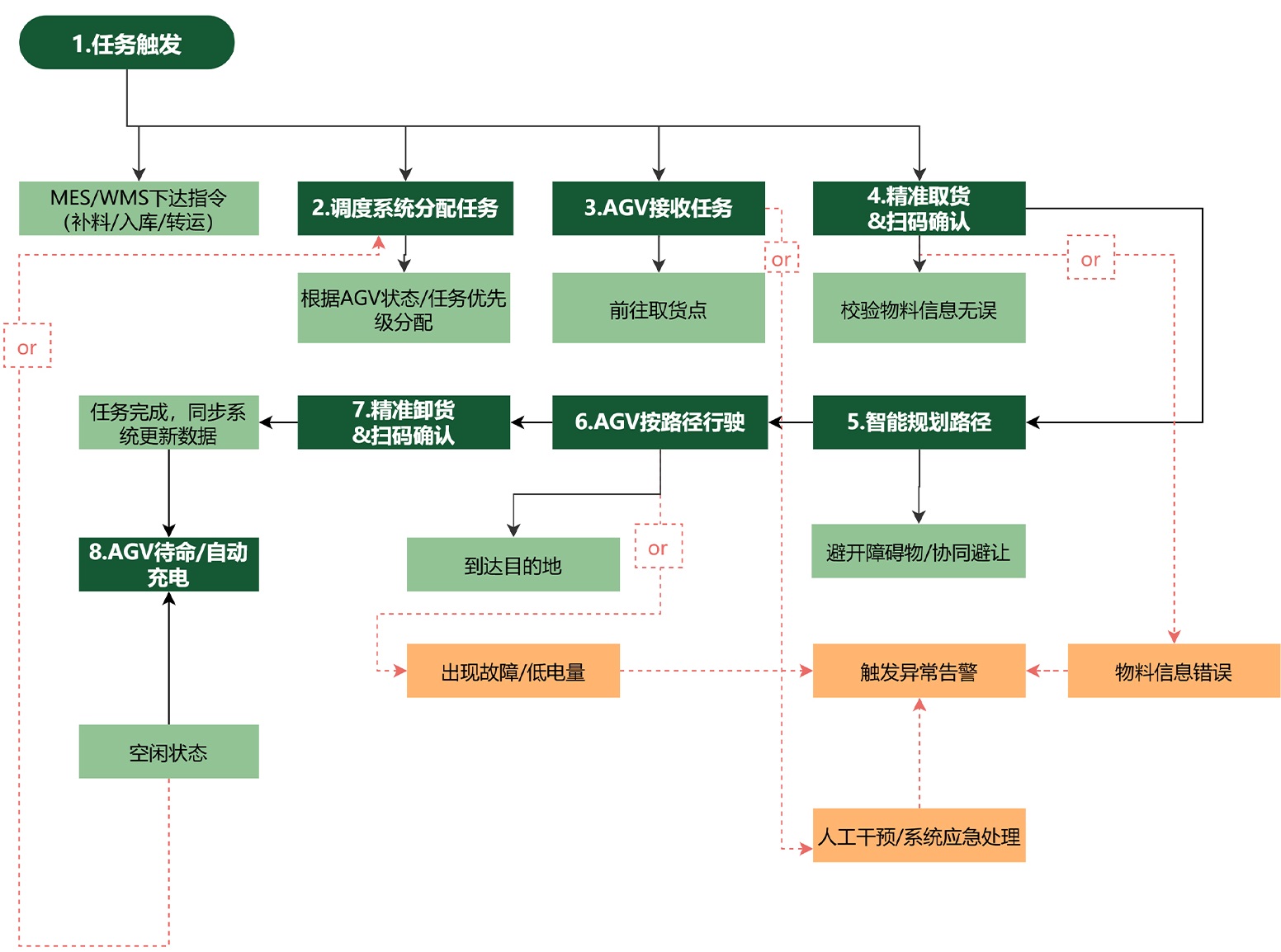
Receive handling instructions from MES/WMS (e.g., line replenishment, finished goods inbound, material transfer), intelligently assign optimal AGV based on real-time status (idle, busy, low battery) and task urgency, prioritizing urgent tasks, avoiding equipment idle time, and improving response efficiency.
(III) System Integration & Supporting Facilities
Integrate AGV dispatch system with MES, WMS, ERP to achieve full data closed-loop - WMS triggers material outbound/inbound instructions, AGV dispatch system automatically receives tasks and assigns AGVs; MES synchronizes line replenishment needs, AGV responds in real-time for precise delivery; ERP synchronizes AGV operation data for refined cost control.
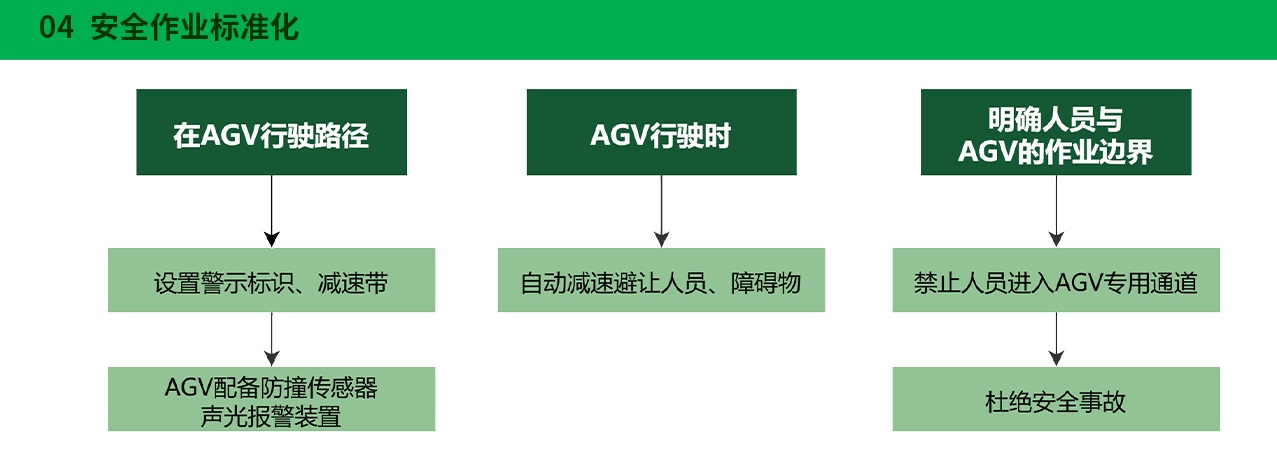
Deploy charging stations, wireless charging, call buttons, safety light curtains, indicator lights, landmark magnets/reflective plates, wireless networks, and other supporting facilities to ensure stable AGV operation and site safety.
Standardize pallet, rack, and container specifications and barcode identification to achieve precise binding of materials with containers and storage locations, supporting AGV automatic handling and system traceability.
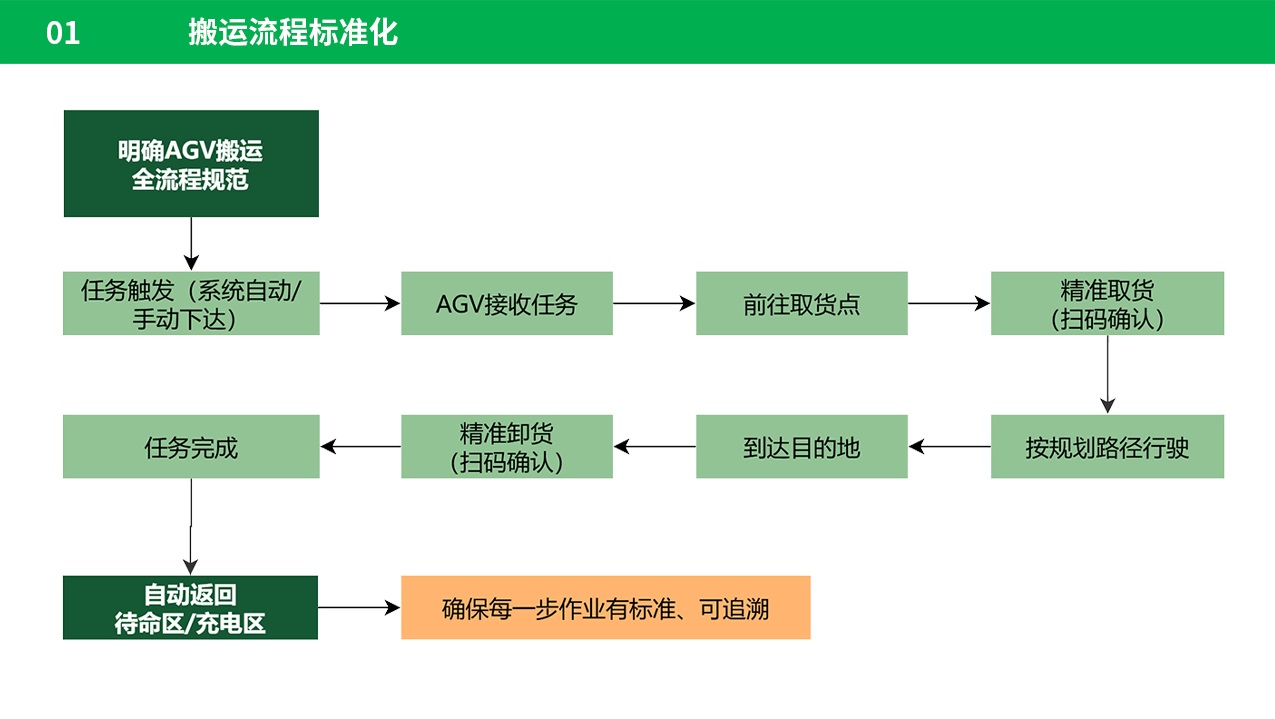
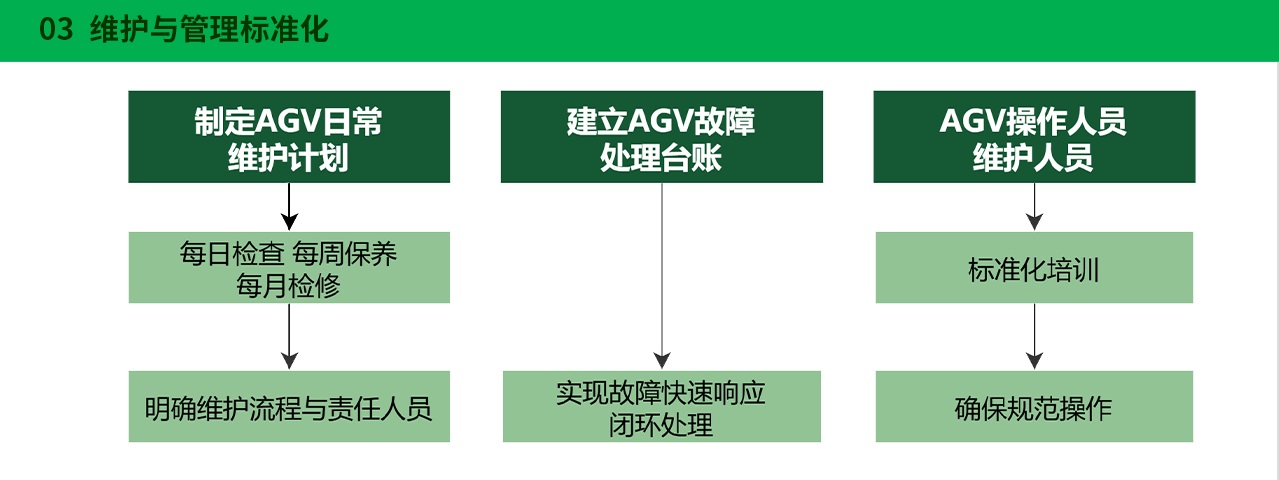
(IV) Full Process Standardized Operation System


AGV Automated Handling Standard Flowchart

Implementation Path
Phase 1: Investigation, Diagnosis & Foundation Building (2-3 Weeks)
Key Tasks
Investigate warehouse layout, production takt time, material characteristics (weight, size, batch), existing handling processes, and operation scenarios (conventional/special); identify core pain points and bottleneck links; statistics on core baseline data such as manual handling efficiency, error rate, safety incident rate, and handling costs; clarify AGV selection needs, system integration needs, and departmental responsibilities (production, warehouse, operations).
Deliverables
Current Status Diagnosis Report
AGV Selection Requirements List
Baseline Data Ledger
Departmental Responsibility Division Table
Phase 2: Solution Design & Standard Formulation (3-4 Weeks)
Key Tasks
Based on baseline data, determine AGV models, quantities, and navigation methods; design AGV travel paths, charging points, and pickup/drop-off points; build AGV dispatch system architecture; formulate system integration plans (with MES, WMS); formulate standardized operation processes, dispatch rules, maintenance plans, and safety specifications; organize multi-department solution reviews, optimize and improve to ensure the solution fits actual enterprise needs.
Deliverables
AGV Total Solution
AGV Selection Plan
Dispatch System Design Plan
System Interface Requirements Specification
Standard Operating Procedure (SOP)
Safety Specifications
Maintenance Plan
Phase 3: Pilot Verification & Optimization Iteration (4-6 Weeks)
Key Tasks
Select 1-2 core scenarios (such as warehouse to production line replenishment, finished product inbound) as pilots; complete AGV deployment, navigation supporting installation, dispatch system setup, and system integration testing; train operators and maintenance personnel (AGV operation, dispatch system usage, fault handling); implement pilot handling processes, daily review of operation data (efficiency, error rate, fault frequency), optimize AGV paths and dispatch rules, and solve operational issues.
Deliverables
Pilot Operation Report
Optimized SOP and Dispatch Rules
Problem Closed-Loop Ledger
Pilot Effect Analysis Report
Phase 4: Full Promotion & System Implementation (8-12 Weeks)
Key Tasks
Deploy AGVs by warehouse area and production line in batches; complete full-factory navigation supporting and charging facility installation; achieve deep integration of AGV dispatch system with MES, WMS, and ERP, with all modules online; organize full-staff training and assessment to ensure operators master standardized processes; establish daily operation control mechanisms, regularly check AGV operation status and operation specification execution, and handle abnormalities promptly.
Deliverables
Full Promotion Plan
Training Records
Assessment Results
Operation Control System Documents
AGV Operation & Maintenance Ledger
Phase 5: Continuous Optimization & Lean Upgrade (Long-term)
Key Tasks
Establish monthly/quarterly data review mechanisms, optimize AGV dispatch algorithms, travel paths, and operation takt times to improve handling efficiency; expand AGV quantities and application scenarios (such as special scenario handling, cross-workshop transfer) according to production needs; deepen digitalization, introduce digital twin technology to achieve full-scenario visual control of AGV operation status and material handling processes; optimize system integration functions to connect with supplier logistics systems, building a full supply chain automated logistics system.
Deliverables
Continuous Optimization Report
AGV Expansion Plan
Digital Twin Construction Plan
Supply Chain Collaboration Plan (Advanced)
Implementation Benefits (Quantitative + Qualitative)
Quantifiable Core Benefits
Significant Improvement in Handling Efficiency
Increase 40%-60%
AGV can achieve 24-hour continuous operation, handling efficiency improved by 40%-60%, single-trip handling time shortened by 30%-50%; multi-AGV collaborative operations can meet high-frequency, large-batch handling needs, thoroughly solving manual handling bottlenecks, production delivery cycle shortened by 20%-30%.
Significant Reduction in Operating Costs
Reduce 25%-35%
Replacing manual handling can reduce 30%-50% of handling personnel, labor costs reduced by 30%-40%; AGV has low energy consumption and maintenance costs, operating costs reduced by 25%-35% compared to traditional forklifts; material handling error rate reduced by over 90%, reducing material loss and rework costs, saving 10%-20% of loss costs annually.
Significant Reduction in Safety Risks
Reduce 95%+
By eliminating manual handling and forklift operations, AGVs prevent safety accidents and reduce the accident rate by over 95%, significantly lowering workers' compensation costs. Equipped with collision avoidance and alarm systems, AGVs further minimize operational hazards. They are particularly well-suited for specialized environments, effectively mitigating risks such as contamination and explosions
Space Utilization Improvement
Increase 30%+
AGVs are highly adaptable to narrow aisles and high-bay racking, eliminating the need for manual operating space and boosting warehouse storage utilization by over 30%. Furthermore, they reduce the accumulation of materials at the line side, expanding production line operating space by 25%–30%.
Equipment Utilization Optimization
Increase to 85%+
AGV dispatch system achieves intelligent task allocation, equipment utilization improved from 60% to over 85%, reducing equipment idle time and improving return on investment.
Qualitative Management Benefits

01Production Flexibility Improvement

02Management Standardization & Transparency

03Work Environment Improvement

04Enterprise Automation Level Upgrade
Customer Recognition
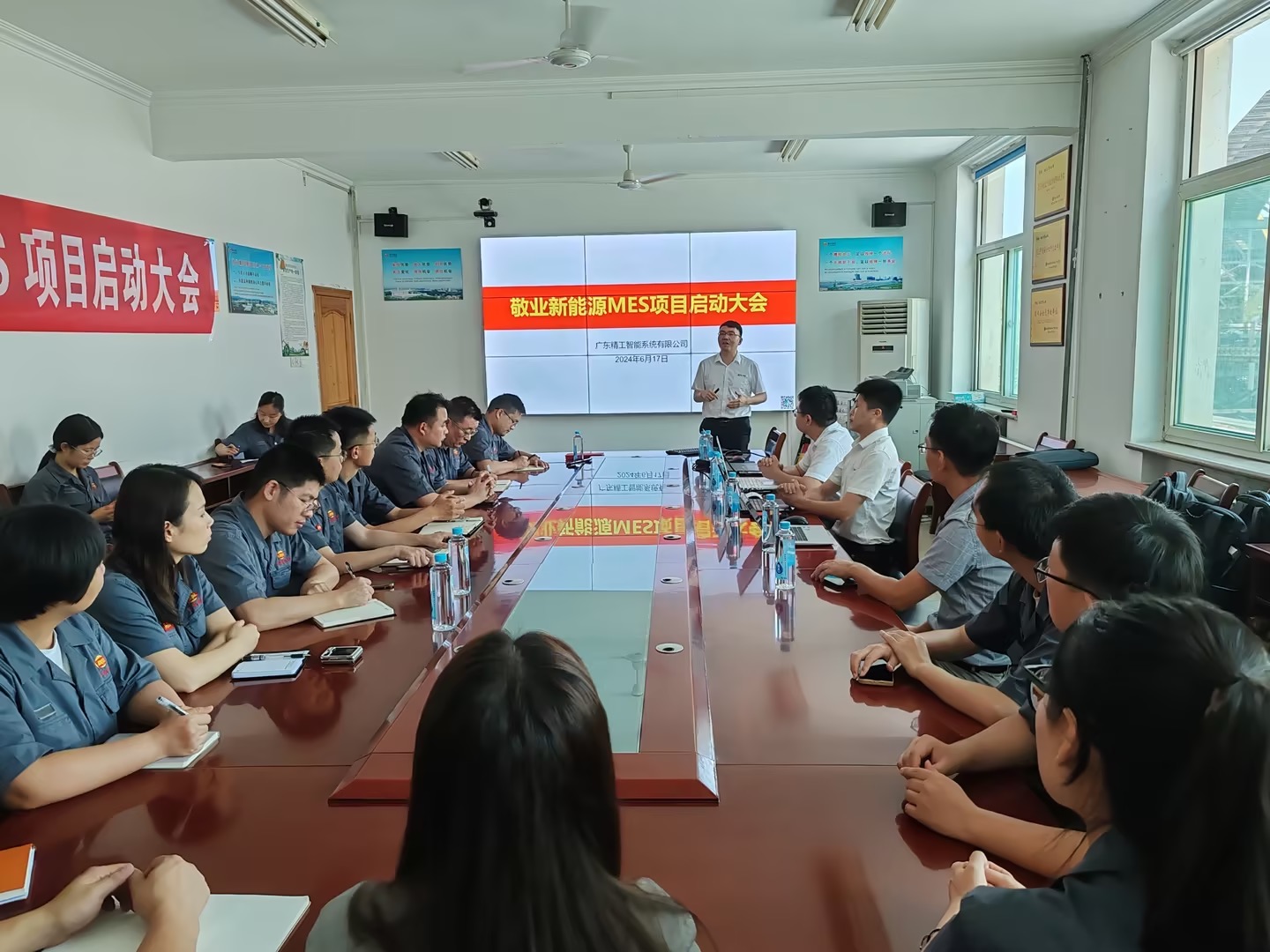
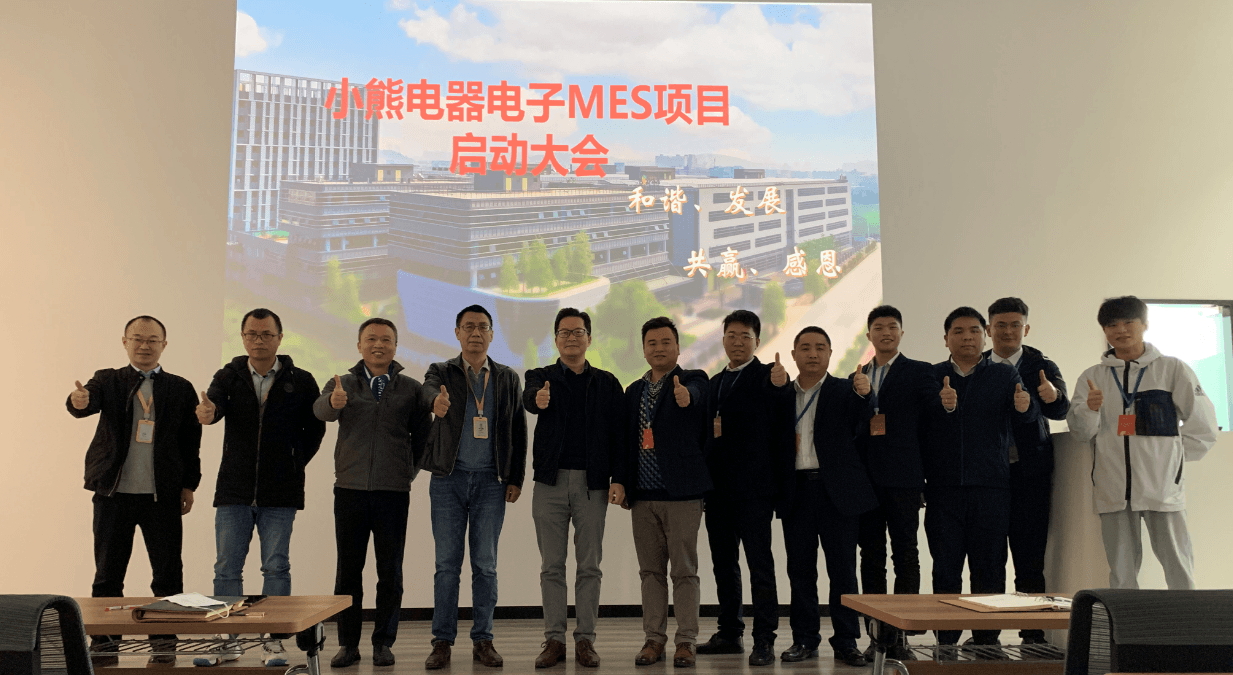
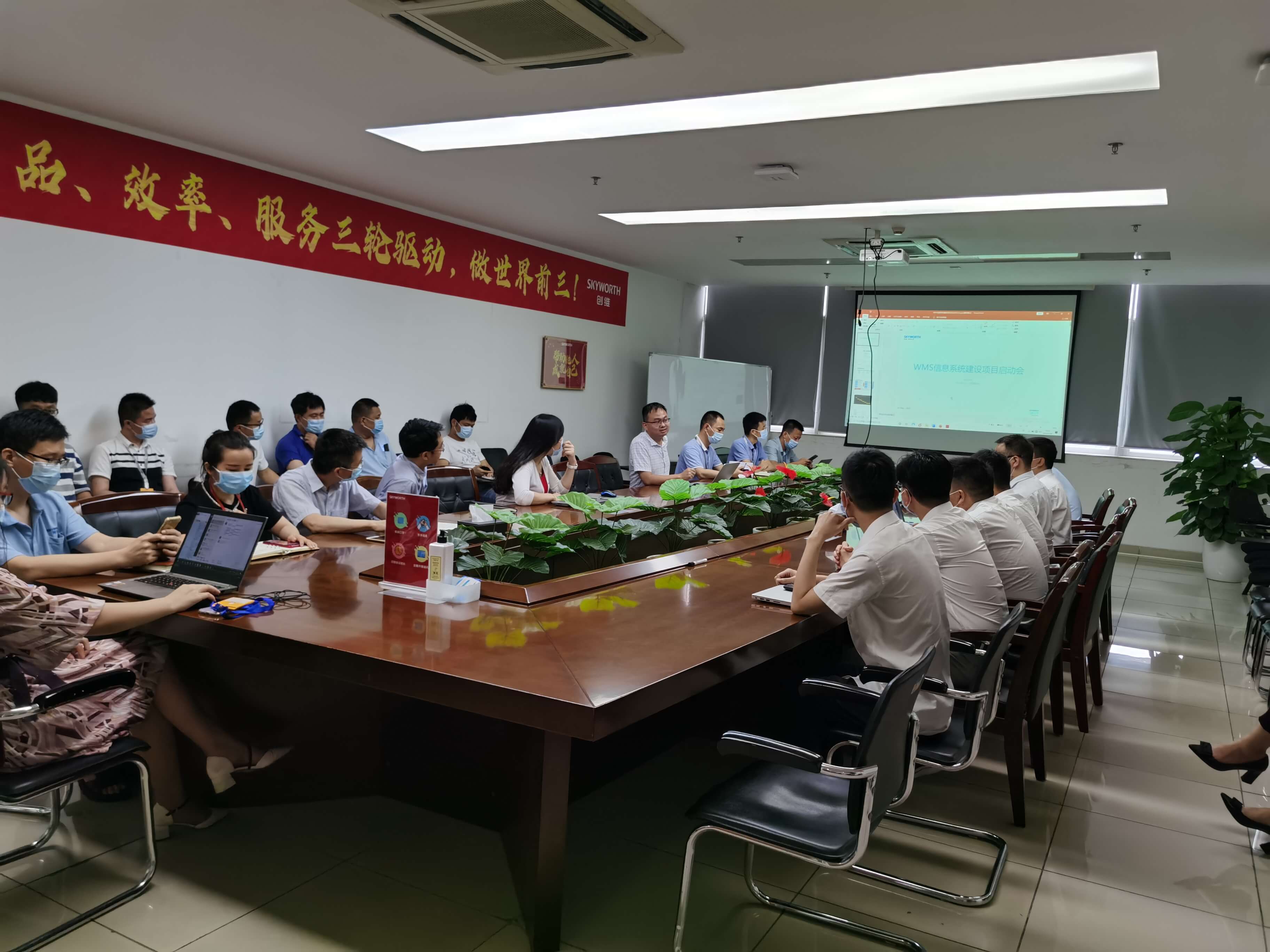
Project Kickoff Meeting

敬业集团MES项目

小熊电器WMS/MES项目

创维集团WMS/MES/APS项目
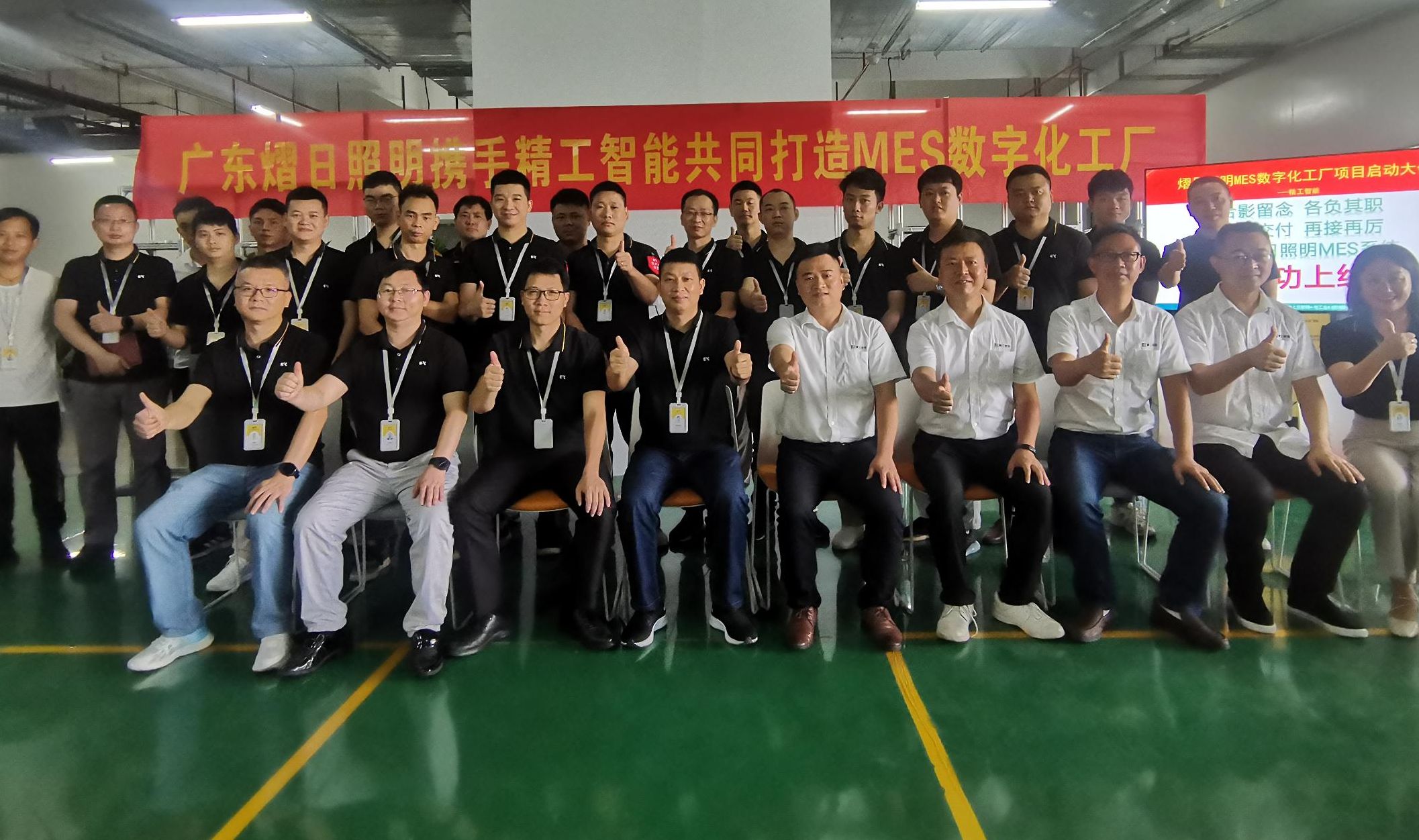
熠日照明WMS/MES/APS/SRM项目
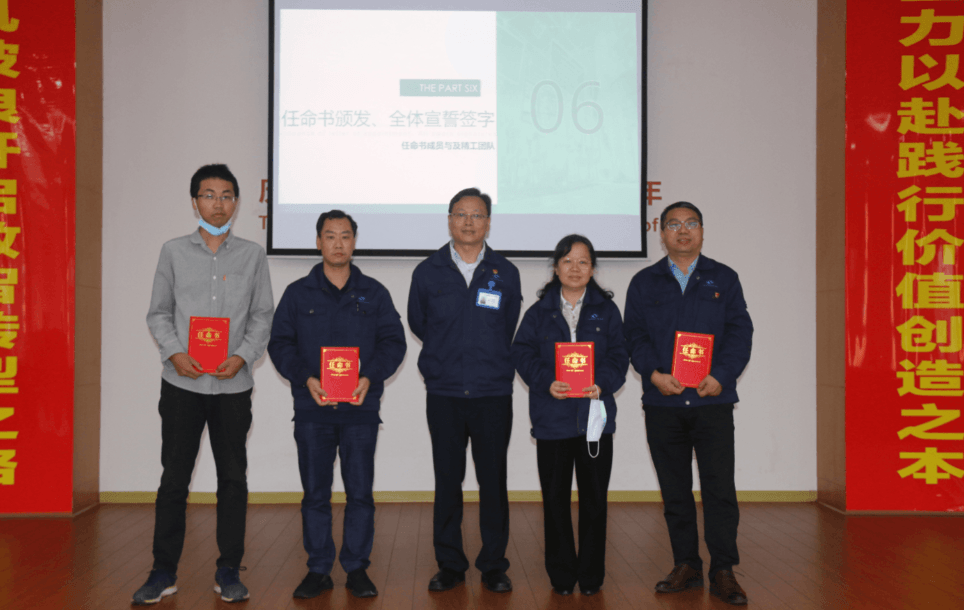
北方光电WMS/MES项目
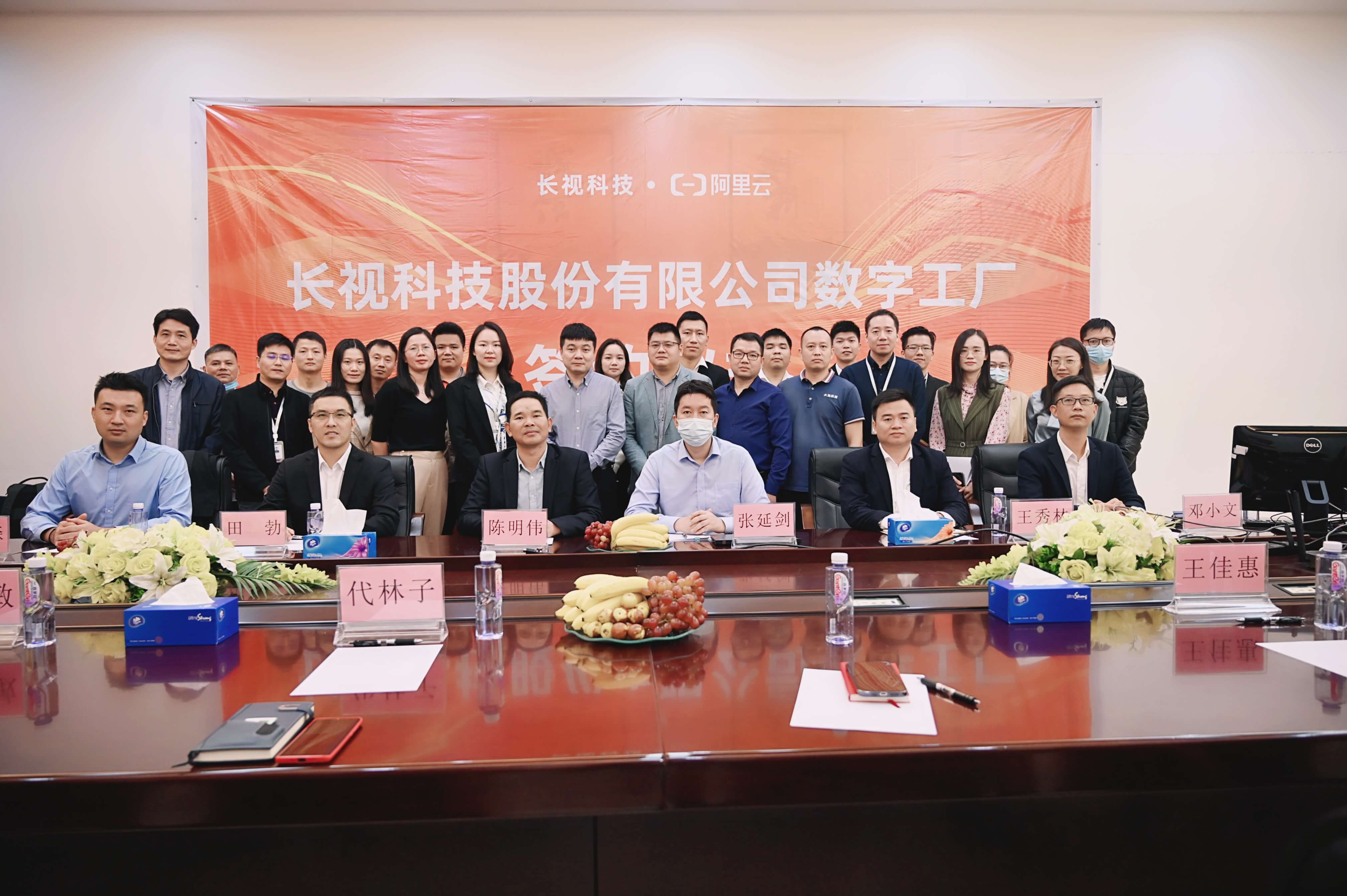
长视科技WMS/MES项目
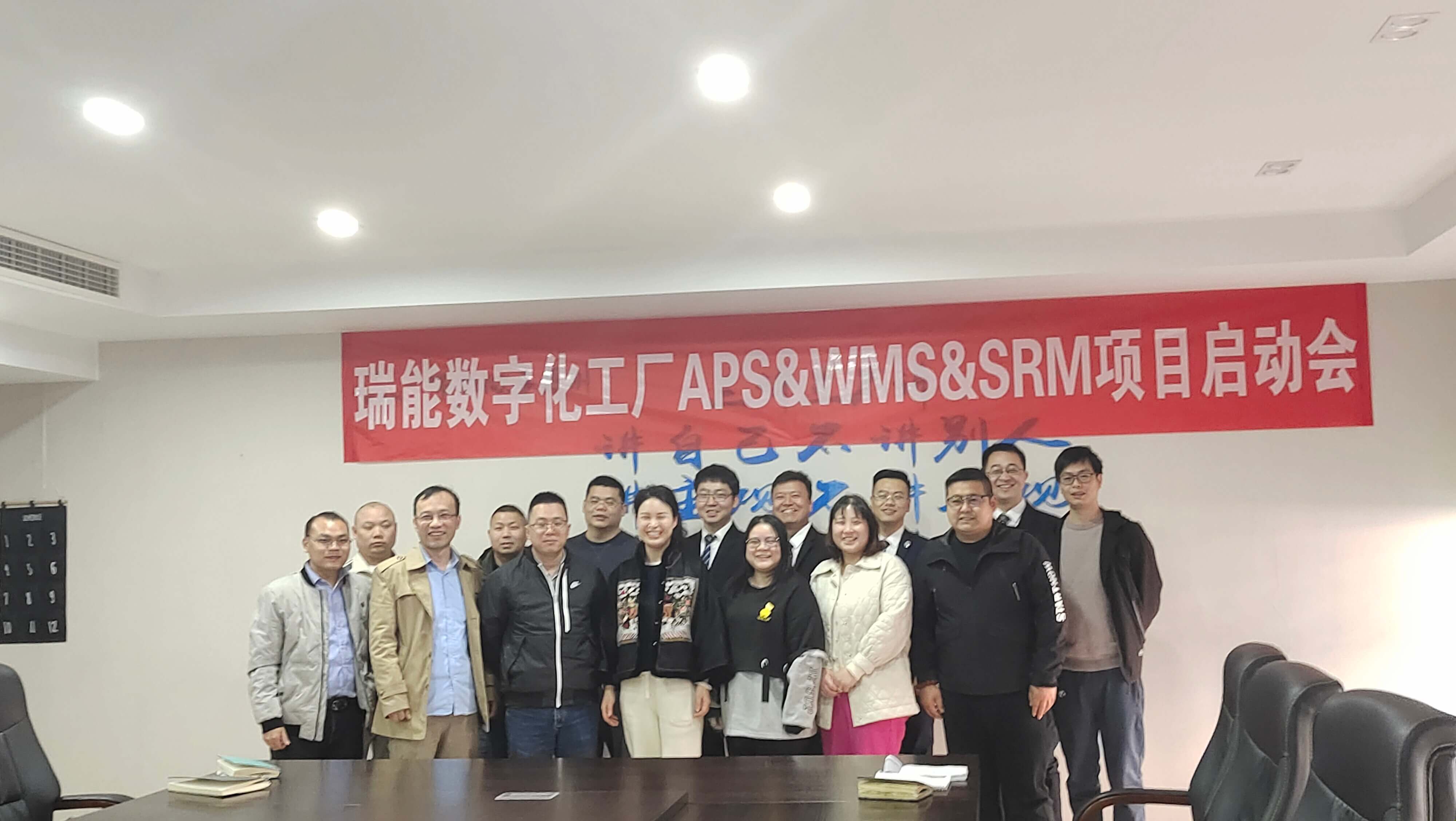
瑞能集团WMS/SRM/APS项目
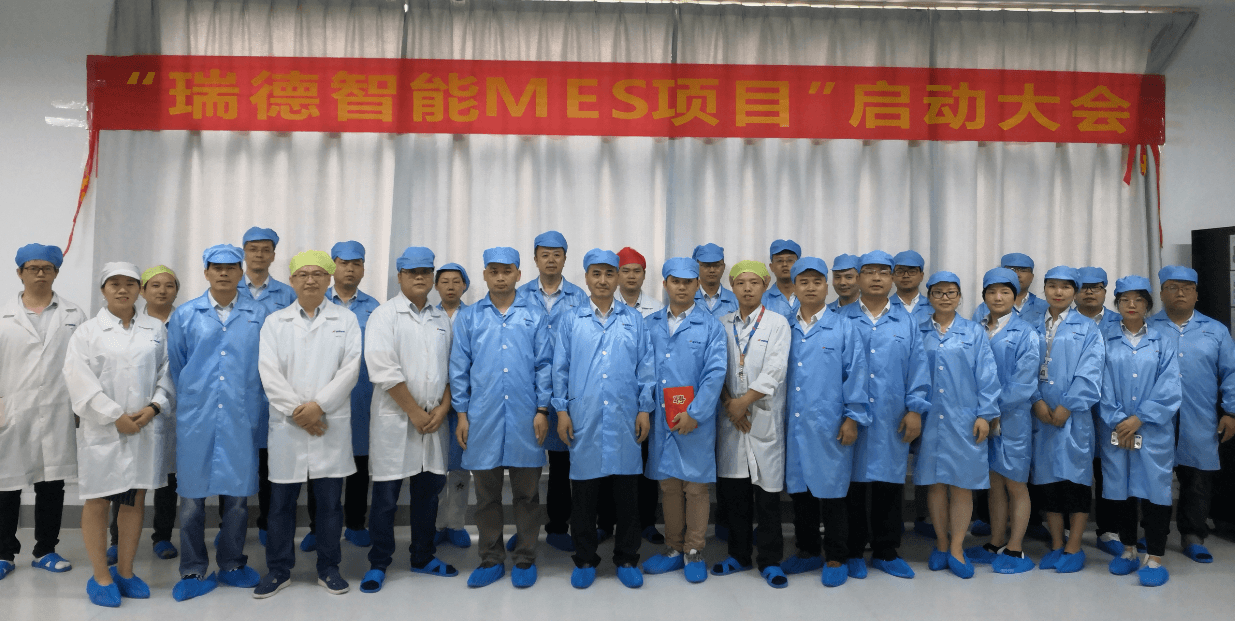
瑞德智能MES项目
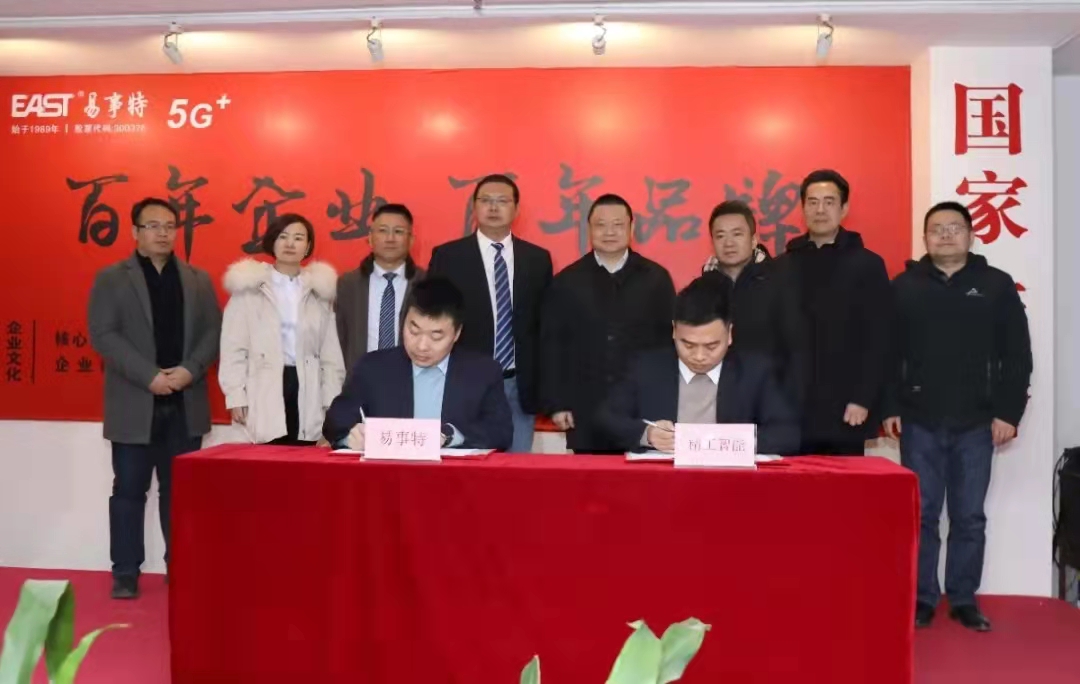
易事特WMS/MES/QMS项目
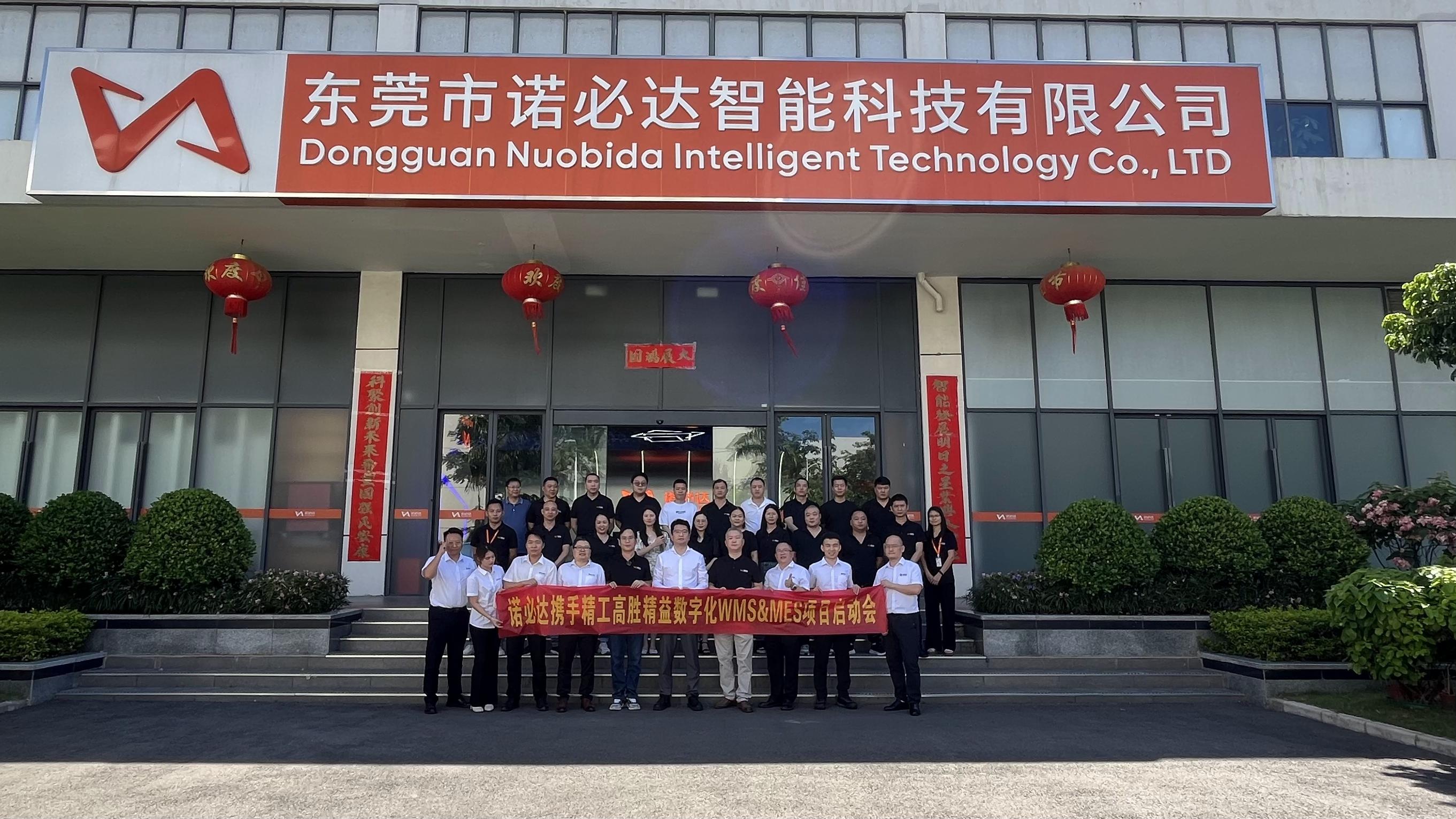
诺必达WMS&MES项目
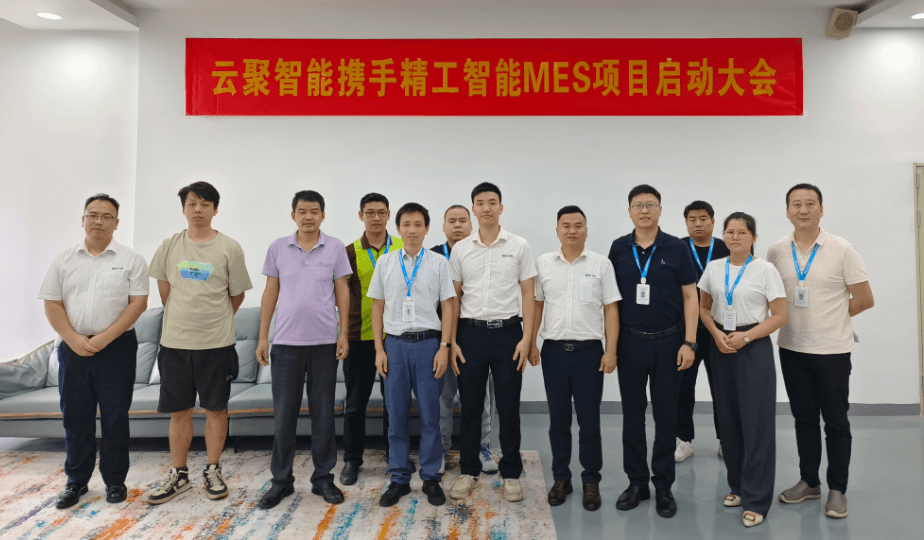
云聚MES项目
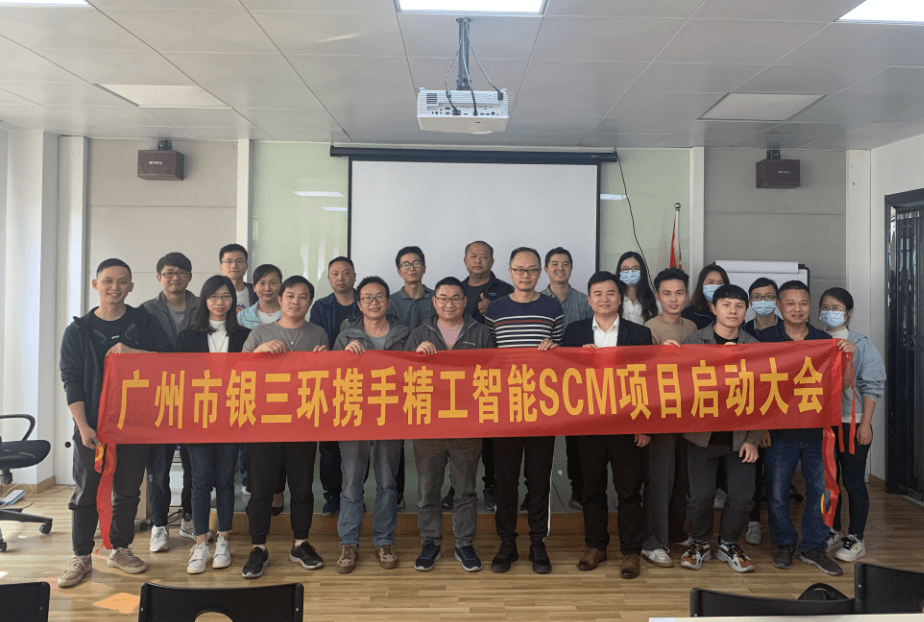
银三环SCM项目
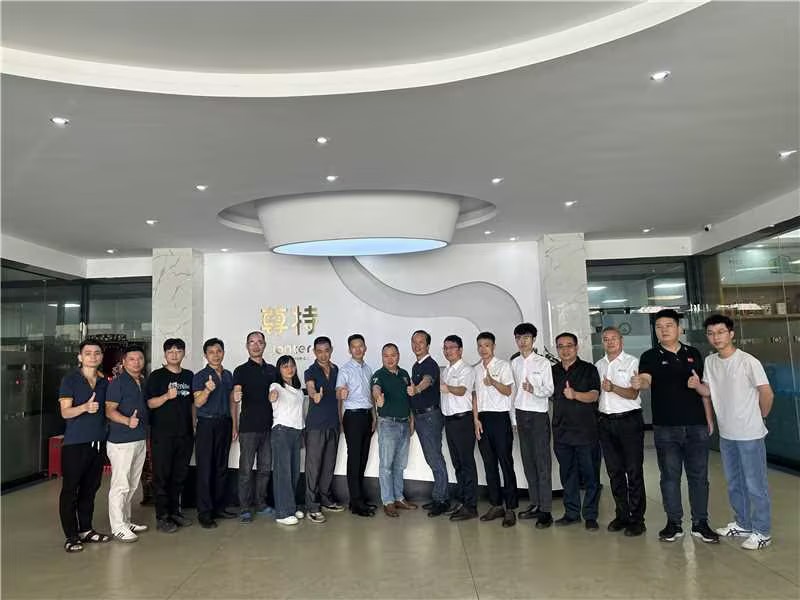
尊特数码MES项目
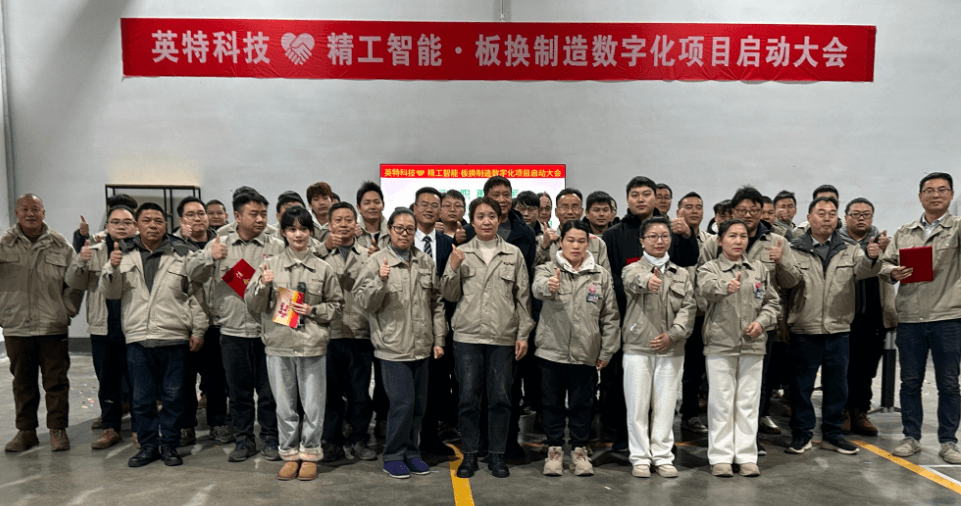
英特科技WMS&MES项目
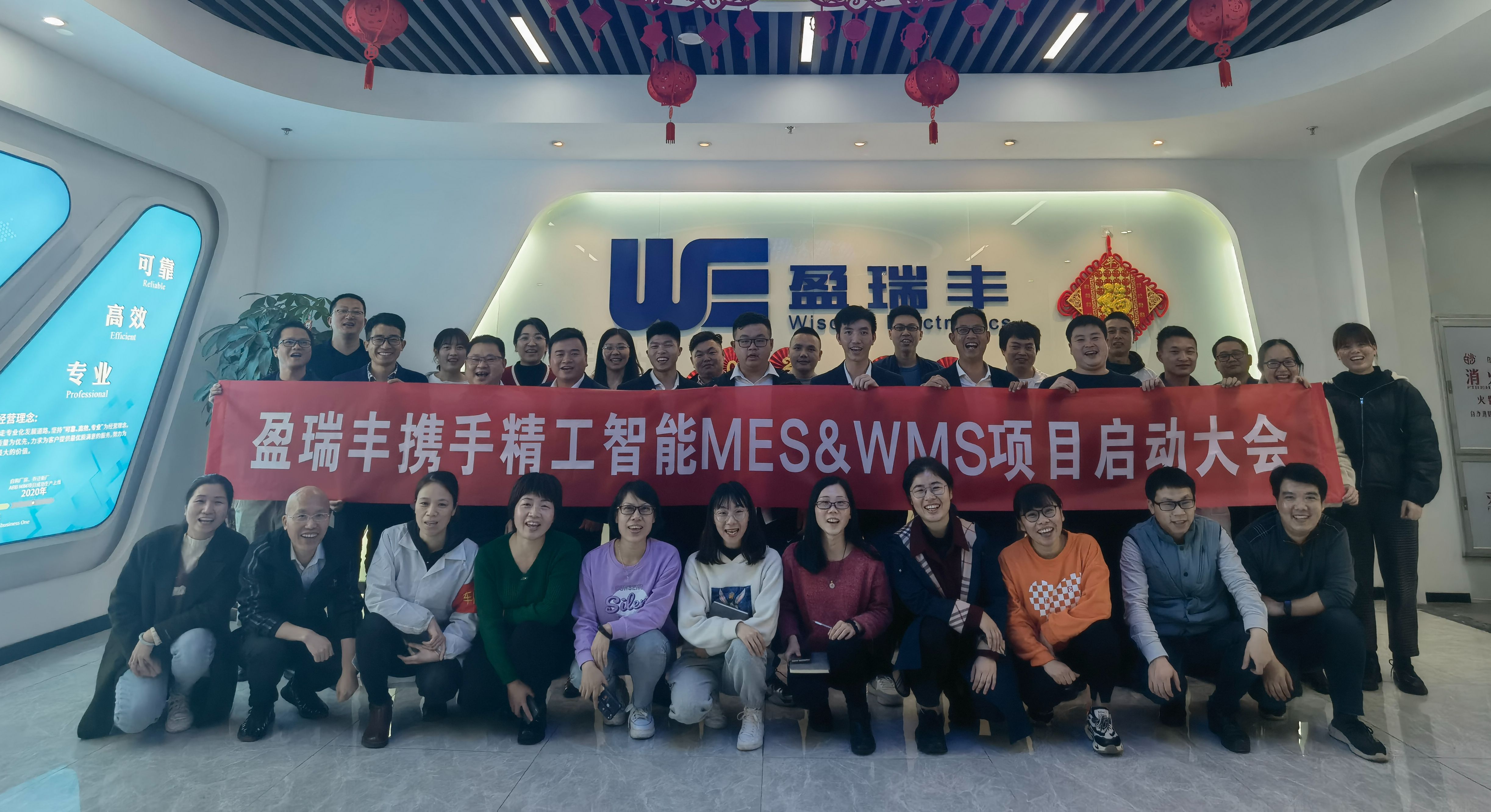
盈瑞丰WMS&MES项目
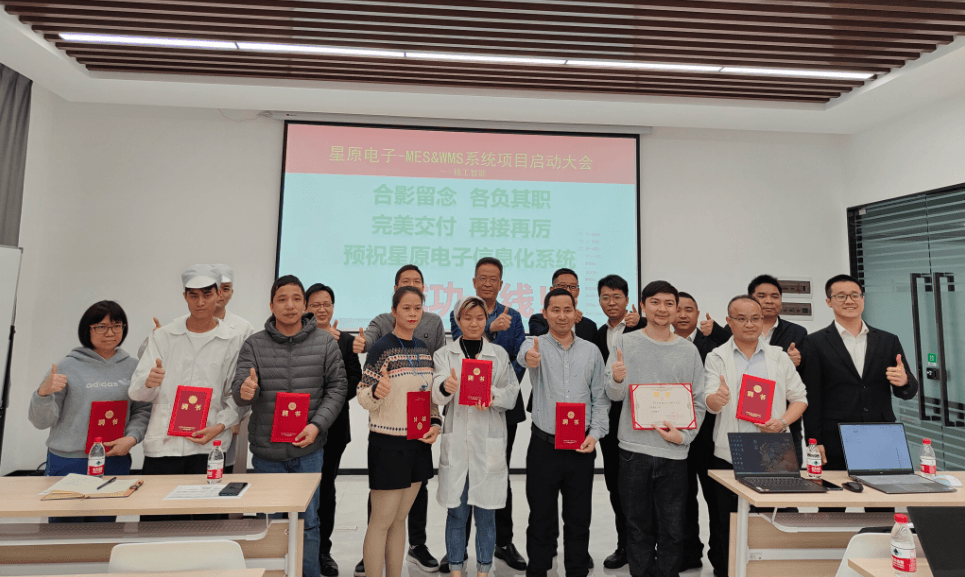
星原电子WMS&MES项目
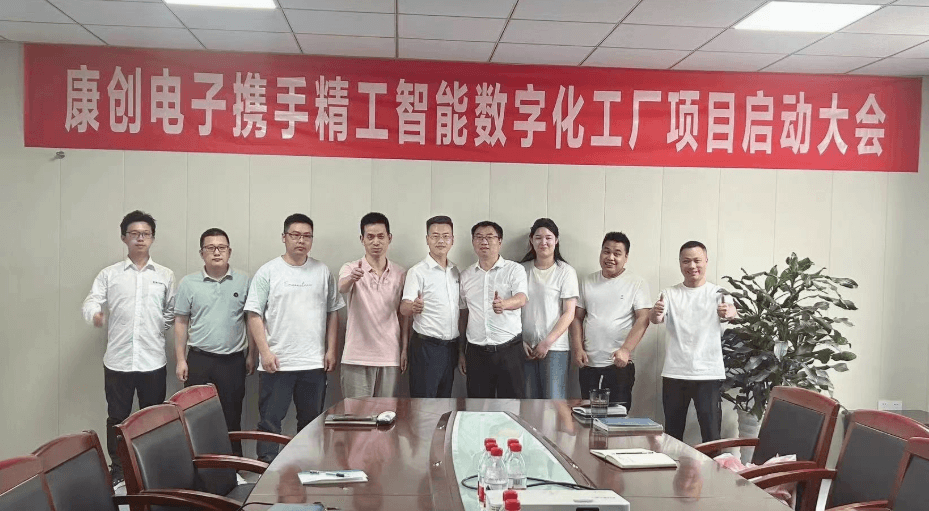
康创电子WMS/MES项目.
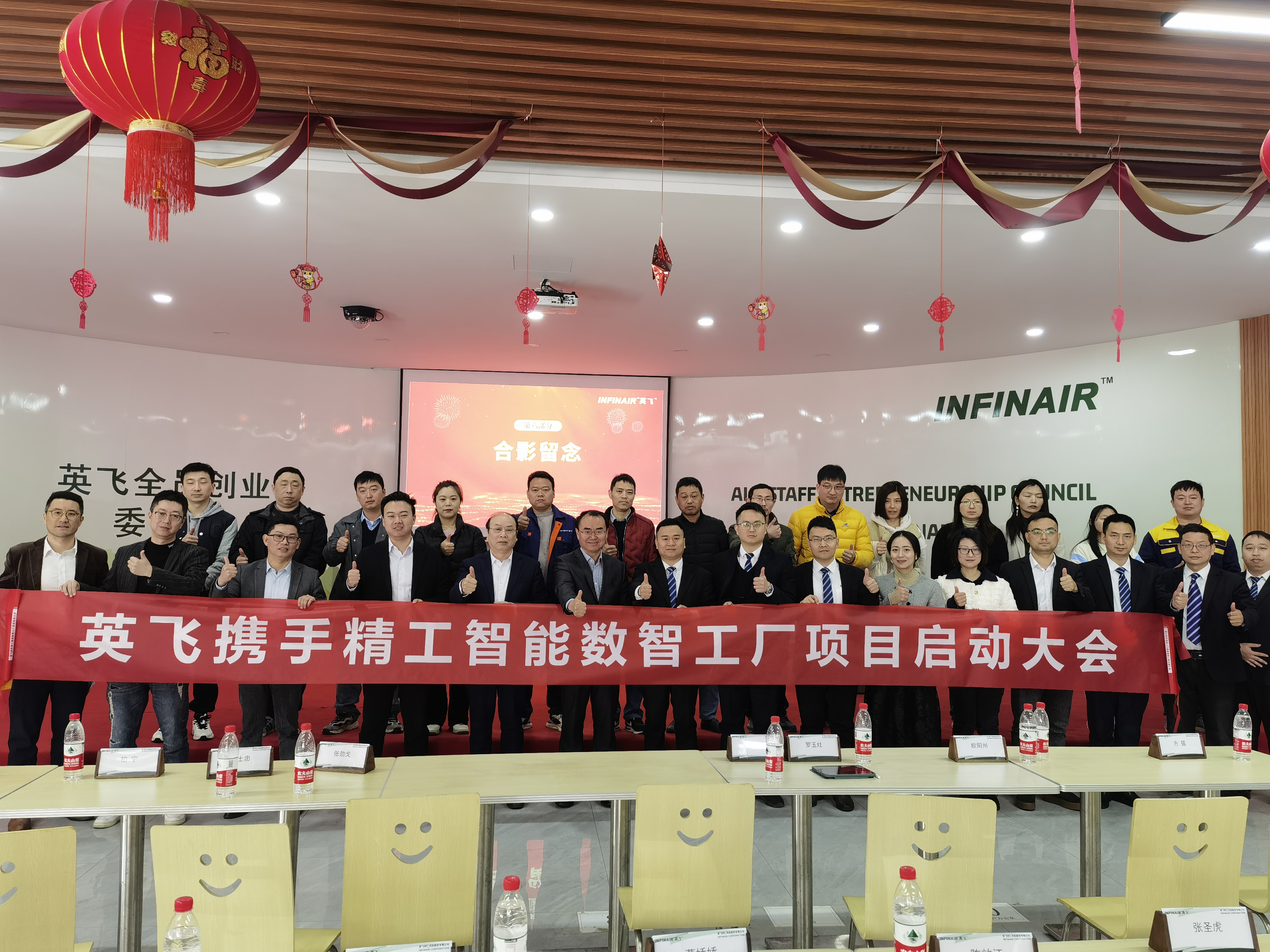
英飞同仁WMS/MES项目.
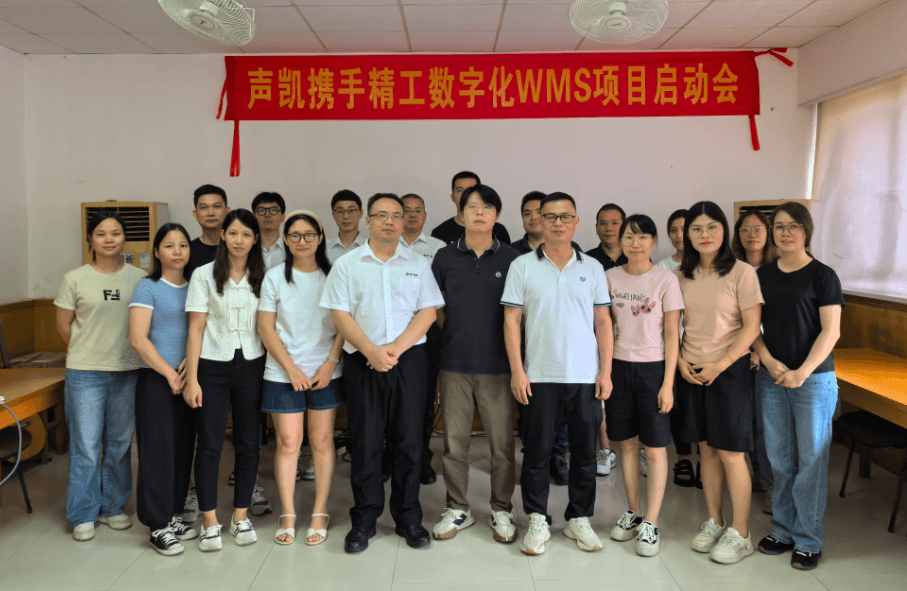
声凯乐器WMS项目
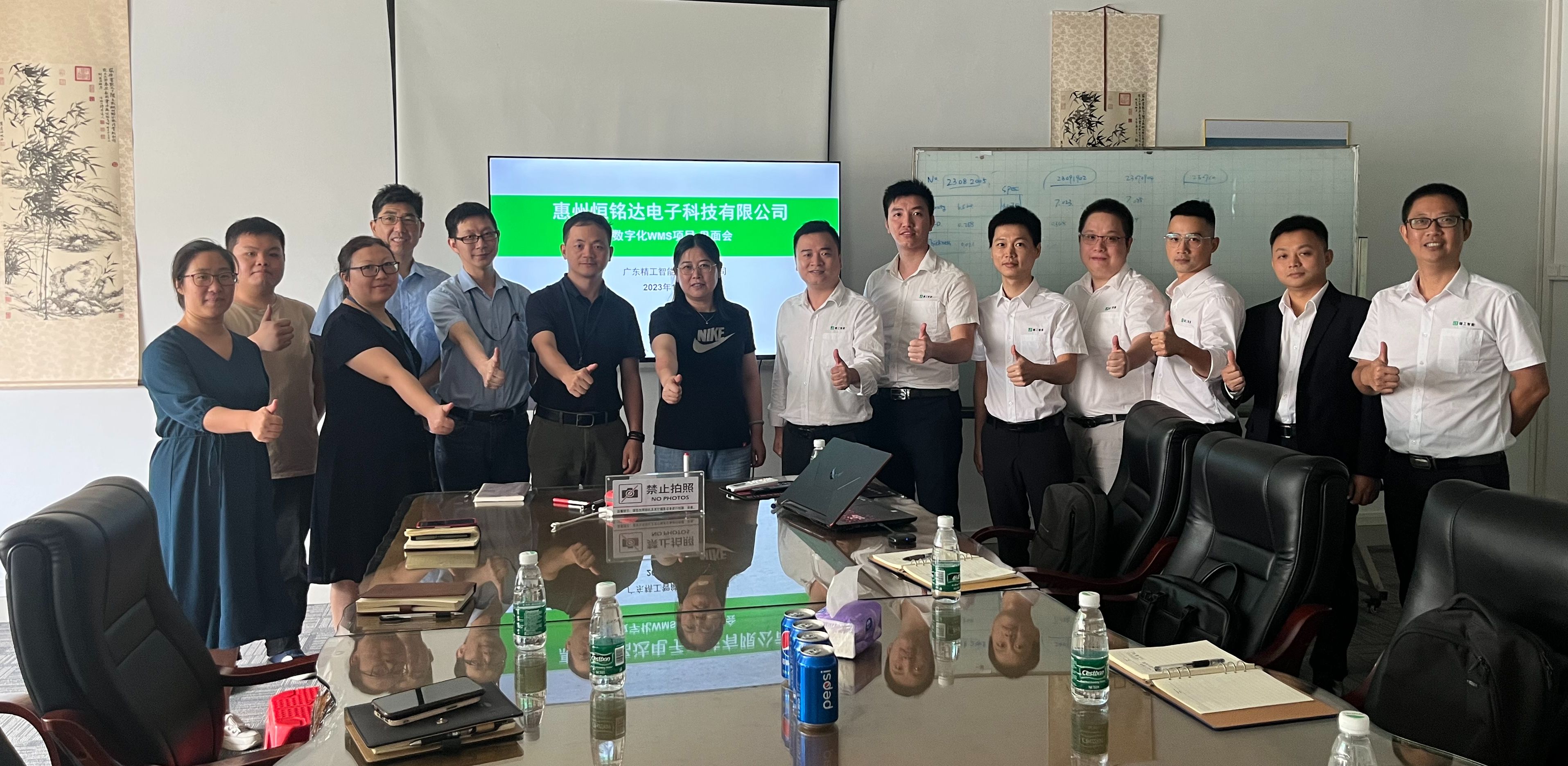
恒铭达WMS项目
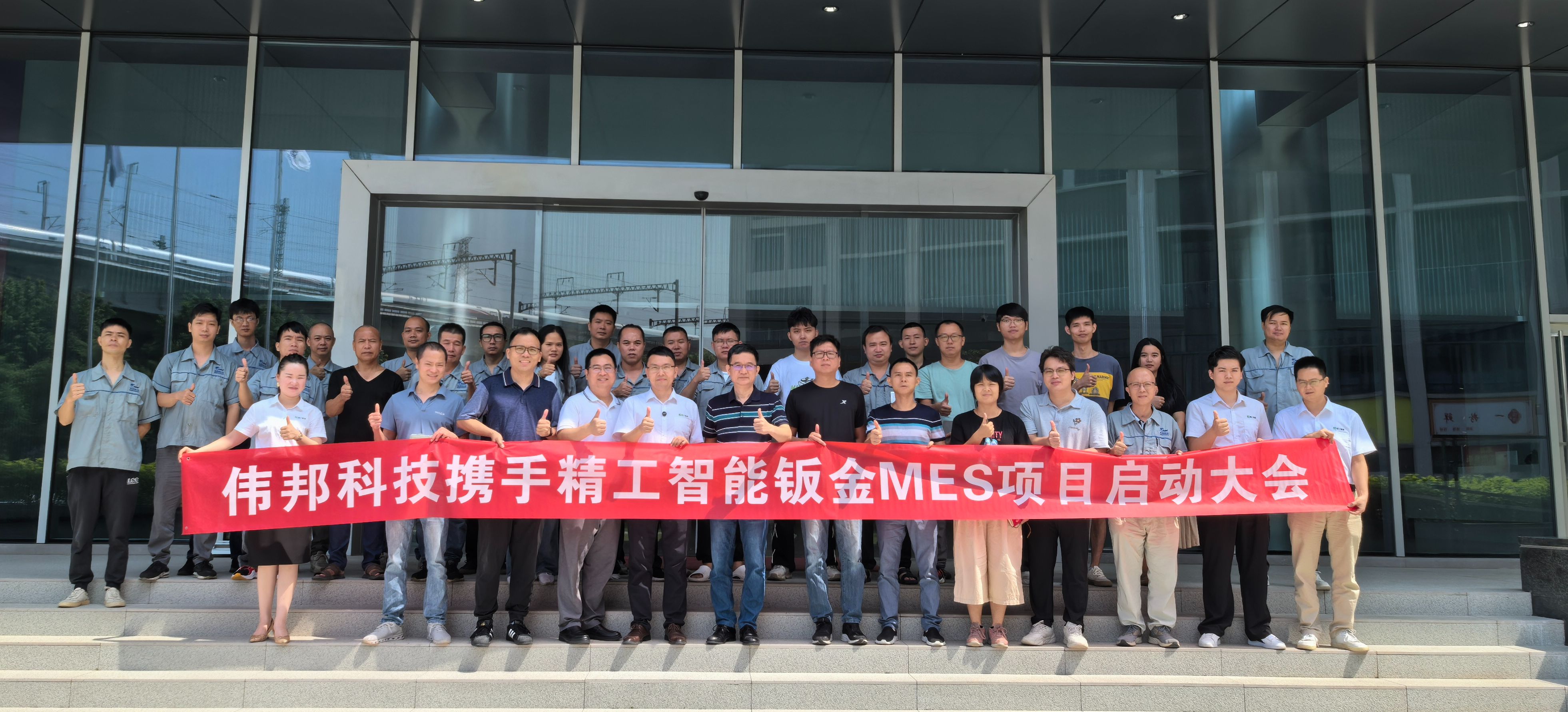
伟邦钣金MES项目
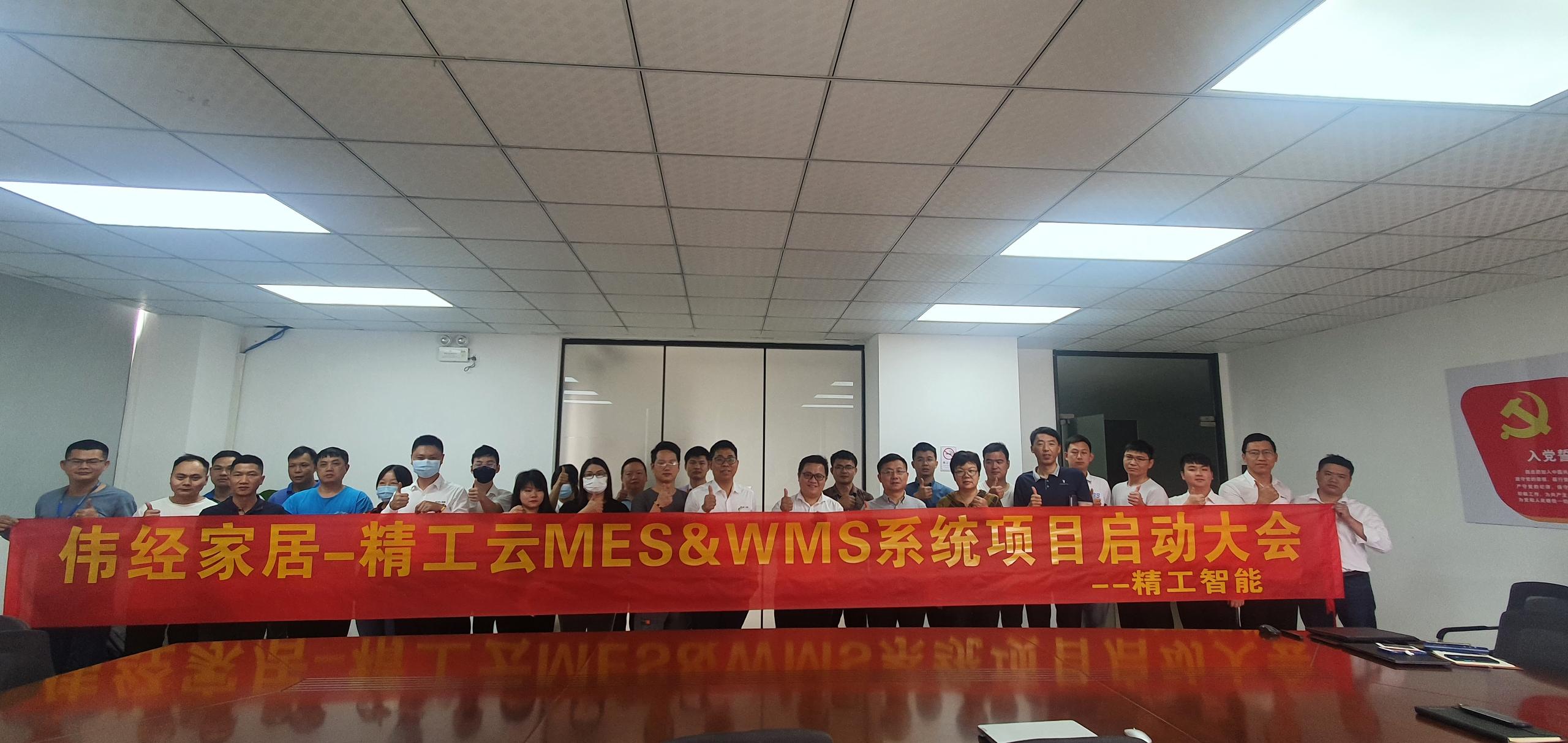
伟经家居WMS&MES项目
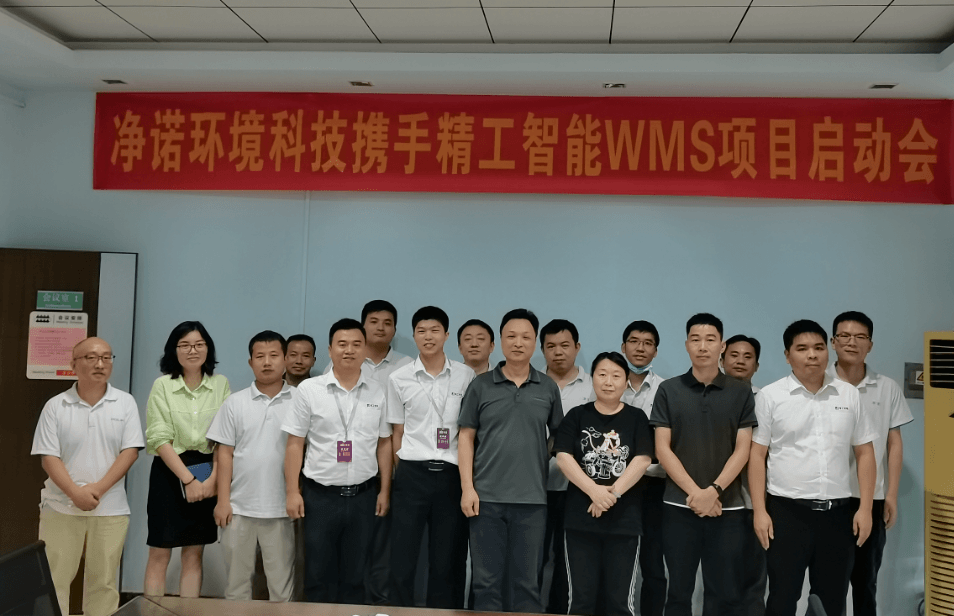
净诺环境WMS项目
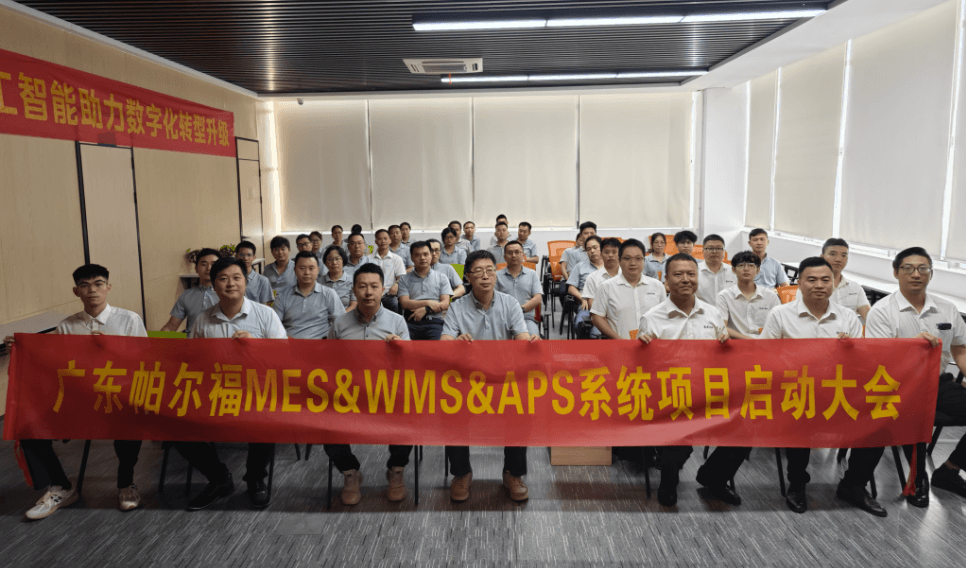
广东帕尔福MES&WMS&APS项目
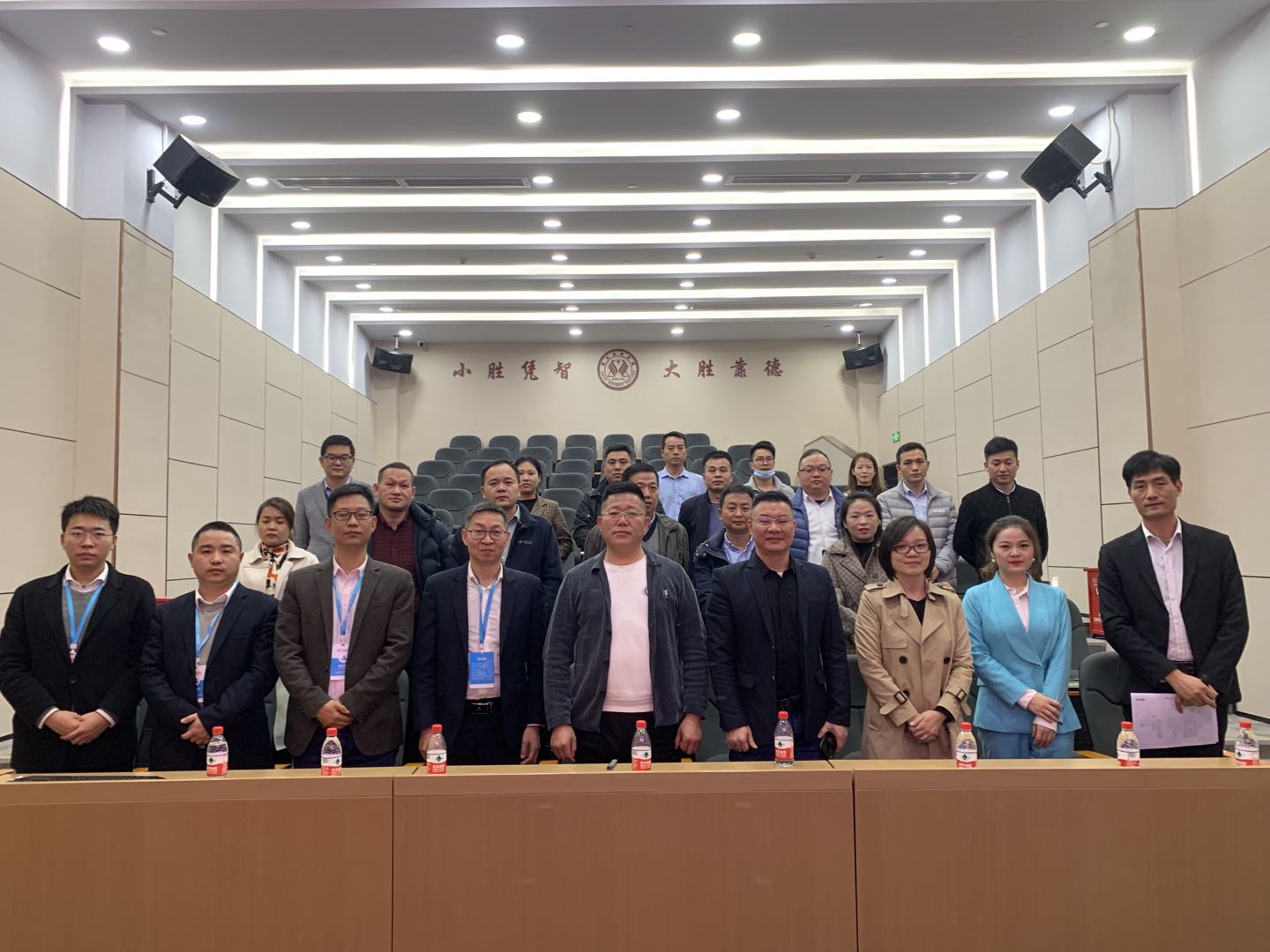
赛而美MES项目
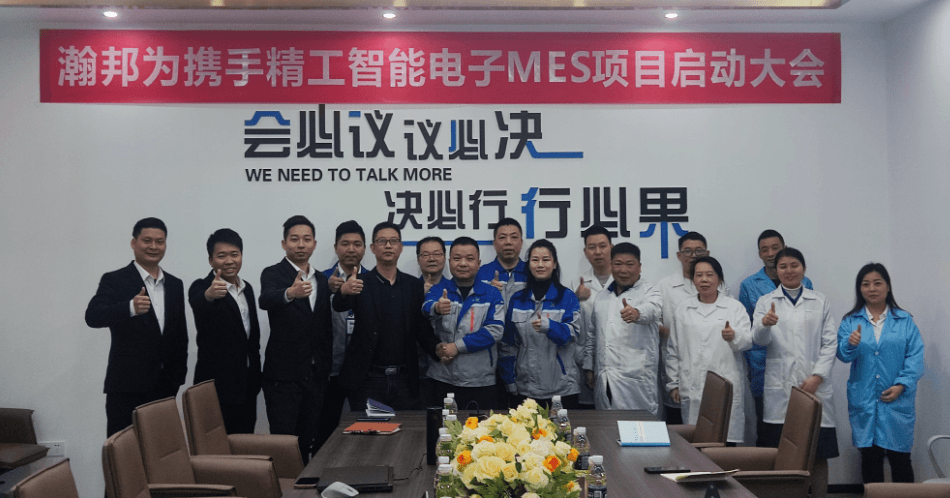
瀚邦为MES项目
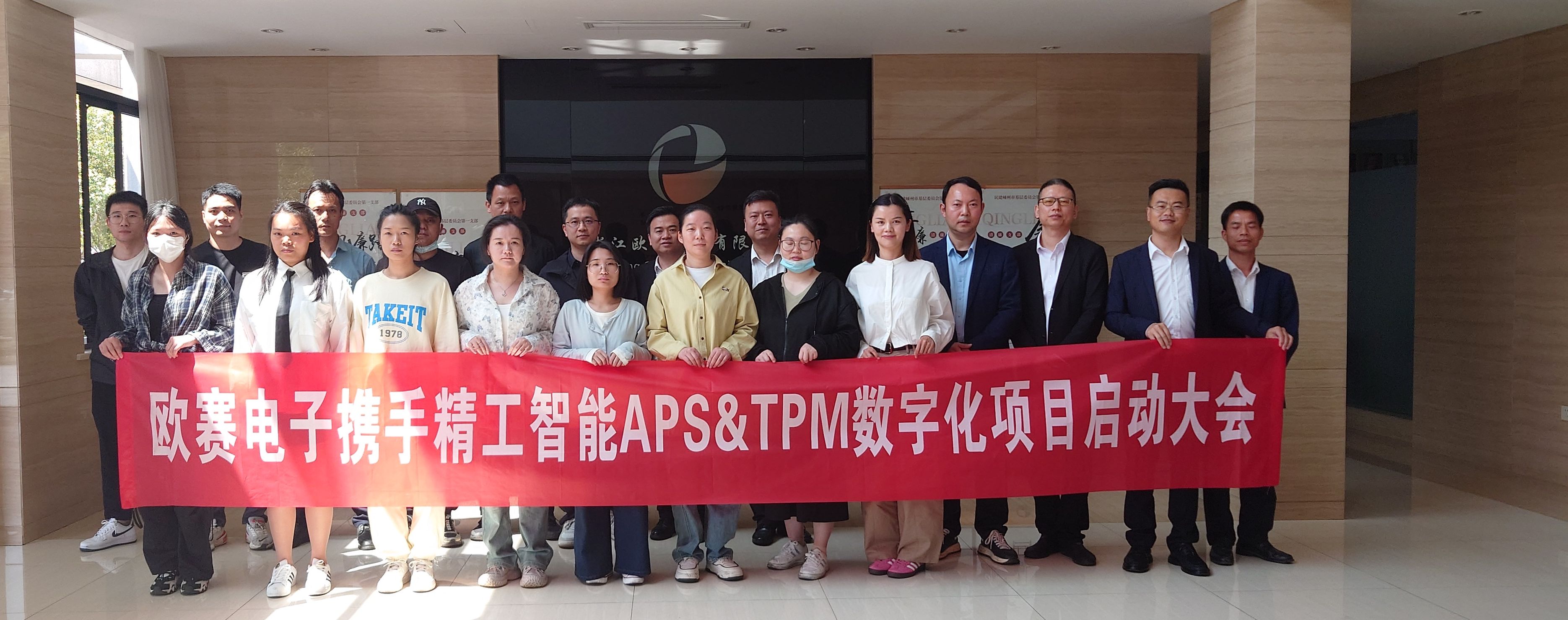
欧赛电子数字化项目
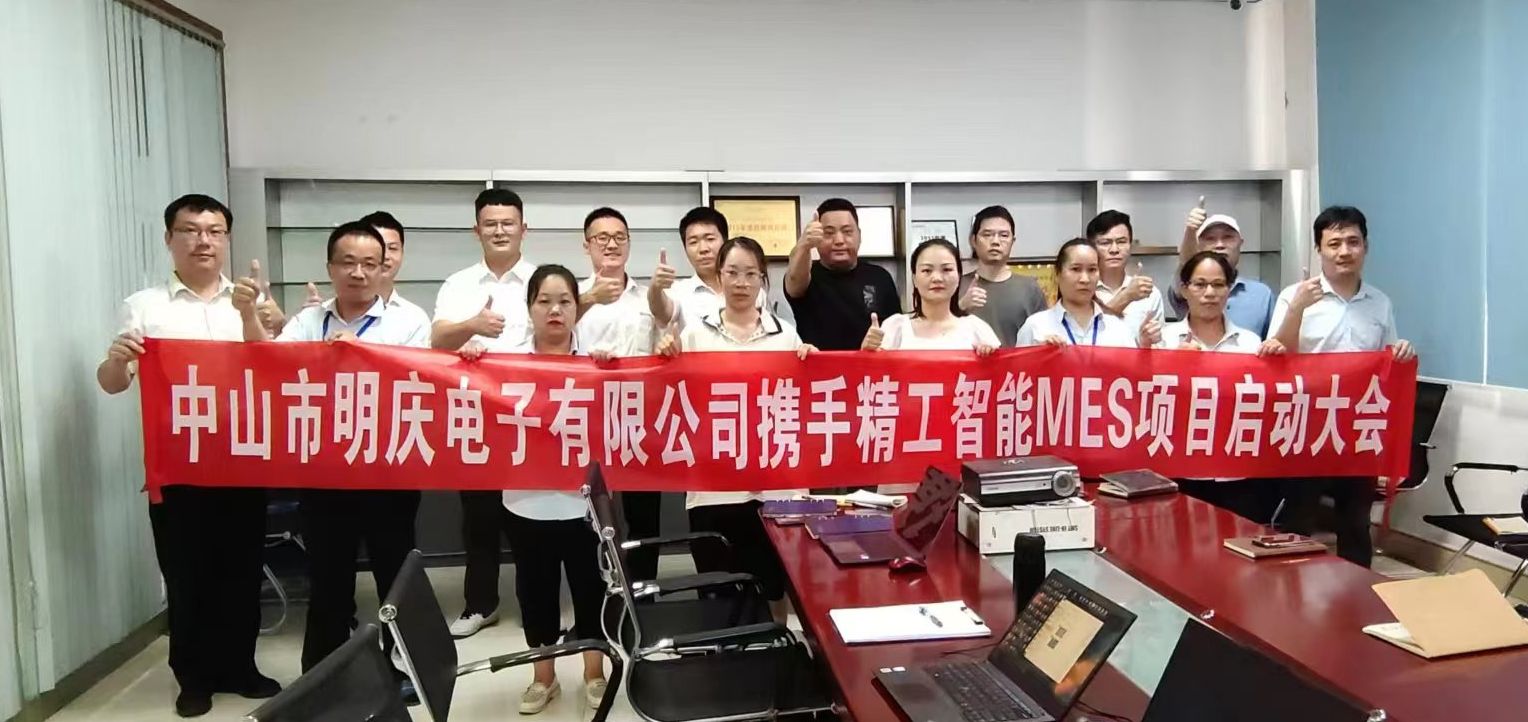
明庆电子MES项目
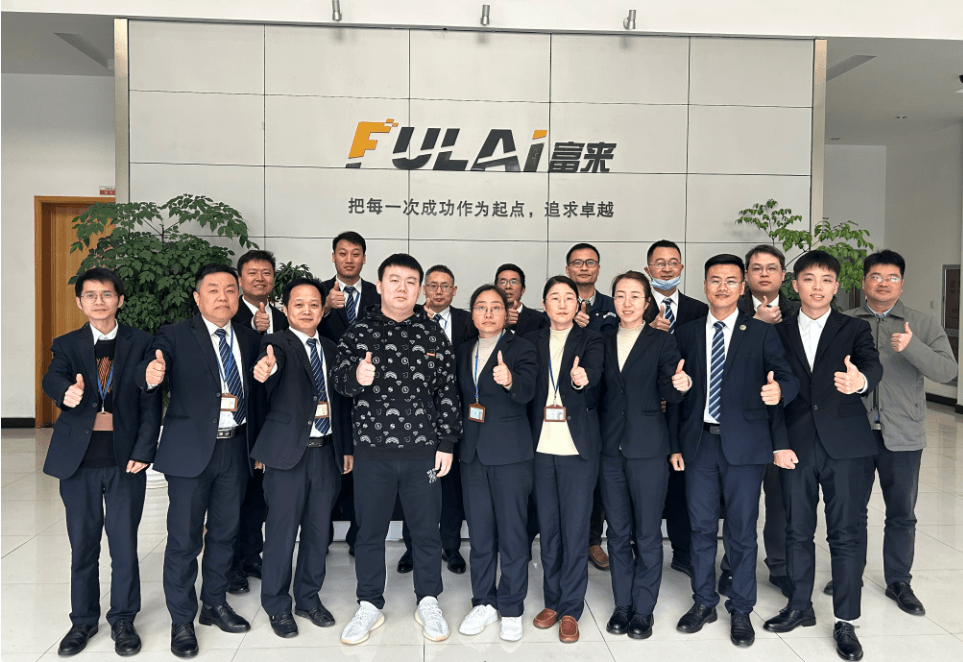
富来电子MES&WMS&APS项目
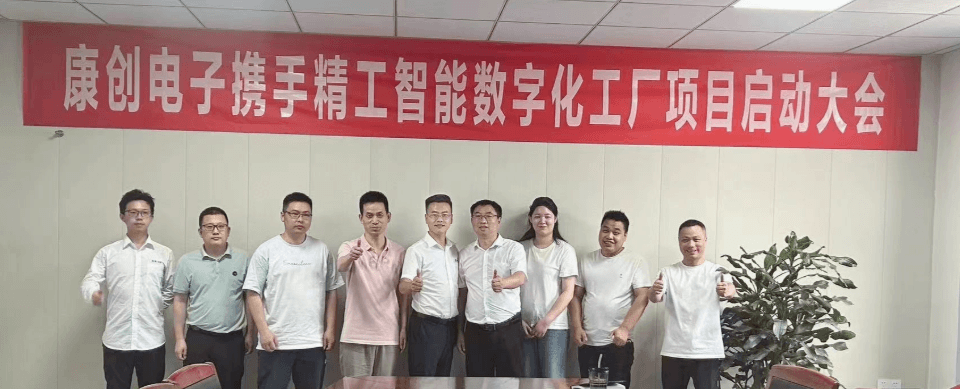
康创电子数字化项目
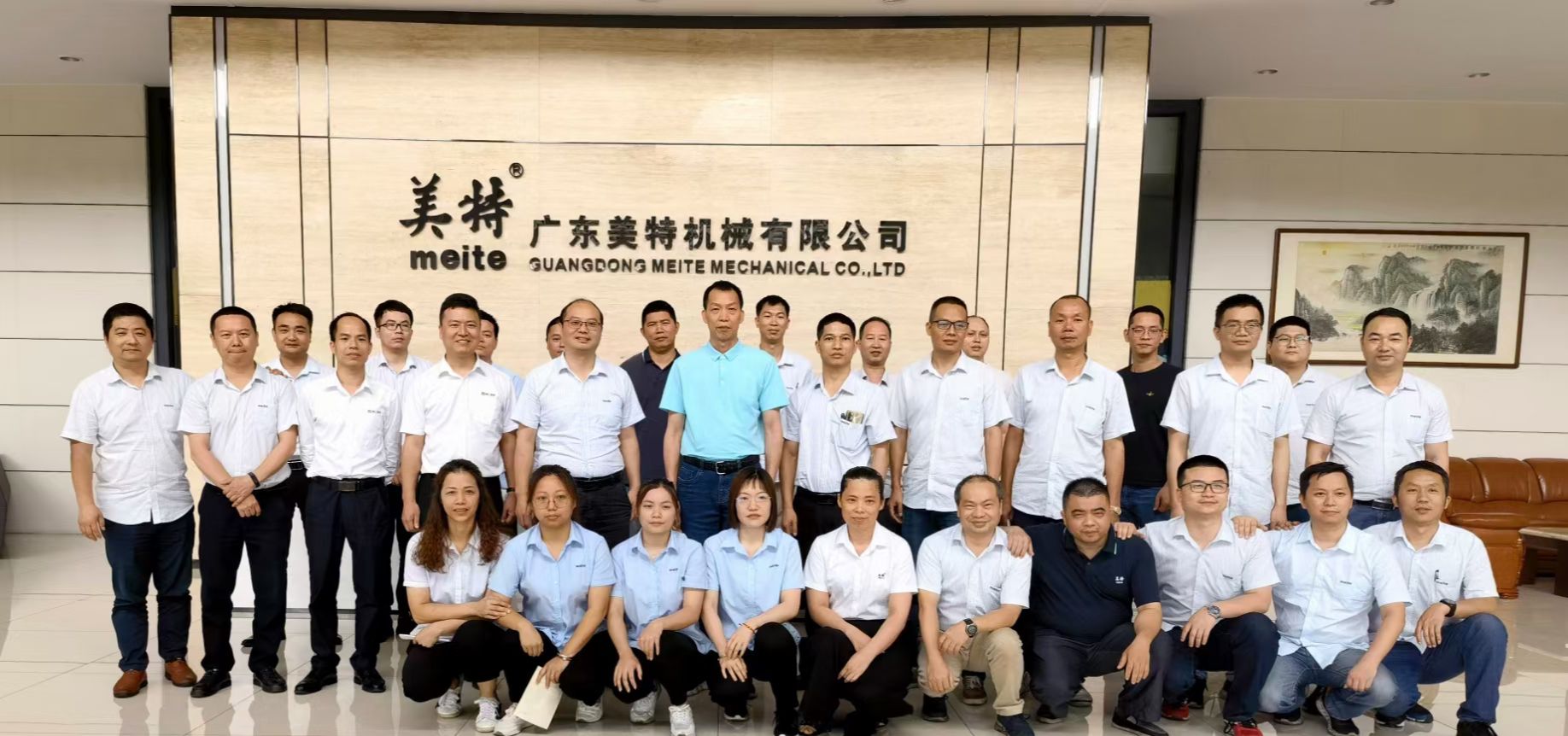
美特APS项目
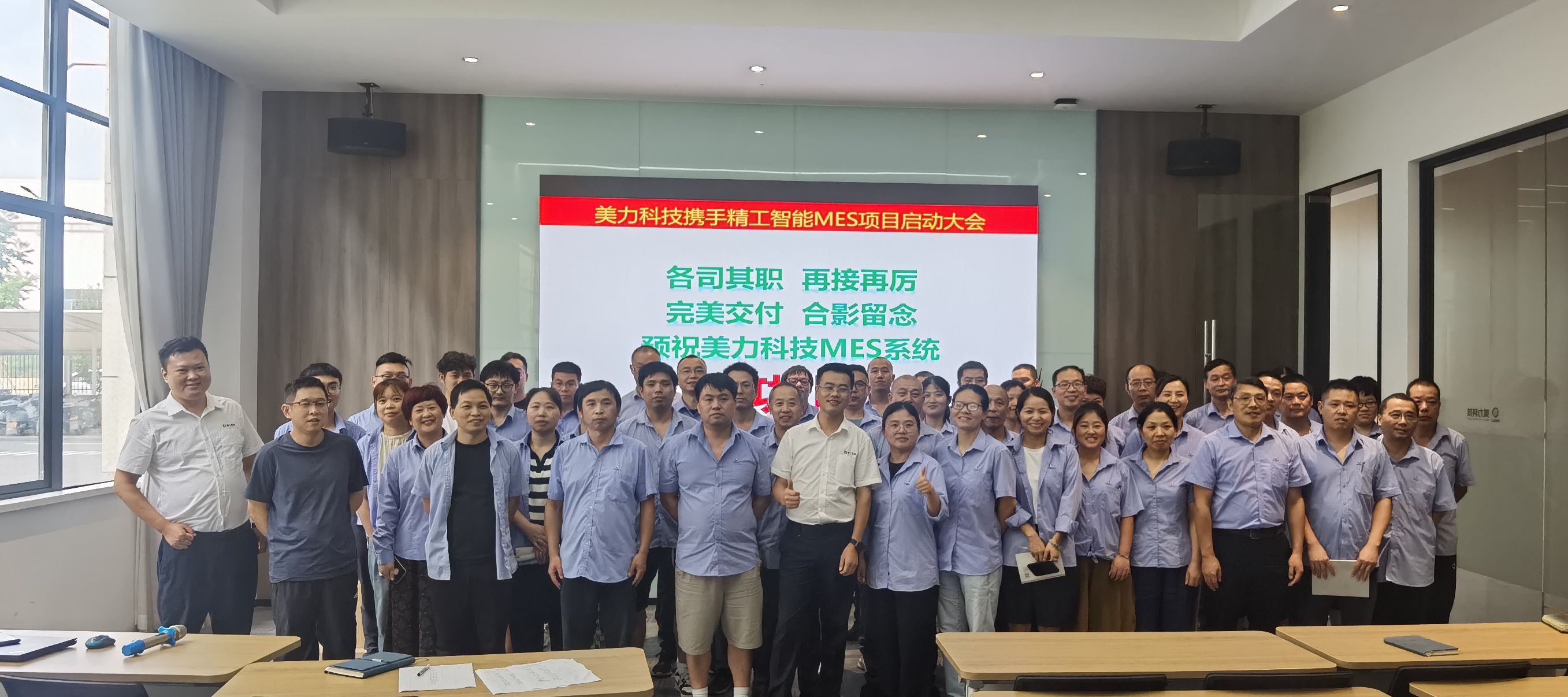
美力弹簧MES项目
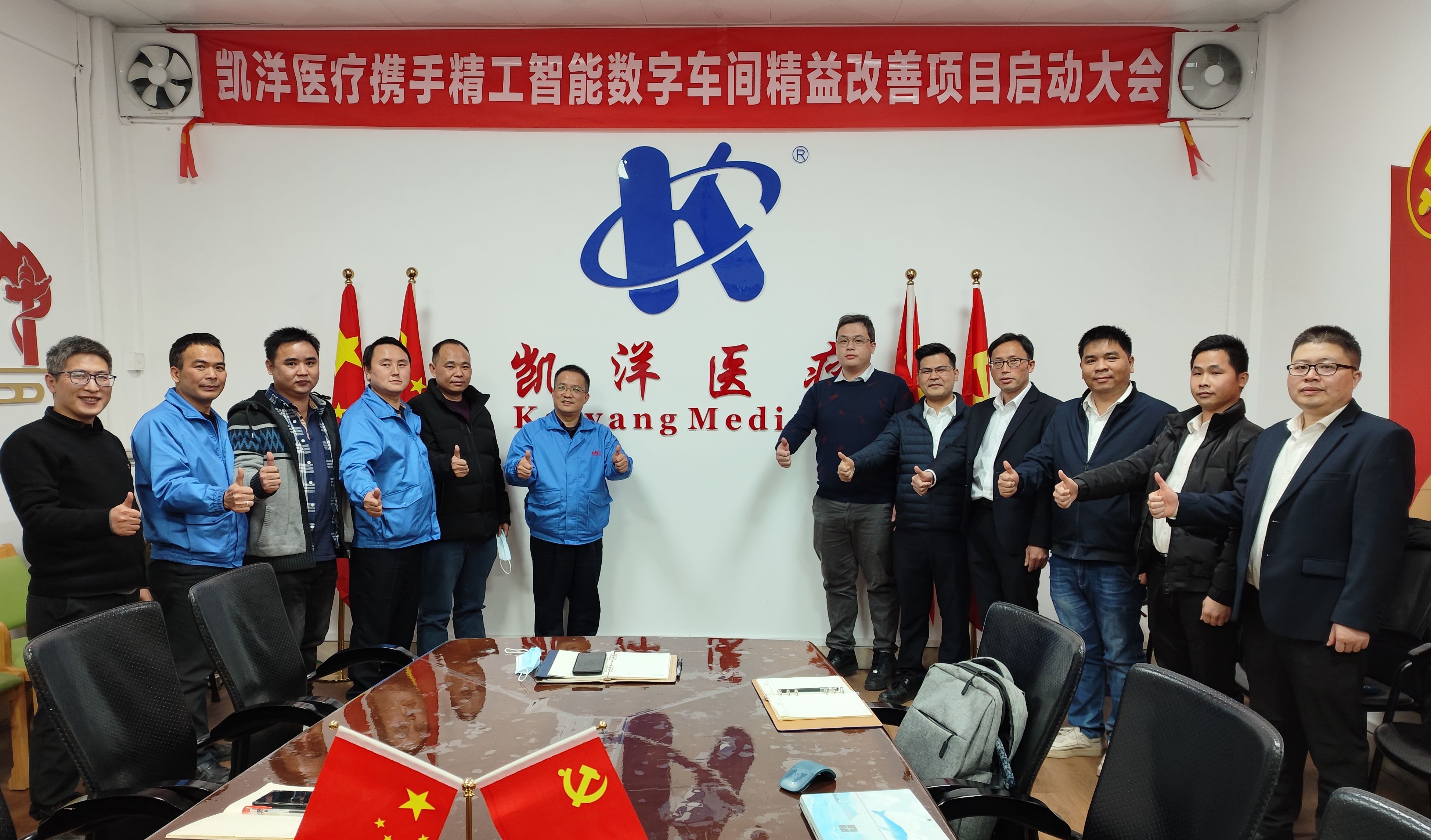
凯洋医疗数字化项目
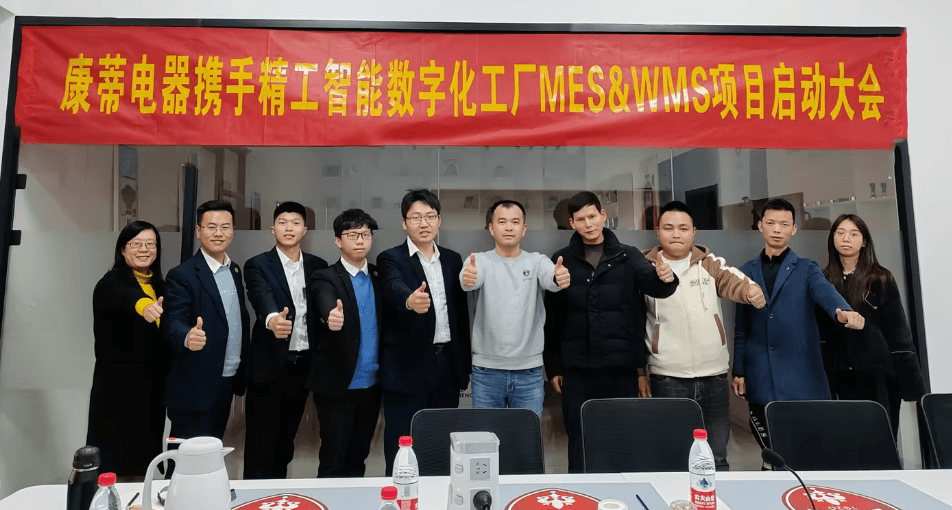
康蒂WMS&MES项目
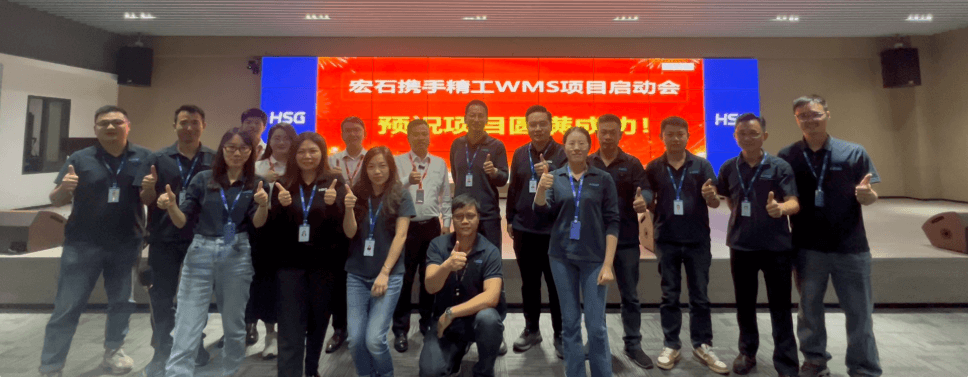
宏石WMS项目
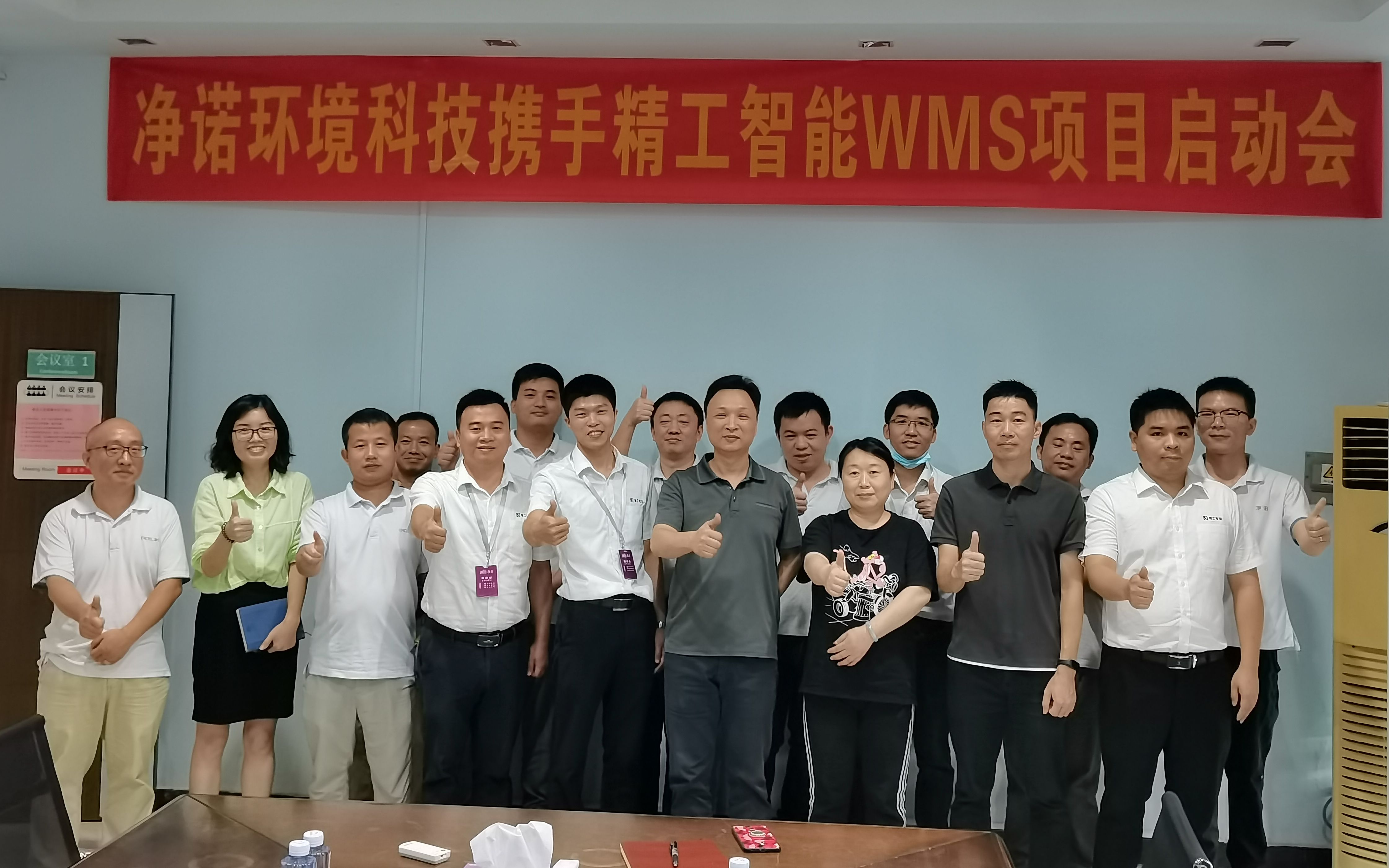
净诺环境WMS项目
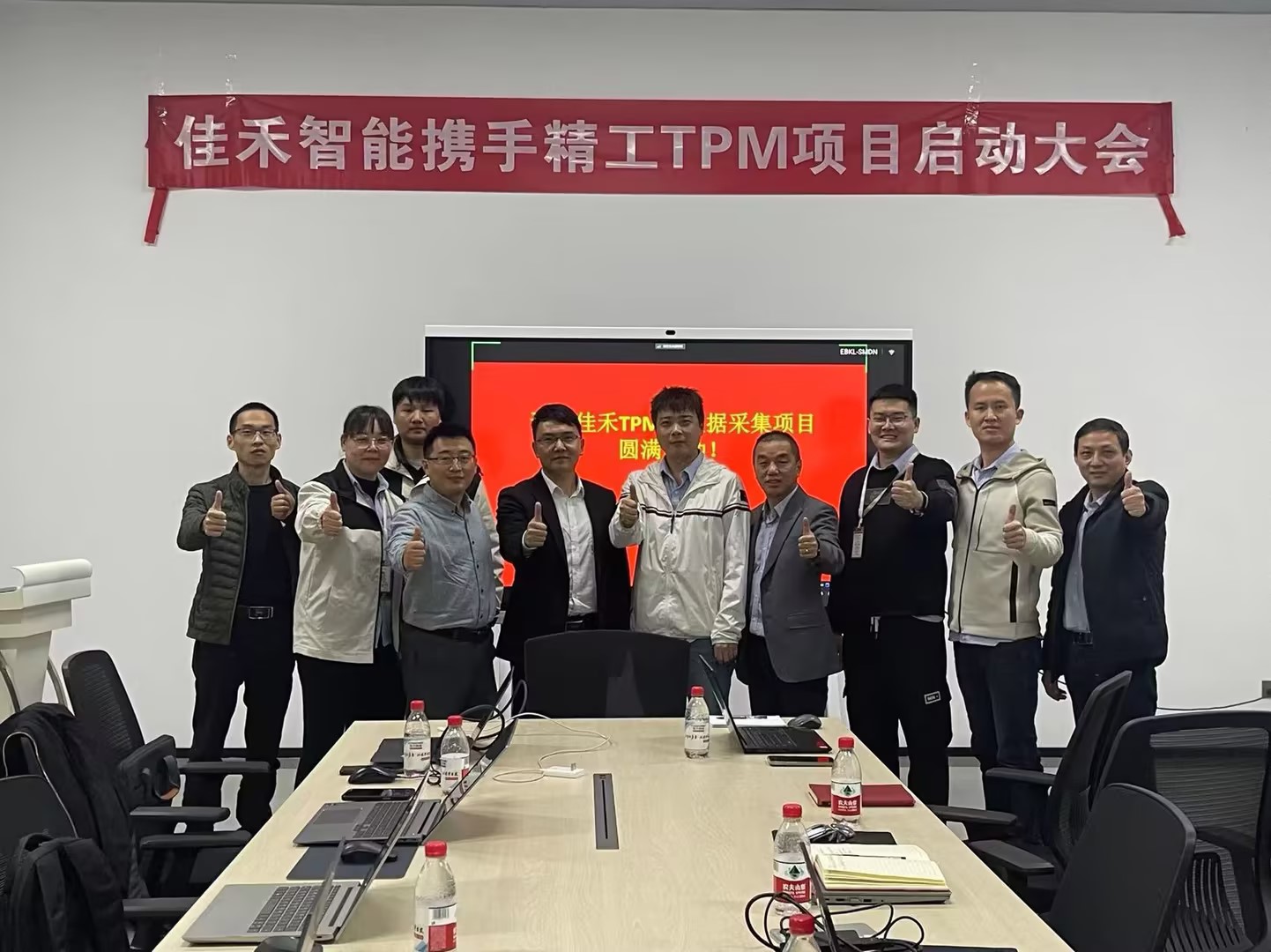
佳禾智能数字化项目
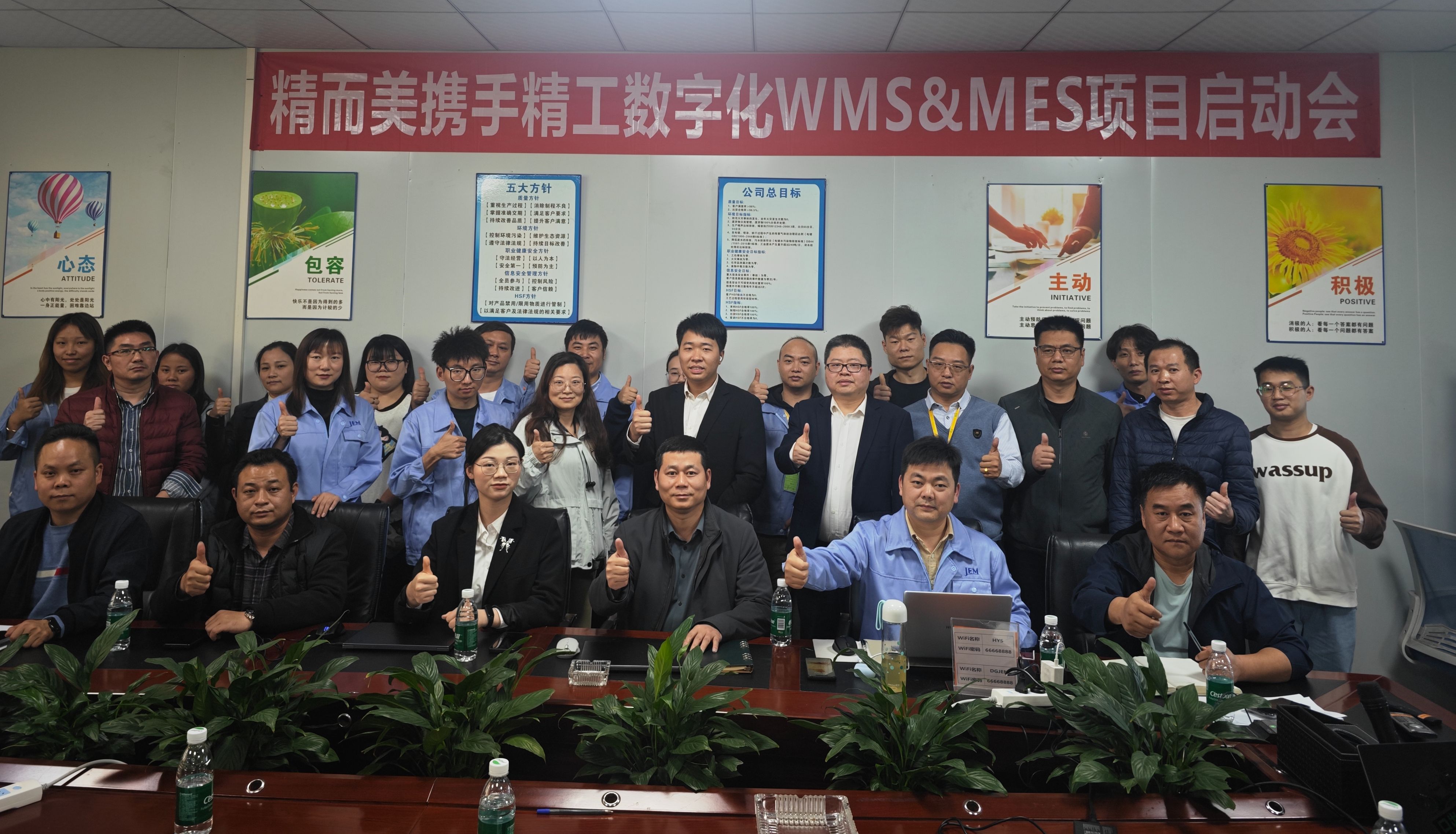
精而美WMS&MES项目
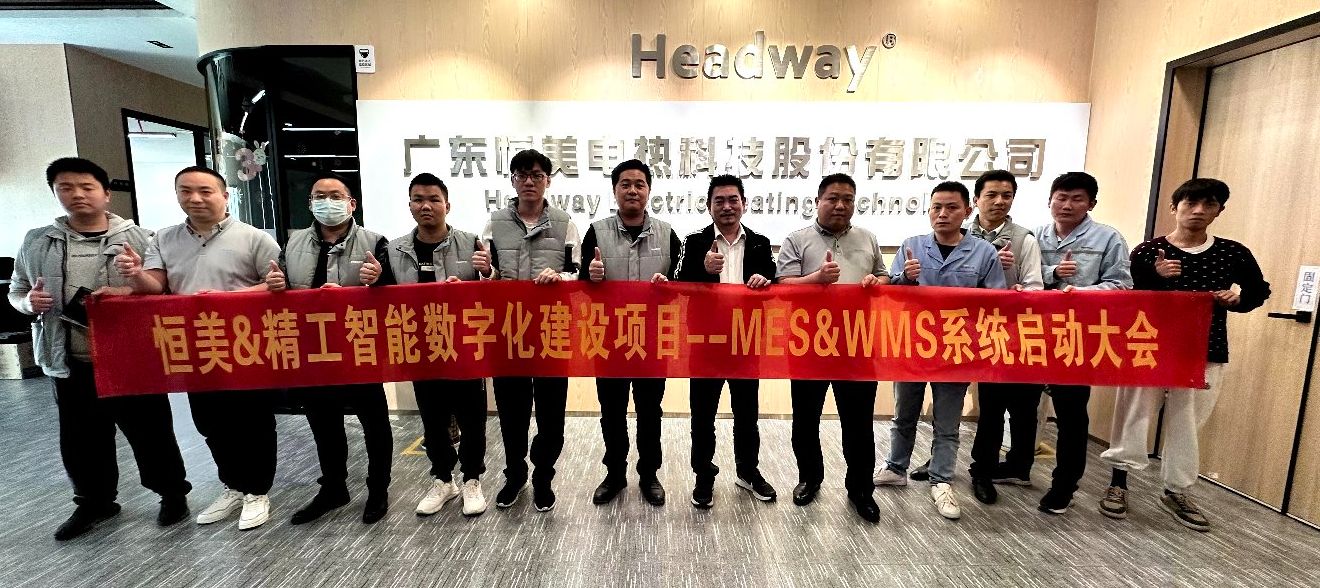
恒美WMS&MES项目
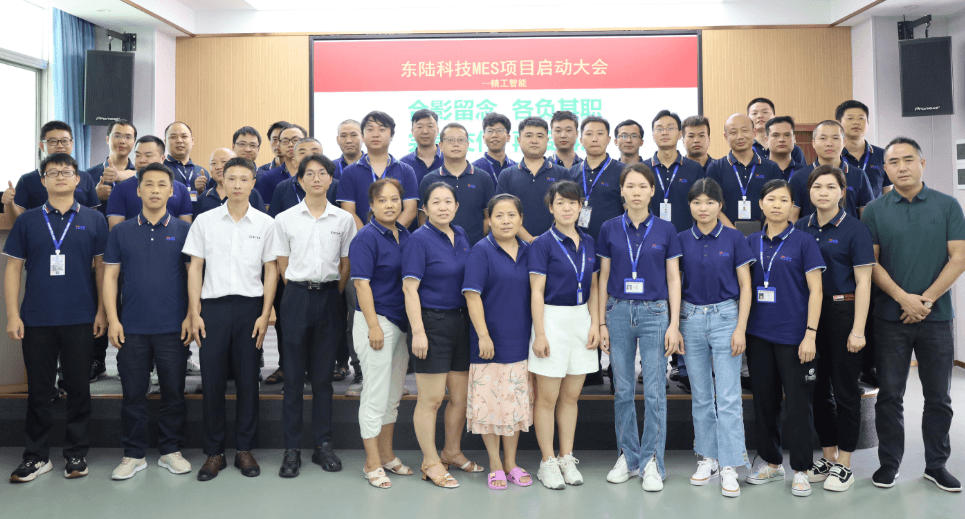
东陆科技MES项目
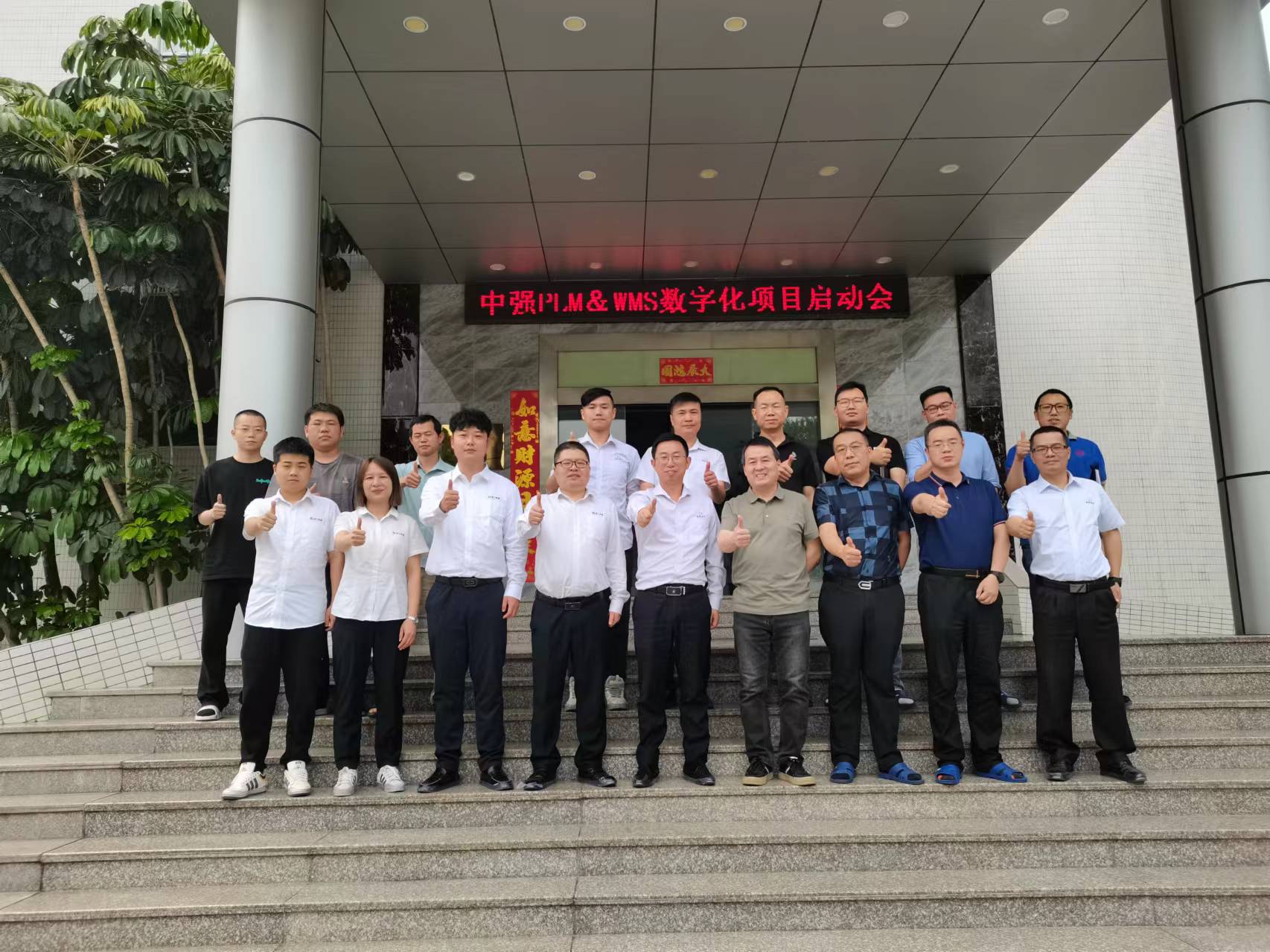
中强电子WMS项目
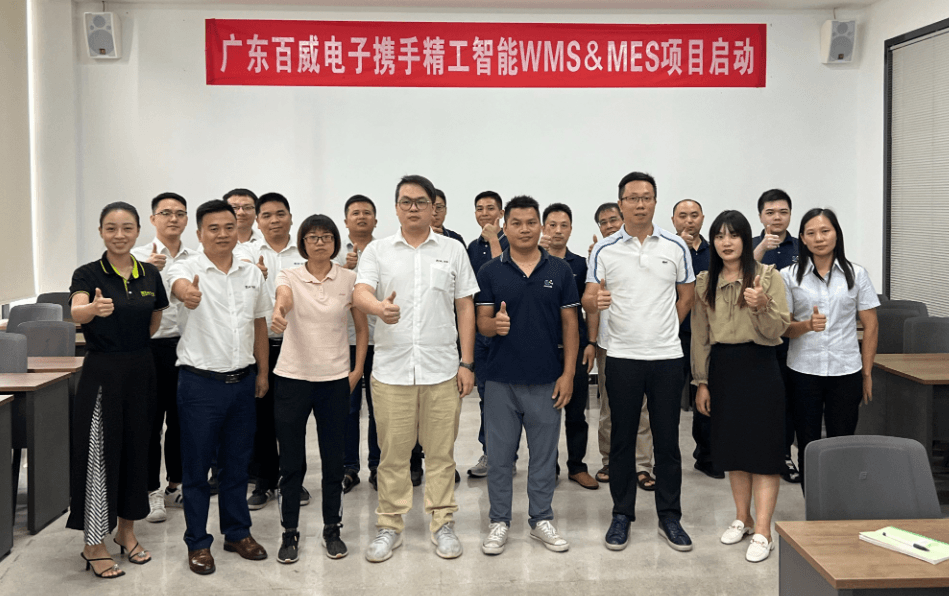
百威电子WMS&MES项目
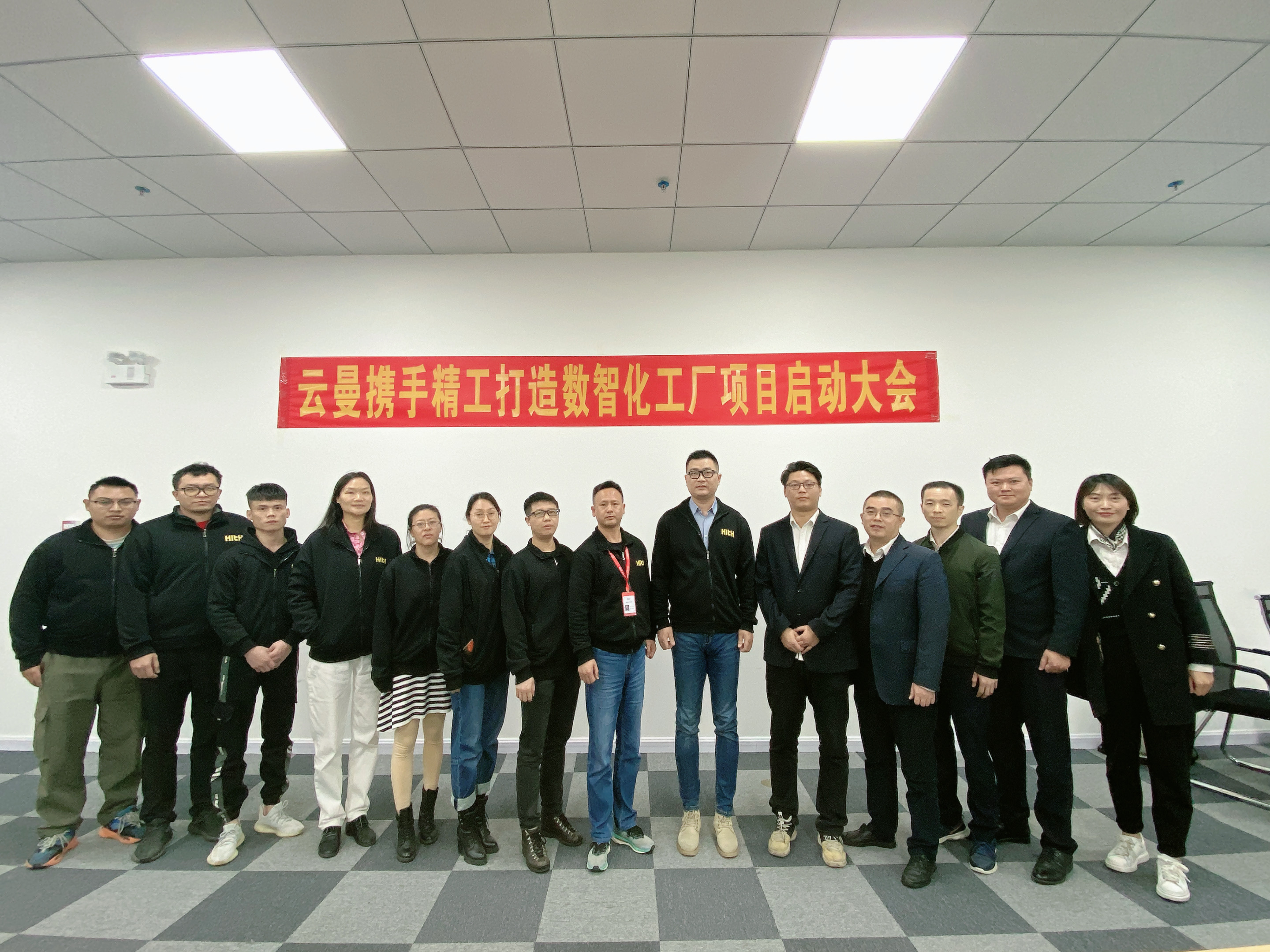
云曼数字化工厂项目
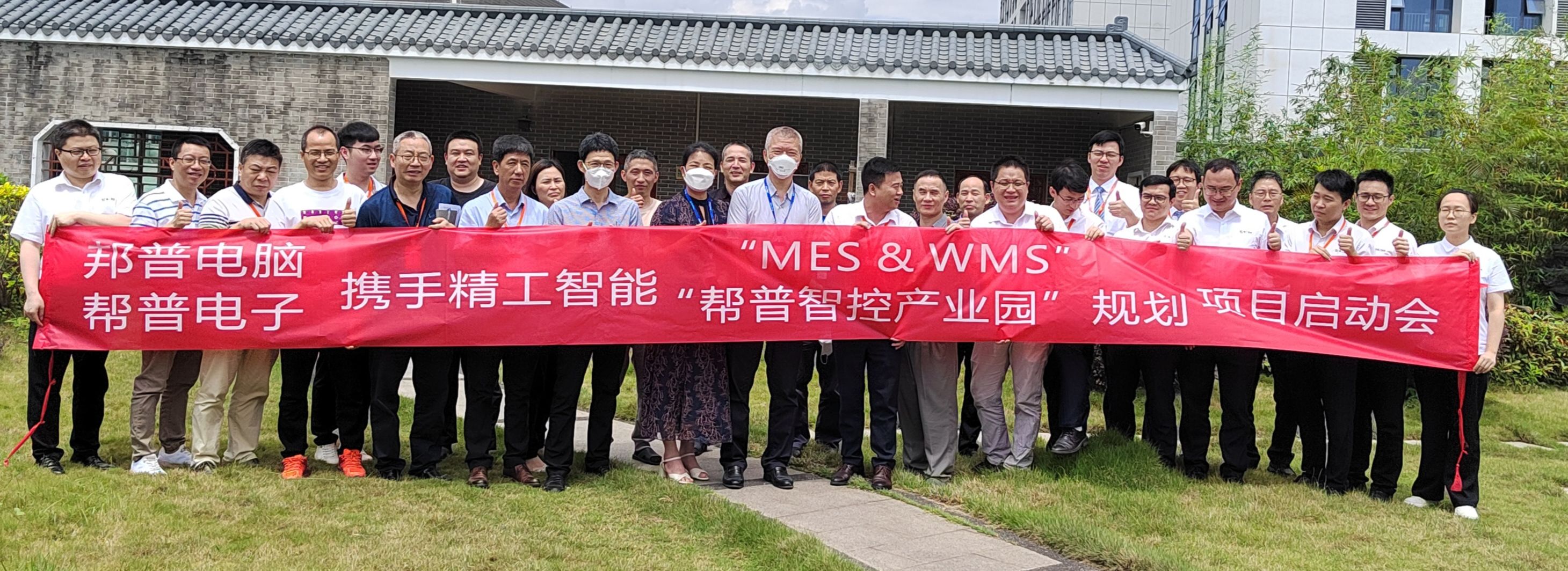
邦普电子WMS&MES项目
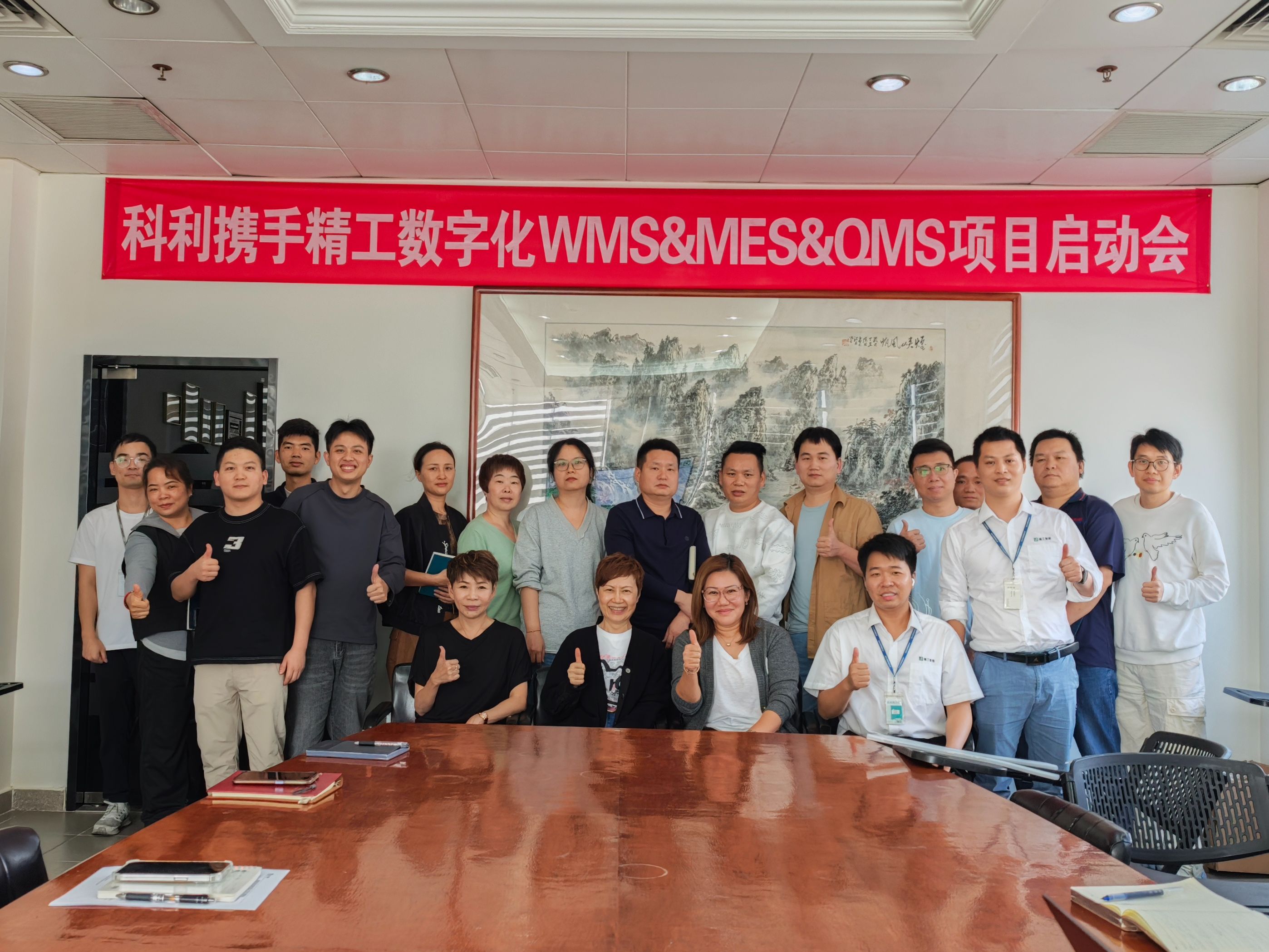
科利WMS&MES&QMS项目
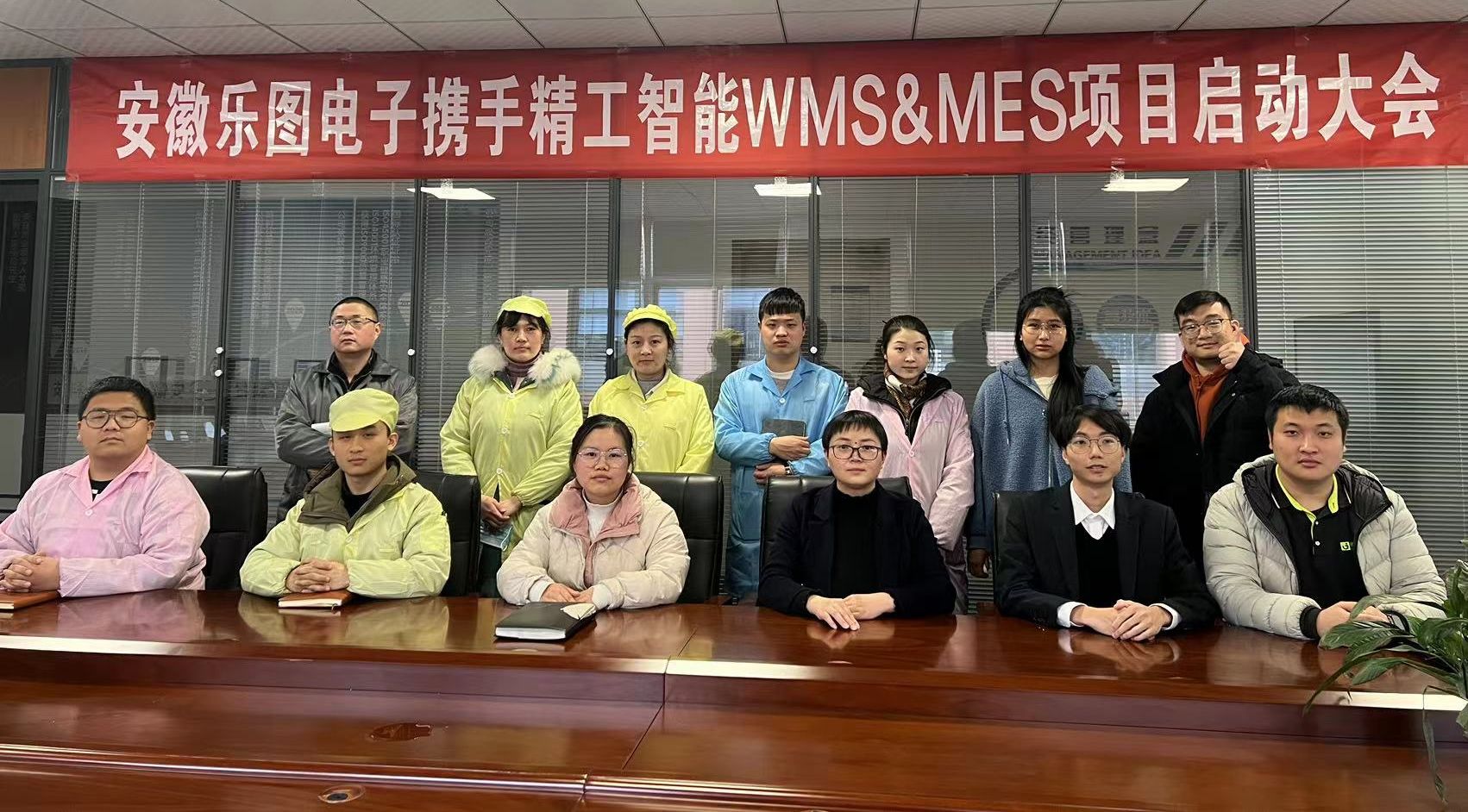
乐图电子WMS&MES项目
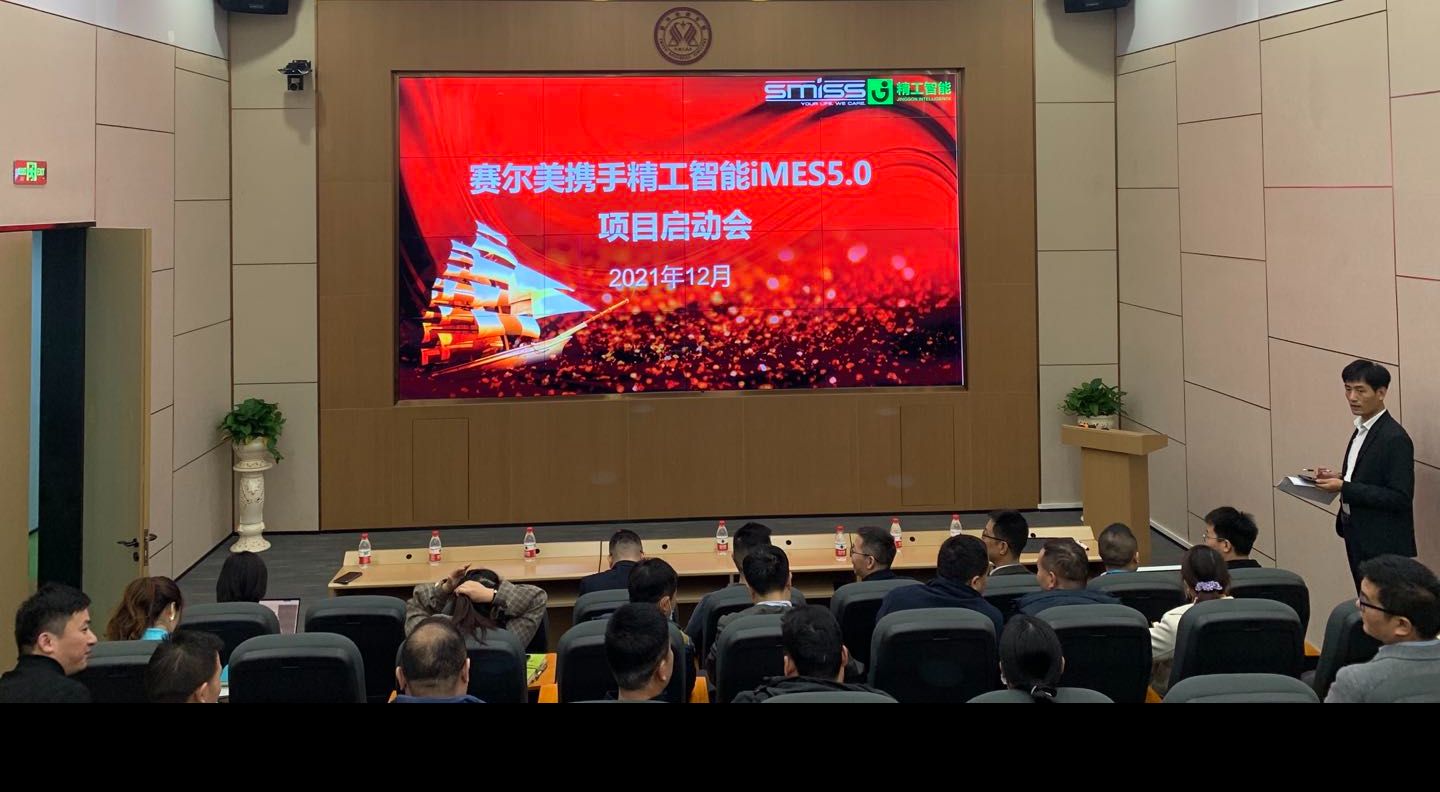
赛尔美MES项目
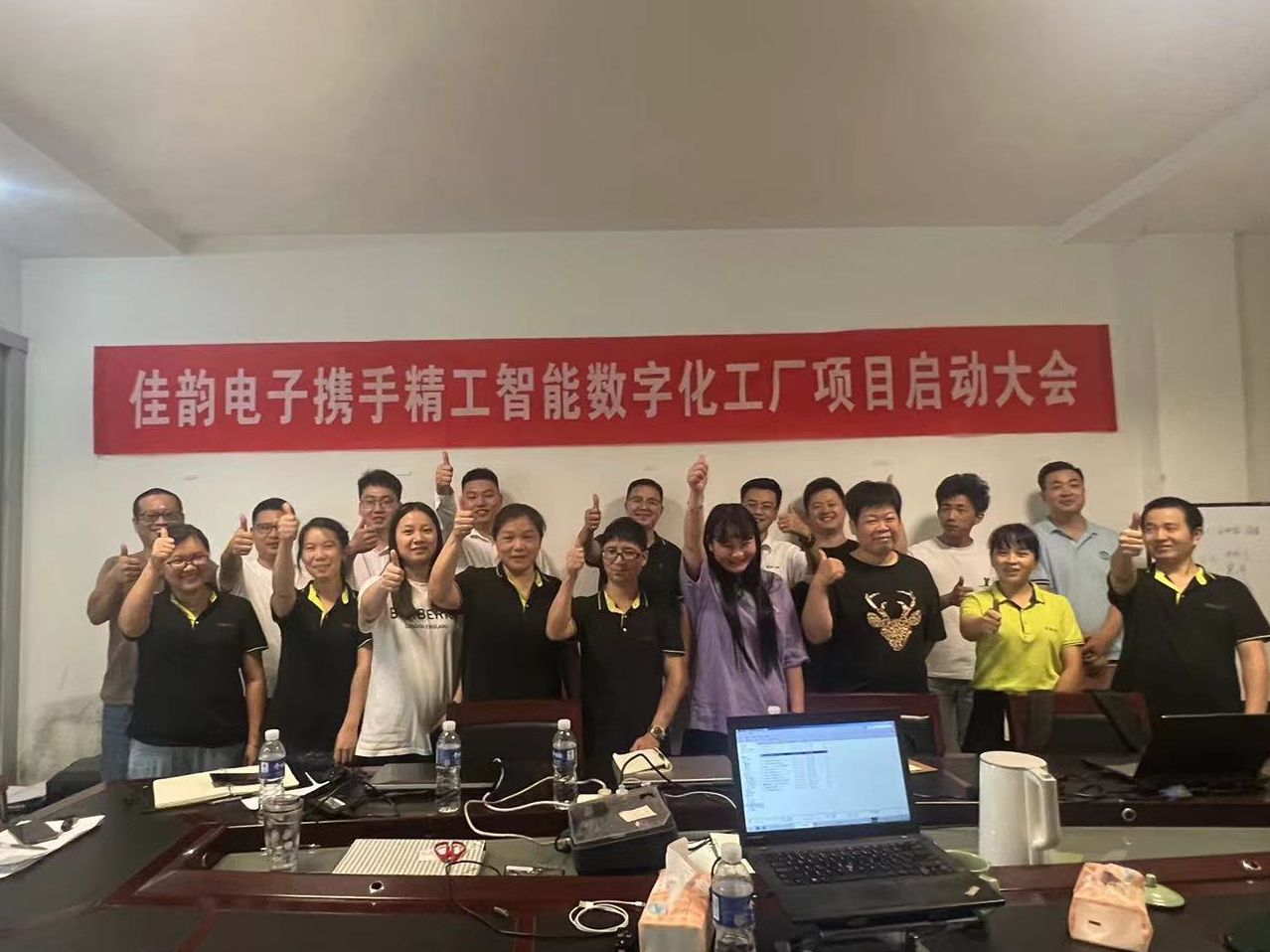
佳韵电子数字化项目

敬业集团MES项目

小熊电器WMS/MES项目

创维集团WMS/MES/APS项目

熠日照明WMS/MES/APS/SRM项目

北方光电WMS/MES项目

长视科技WMS/MES项目

瑞能集团WMS/SRM/APS项目

瑞德智能MES项目

易事特WMS/MES/QMS项目
诺必达WMS&MES项目

云聚MES项目

银三环SCM项目

尊特数码MES项目

英特科技WMS&MES项目

盈瑞丰WMS&MES项目

星原电子WMS&MES项目

康创电子WMS/MES项目.

英飞同仁WMS/MES项目.

声凯乐器WMS项目

恒铭达WMS项目

伟邦钣金MES项目

伟经家居WMS&MES项目

净诺环境WMS项目

广东帕尔福MES&WMS&APS项目

赛而美MES项目

瀚邦为MES项目
欧赛电子数字化项目

明庆电子MES项目

富来电子MES&WMS&APS项目

康创电子数字化项目

美特APS项目

美力弹簧MES项目

凯洋医疗数字化项目

康蒂WMS&MES项目

宏石WMS项目

净诺环境WMS项目

佳禾智能数字化项目

精而美WMS&MES项目

恒美WMS&MES项目

东陆科技MES项目

中强电子WMS项目

百威电子WMS&MES项目

云曼数字化工厂项目

邦普电子WMS&MES项目

科利WMS&MES&QMS项目

乐图电子WMS&MES项目

赛尔美MES项目

佳韵电子数字化项目
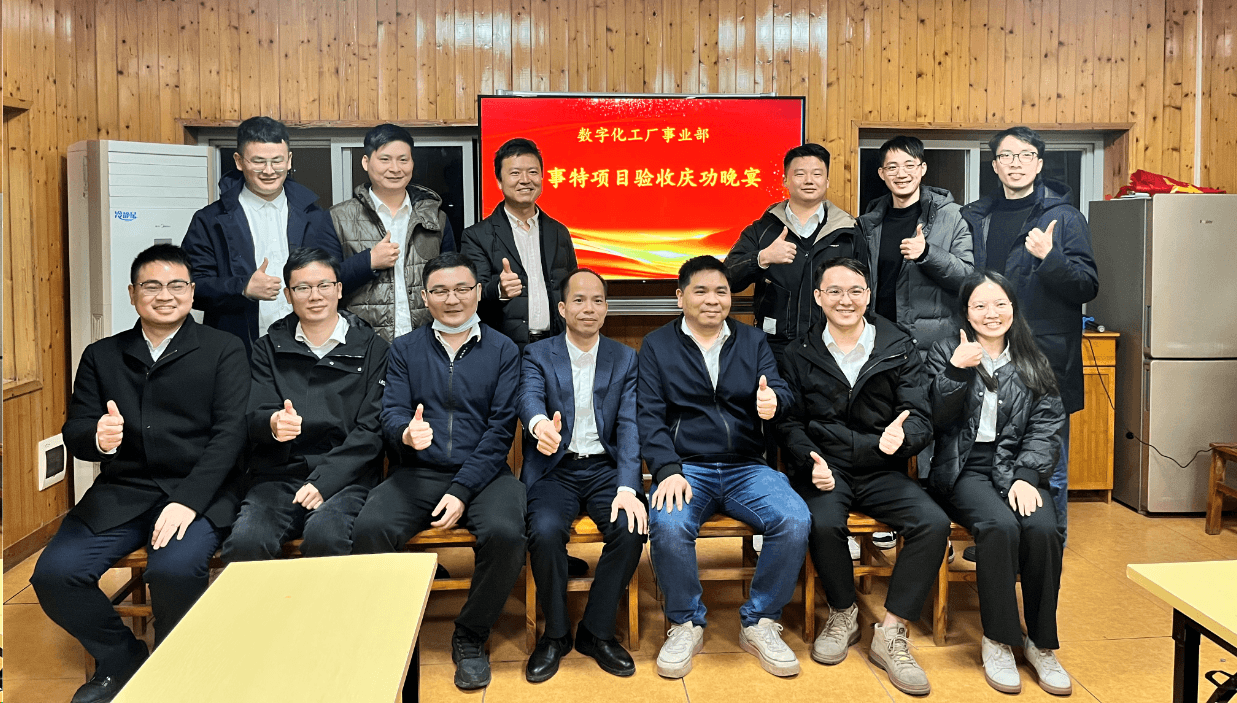
Project Acceptance Meeting

【易事特】项目验收会

【易事特】项目验收
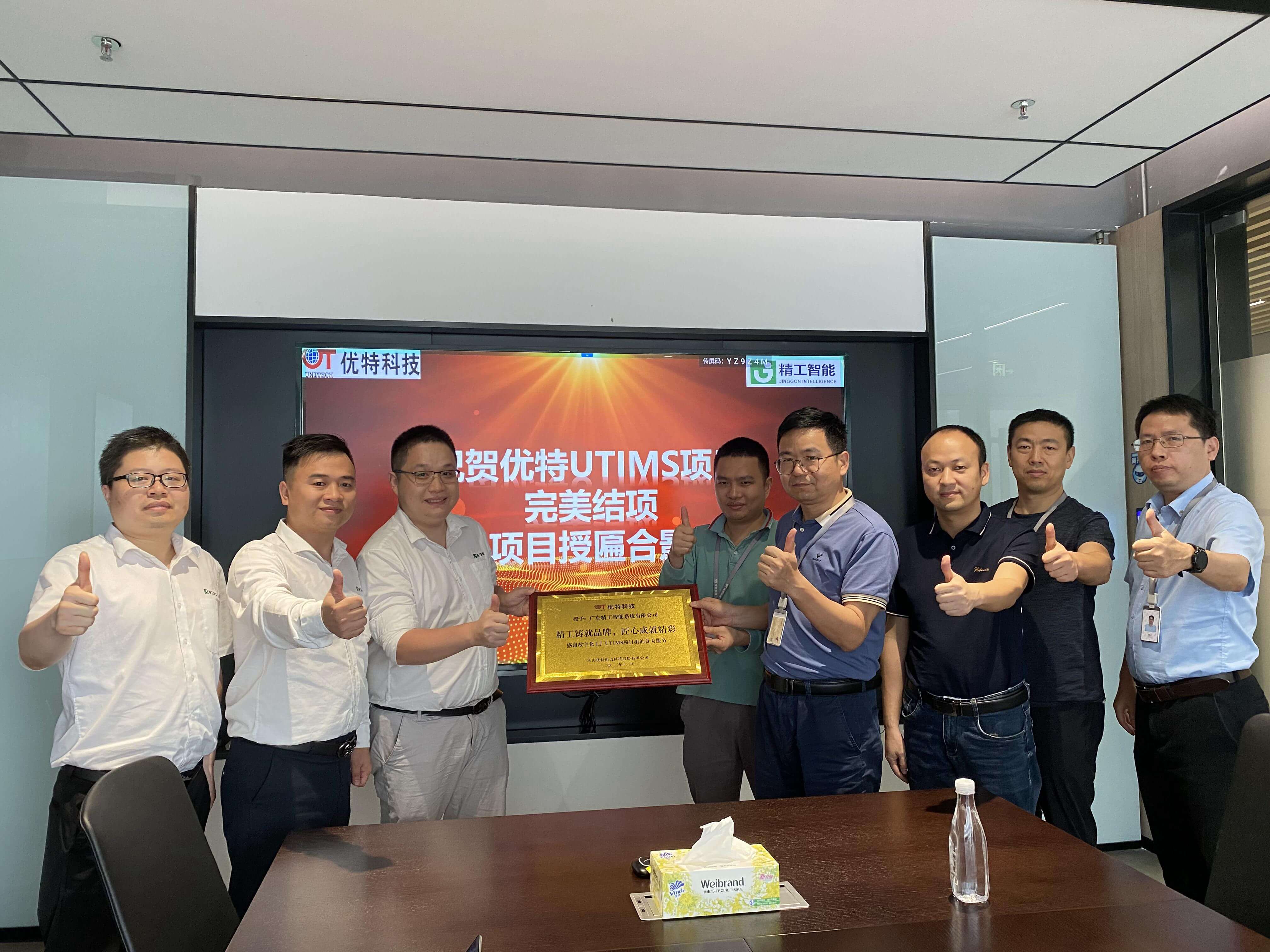
【优特科技】项目验收

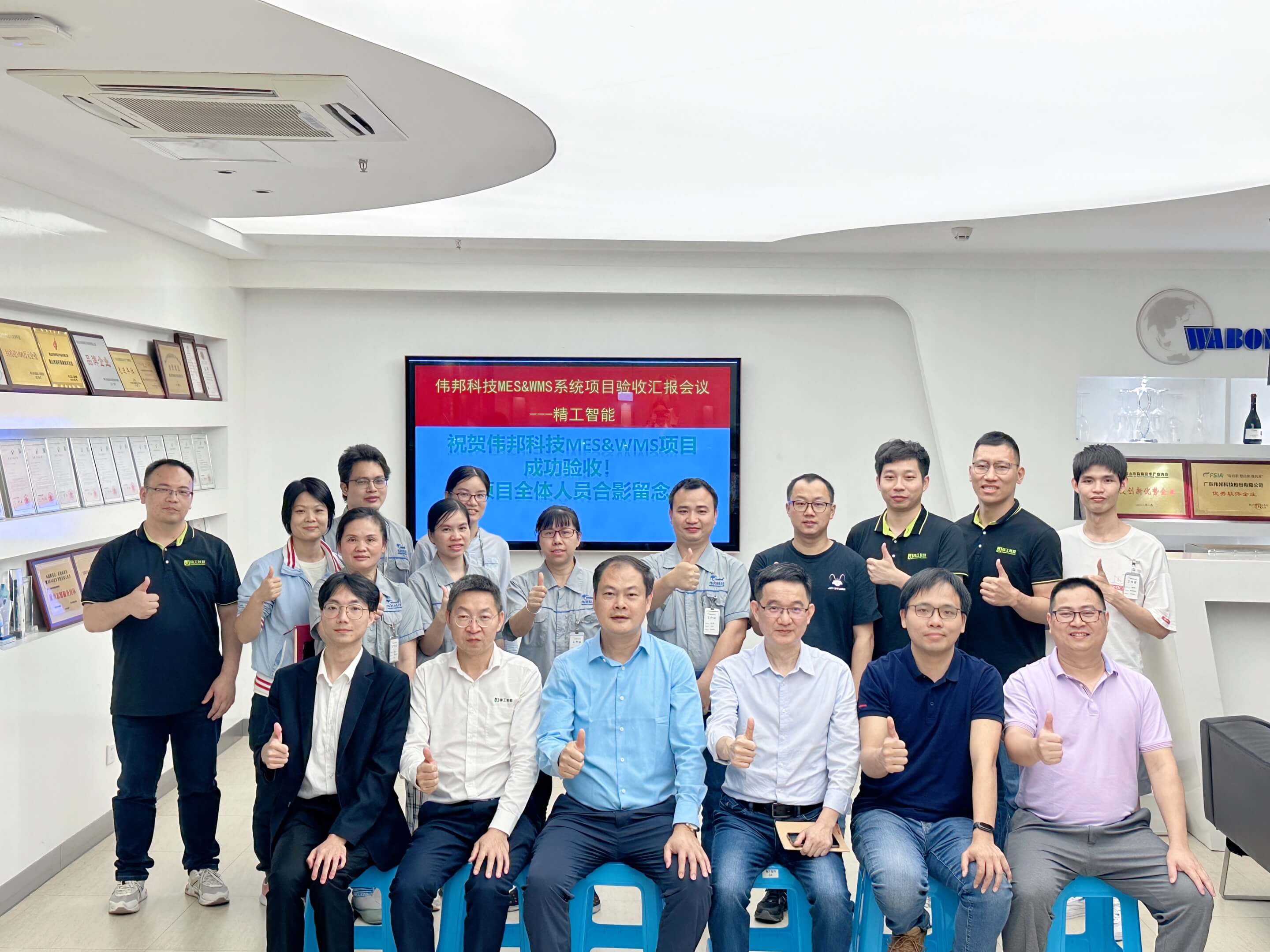
【伟邦科技】项目验收
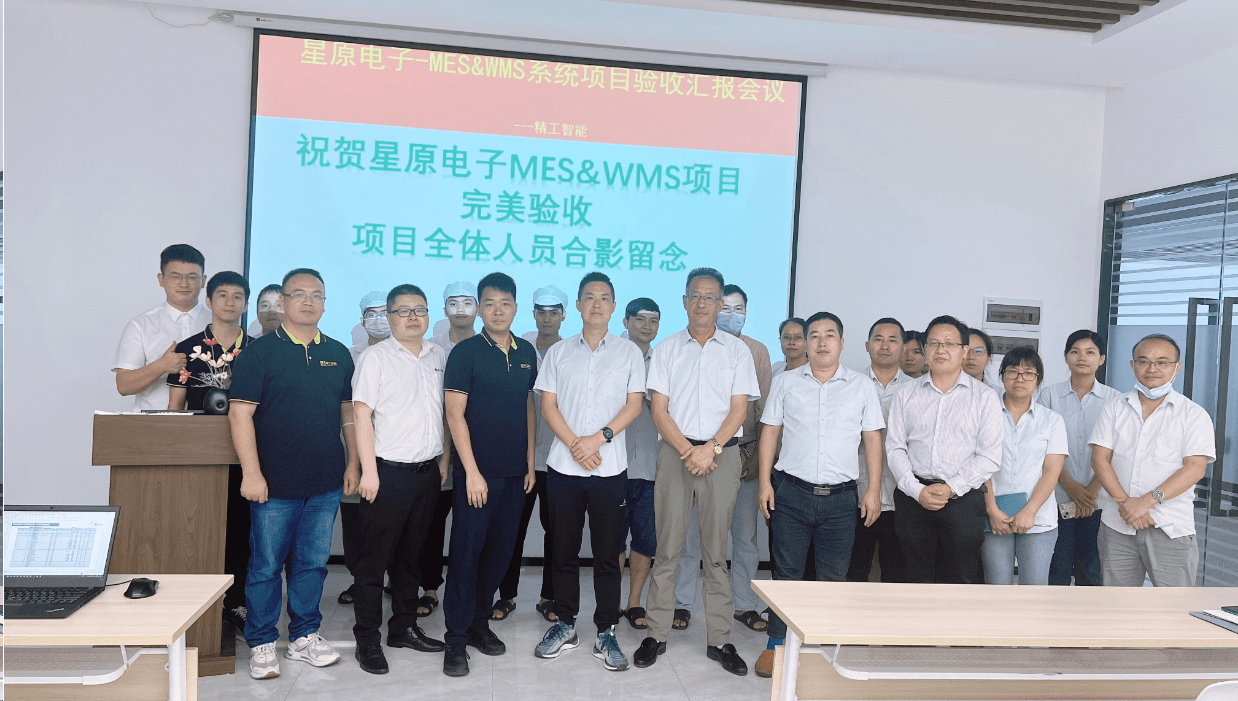
【星原电子】项目验收
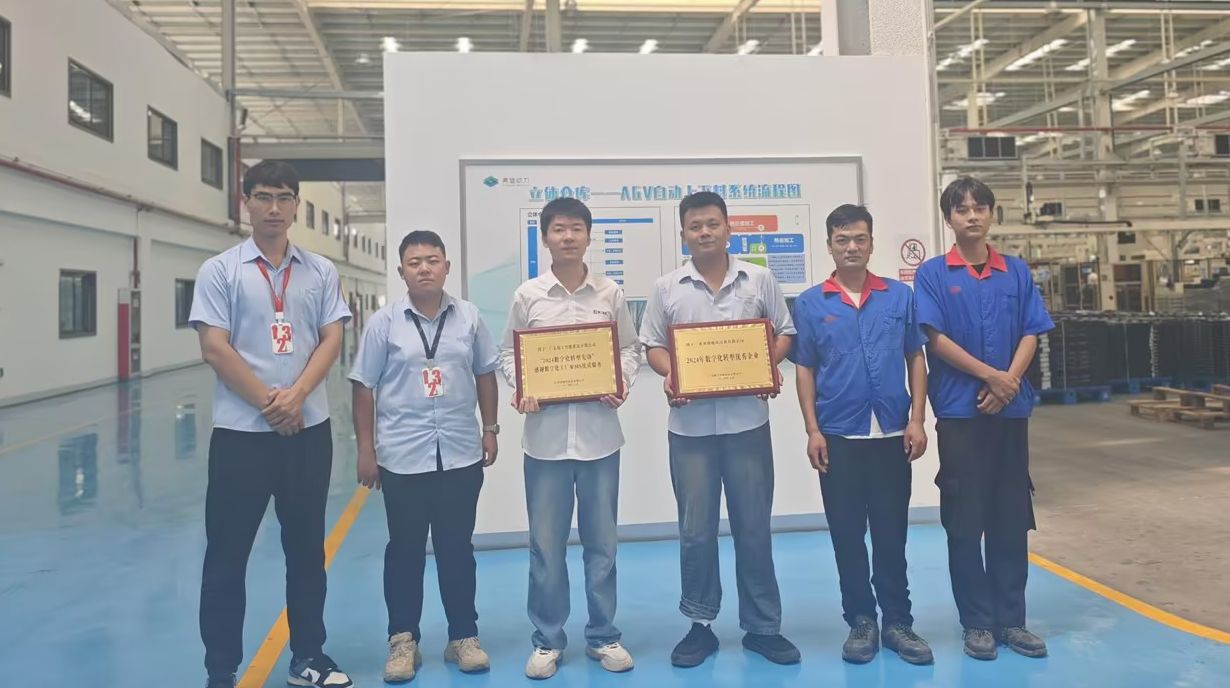
【比亚迪】项目验收
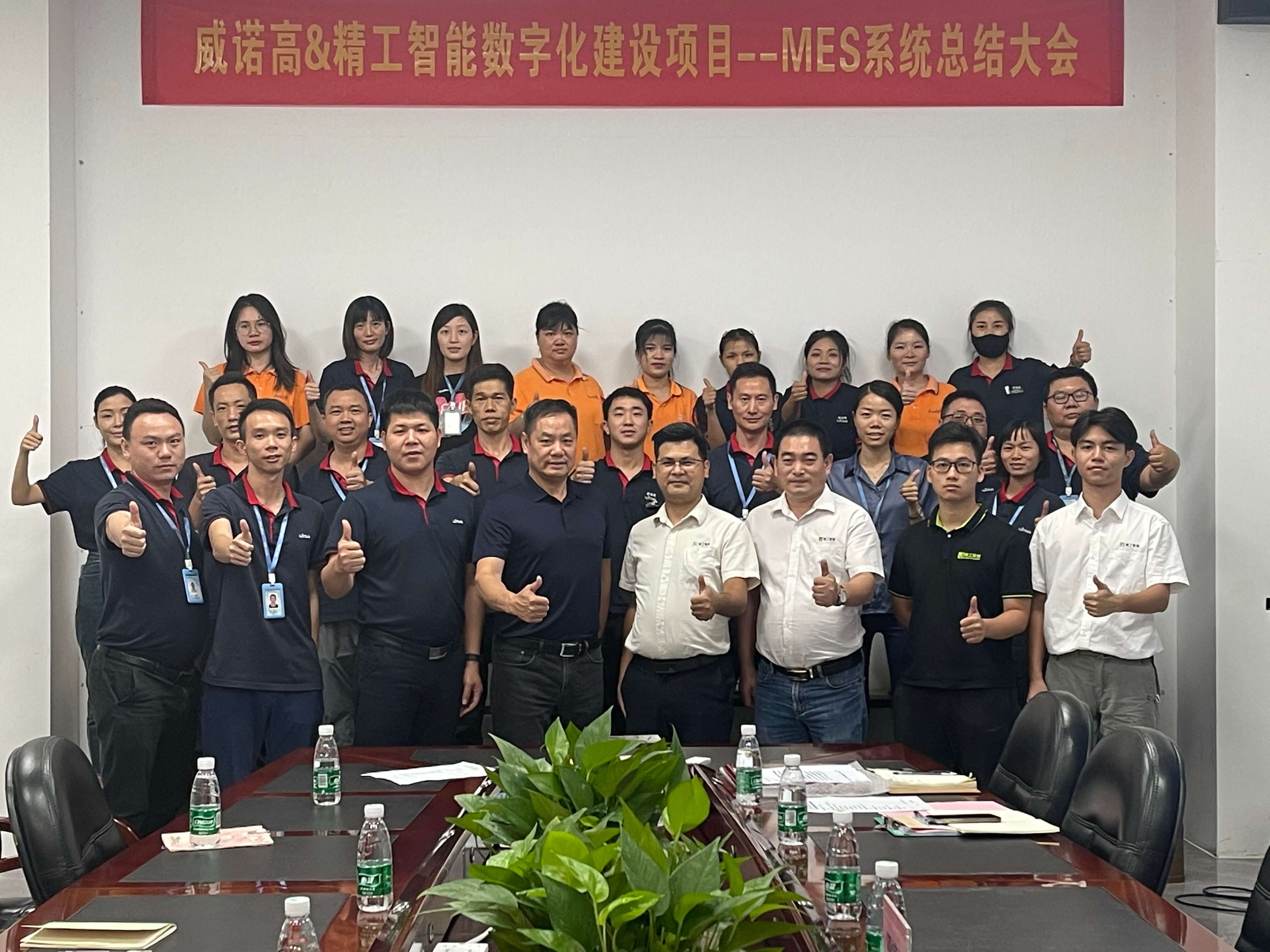
【威诺高】项目验收
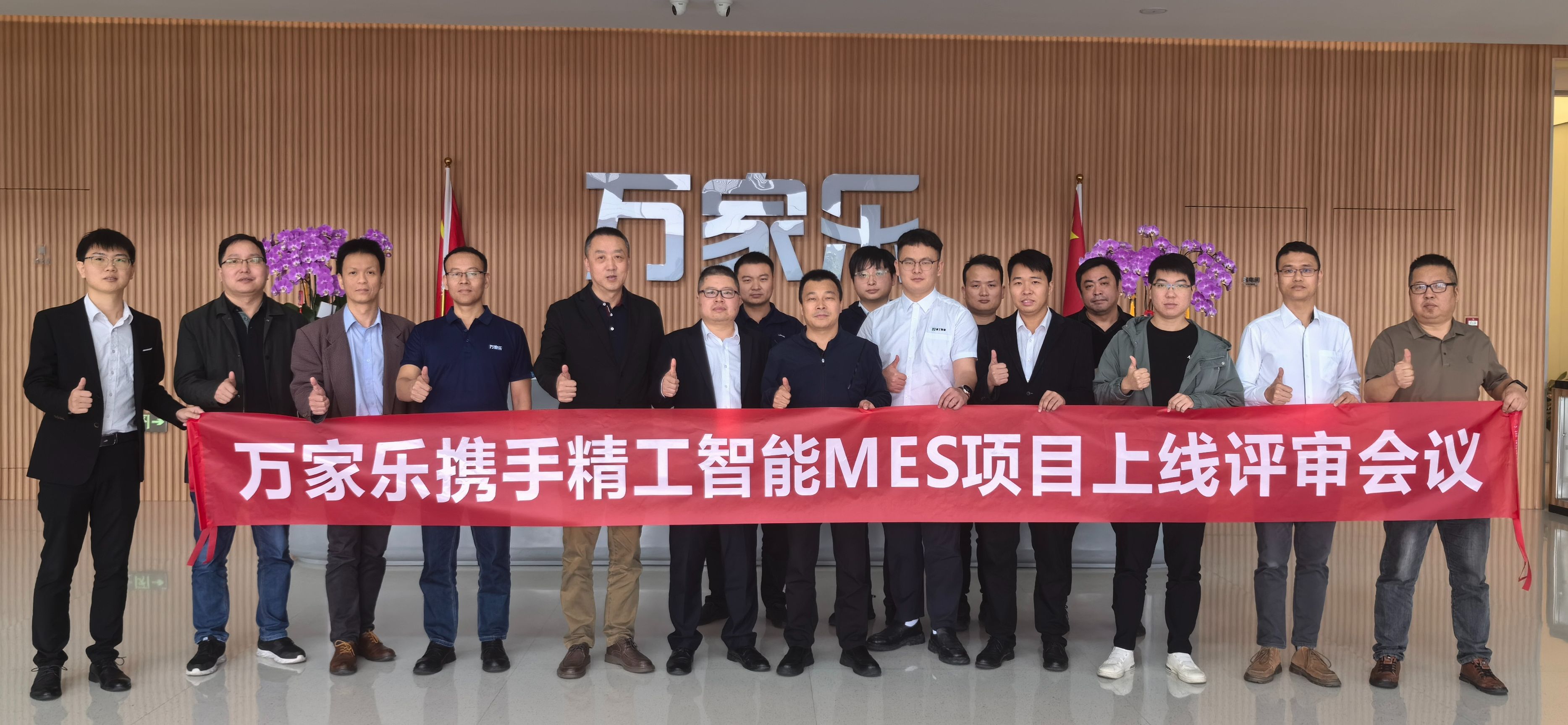
万家乐MES项目
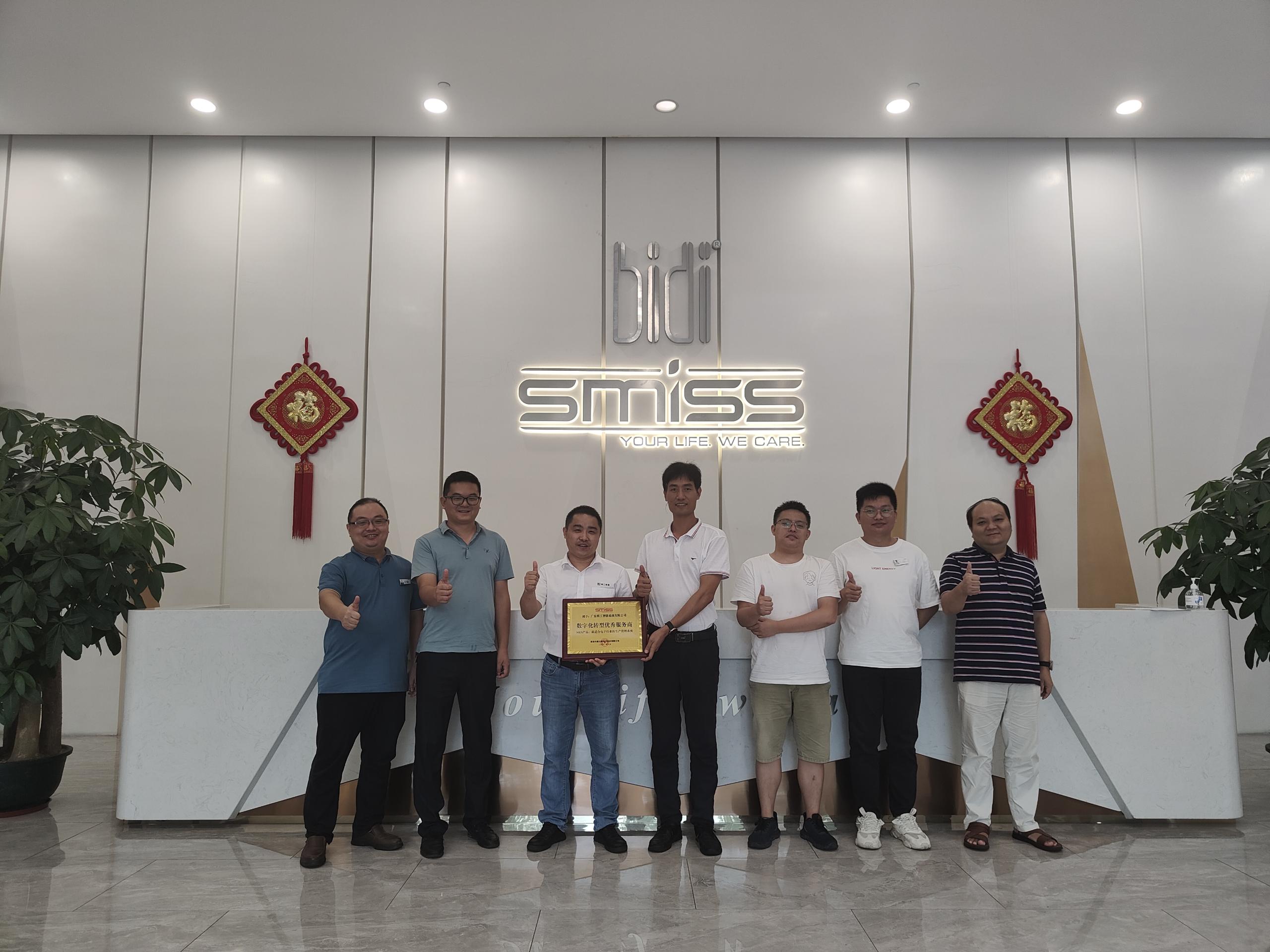
【赛尔美】项目验收
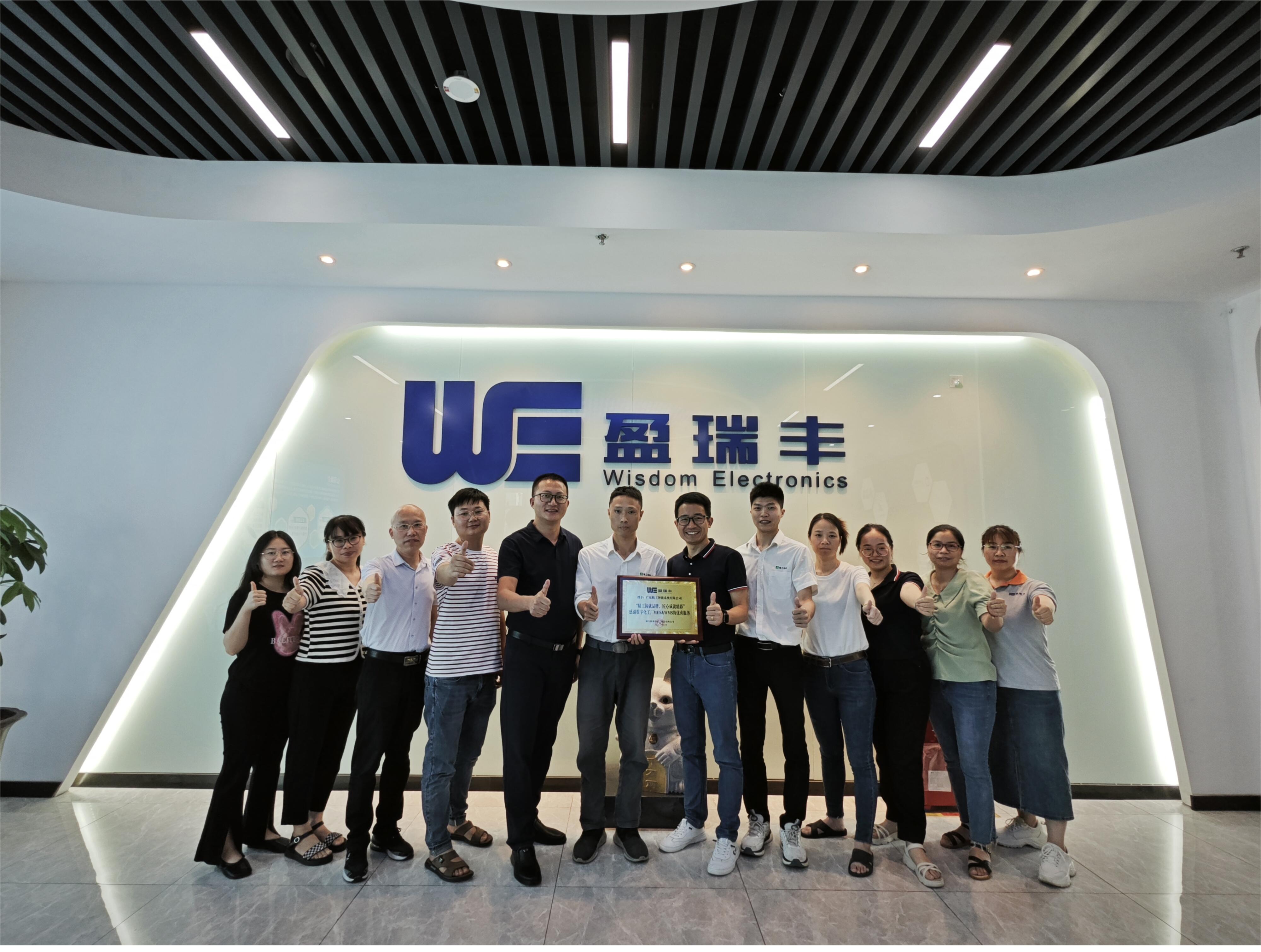
【盈瑞丰】项目验收
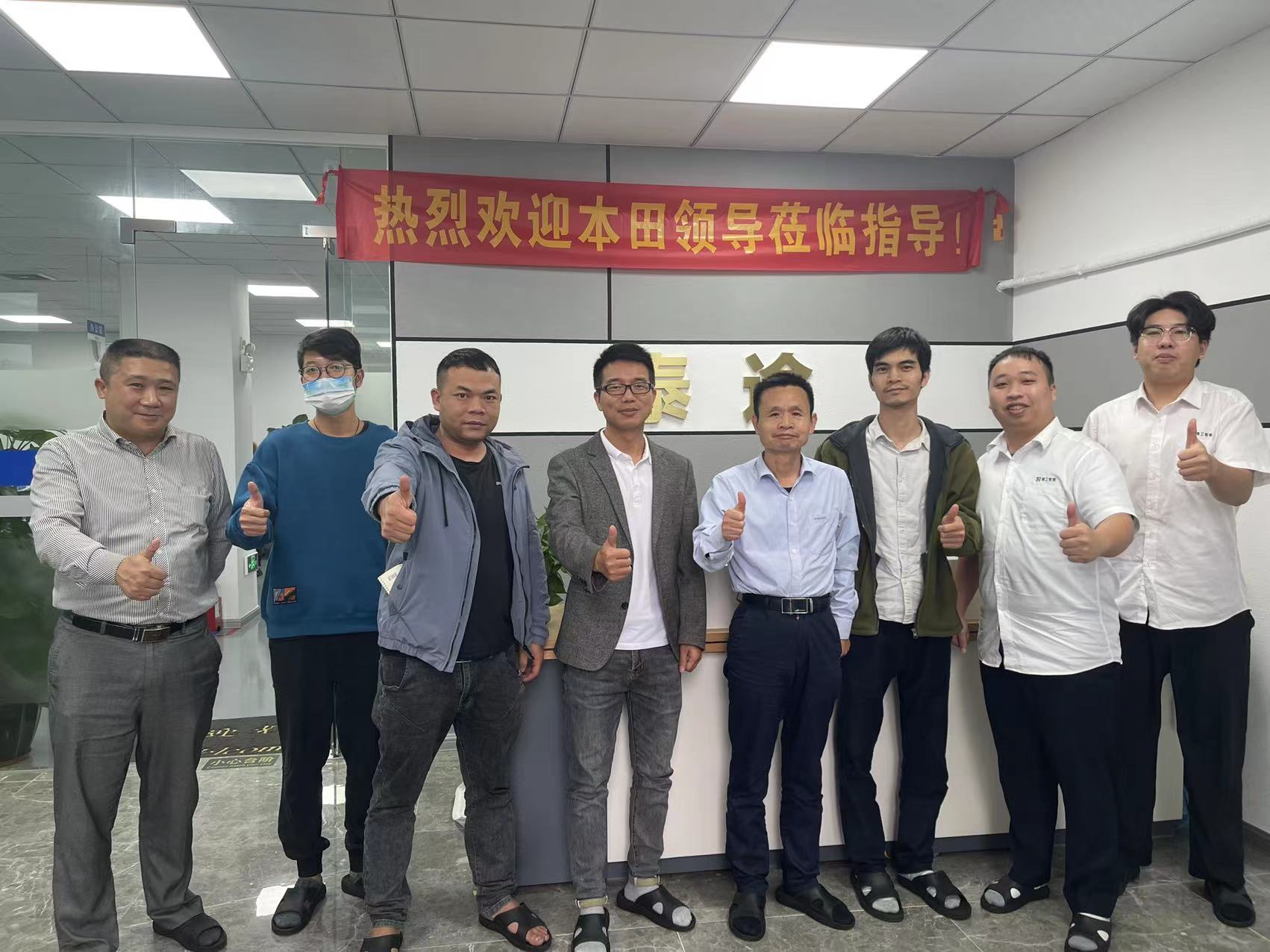
【泰途】项目验收
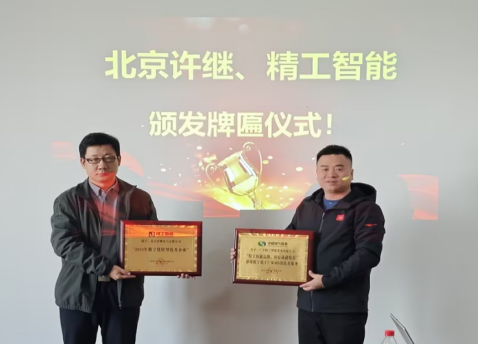
【许继集团】项目验收

【易事特】项目验收会

【易事特】项目验收
【优特科技】项目验收

【伟邦科技】项目验收

【星原电子】项目验收

【比亚迪】项目验收

【威诺高】项目验收

万家乐MES项目

【赛尔美】项目验收

【盈瑞丰】项目验收

【泰途】项目验收

【许继集团】项目验收
Letter of Thanks

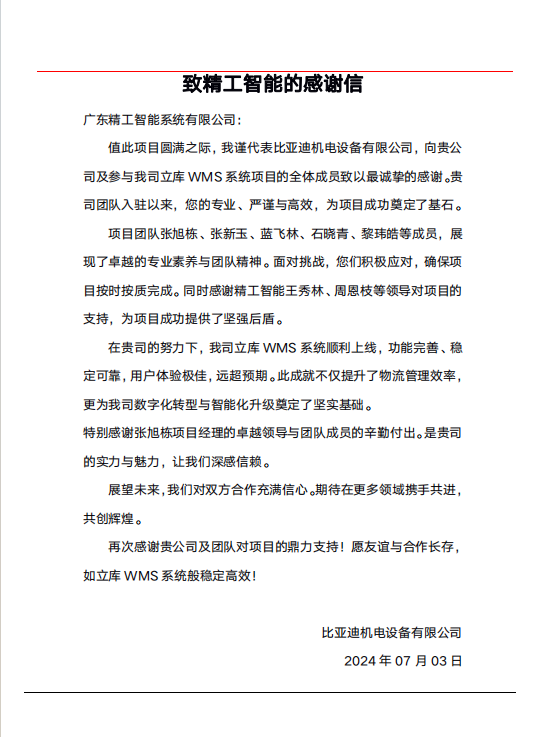
【比亚迪】感谢信

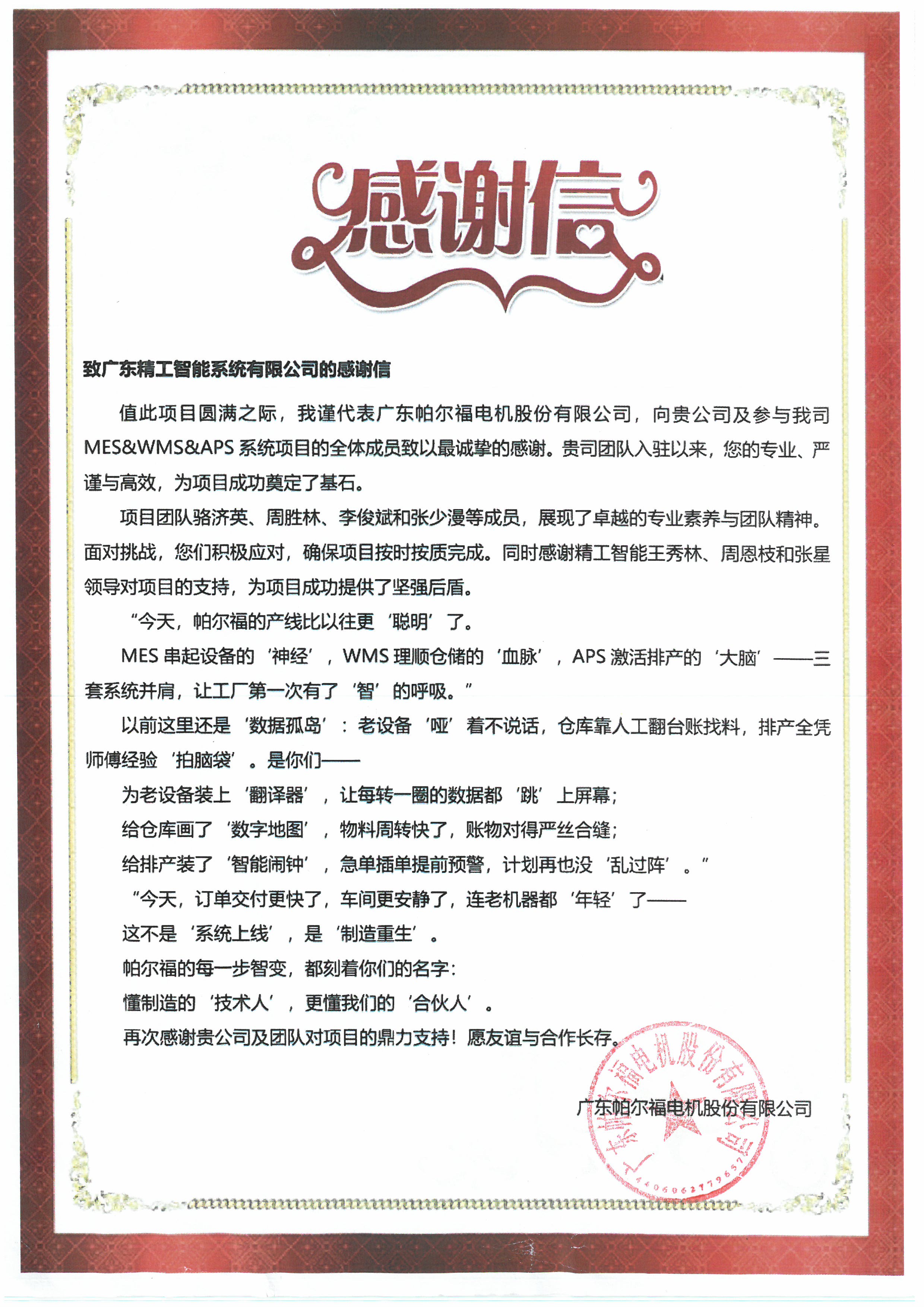
【帕尔福】感谢信

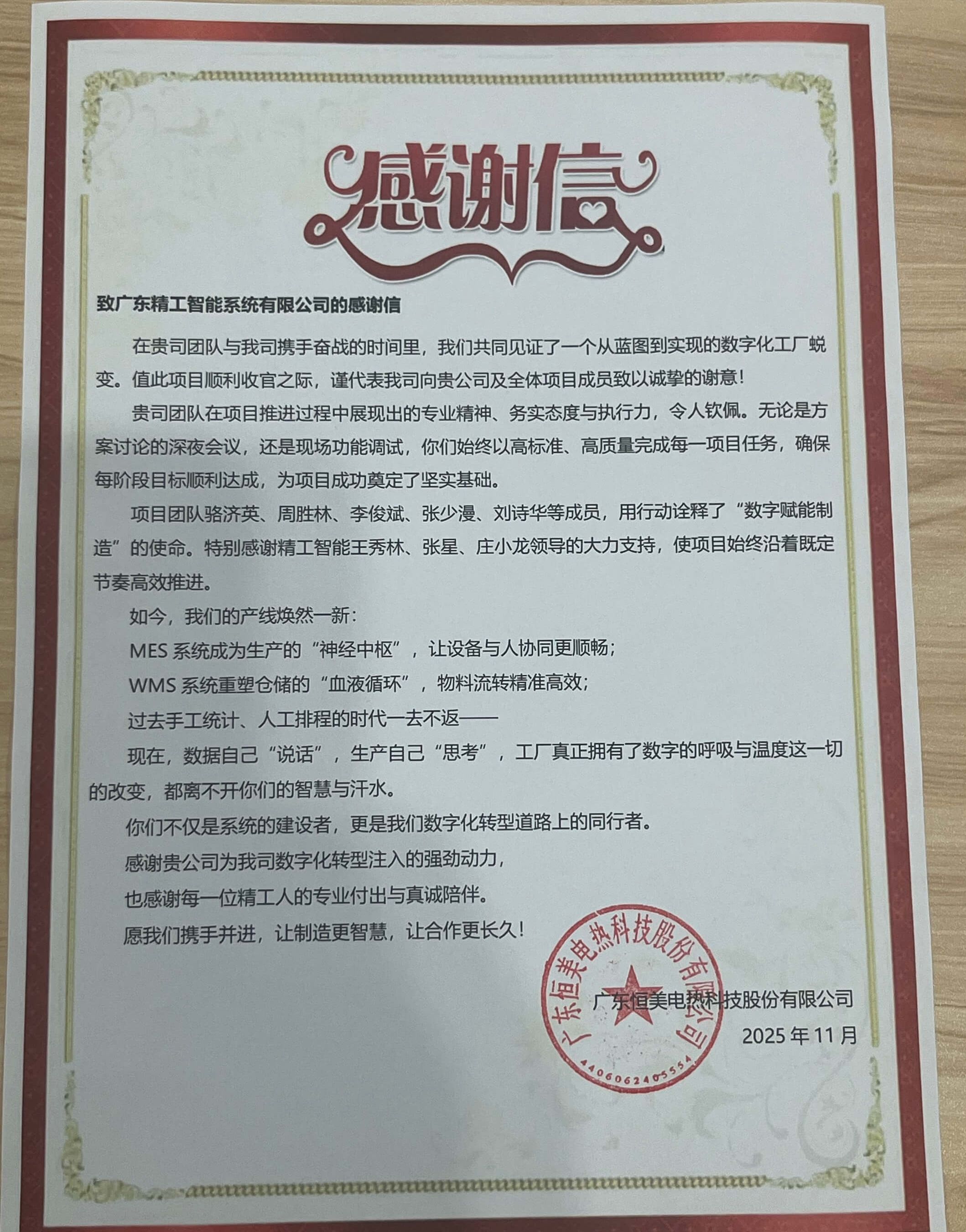
【恒美】感谢信

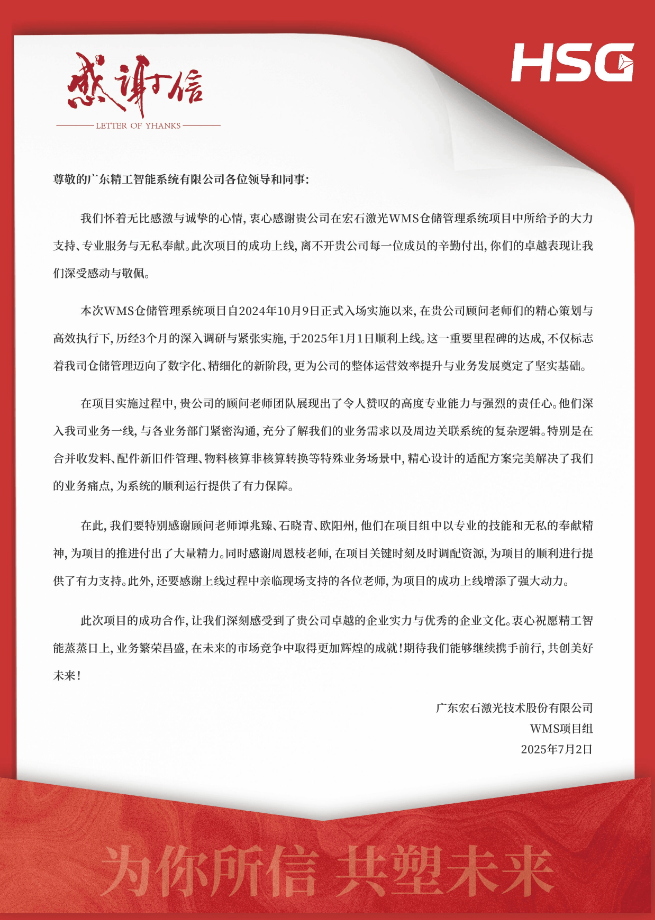
【宏石激光】感谢信
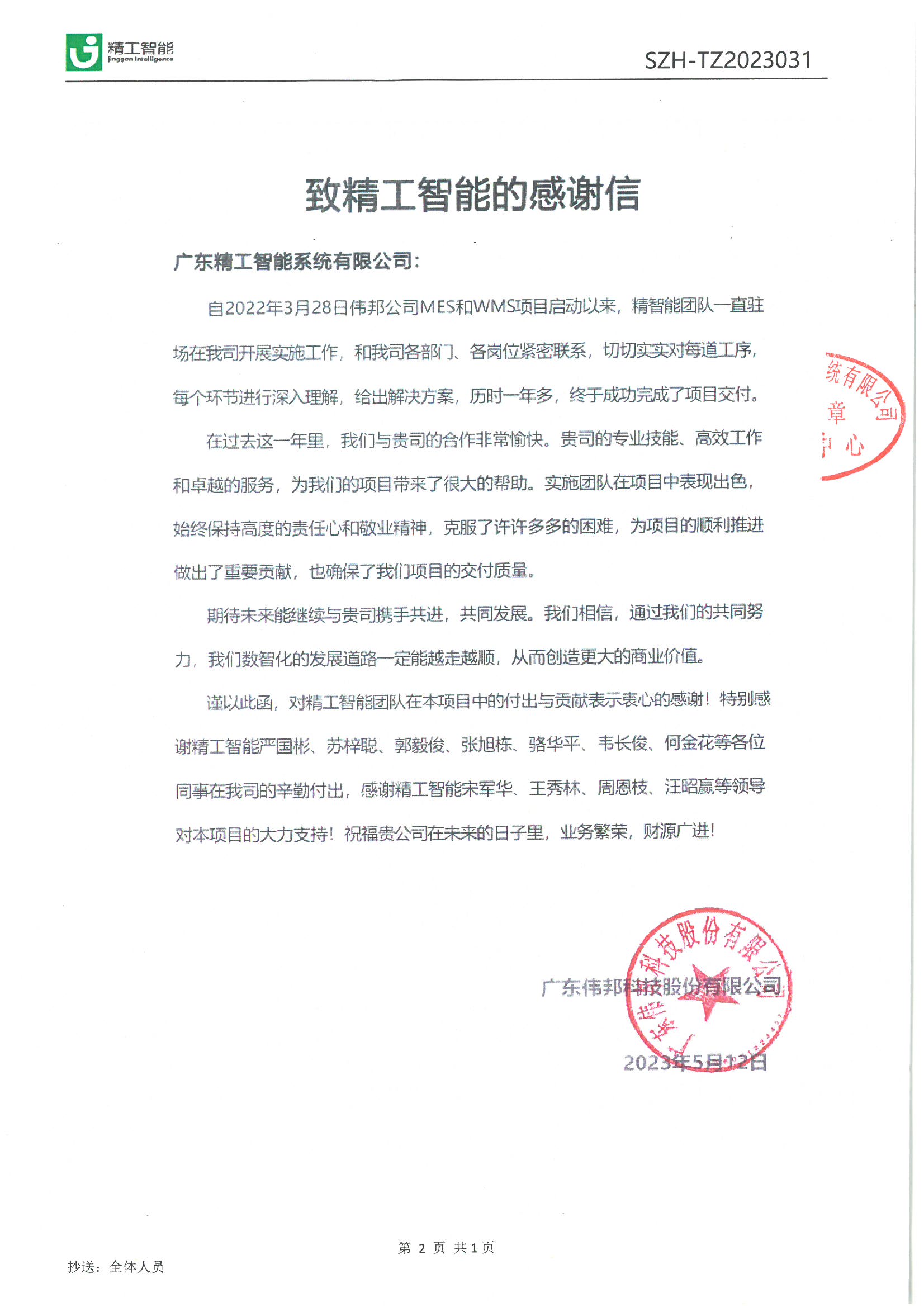
【伟邦科技】感谢信
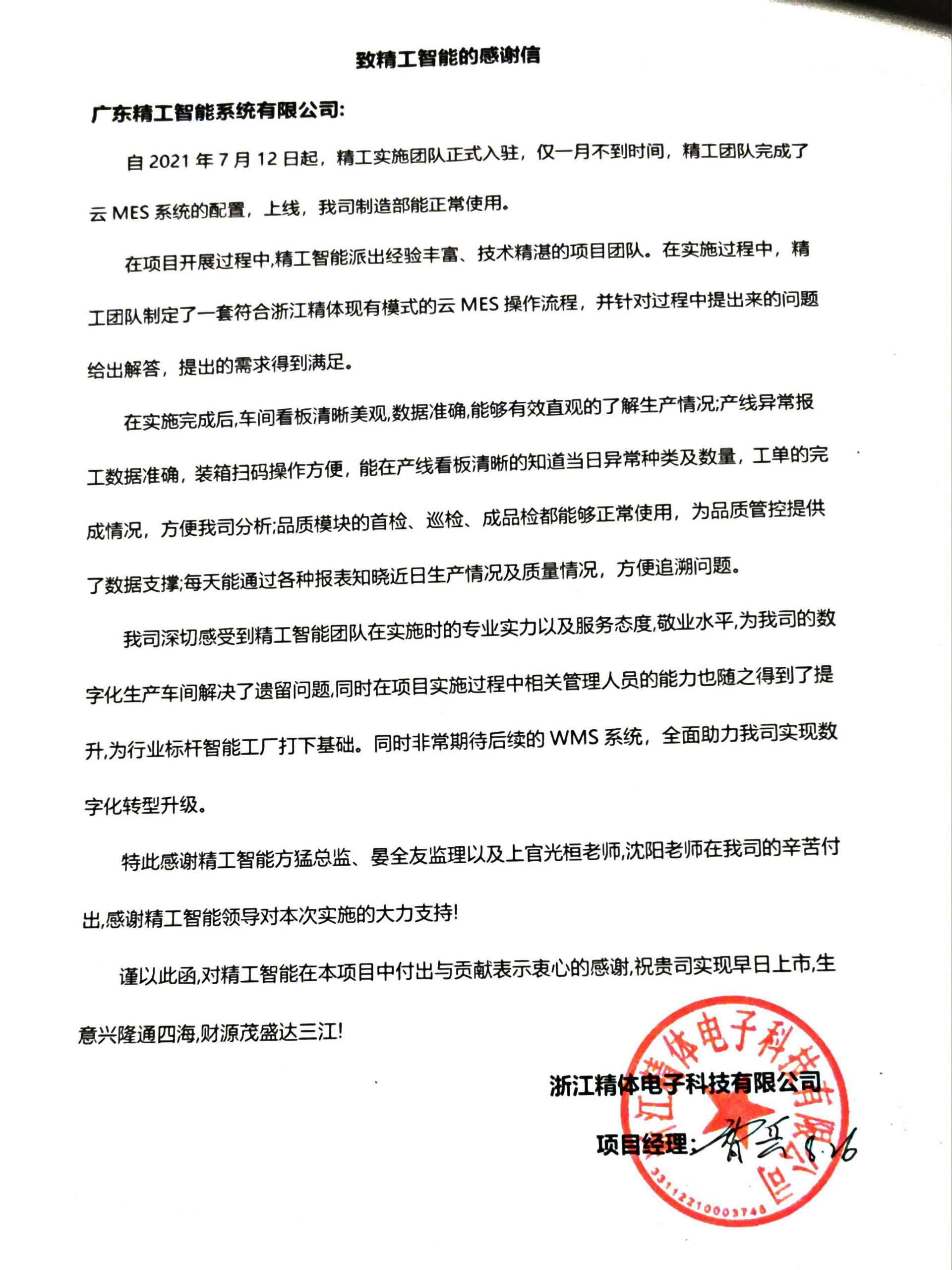
【精体电子】感谢信
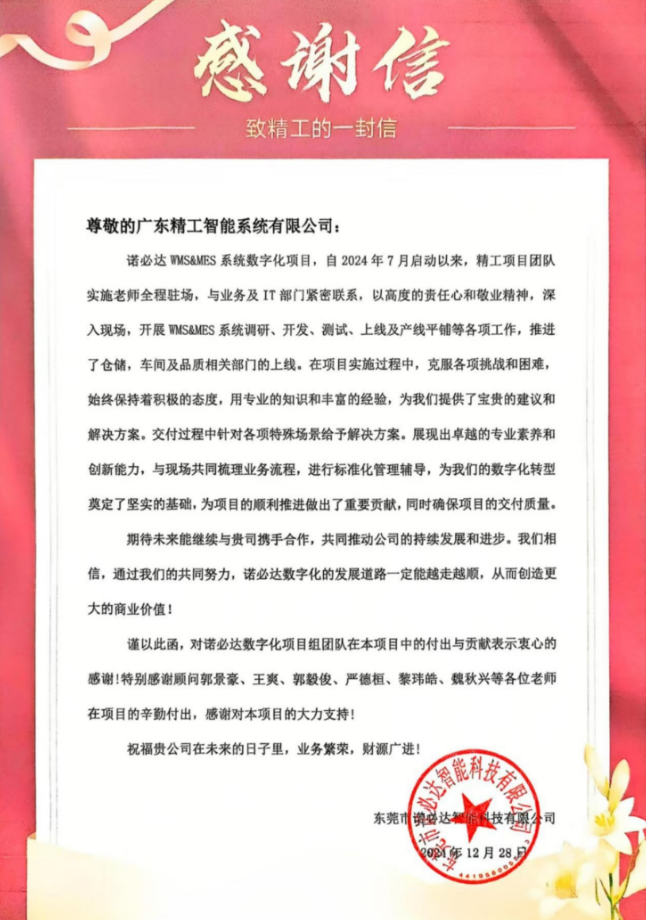
【诺必达】感谢信

【金尚智能】感谢信
.png)
【赛尔美】感谢信

【比亚迪】感谢信

【帕尔福】感谢信

【恒美】感谢信

【宏石激光】感谢信

【伟邦科技】感谢信

【精体电子】感谢信

【诺必达】感谢信

【金尚智能】感谢信
.png)
【赛尔美】感谢信
Awards & Honors

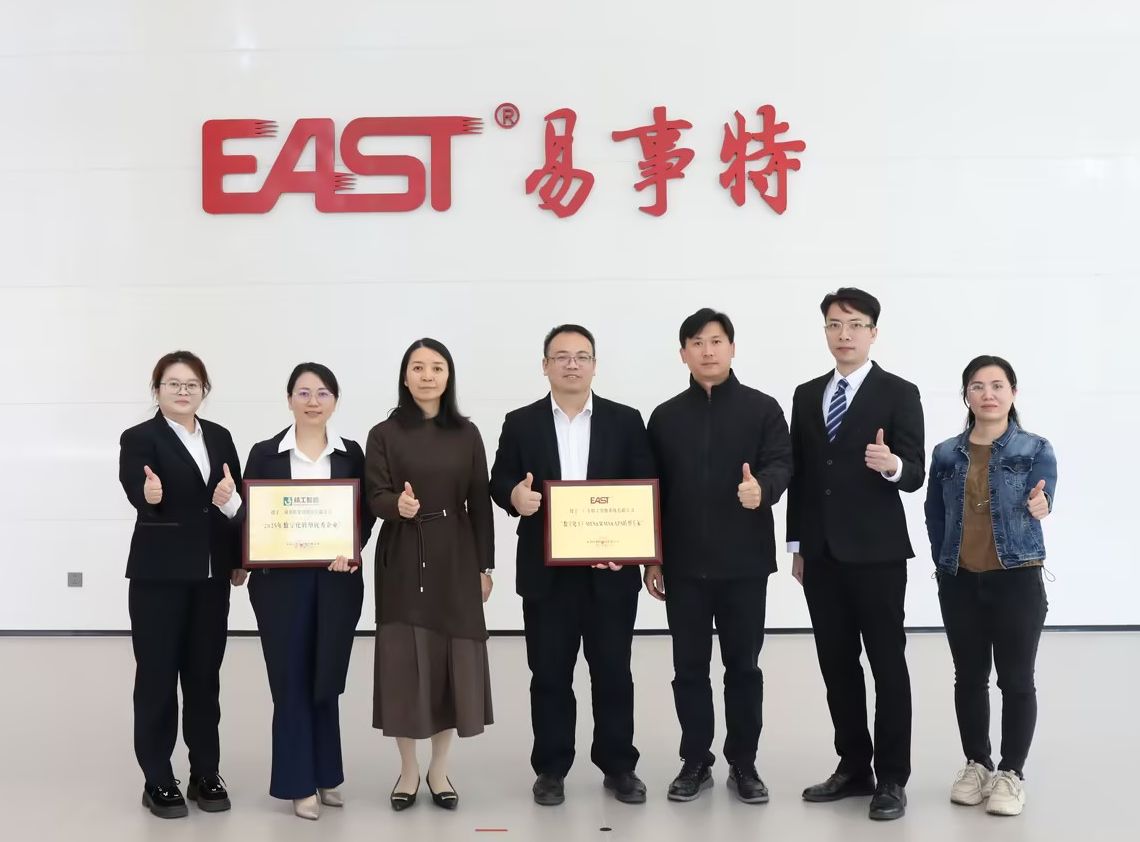
【创维集团】赠送牌匾

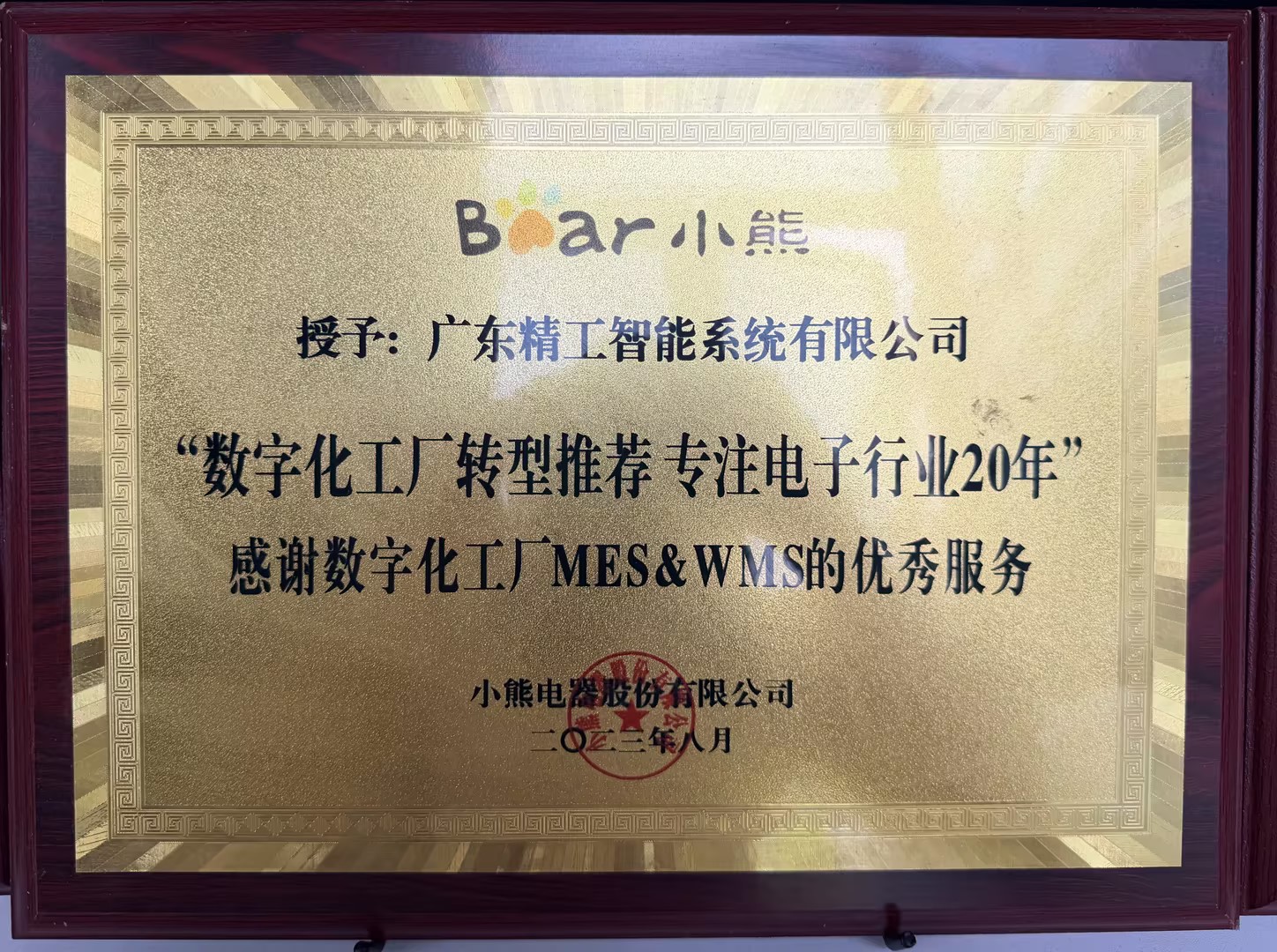
【小熊电器】赠送牌匾

【熠日照明】赠送牌匾

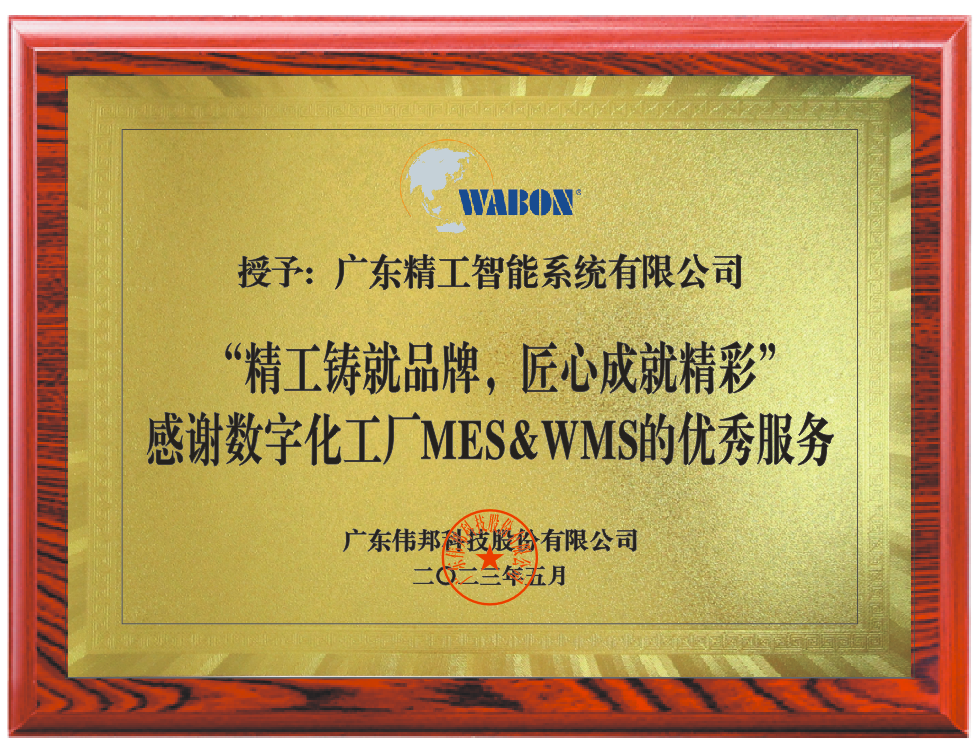
【伟邦科技】赠送牌匾
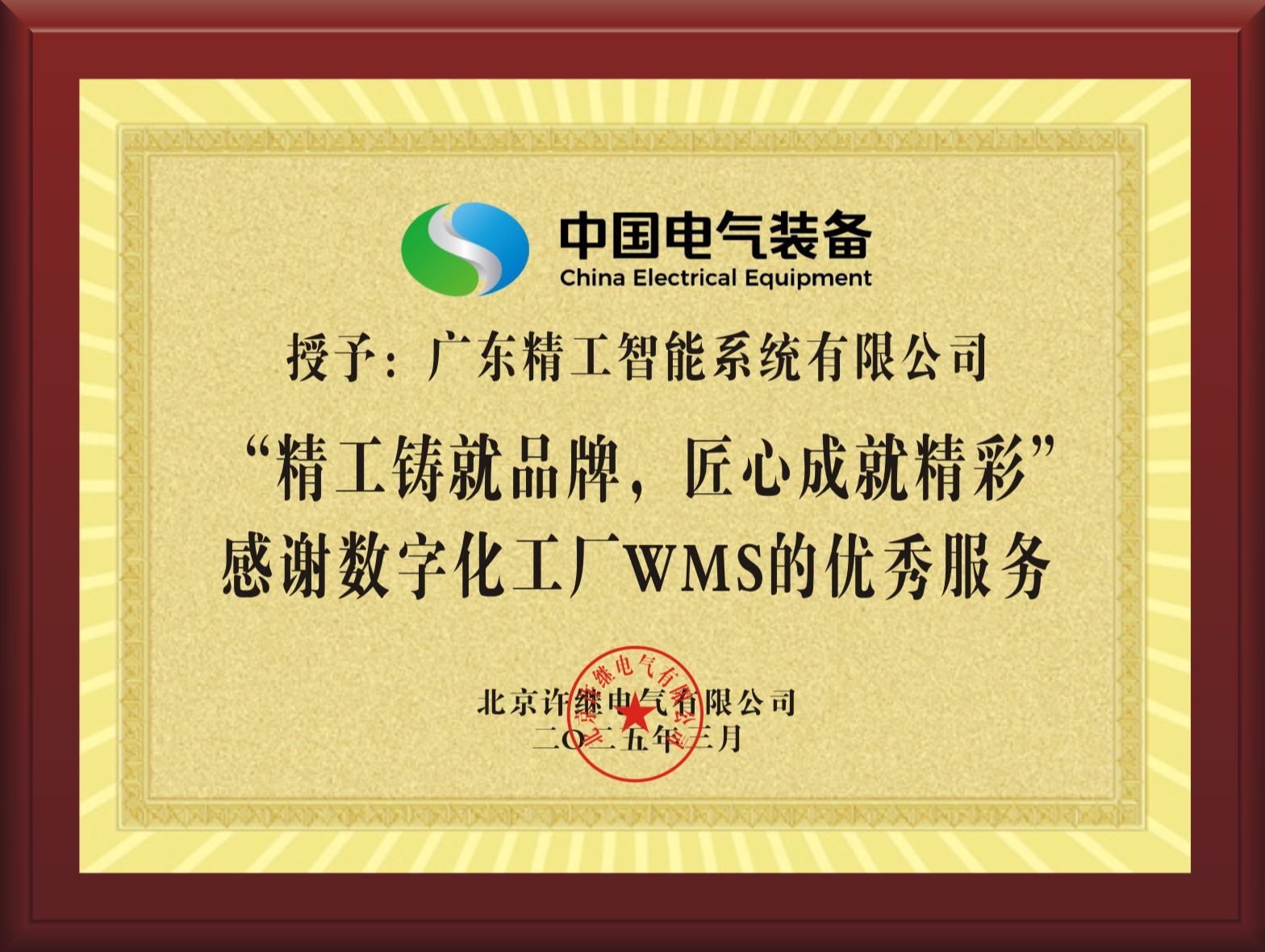
【许继集团】赠送牌匾

【优特电力】赠送牌匾
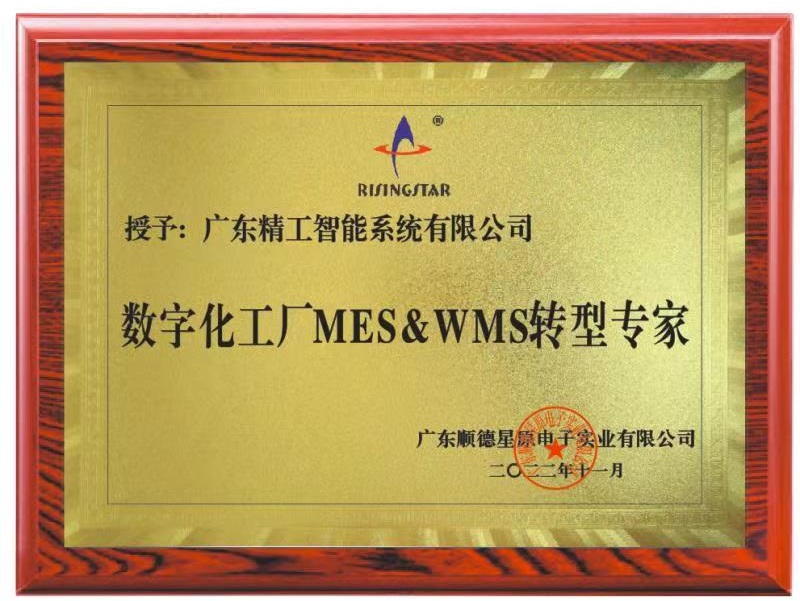
【星原电子】赠送牌匾
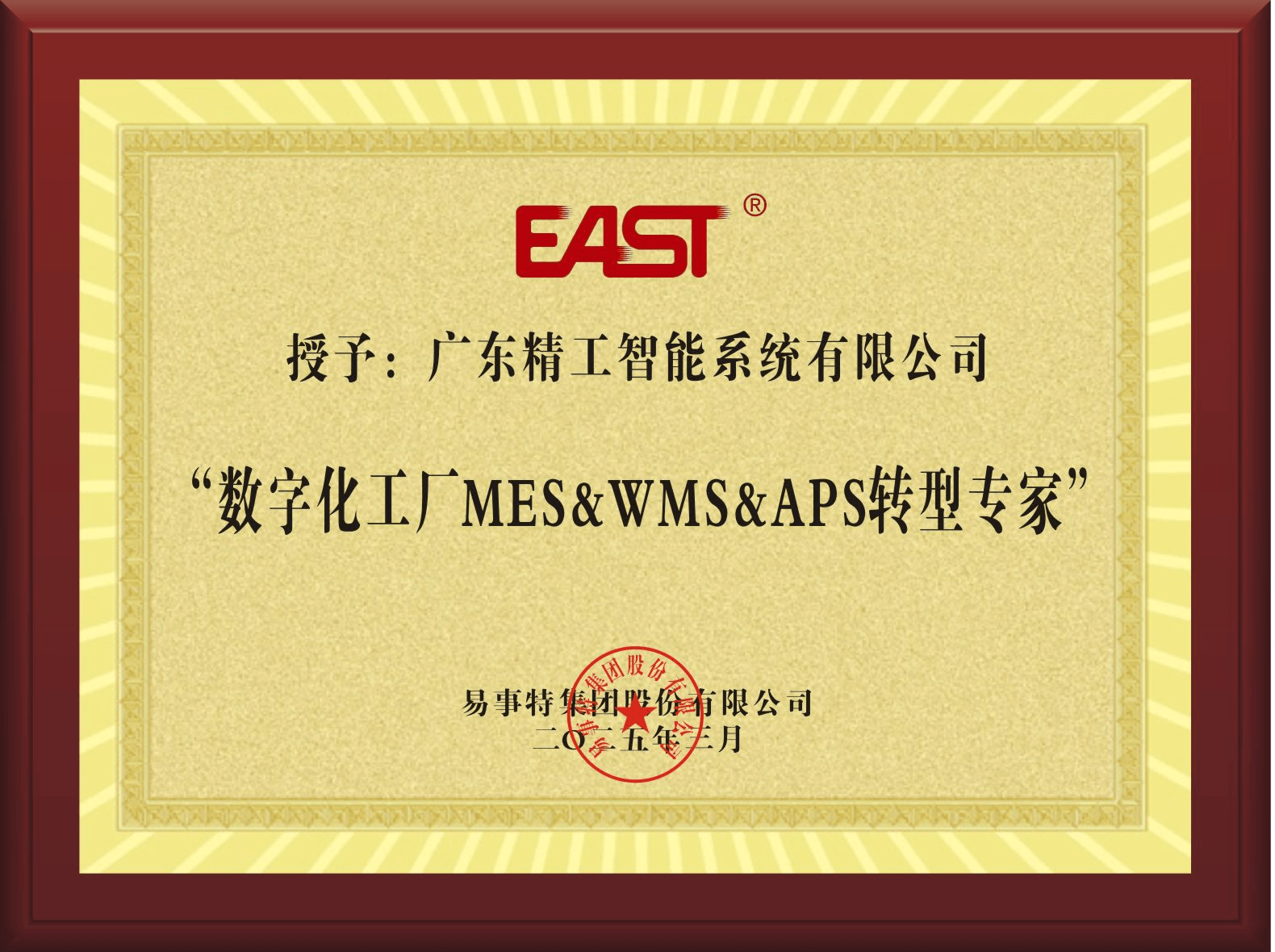
【易事特】赠送牌匾
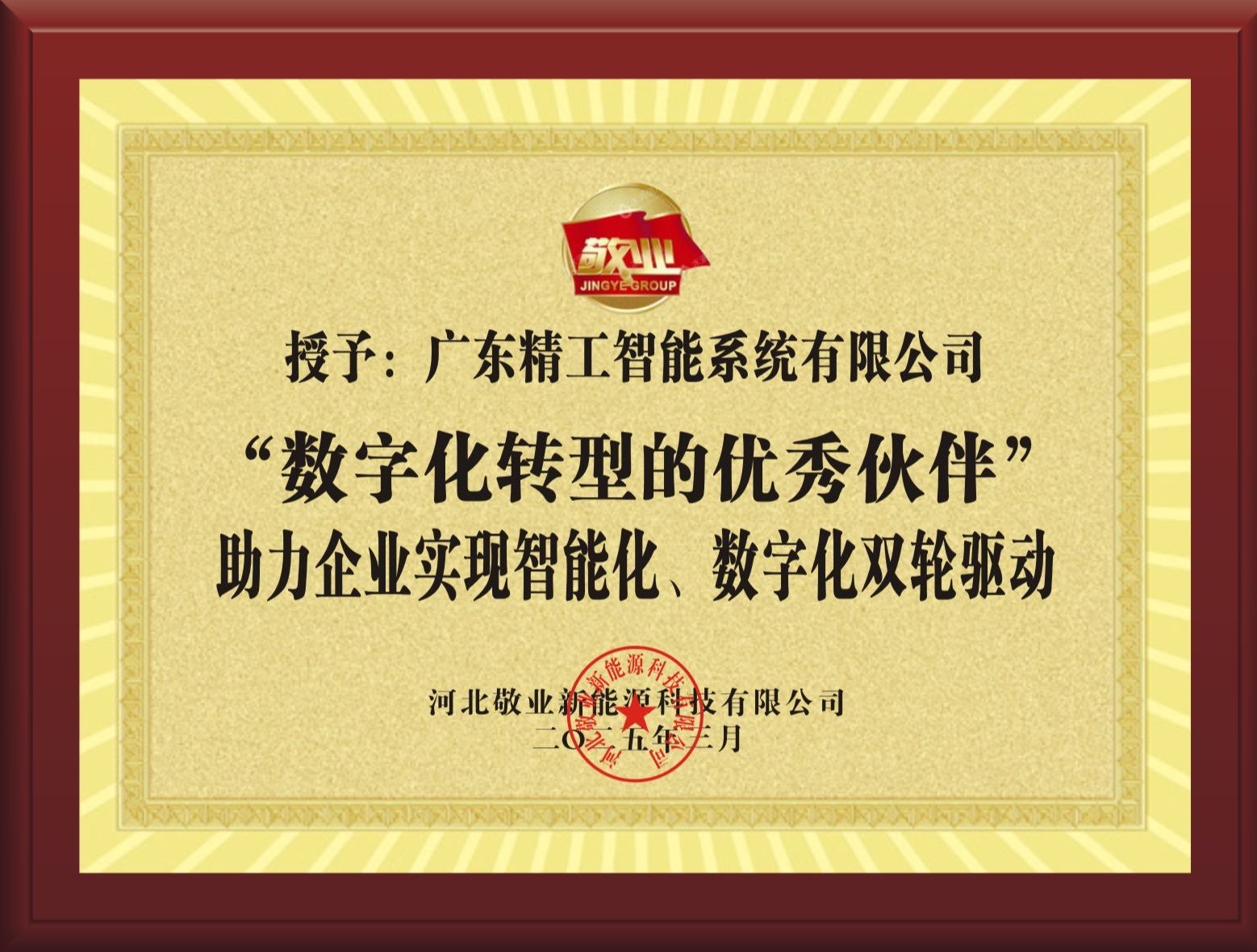
【敬业集团】赠送牌匾
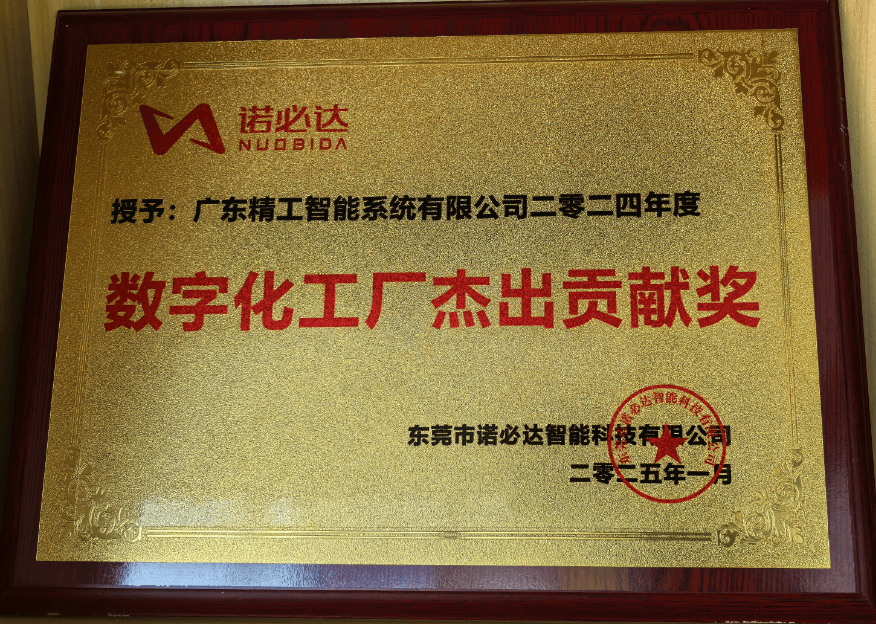
【诺必达】赠送牌匾
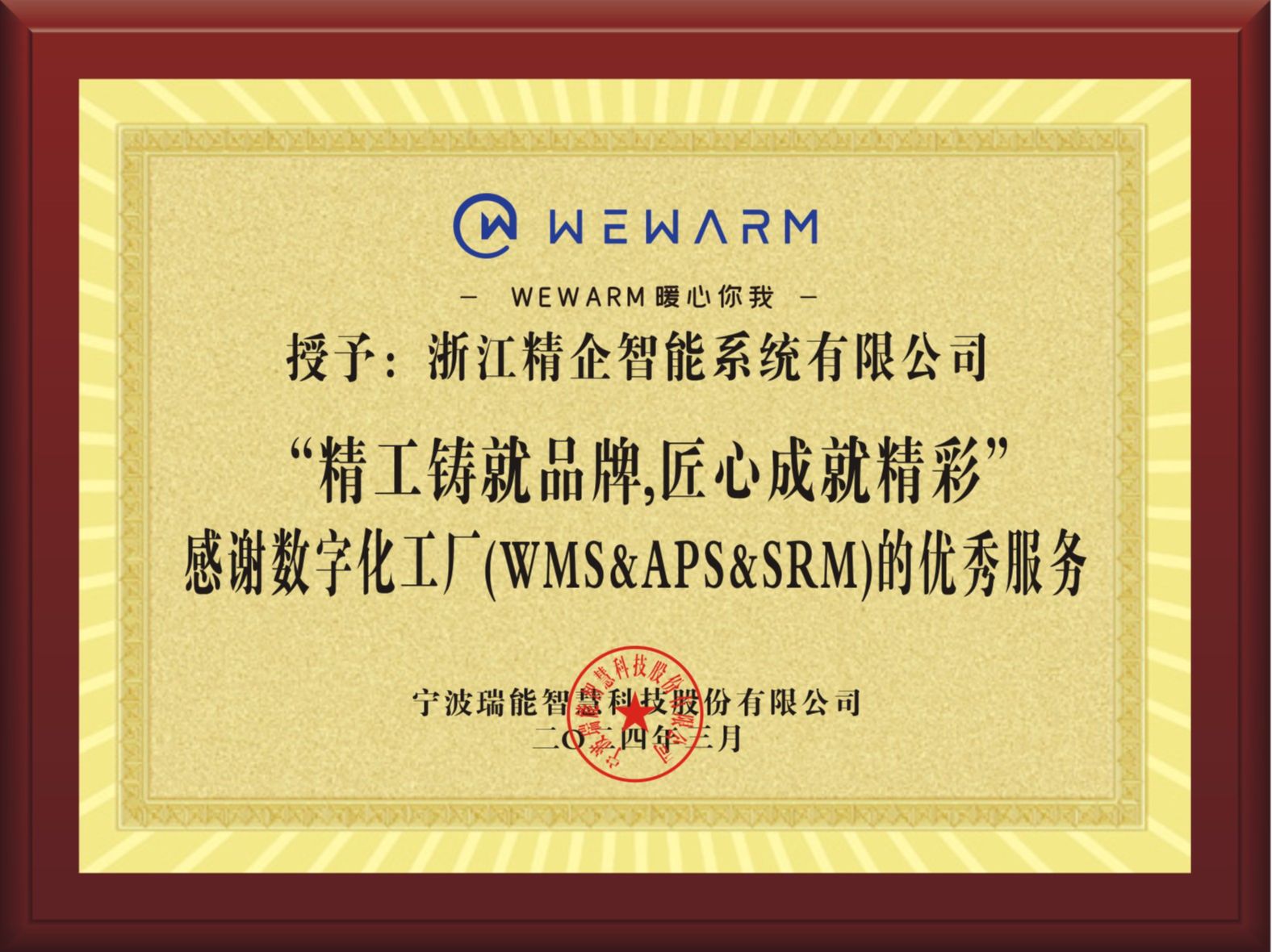
【瑞能智慧】赠送牌匾
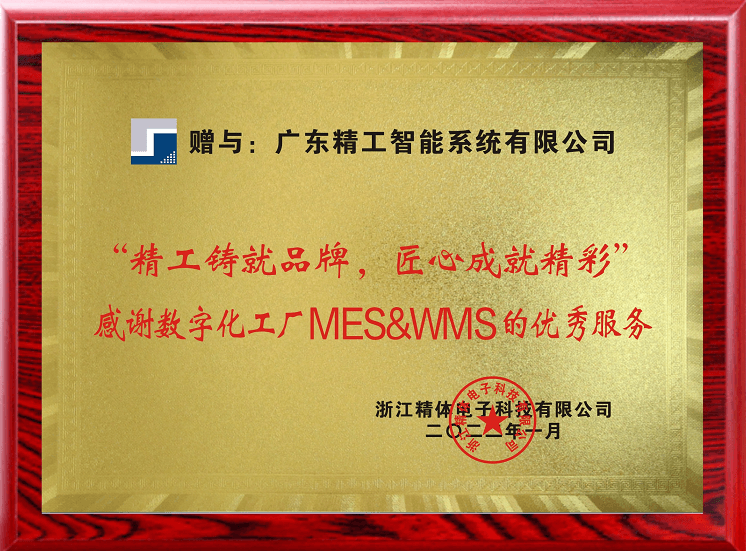
【精体电子】赠送牌匾

【东陆科技】赠送牌匾
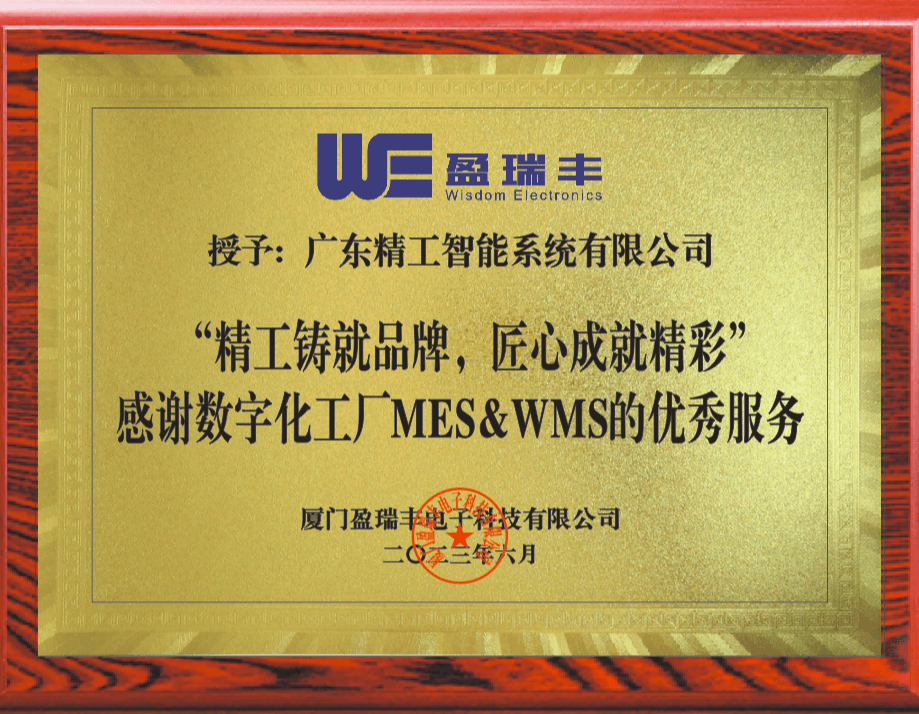
【盈瑞丰】赠送牌匾
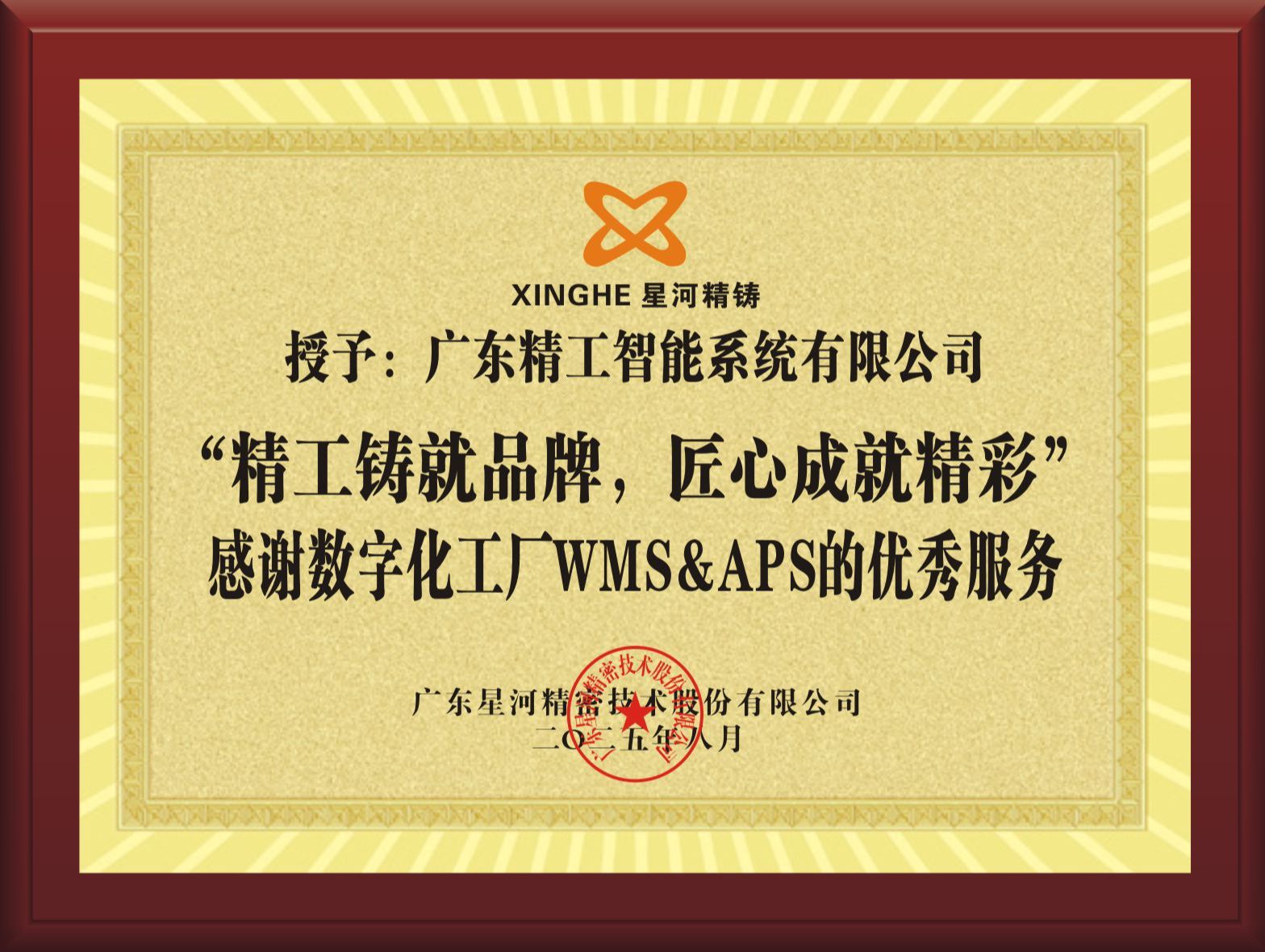
【星河精密】赠送牌匾
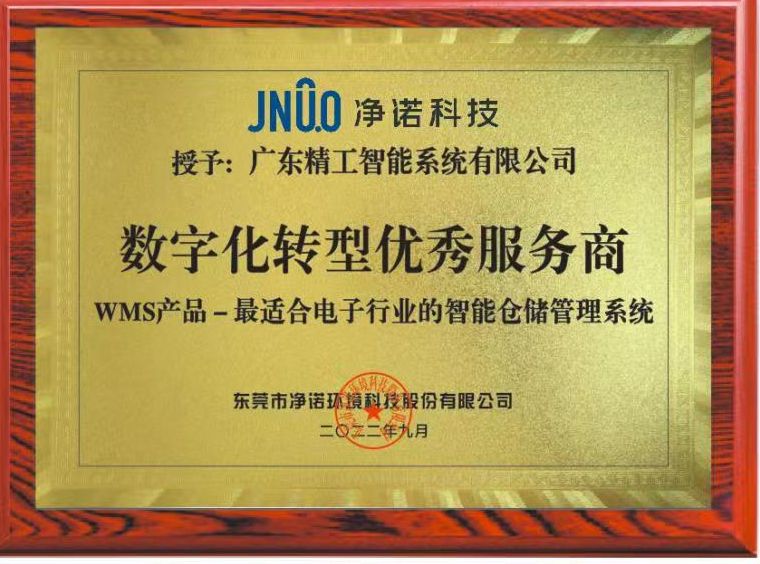
【净诺环境】赠送牌匾
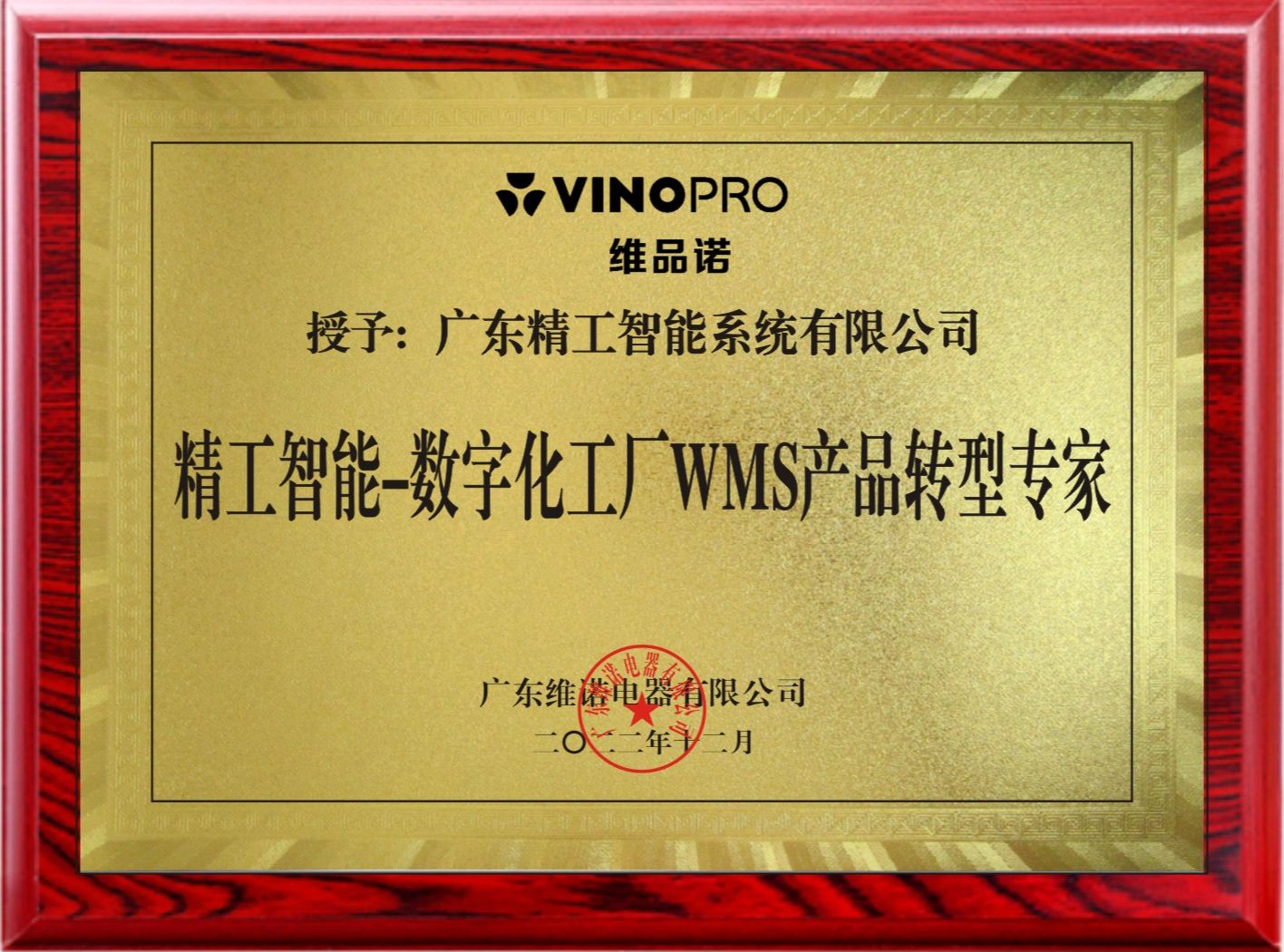
【维诺电器】赠送牌匾
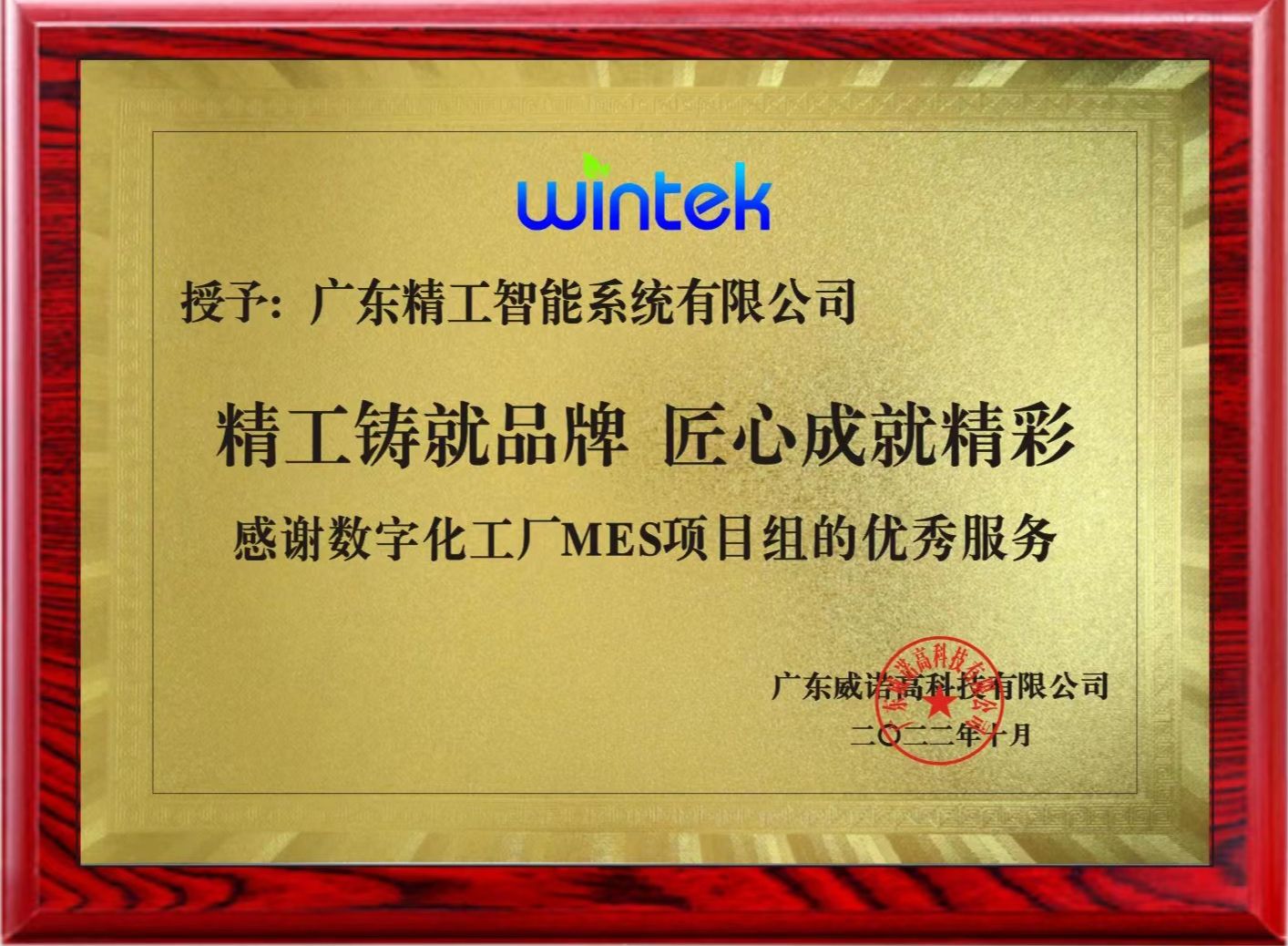
【威诺高】赠送牌匾
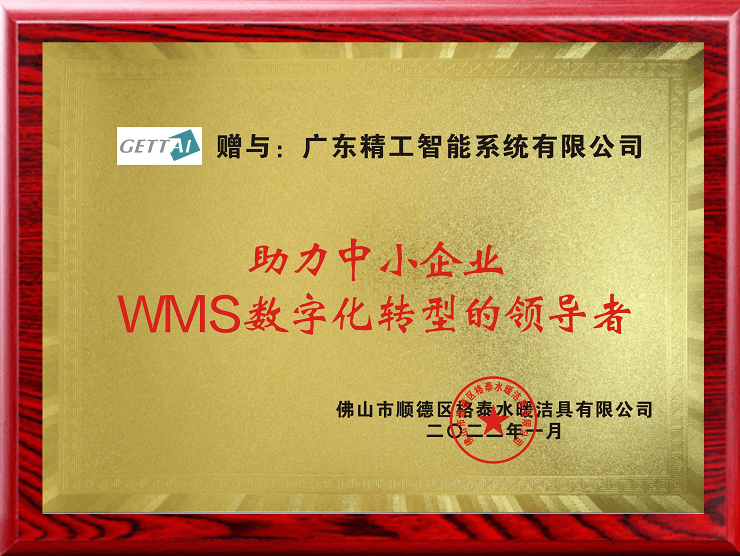
【格泰水暖】赠送牌匾

【明庆电子】赠送牌匾
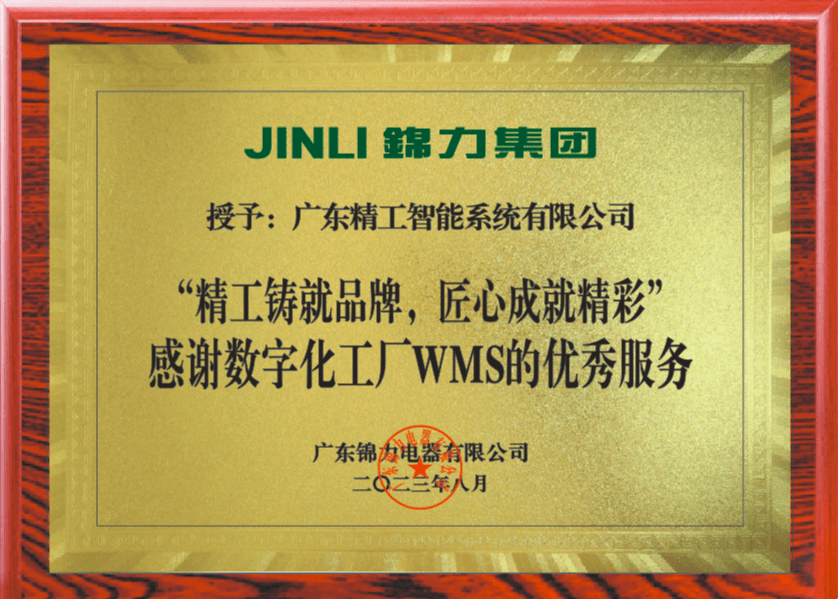
【锦力电器】赠送牌匾
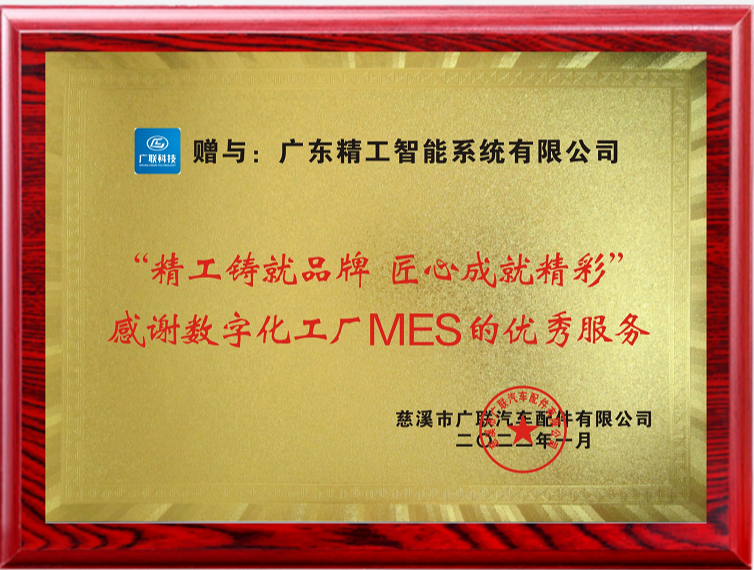
【广联汽配】赠送牌匾

【三胜电器】赠送牌匾
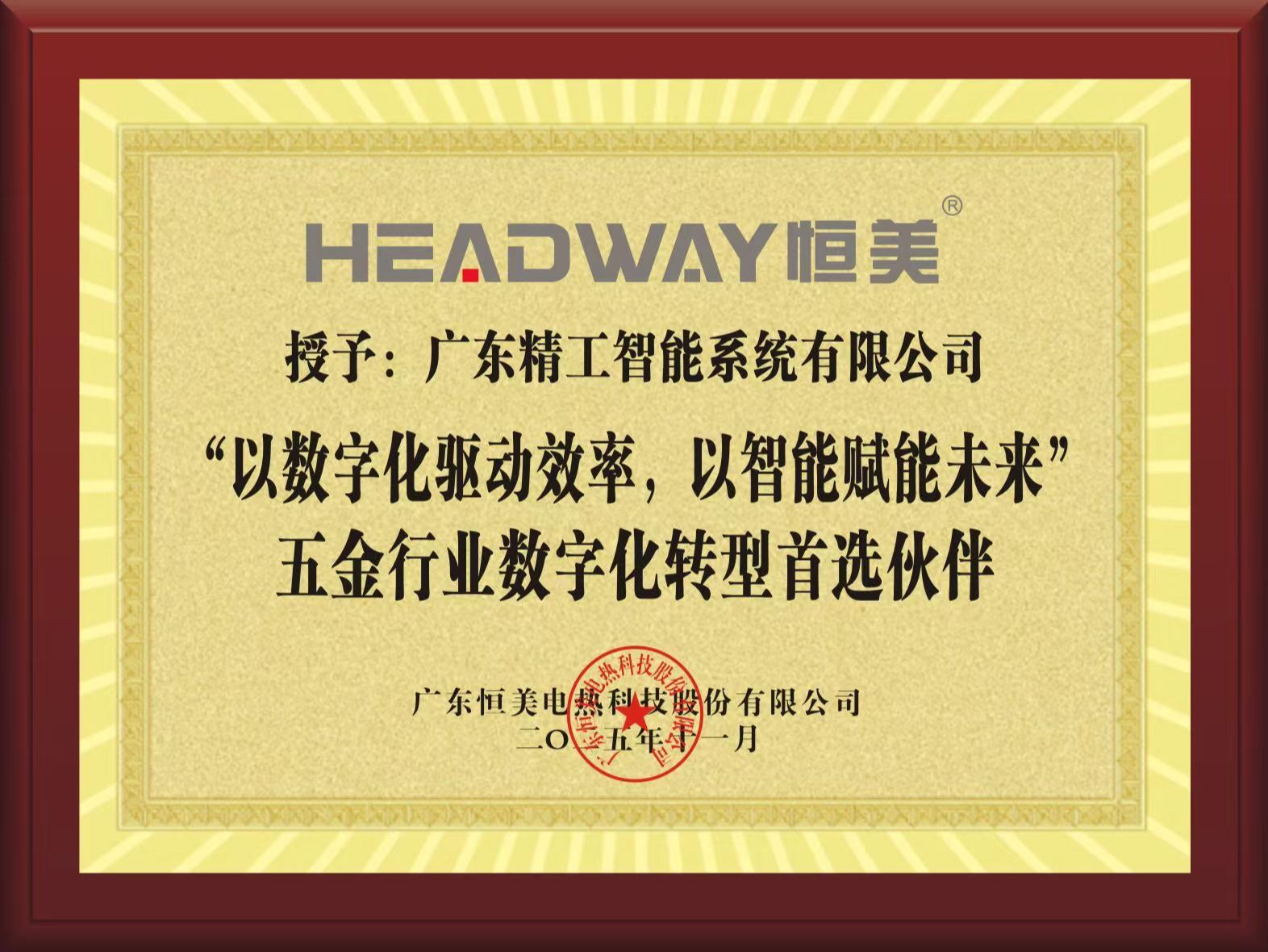
【恒美】赠送牌匾
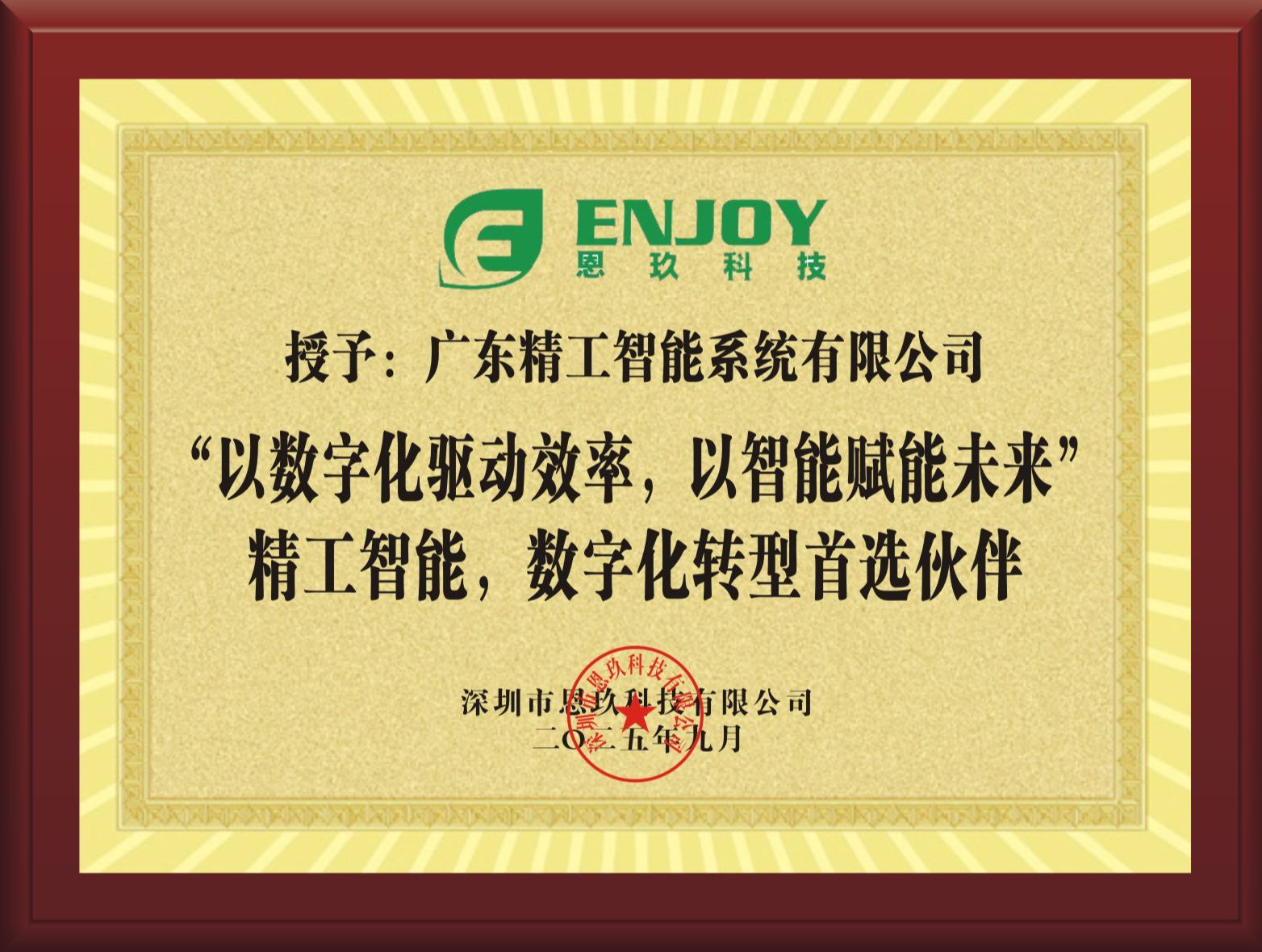
【恩玖科技】赠送牌匾
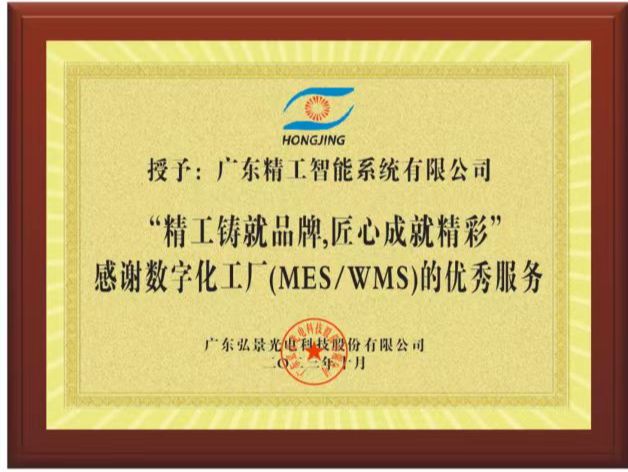
【弘景光电】赠送牌匾
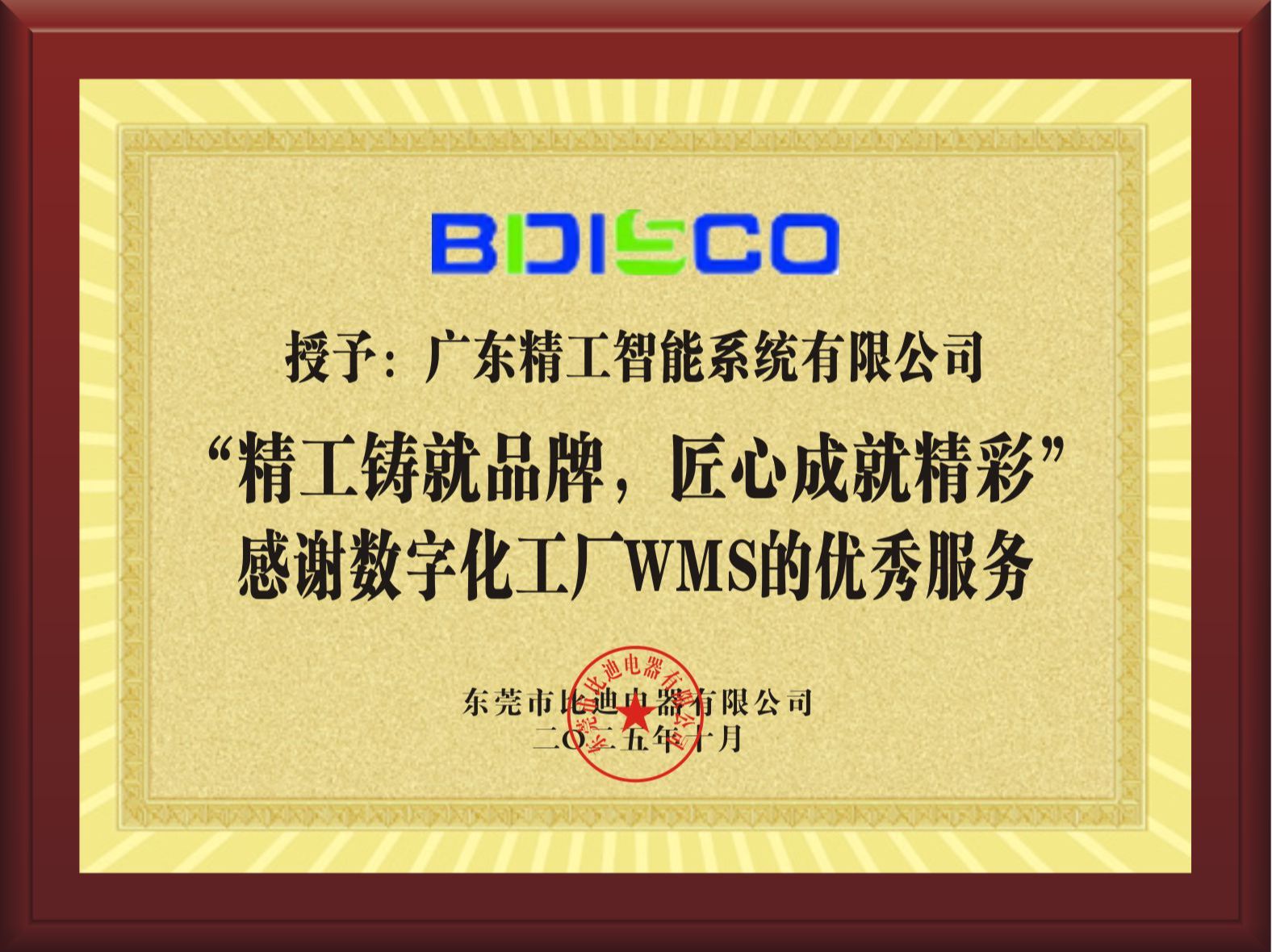
【比迪电器】赠送牌匾
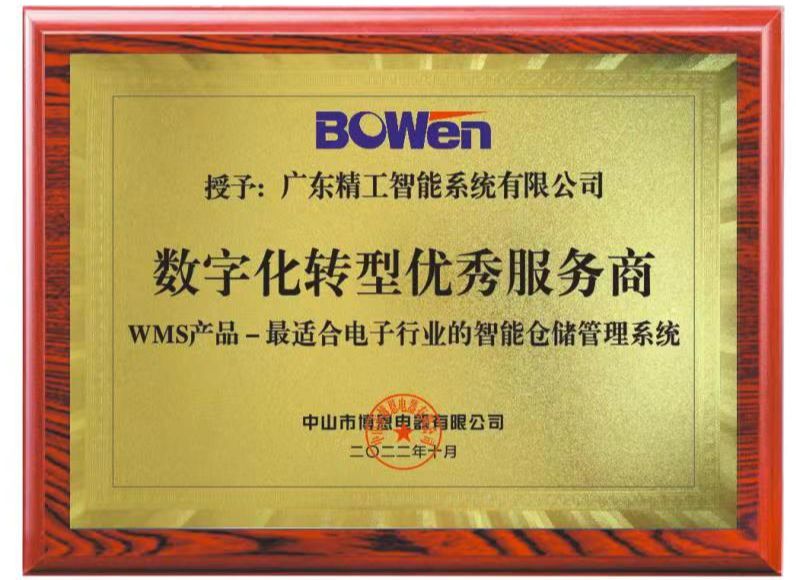
【博恩电器】赠送牌匾
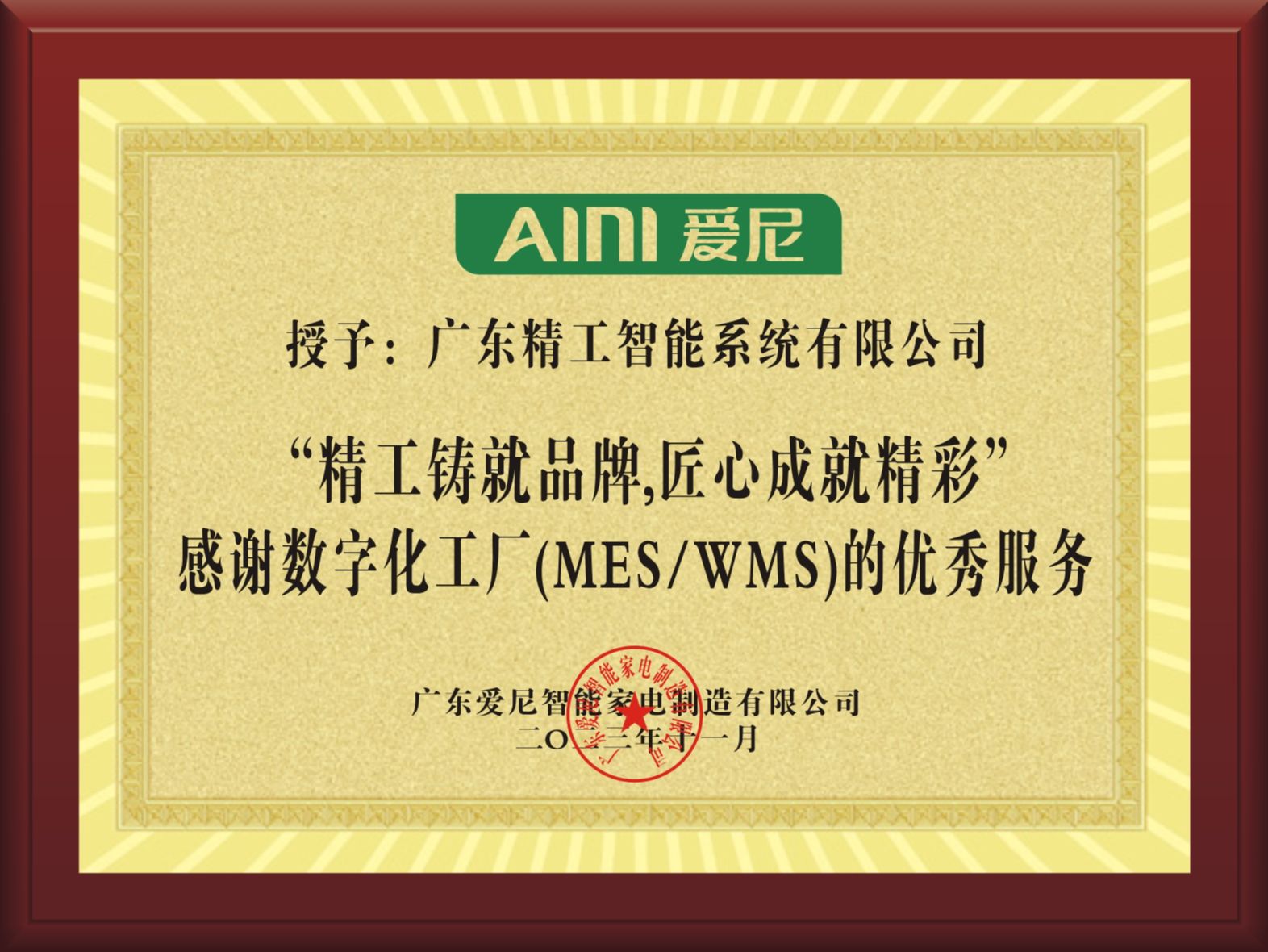
【爱尼智能】赠送牌匾
【创维集团】赠送牌匾

【小熊电器】赠送牌匾

【熠日照明】赠送牌匾

【伟邦科技】赠送牌匾

【许继集团】赠送牌匾

【优特电力】赠送牌匾

【星原电子】赠送牌匾

【易事特】赠送牌匾

【敬业集团】赠送牌匾

【诺必达】赠送牌匾

【瑞能智慧】赠送牌匾

【精体电子】赠送牌匾

【东陆科技】赠送牌匾

【盈瑞丰】赠送牌匾

【星河精密】赠送牌匾

【净诺环境】赠送牌匾

【维诺电器】赠送牌匾

【威诺高】赠送牌匾

【格泰水暖】赠送牌匾

【明庆电子】赠送牌匾

【锦力电器】赠送牌匾

【广联汽配】赠送牌匾

【三胜电器】赠送牌匾

【恒美】赠送牌匾

【恩玖科技】赠送牌匾

【弘景光电】赠送牌匾

【比迪电器】赠送牌匾

【博恩电器】赠送牌匾

【爱尼智能】赠送牌匾