JIT Just-in-Time Material Call
Core Contradictions & Pain Points
Plan-driven material preparation disconnected from line consumption, excessive or insufficient preparation causing line stops
Material call relies on manual communication, delayed and error-prone signals, uncontrollable process
Large material stockpiles at line-side, redundant handling and ineffective inventory counting with low efficiency
Batch confusion, difficult FIFO implementation, frequent material shortage, wrong material, and mixed material issues
Excess inventory ties up capital, material shortage line stops reduce OEE, full-link costs rise
Poor connection between warehouse, production line, and procurement, no standardized collaboration mechanism
Core Solution Approach
Guided by the core concept of lean production JIT (Just-In-Time), completely break the 'plan-push' material preparation model and transform to a 'demand-pull' material calling system.
Using actual material consumption at subsequent processes (production line stations) as the only trigger signal, establish a material management mechanism of 'on-demand calling, timely replenishment, small batch high frequency, full chain closed loop',打通 production-warehouse-purchasing information flow, logistics, and data flow, achieving 'delivering required materials to required stations at required time in required quantities', fundamentally eliminating pain points such as inventory backlog, operational waste, and supply-demand mismatch, improving full-chain collaboration efficiency.
Solution Process Description
Based on line body + process material requirements to generate warehouse preparation lists, avoiding one-size-fits-all control and improving resource utilization efficiency: Classify materials into A, B, and C categories based on importance, consumption frequency, value, and supply cycle, implementing differentiated control:
Class A (Core Critical Materials)
High consumption frequency, high value, long supply cycle, set minimum safety stock, adopt system automatic calling + supplier direct delivery mode.
Class B (General Materials)
Stable consumption, medium value, adopt electronic Andon calling, replenish at fixed rhythm.
Class C (Low-value Auxiliary Materials)
Scattered consumption, low value, adopt paper Kanban calling, batch replenishment, reducing management costs. Meanwhile, divide material storage areas by line body and process, achieving 'materials at line side, backup in warehouse, on-demand allocation', precisely matching station requirements.
Adapt to different production line rhythms, material attributes, and enterprise digitalization levels, build multi-scenario material calling trigger modes, ensuring precise and efficient transmission of calling signals:
Basic Version
Paper Kanban Calling: Suitable for mass production lines with stable rhythms. Kanbans circulate with materials/empty boxes. After production line consumes materials, send empty Kanbans/boxes to warehouse, directly triggering replenishment instructions. Simple rules, easy to implement, no additional hardware investment.
Advanced Version
Electronic Andon Calling: Suitable for station-level emergency replenishment, Class C low-value materials. Set Andon buttons/touch screens at stations, one-click trigger calling signals, warehouse electronic dashboard real-time pop-up reminders, specifying material codes, required stations, quantities, ensuring response timeliness.
Digital Version
System Automatic Calling: Suitable for medium-large enterprises with good digitalization foundation. Connect MES (Manufacturing Execution System) and WMS (Warehouse Management System). Production line station data automatically calculates material consumption, synchronously triggers calling instructions, WMS automatically generates wave picking tasks, full process without manual intervention, improving accuracy.
Collaborative Version
Supplier Direct Delivery Calling: For core strategic suppliers, open the calling system portal, directly synchronize production line real-time demands to suppliers, achieving 'supplier JIT direct delivery to station', reducing warehouse transfer links, shortening replenishment cycles.
Material Calling Rules Standardization
Clearly define calling batch, replenishment cycle, response time, distribution path, and handover station for each type of material, forming rigid standards, eliminating human arbitrariness.
Distribution Mode Optimization
Plan fixed distribution routes, fixed rhythms, fixed stop stations, complete multi-station cyclic replenishment according to calling signals, replacing traditional single large-batch distribution, reducing line-side inventory and handling waste.
Distribution Mode Optimization
Guide wave picking, FIFO, and batch control through WMS system. Pickers work according to PDA handheld terminal instructions. Checkers verify consistency between materials and calling instructions. Label corresponding stations to ensure zero-error distribution.
Handover and Sign-off Standardization
Establish 'calling-picking-distribution-sign-off-verification' closed loop. Production line material staff verify material information and sign confirmation, synchronously verify calling instructions in system, update line-side and warehouse inventory data, ensuring account-physical consistency.
System Integration
Connect MES+WMS+ERP+SCM system+RCS/WCS, achieve full process data closed loop of demand, calling, picking, distribution, inbound, verification, and purchasing, real-time synchronization of inventory, calling progress, and exception information.
Hardware Support
Match with PDA handheld terminals, electronic dashboards, Andon systems, AGV unmanned delivery vehicles, barcode/RFID recognition equipment, achieve real-time transmission of calling signals, automatic collection of operation data, and full traceability of distribution process.
Monitoring & Alert
Build a full-process monitoring dashboard for material calling, real-time display of calling demands, response progress, shortage alerts, and distribution exceptions. Abnormal situations (such as response timeout, wrong materials) automatically trigger audio-visual alarms to ensure closed-loop processing.
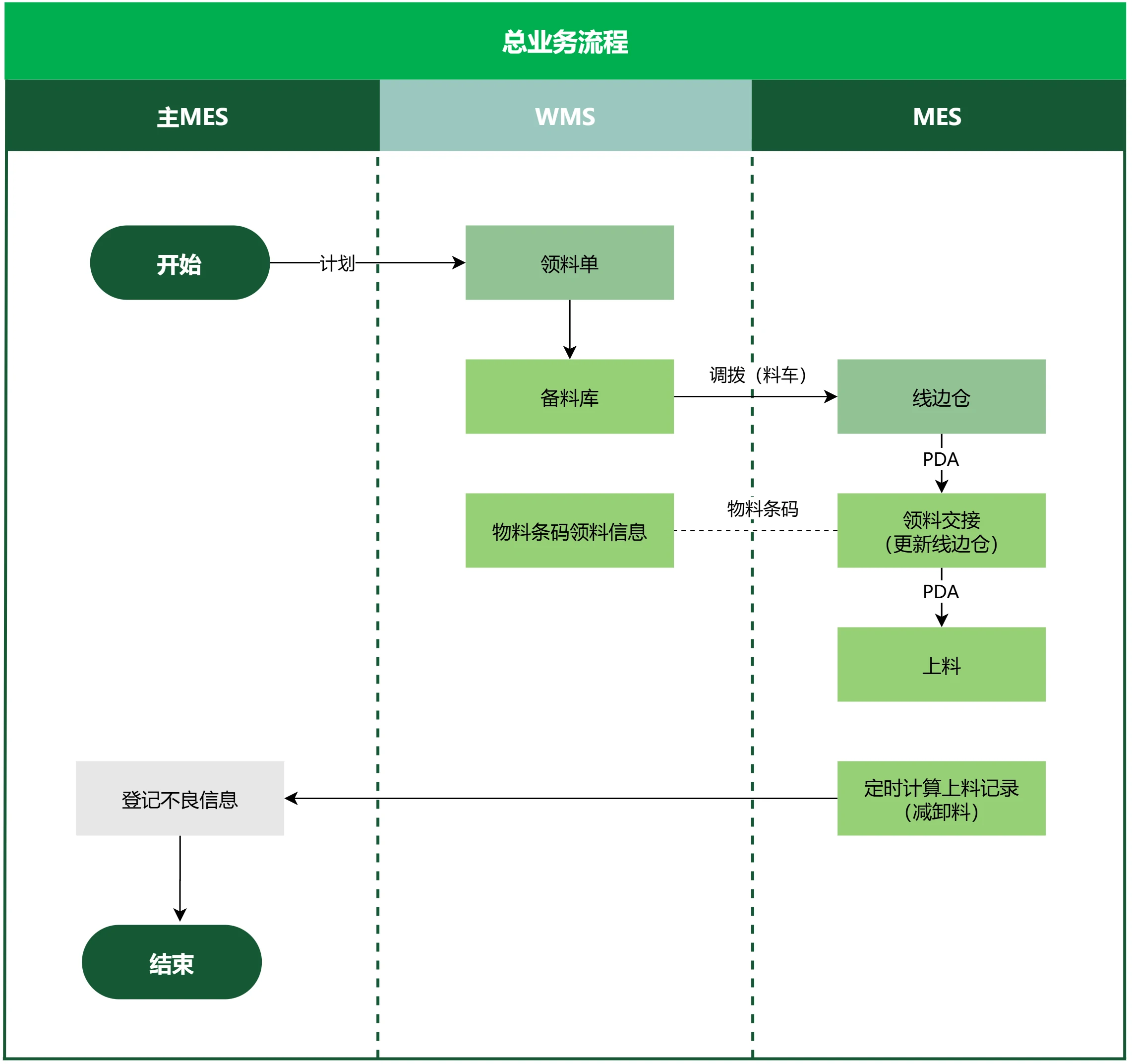
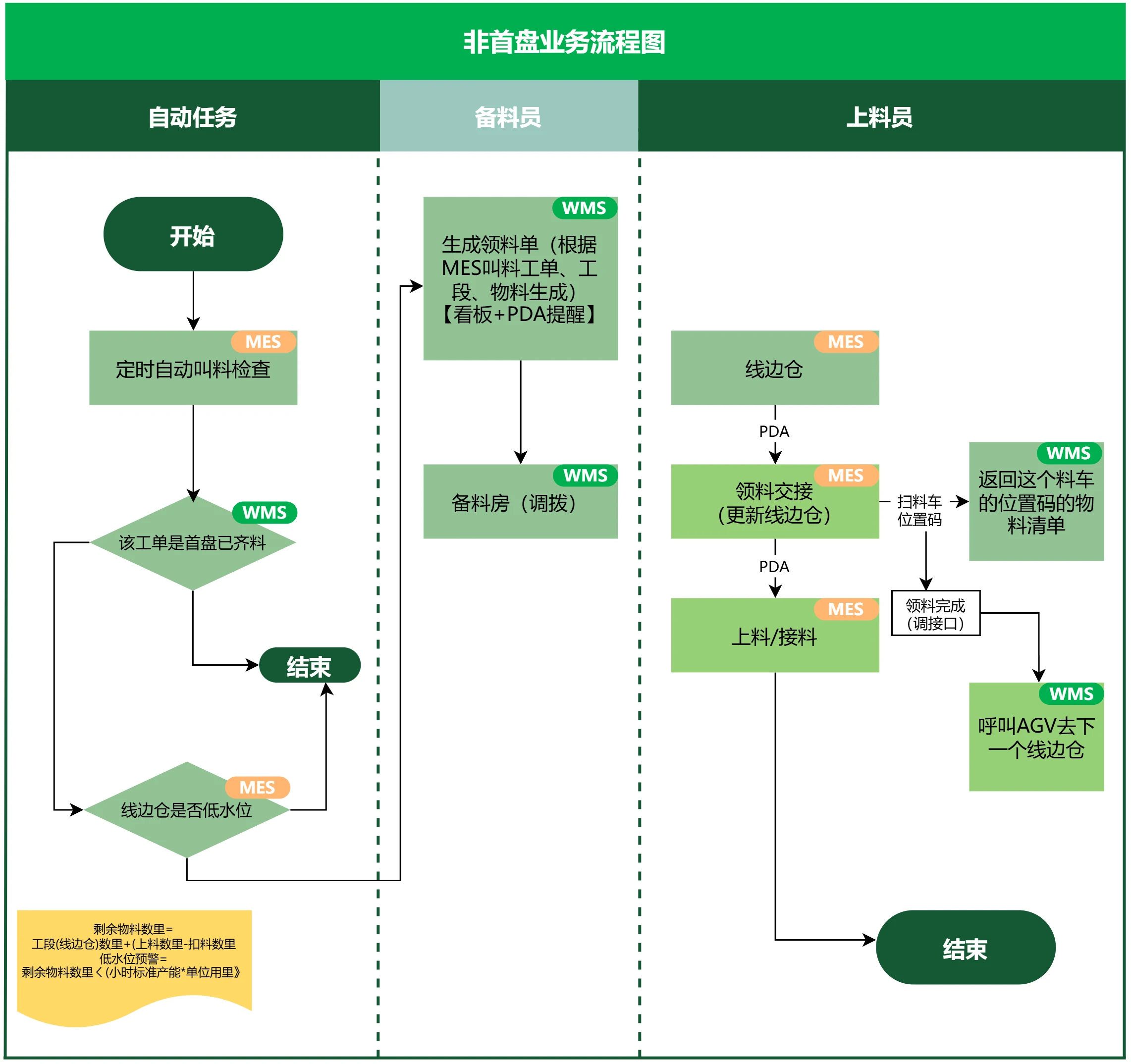
JIT Just-in-Time Material Call Business Process Diagram


Implementation Path
Phase 1: Investigation, Diagnosis & Foundation Building (2-3 Weeks)
Key Tasks
On-site investigation of production rhythm, material attributes, warehouse layout, and existing operation processes; identify core pain points and bottleneck processes; collect core baseline data such as inventory turnover, downtime duration, inventory amount, and labor costs; clarify departmental responsibilities.
Deliverables
Current Status Diagnosis Report
Material Classification List
Baseline Data Ledger
Departmental Responsibility Division Table
Phase 2: Solution Design & Standard Formulation (3-4 Weeks)
Key Tasks
Combine baseline data to design calling modes, distribution routes, and operation standards suitable for the enterprise; formulate calling trigger rules, response timeliness, and exception handling processes; complete system integration (if needed) and hardware support plans; organize multi-department solution reviews for production, warehouse, and purchasing, optimizing and improving.
Deliverables
JIT Material Calling Overall Solution
Standard Operating Procedure (SOP)
Exception Handling Process
System Interface Requirements Specification (if needed)
Phase 3: Pilot Verification & Optimization Iteration (4-6 Weeks)
Key Tasks
Select 1-2 production lines with stable rhythms and prominent pain points as pilots; complete relevant personnel training (calling operation, SOP execution, system usage), hardware deployment (if needed), and system testing; implement pilot calling processes, review operational issues daily, iteratively optimize solutions and standards.
Deliverables
Pilot Operation Report
Optimized SOP
Problem Closed-Loop Ledger
Pilot Effect Analysis Report
Phase 4: Full Promotion & System Implementation (8-12 Weeks)
Key Tasks
Promote mature pilot solutions by production line/workshop in batches; complete full-factory hardware deployment (if needed) and full system module launch; organize all-staff training and assessment to ensure standardized operation implementation; establish daily operation control mechanisms and regularly check execution.
Deliverables
Full Promotion Plan
Training Records
Assessment Results
Operation Control System Documents
Phase 5: Continuous Optimization & Lean Upgrade (Long-term)
Key Tasks
Establish monthly/quarterly data review mechanisms, continuously optimize calling rhythms, batch sizes, and distribution routes; gradually expand advanced functions such as supplier JIT direct delivery and AGV unmanned distribution; deepen digitalization construction, build full supply chain pull system; cultivate lean thinking among all staff.
Deliverables
Continuous Optimization Report
Lean Improvement Ledger
Supply Chain Collaboration Plan (Advanced)
Implementation Benefits
Raw Material/Line-side Inventory
Reduce by 30%-60%
Idle Inventory
Reduce by over 40%
Inventory Turnover Rate
Improve by 40%-80%
Significantly release enterprise working capital
Release 30%-50% occupied capital
Unplanned Material Shortage Downtime
Reduce by over 80%
Overall Equipment Effectiveness (OEE)
Improve by 10%-20%
Ineffective Handling, Manual Material Urging
Reduce by over 60%
Production Delivery Cycle
Shorten by 20%-30%
Line-side Material Occupied Space
Reduce by over 50%
Warehouse Capacity Utilization
Improve by over 30%
Material Management Labor Cost
Reduce by 20%-40%
Material Loss Rate
Reduced by 50% or more
Rework Cost
Reduce by 30%-40%
Wrong Material, Mixed Material Occurrence Rate
Reduce by over 90%
FIFO Execution Rate
100%
Material Batch Traceability Accuracy
100%
Product Pass Rate
Improve by 5%-10%
Qualitative Management Benefits
Warehouse Management Standardization and Transparency
Full process automation and visualization of warehouse operations, real-time traceability of task progress, inventory status, and equipment status, breaking away from strong dependence on manual experience, reducing management difficulty, achieving refined and standardized warehouse management, meeting industry compliance requirements.
Production Collaboration Capability Improvement
打通 coordination between warehousing and production, purchasing processes, achieving automatic triggering and rapid response of production line replenishment and finished product inbound, avoiding production material shortages or material backlogs, stabilizing production rhythms, and improving full-chain production efficiency; after interfacing with supplier logistics systems, can achieve supply chain 'zero inventory' management, reducing capital occupation rate.
Work Environment Improvement
Replace manual labor in high-intensity, high-risk, high-pollution warehouse operations, reduce labor intensity, improve working environment, and enhance employee satisfaction; in special scenarios such as clean rooms, cold chain, and explosion-proof environments, avoid pollution and safety hazards caused by manual operations, meet industry compliance requirements, and enhance corporate brand image.
Enterprise Automation Level Upgrade
As the core equipment of automated warehousing, the implementation of stacker crane AS/RS can promote the automation and intelligent transformation of enterprise warehousing, adapting to Industry 4.0 development trends, helping to build 'dark warehouses', enhancing core competitiveness, and laying the foundation for subsequent digital and intelligent upgrades; the implementation of advanced functions such as digital twin and green transformation further enhances sustainable development capabilities.
Customer Recognition
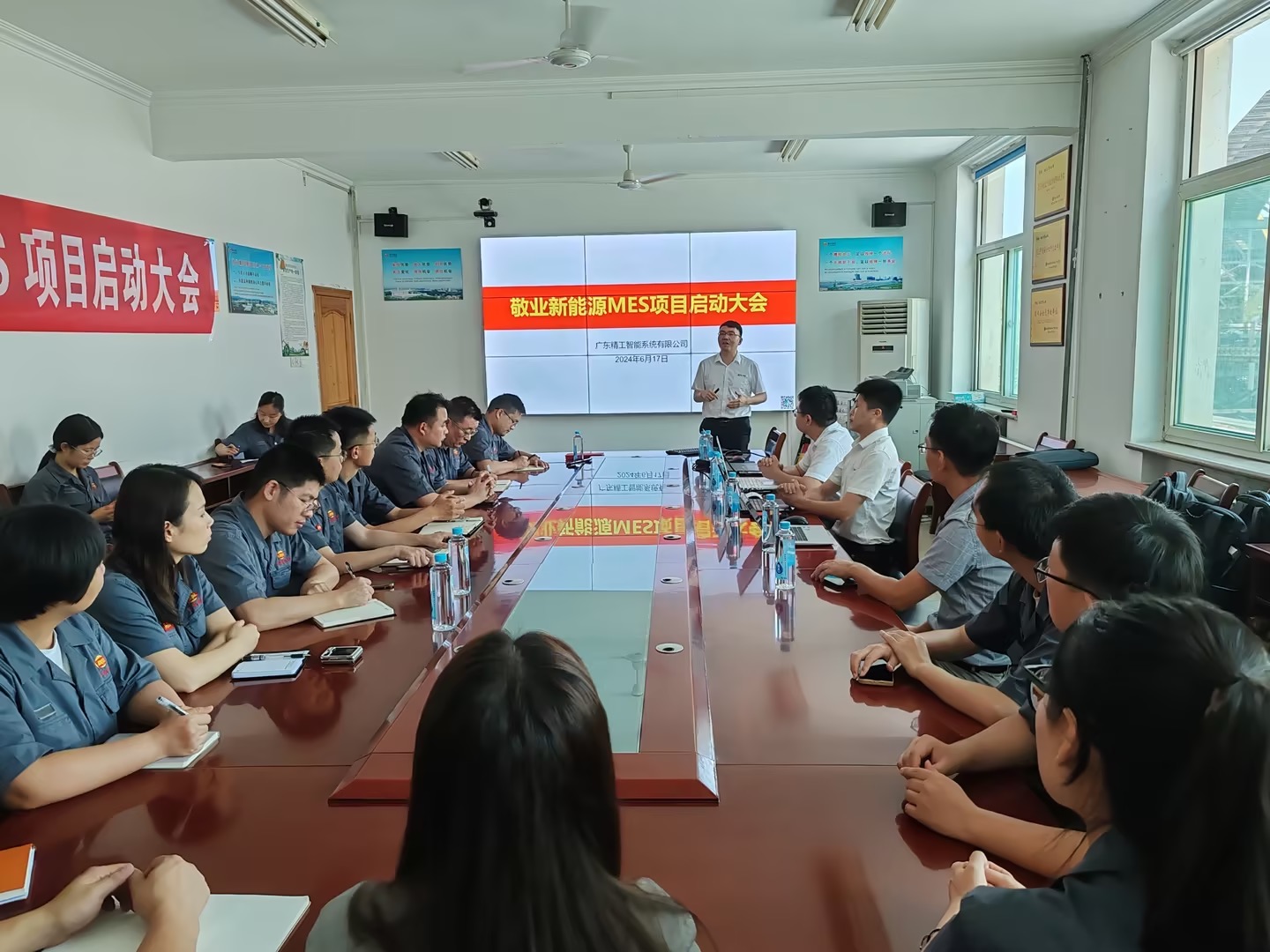
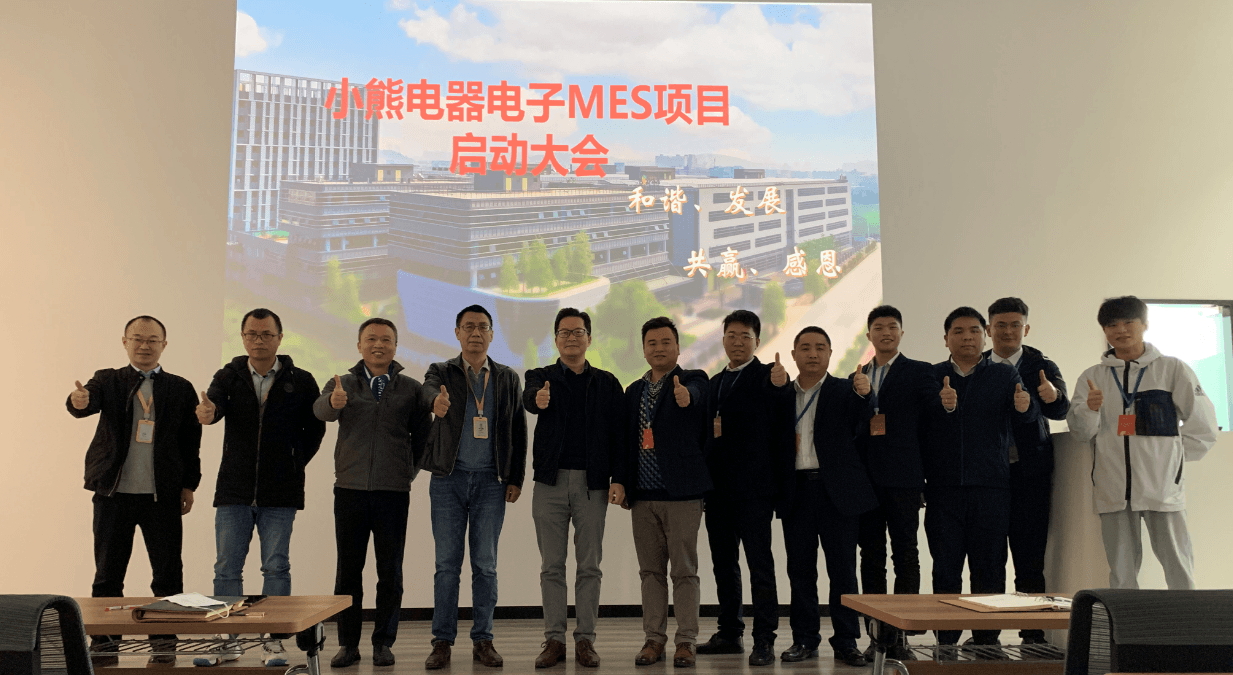
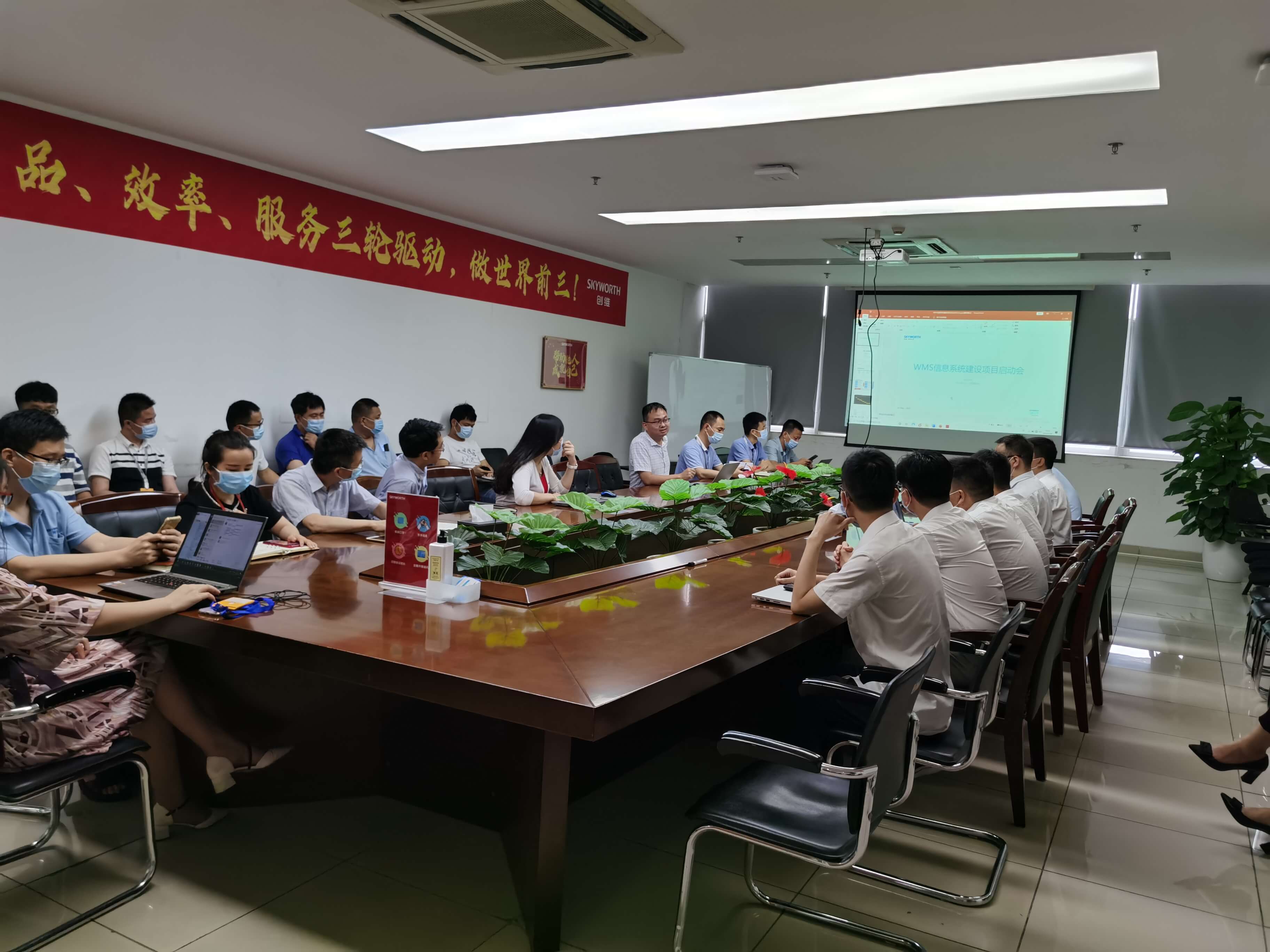
Project Kickoff Meeting

敬业集团MES项目

小熊电器WMS/MES项目

创维集团WMS/MES/APS项目
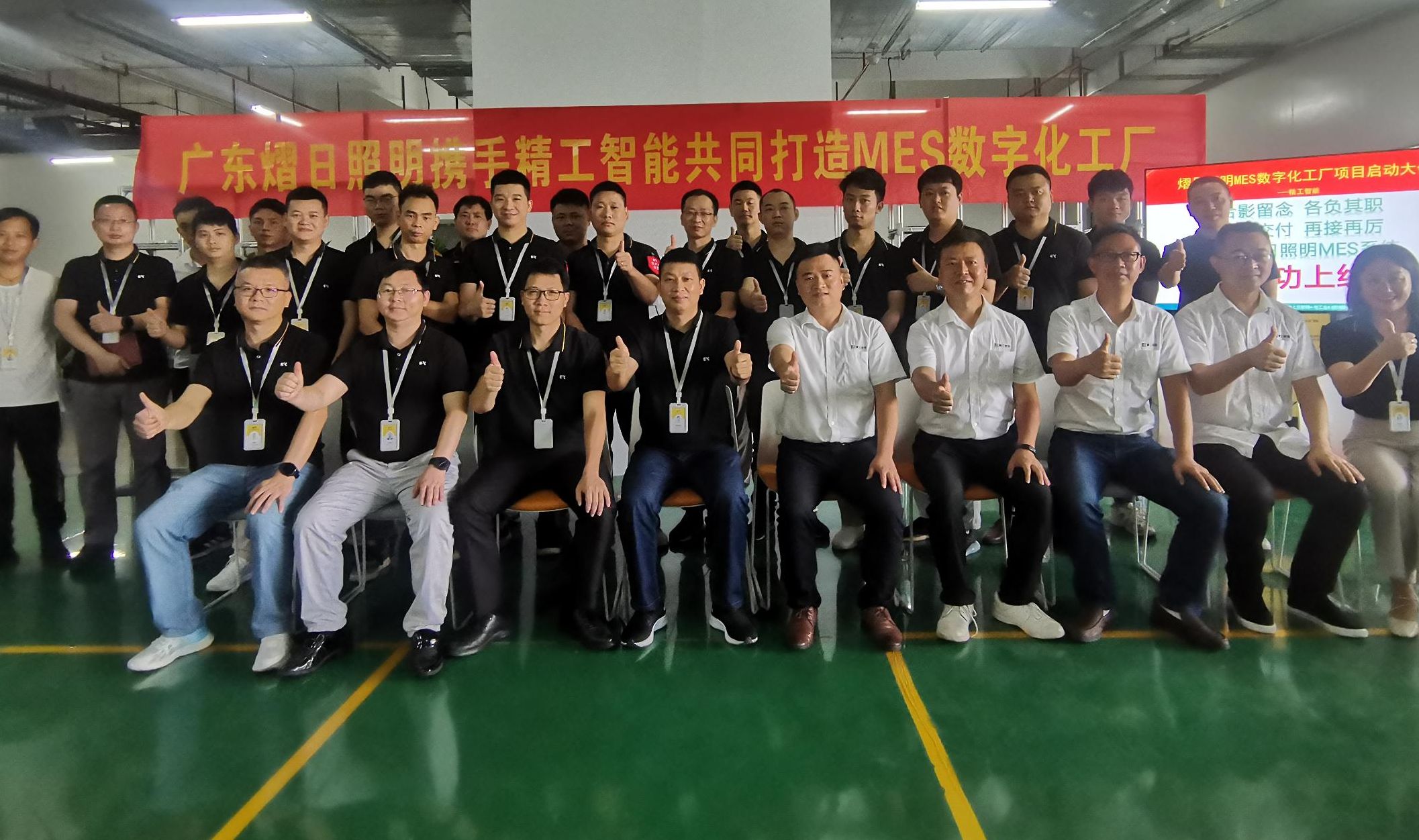
熠日照明WMS/MES/APS/SRM项目
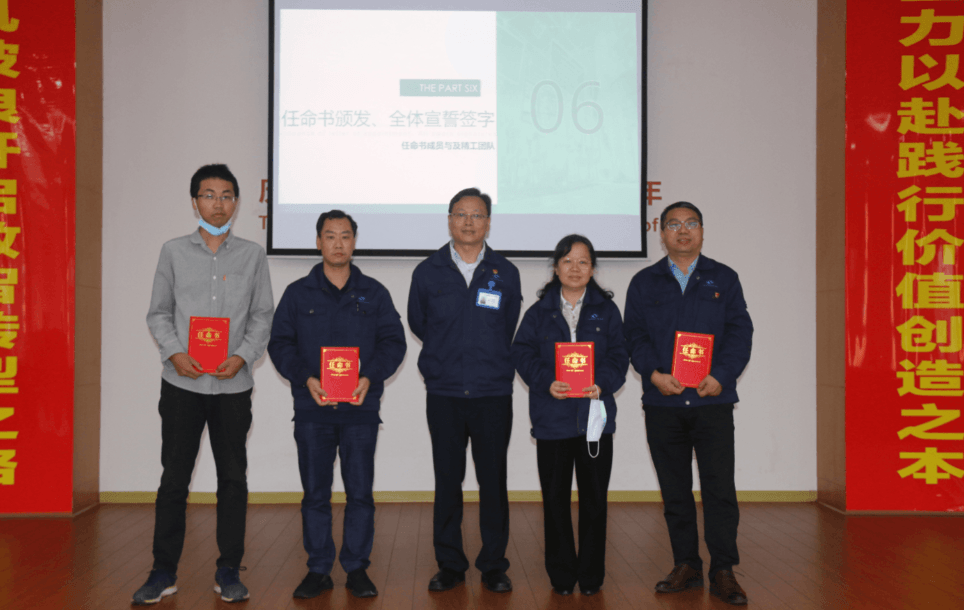
北方光电WMS/MES项目
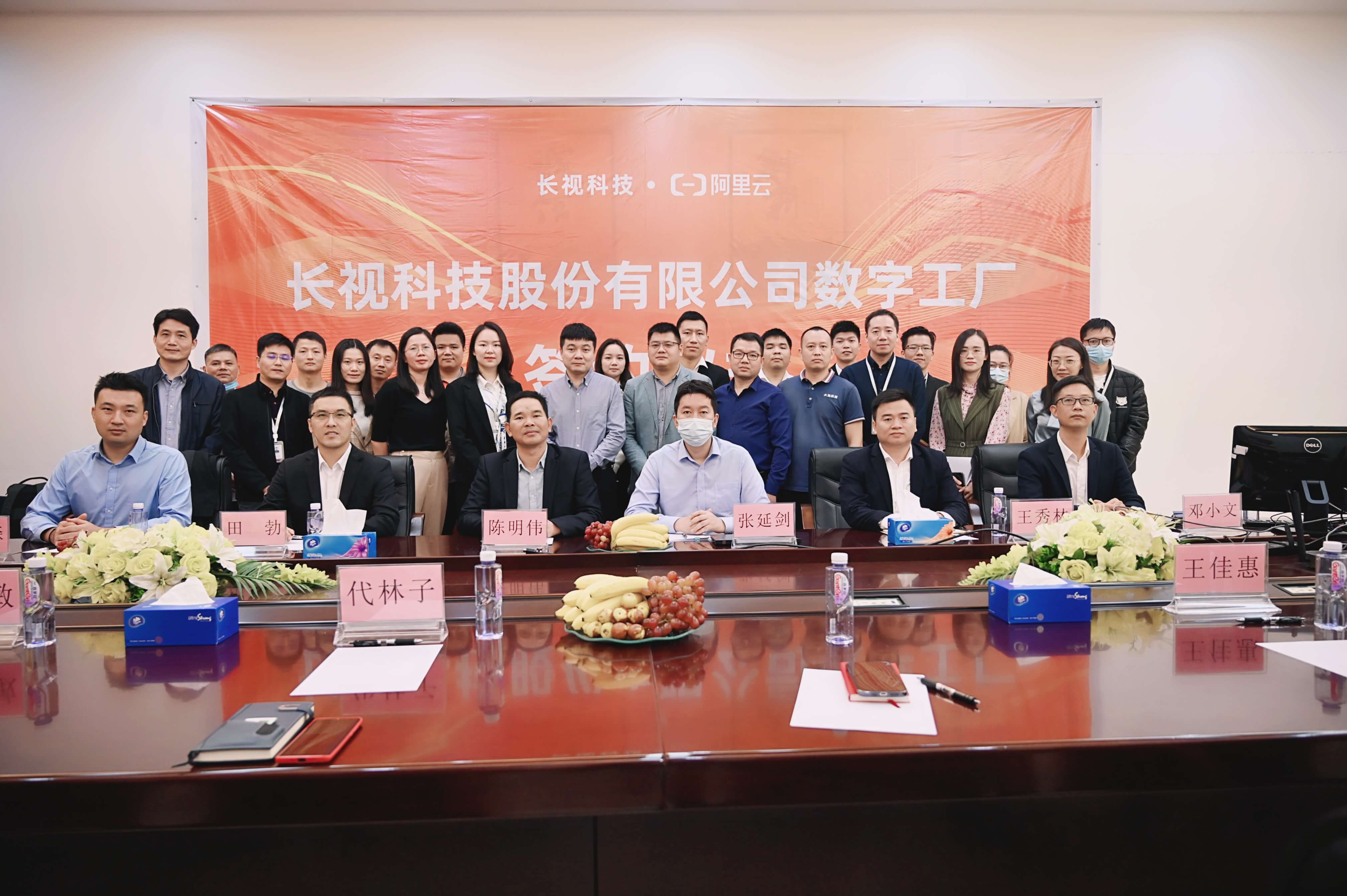
长视科技WMS/MES项目
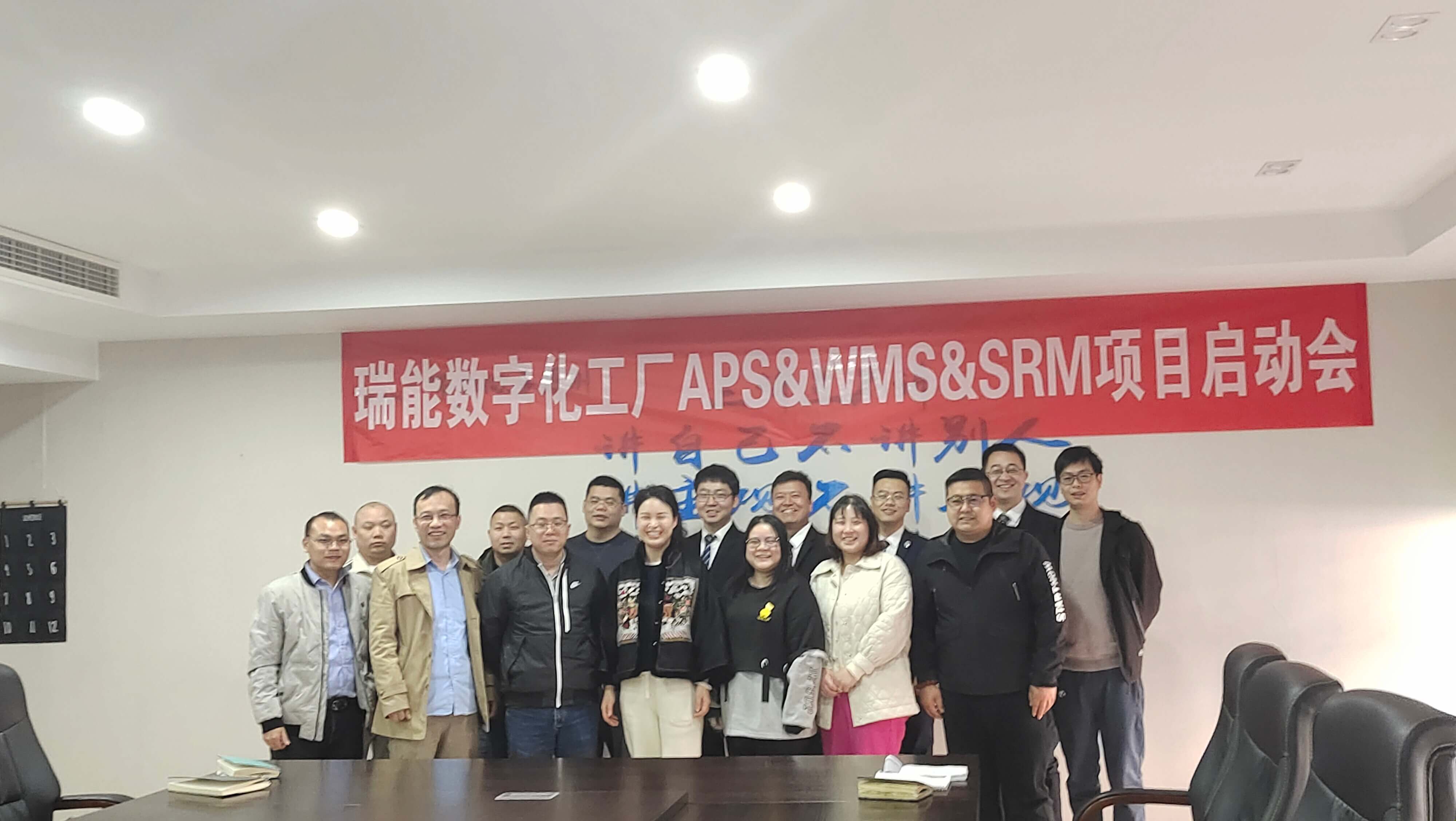
瑞能集团WMS/SRM/APS项目
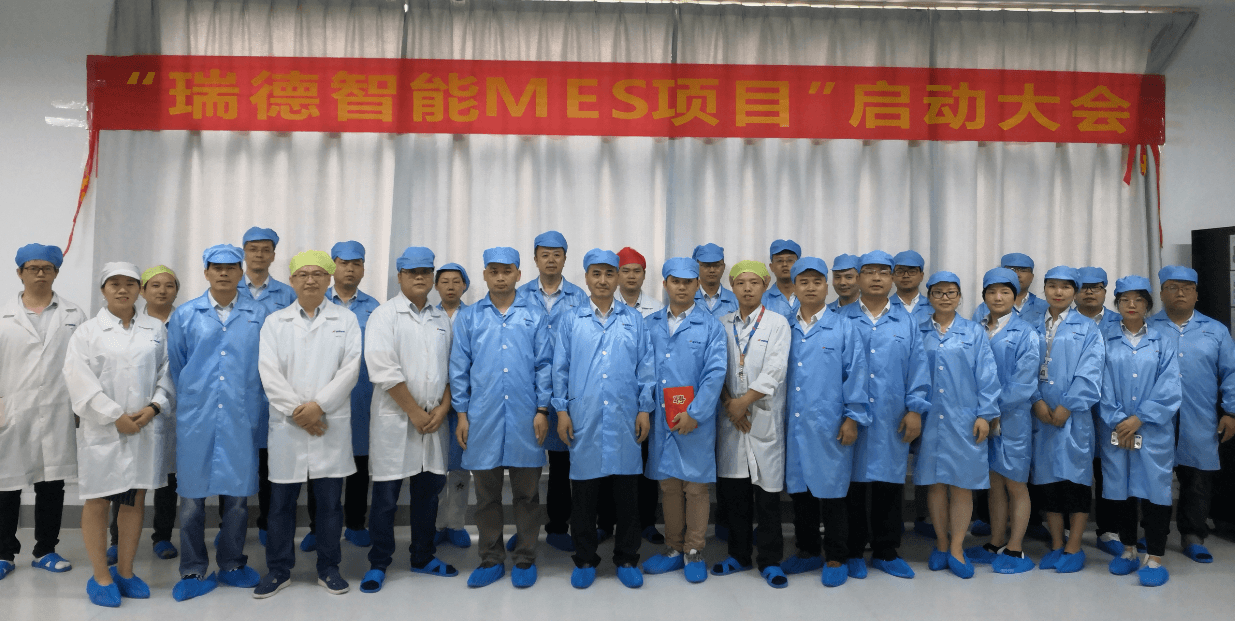
瑞德智能MES项目
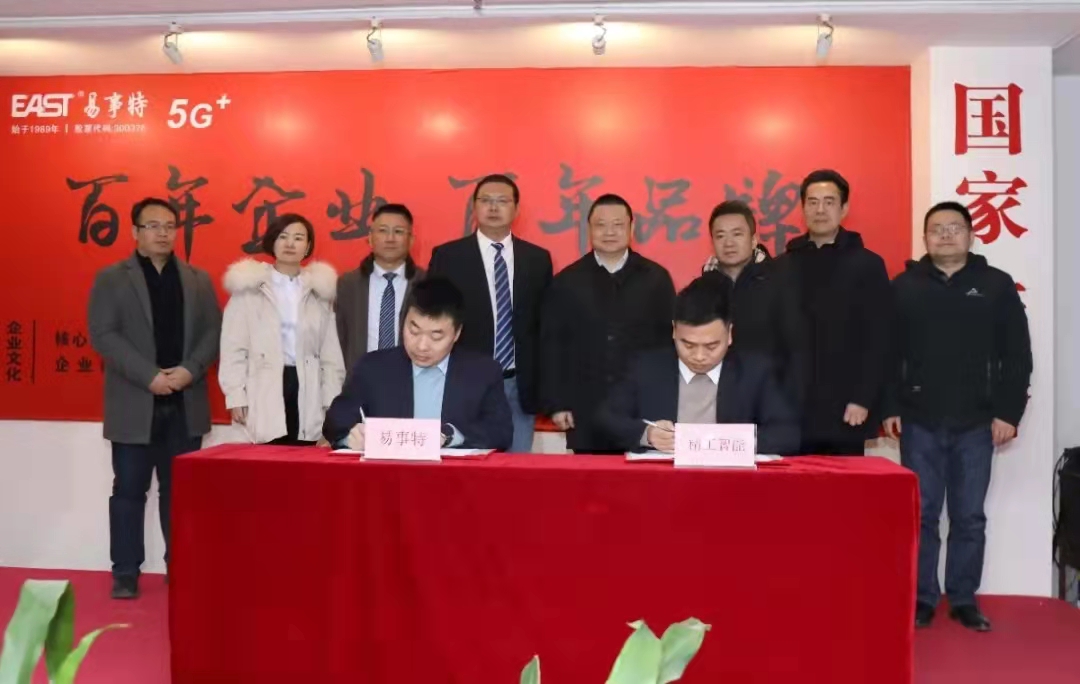
易事特WMS/MES/QMS项目
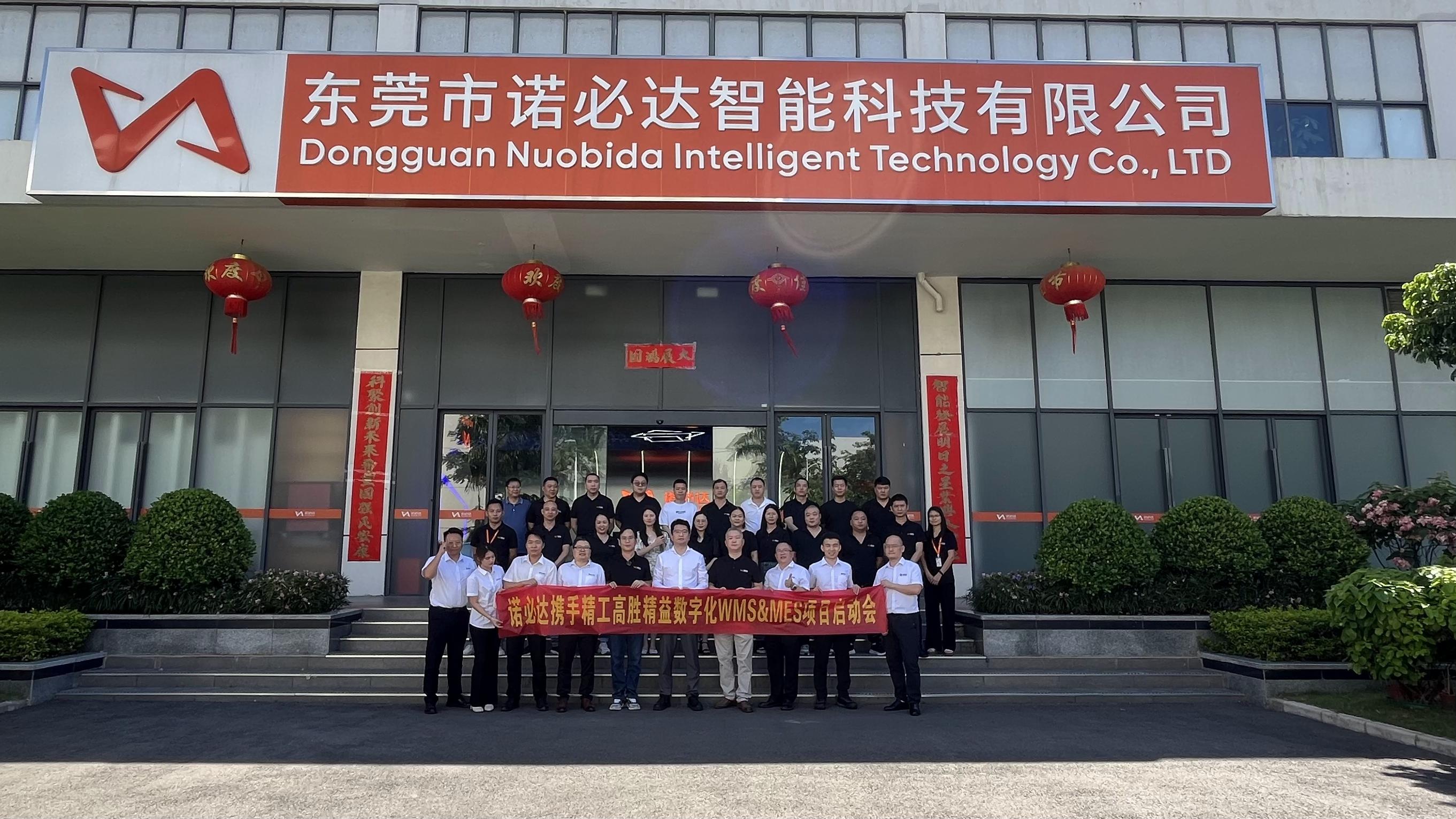
诺必达WMS&MES项目
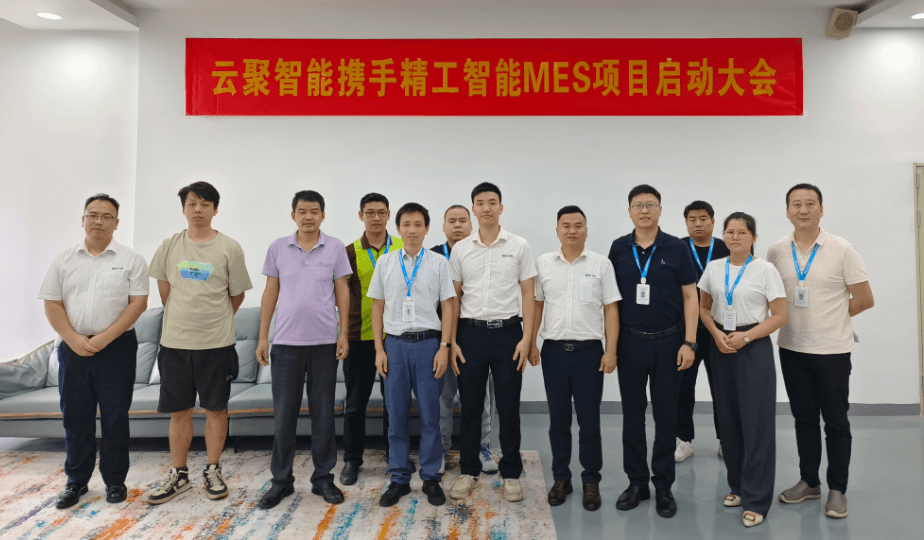
云聚MES项目
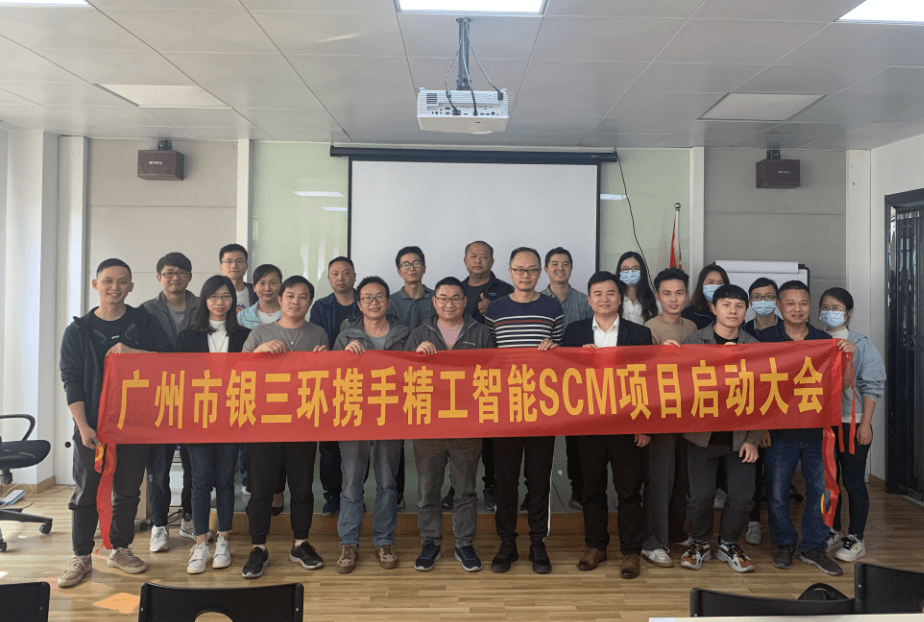
银三环SCM项目
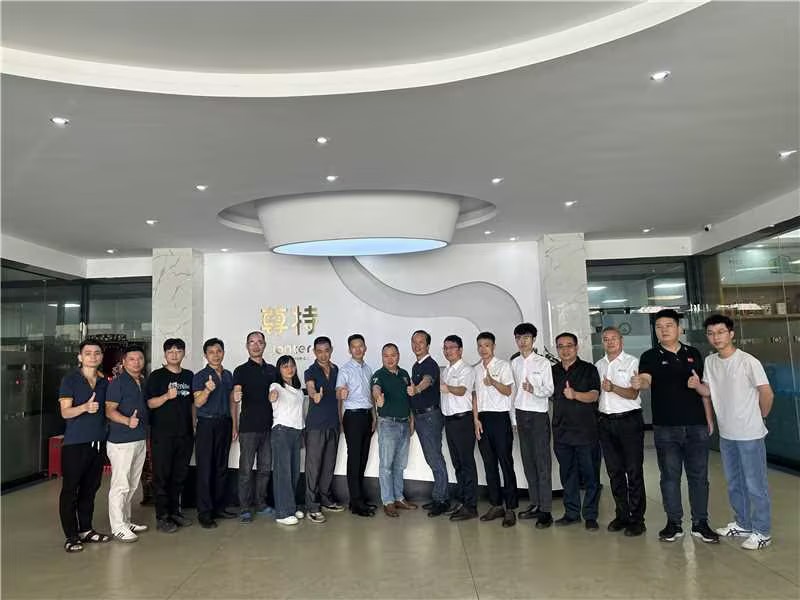
尊特数码MES项目
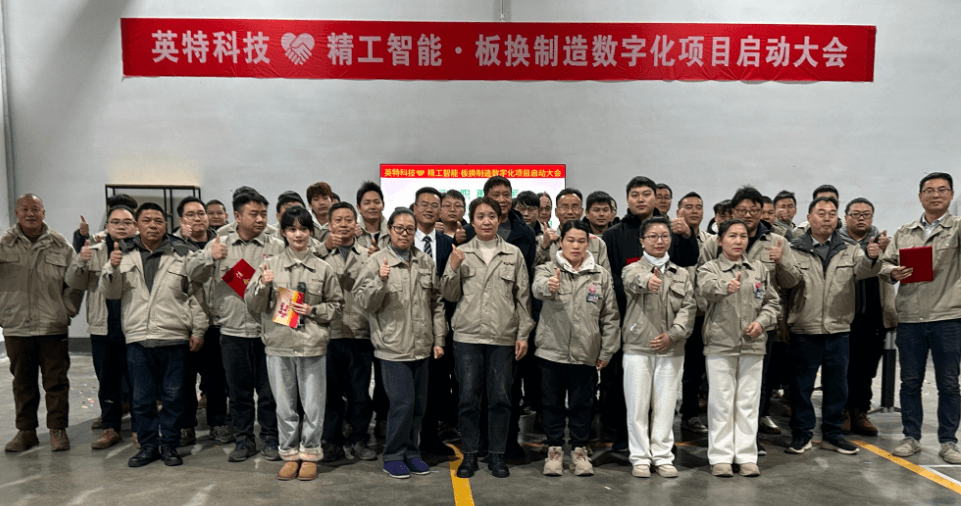
英特科技WMS&MES项目
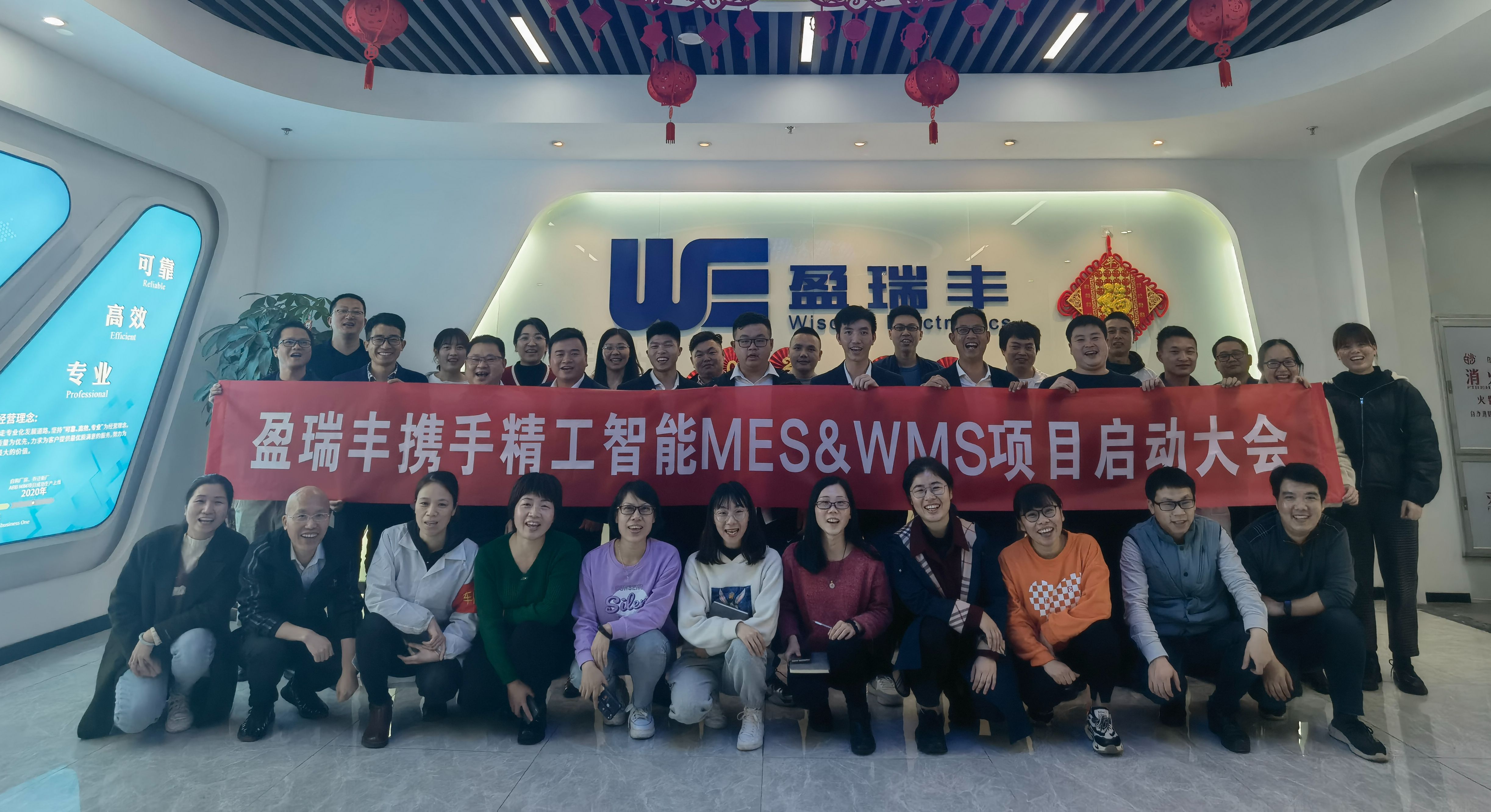
盈瑞丰WMS&MES项目
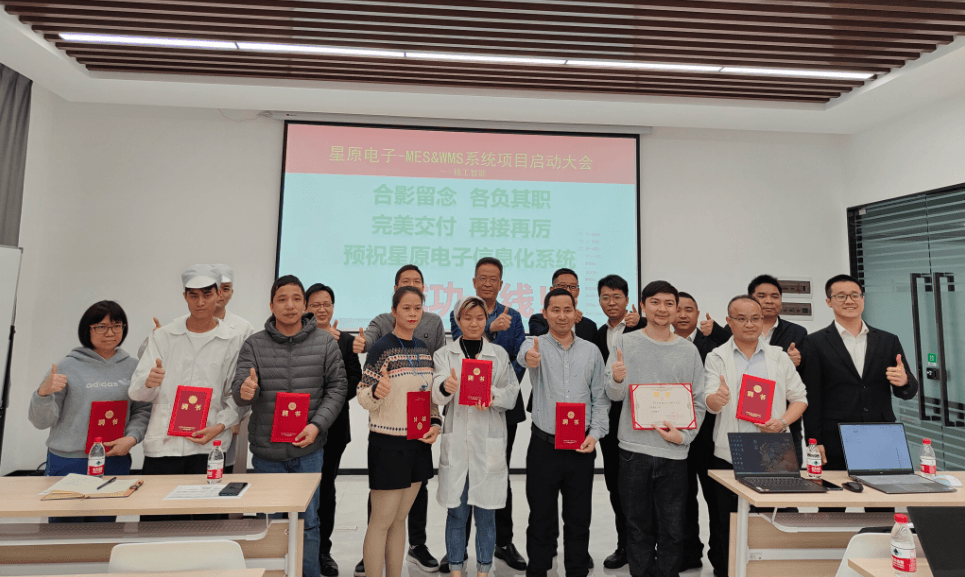
星原电子WMS&MES项目
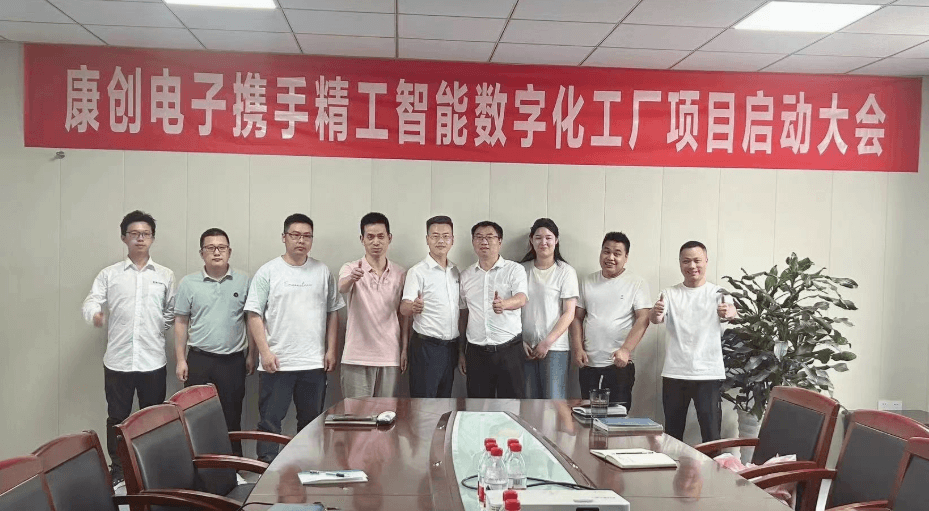
康创电子WMS/MES项目.
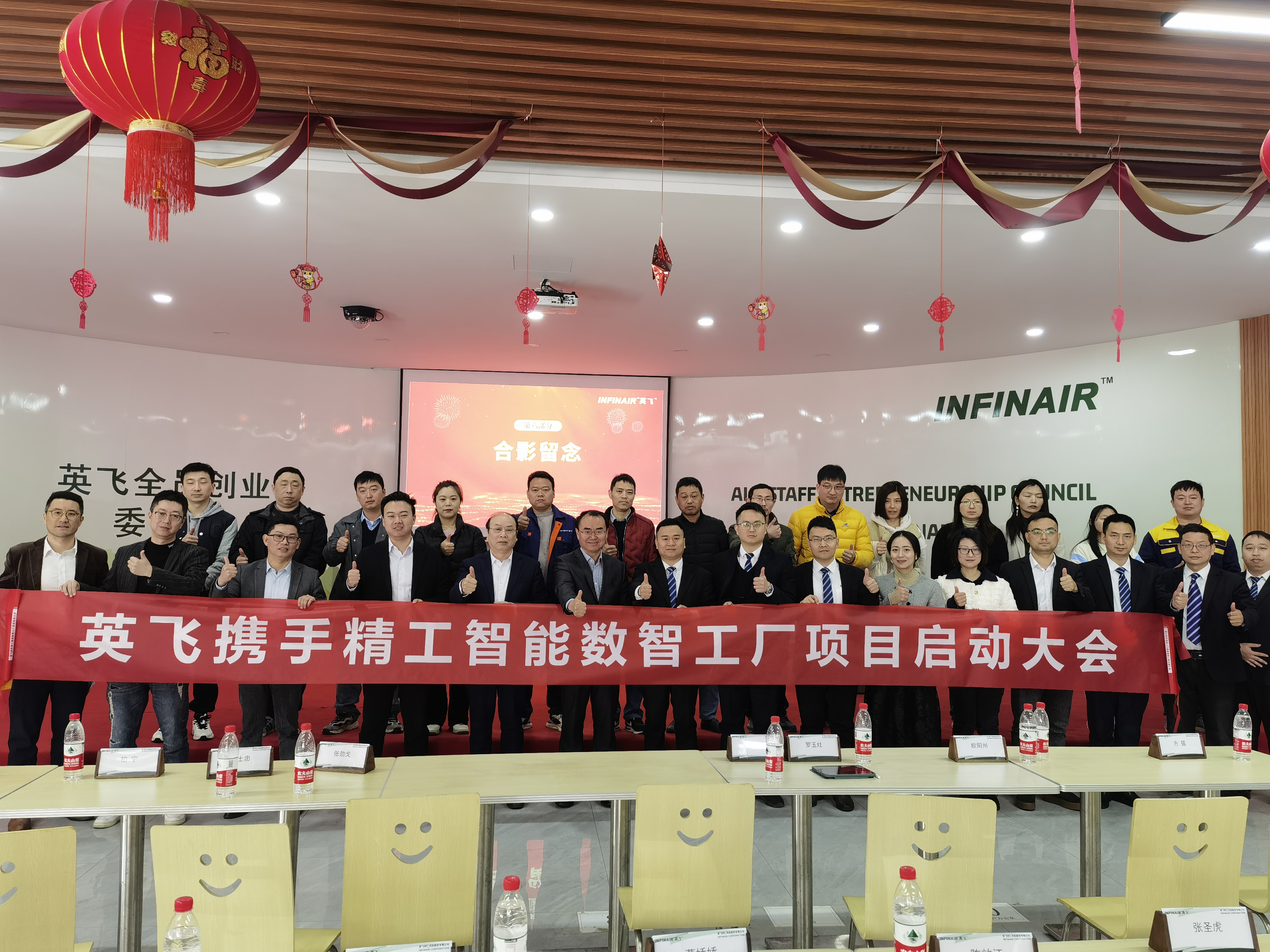
英飞同仁WMS/MES项目.
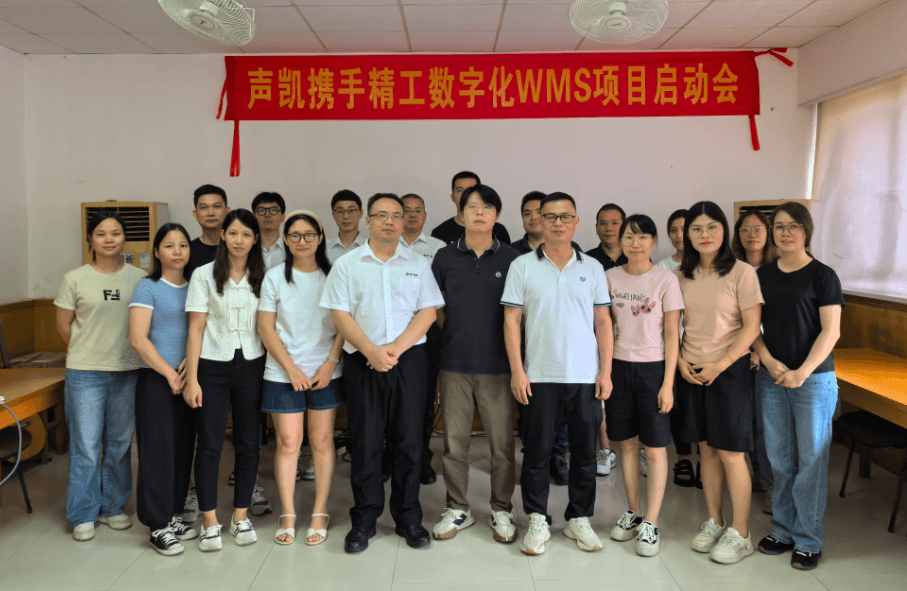
声凯乐器WMS项目
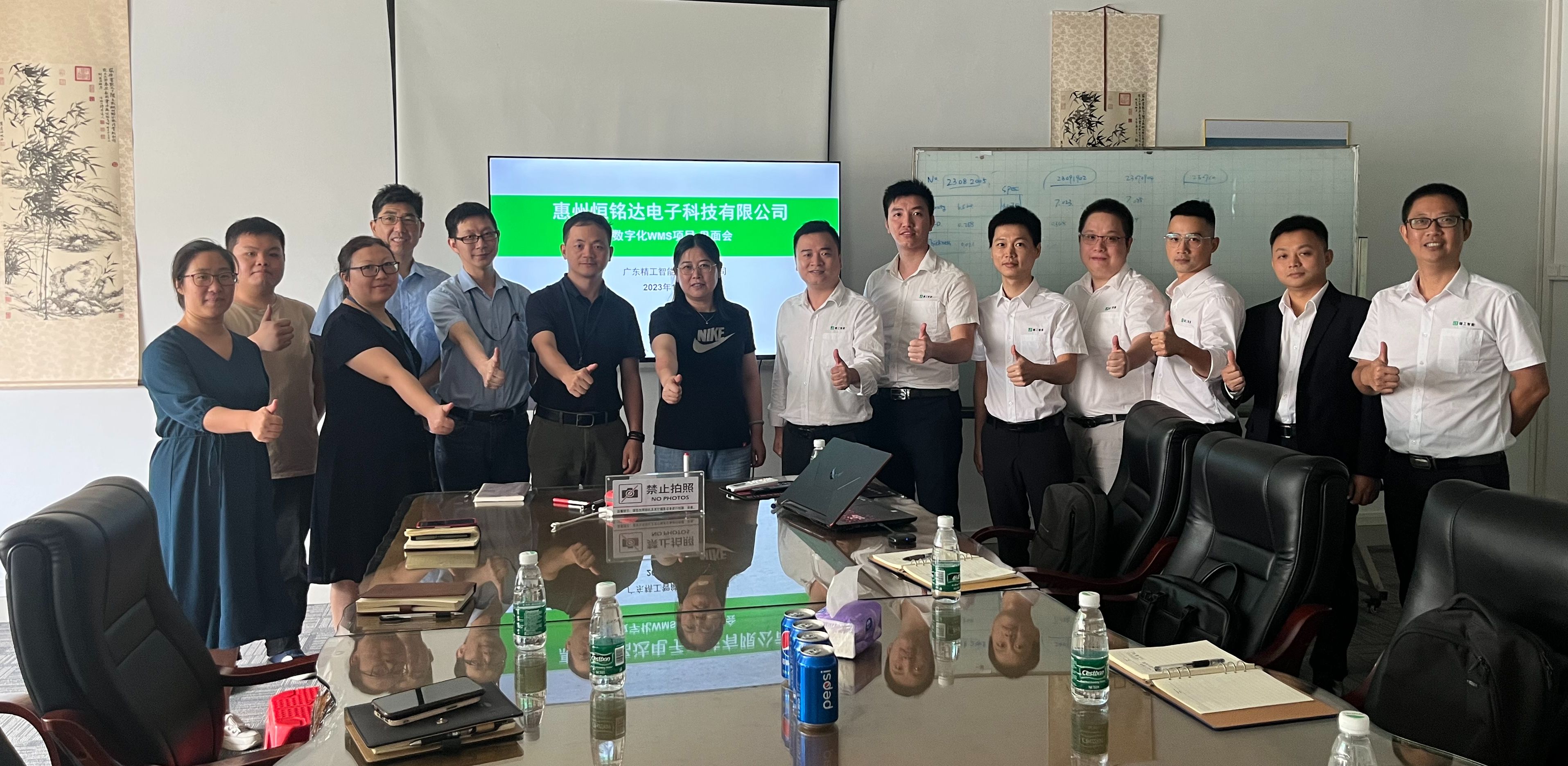
恒铭达WMS项目
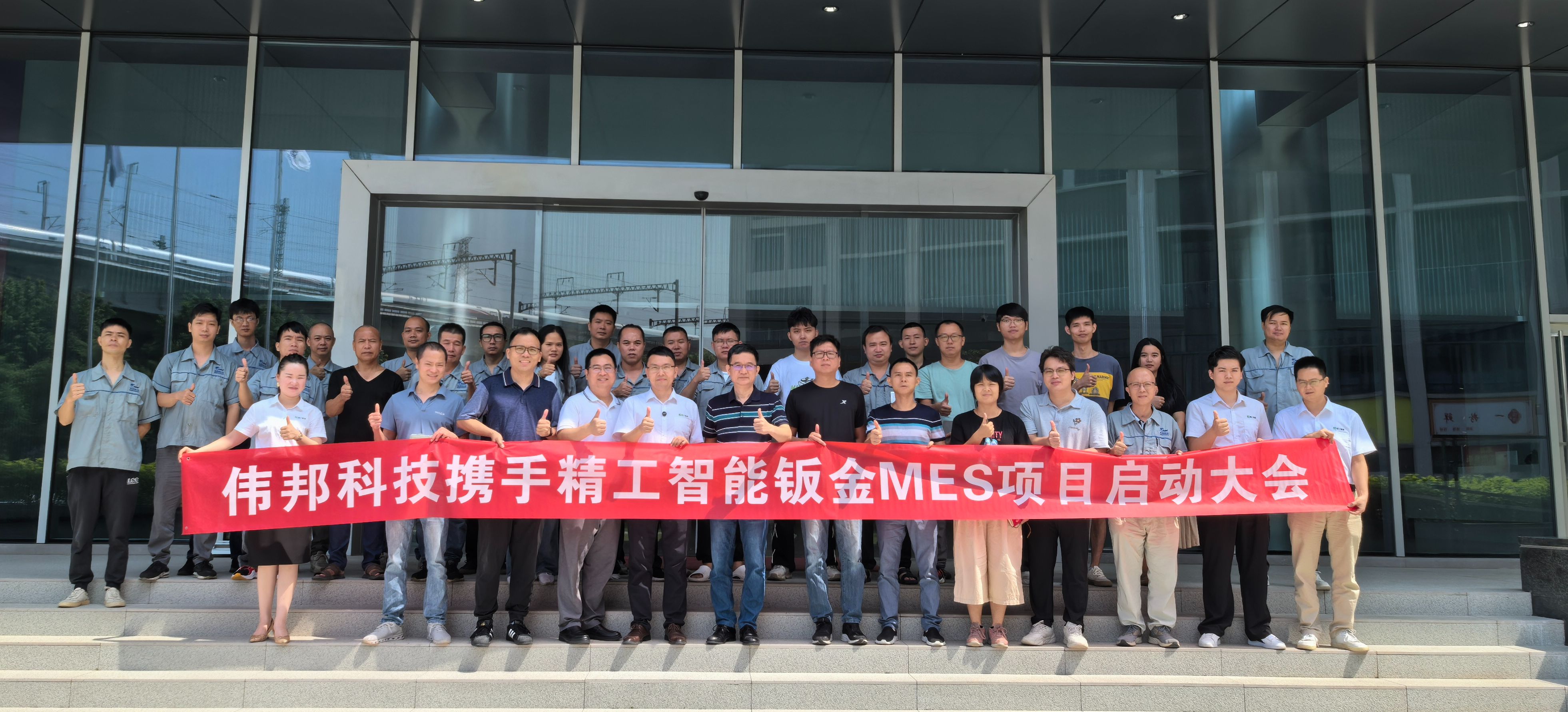
伟邦钣金MES项目
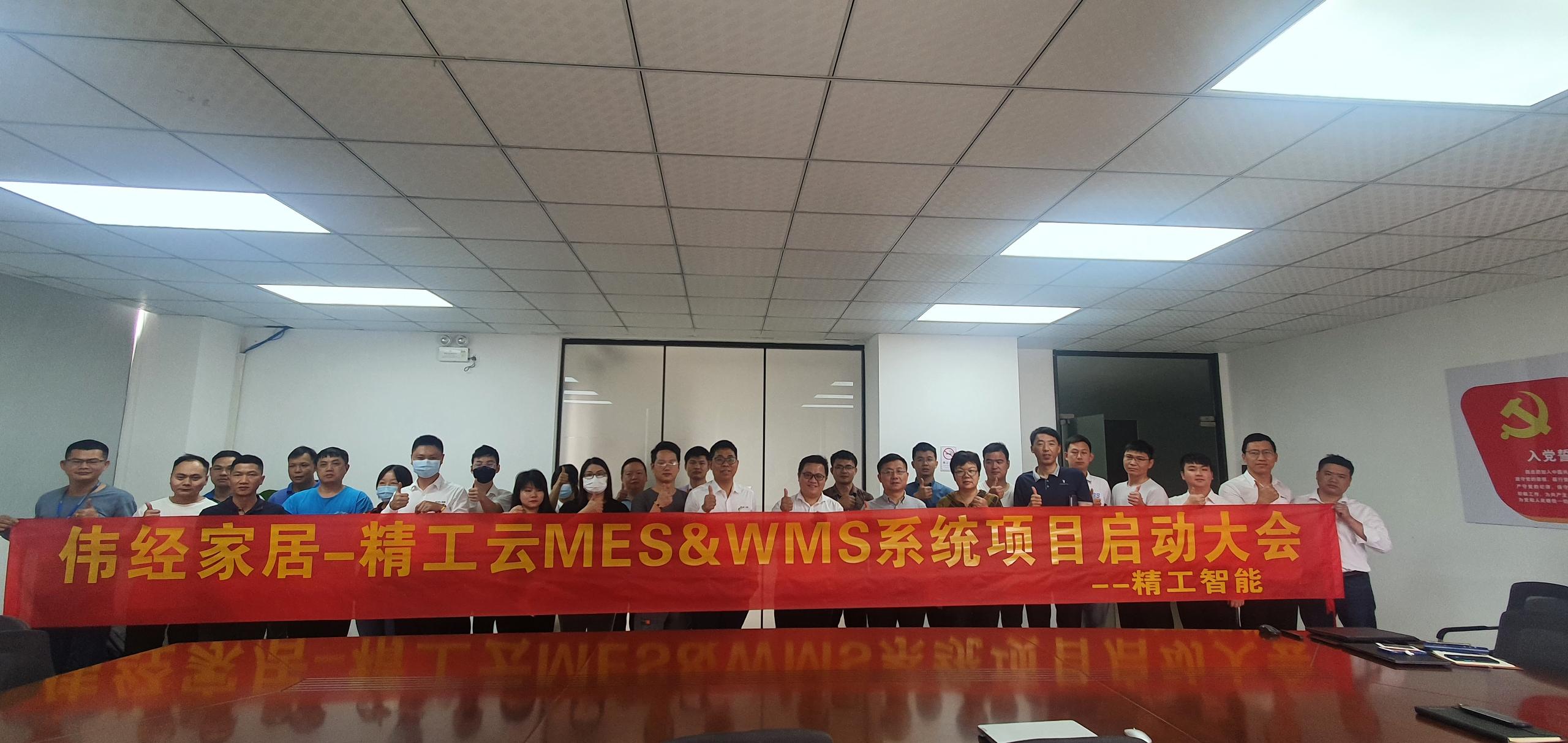
伟经家居WMS&MES项目
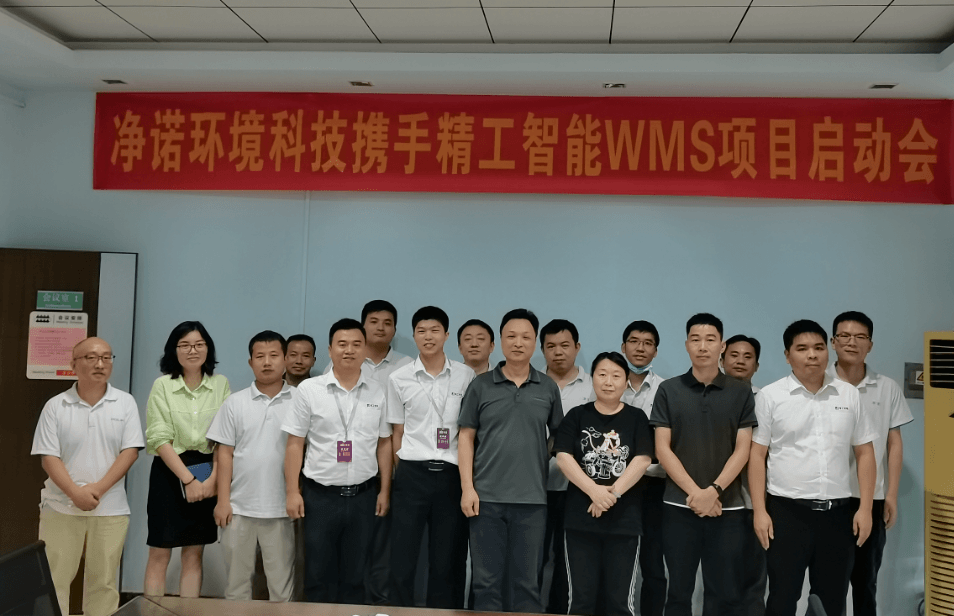
净诺环境WMS项目
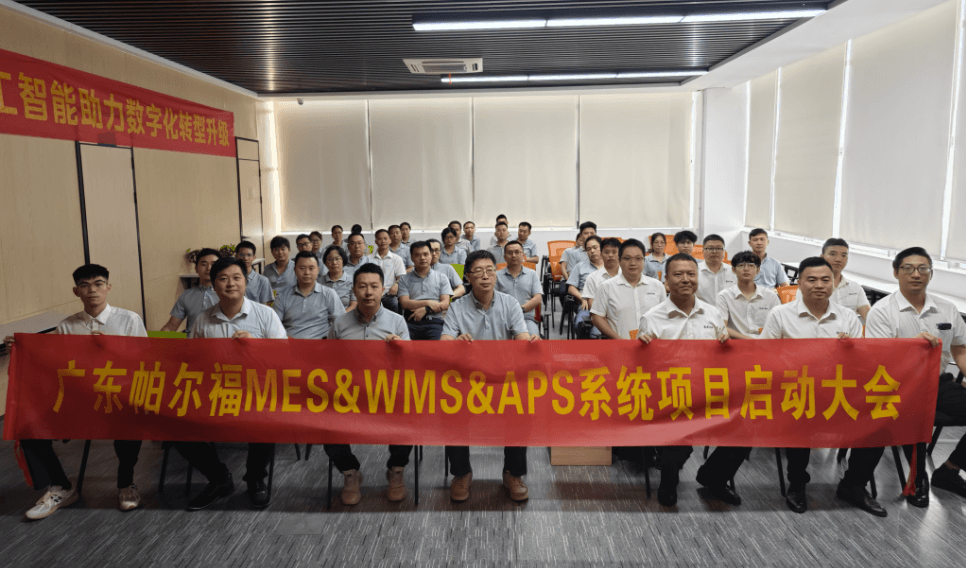
广东帕尔福MES&WMS&APS项目
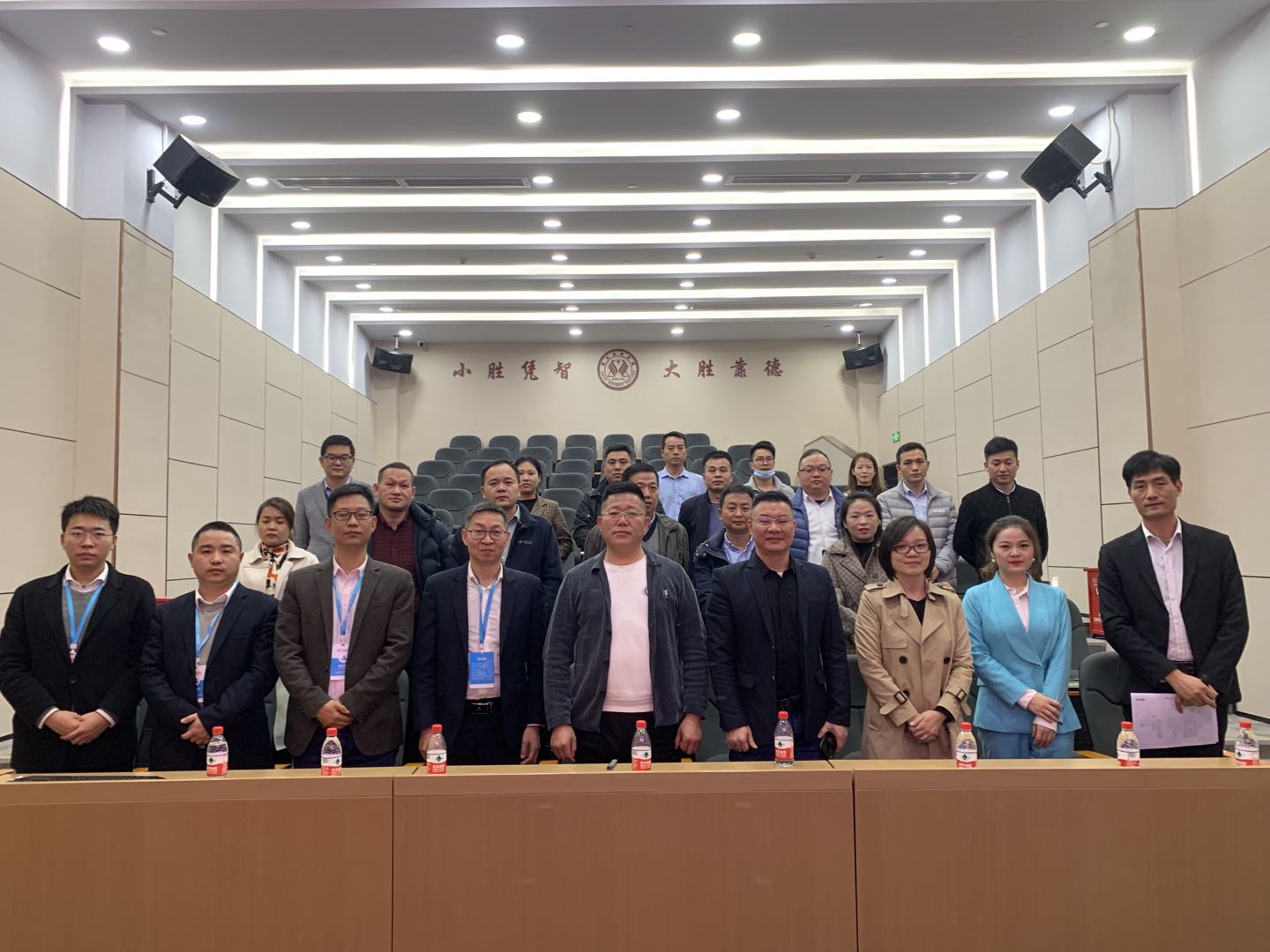
赛而美MES项目
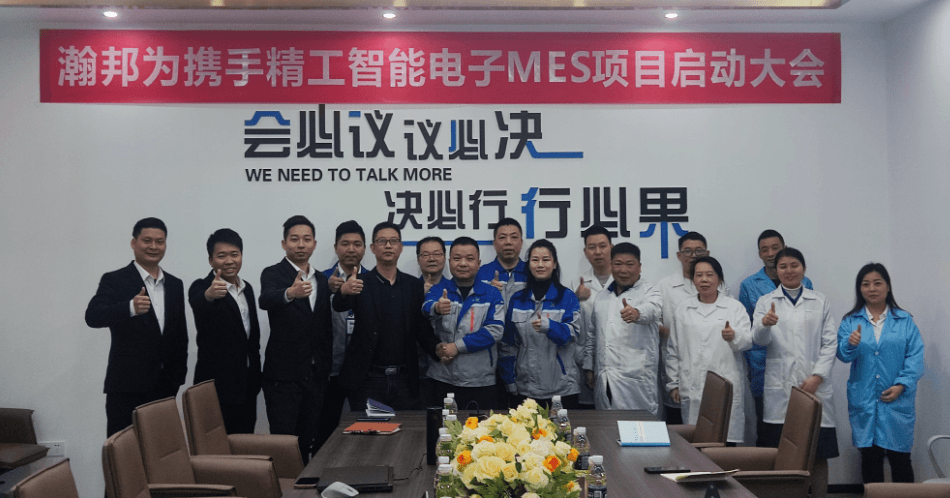
瀚邦为MES项目
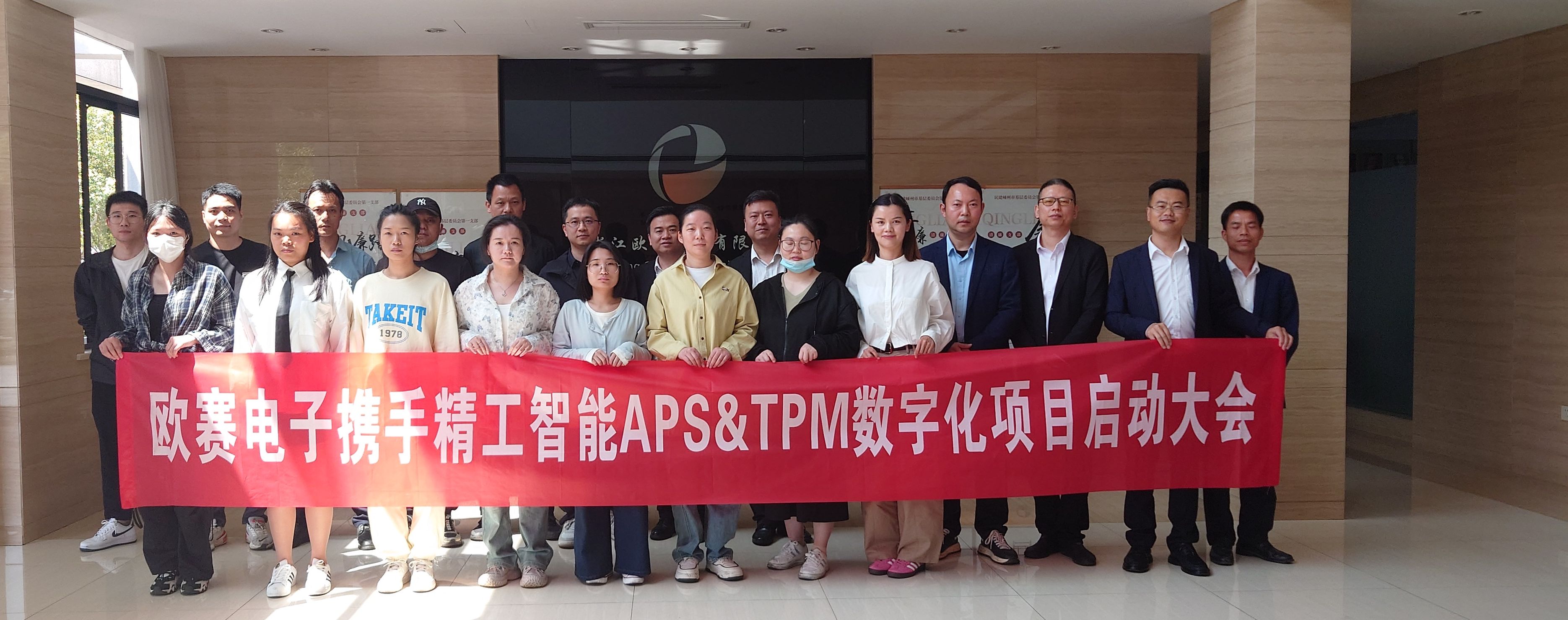
欧赛电子数字化项目
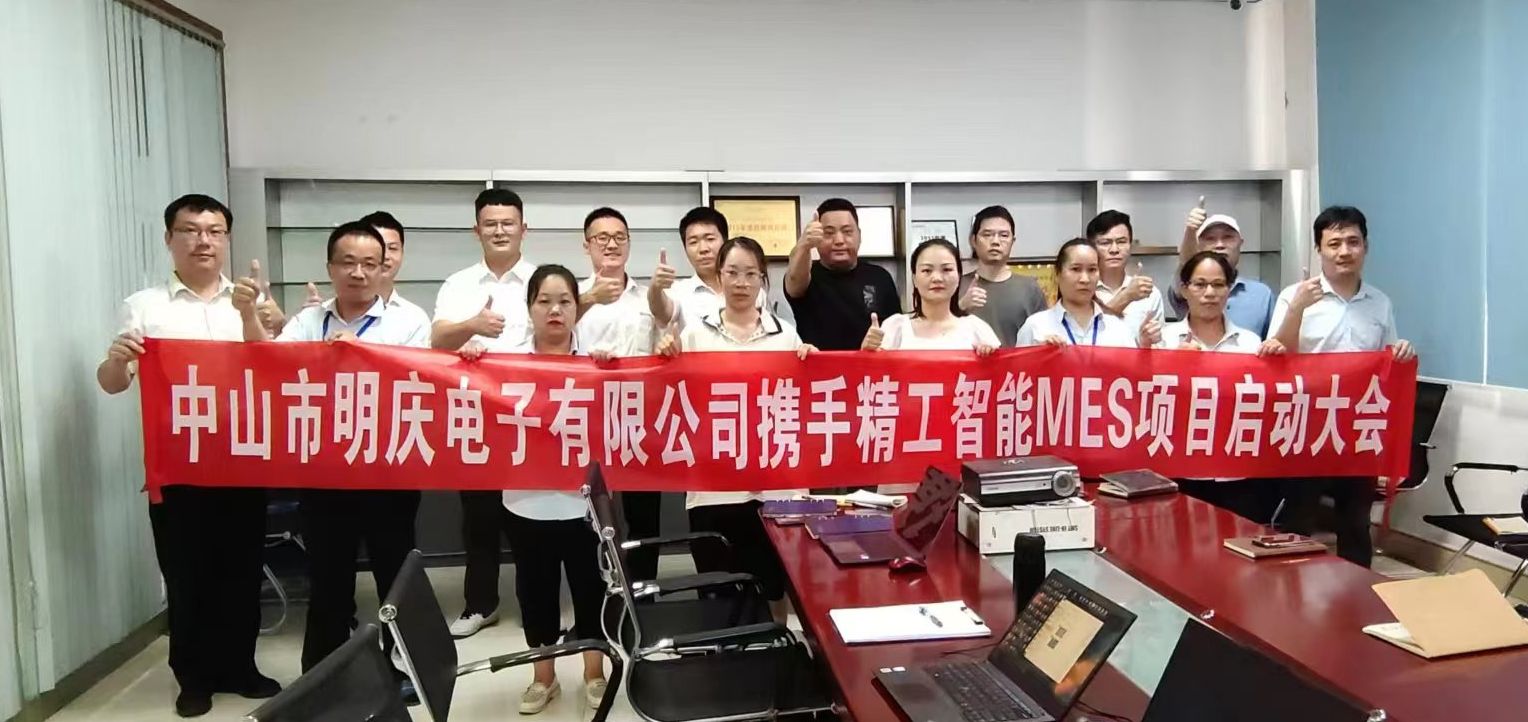
明庆电子MES项目
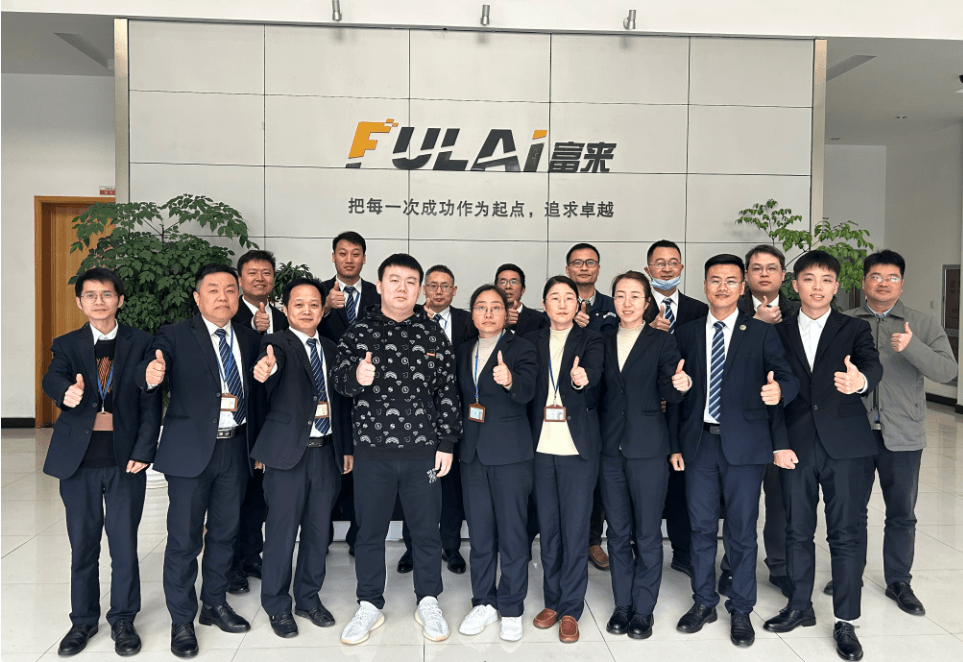
富来电子MES&WMS&APS项目
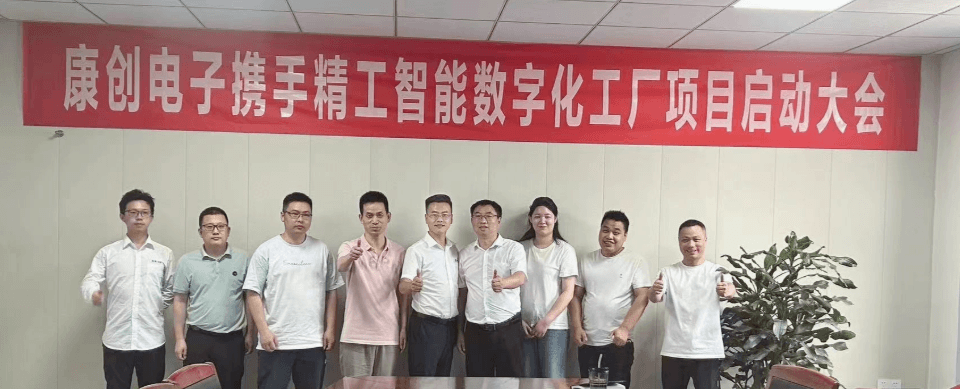
康创电子数字化项目
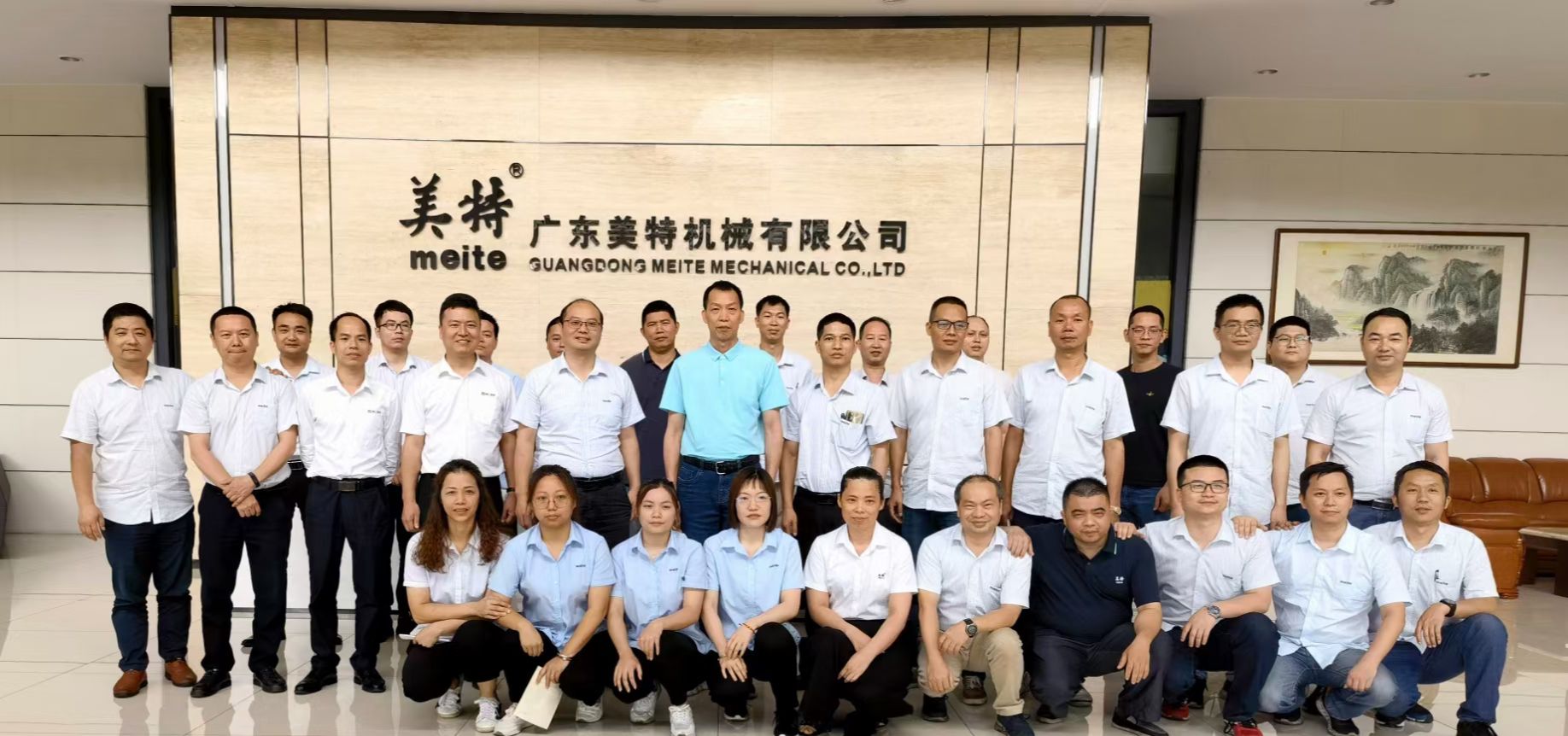
美特APS项目
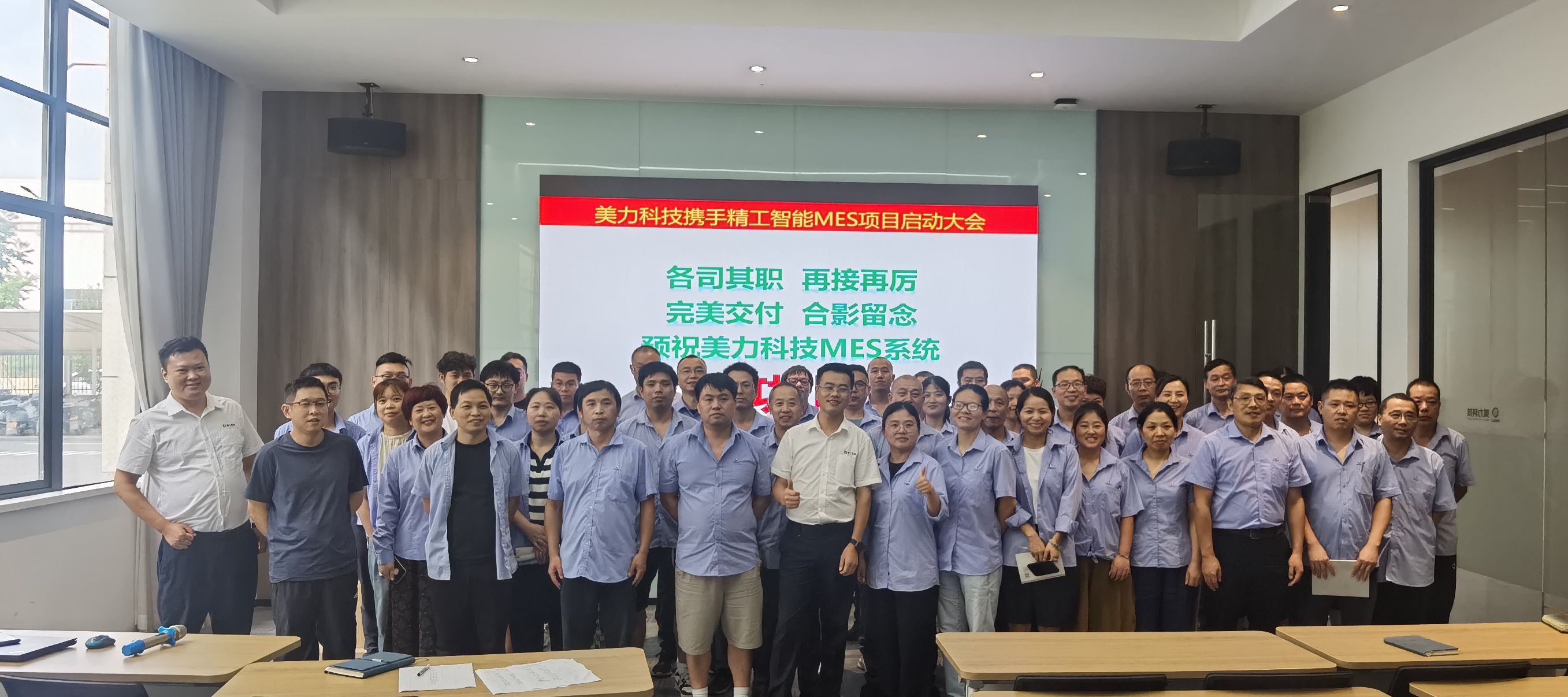
美力弹簧MES项目
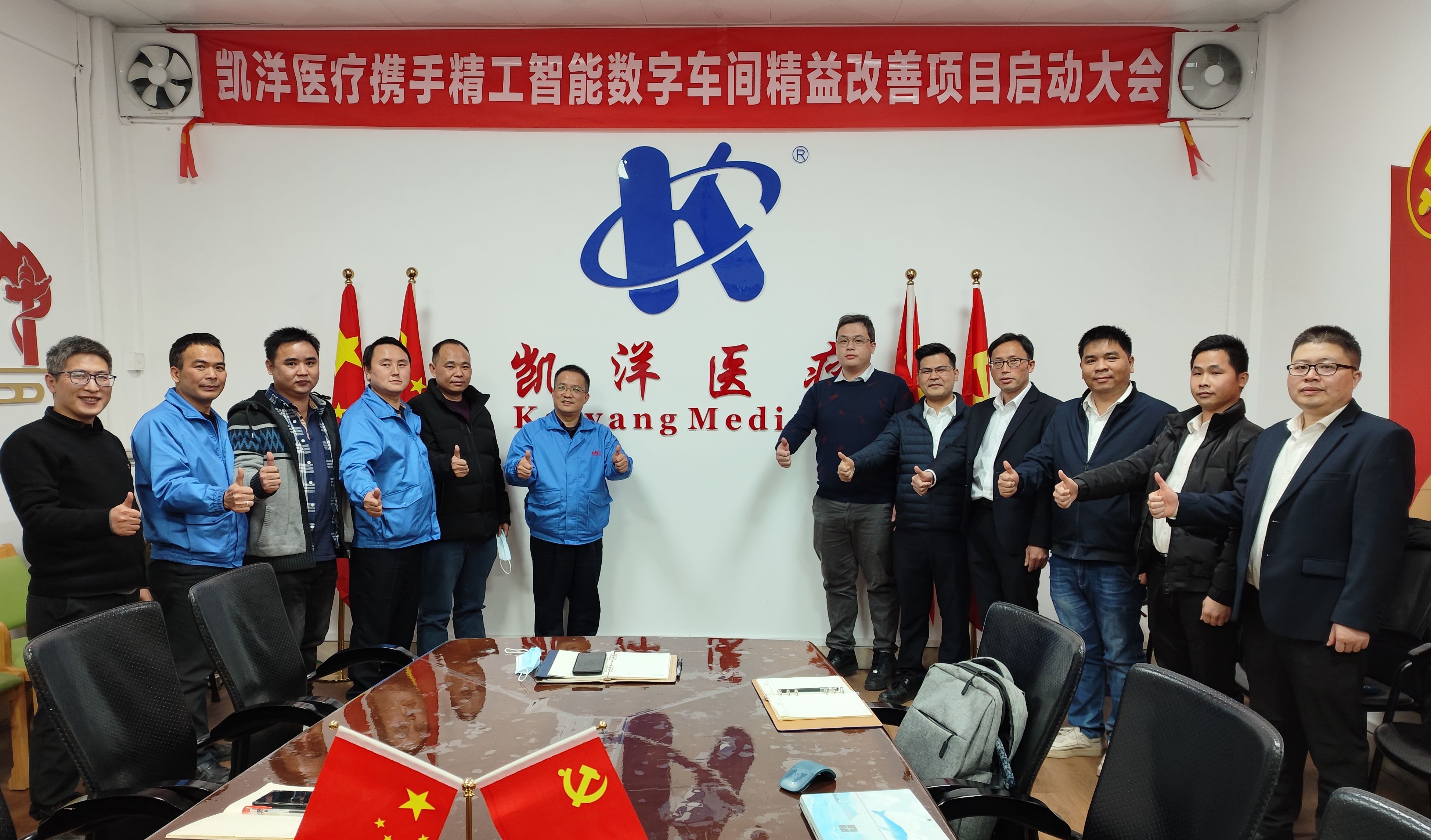
凯洋医疗数字化项目
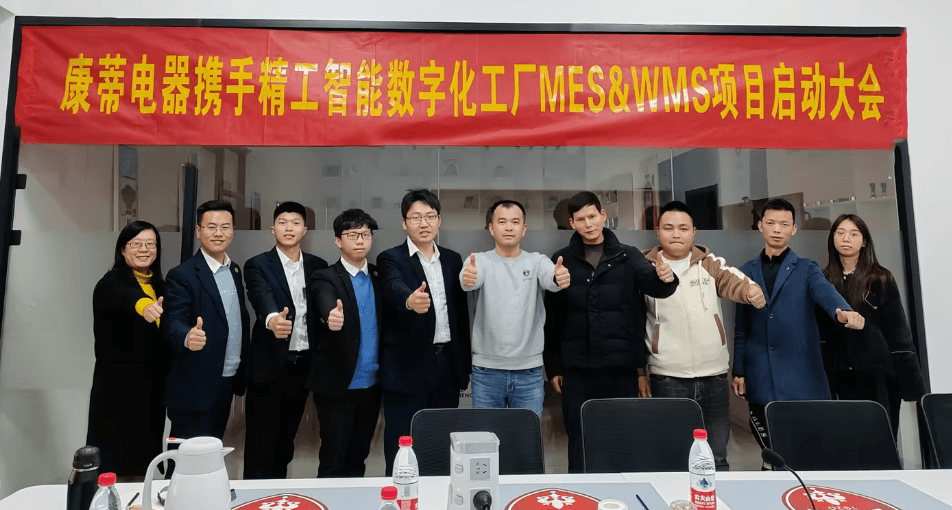
康蒂WMS&MES项目
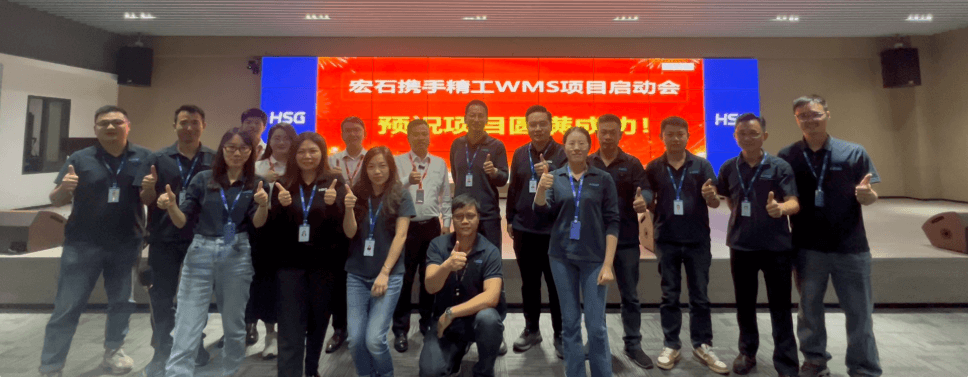
宏石WMS项目
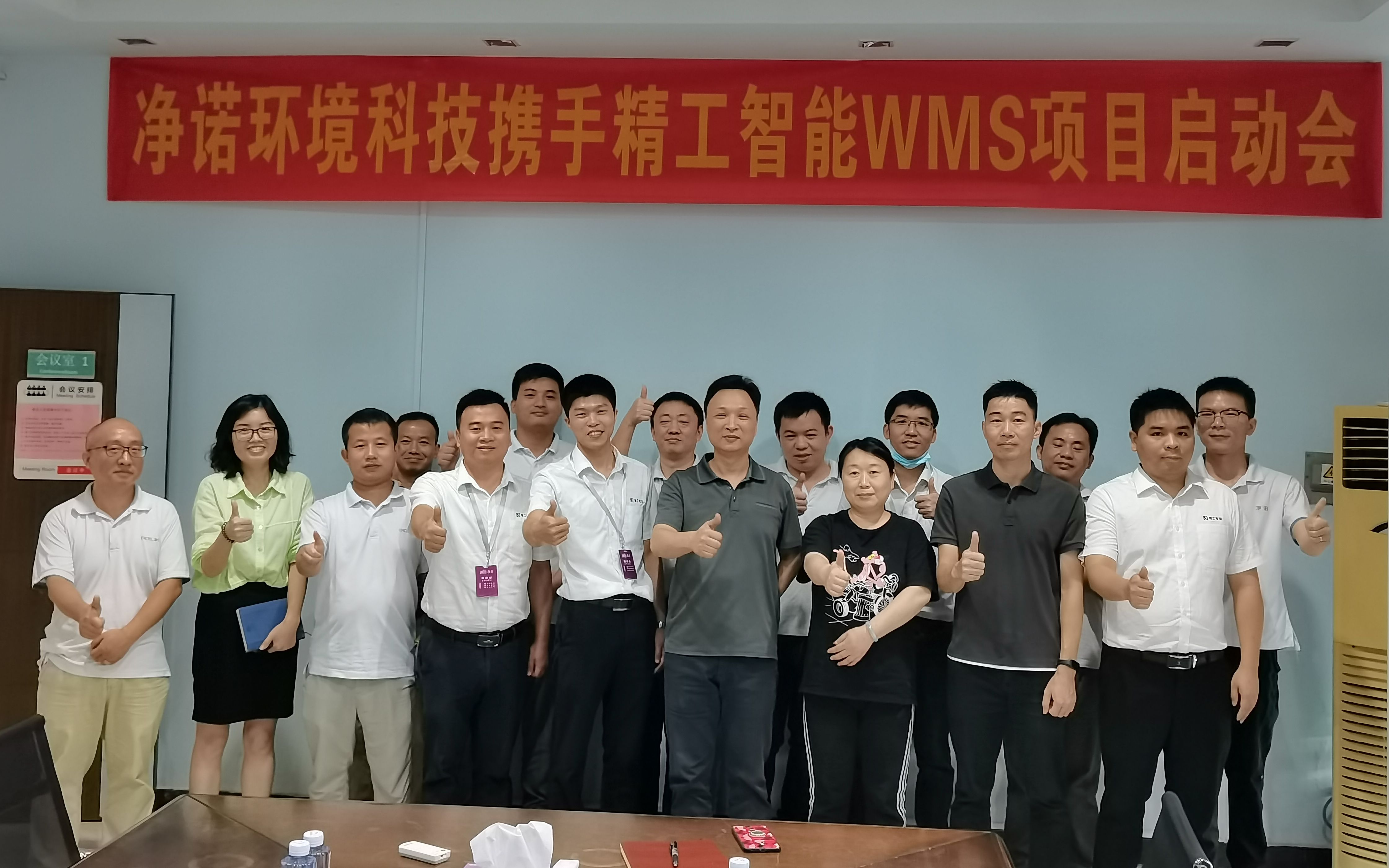
净诺环境WMS项目
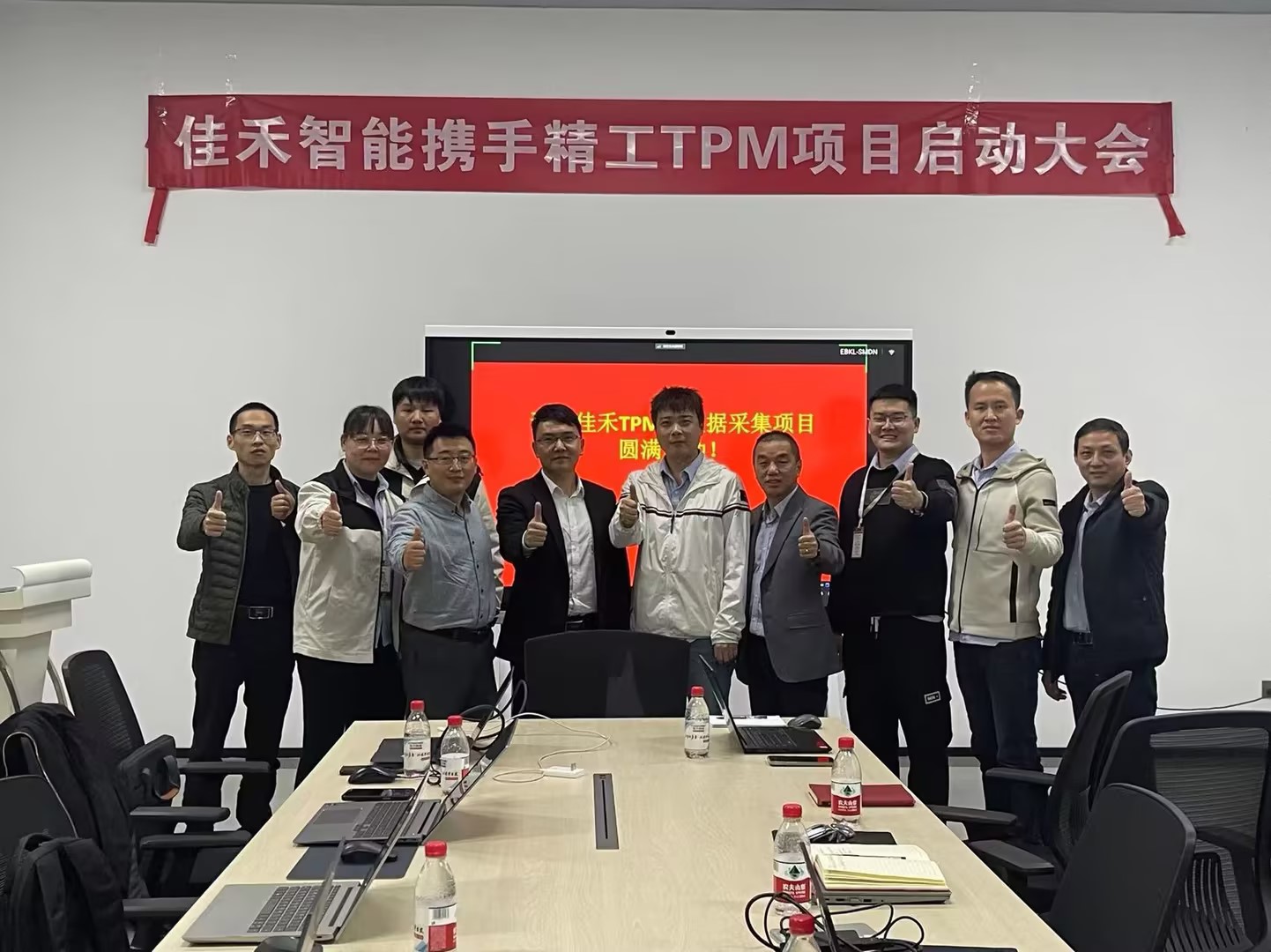
佳禾智能数字化项目
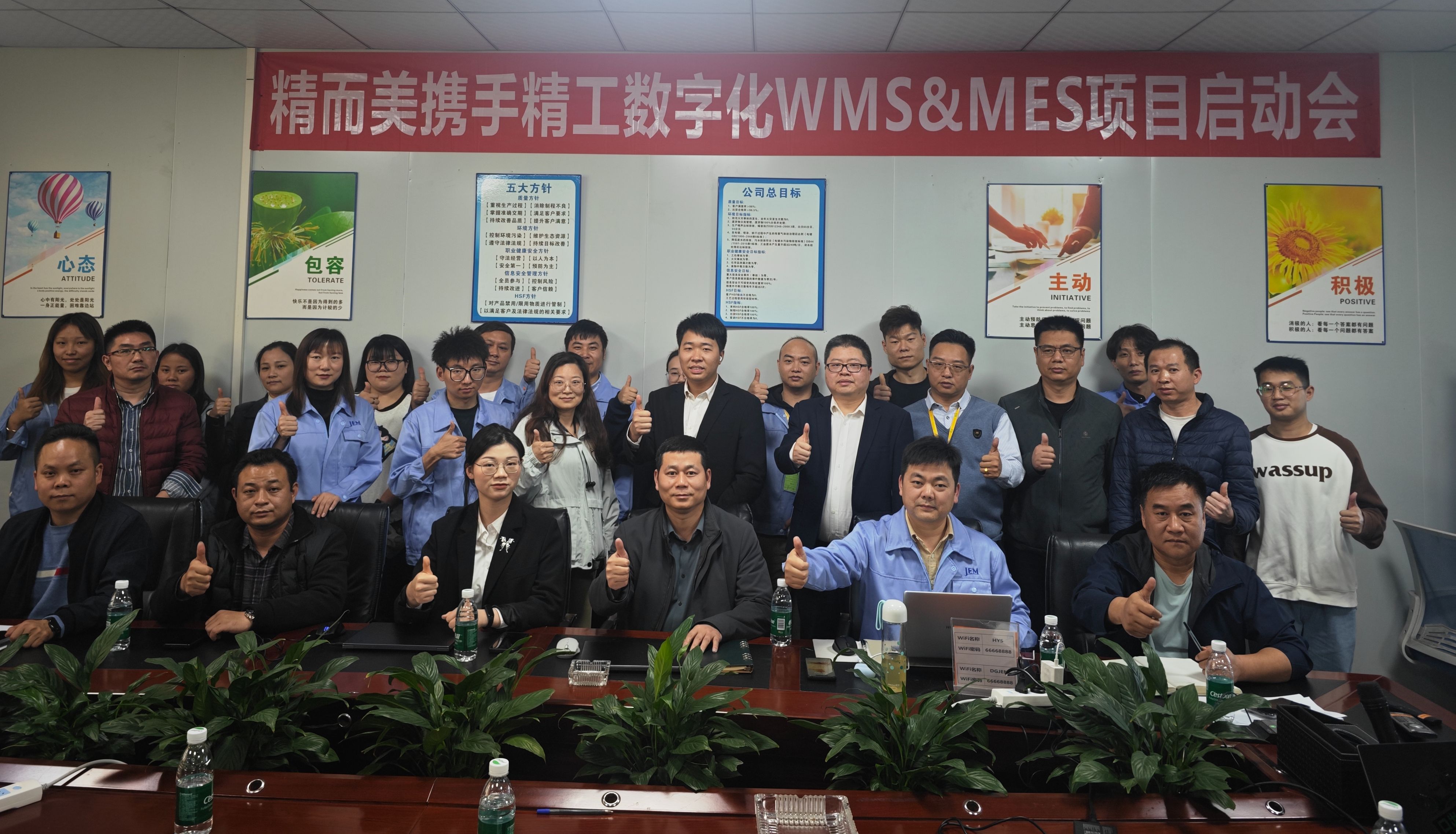
精而美WMS&MES项目
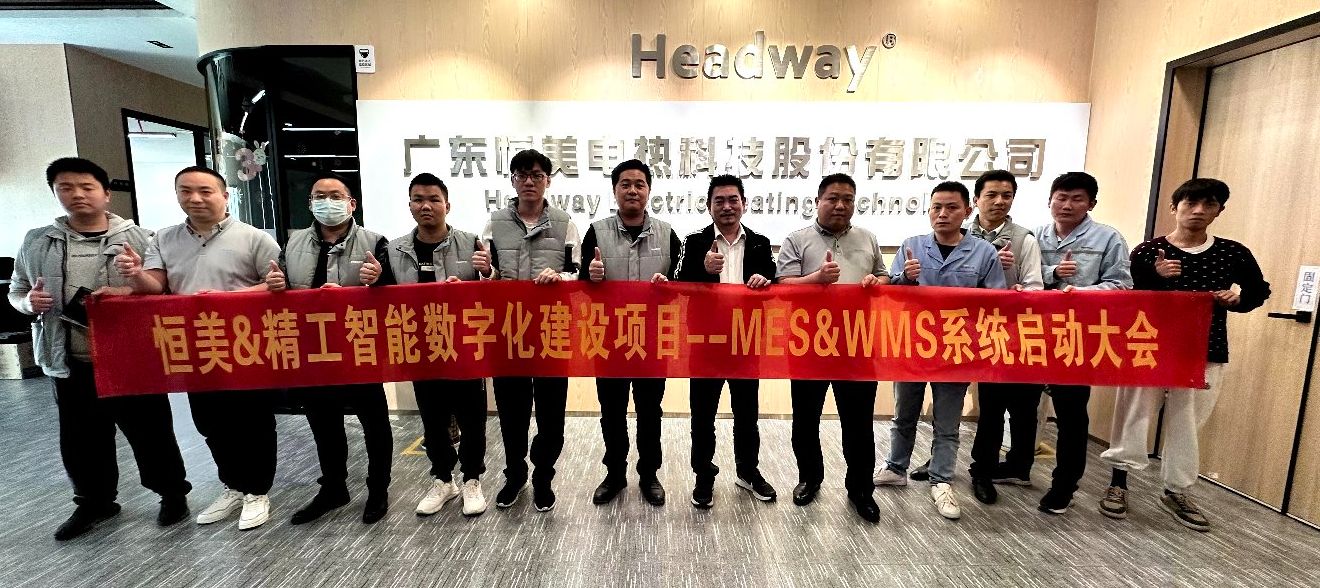
恒美WMS&MES项目
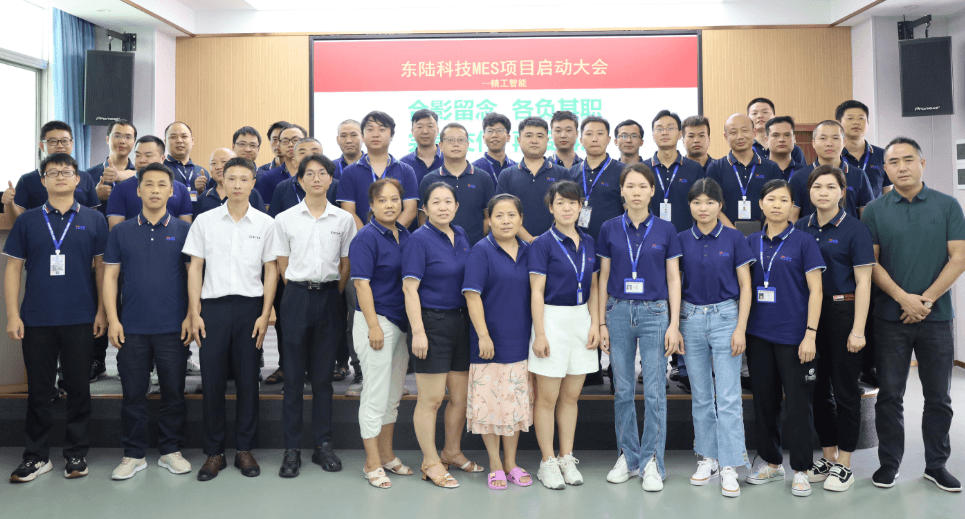
东陆科技MES项目
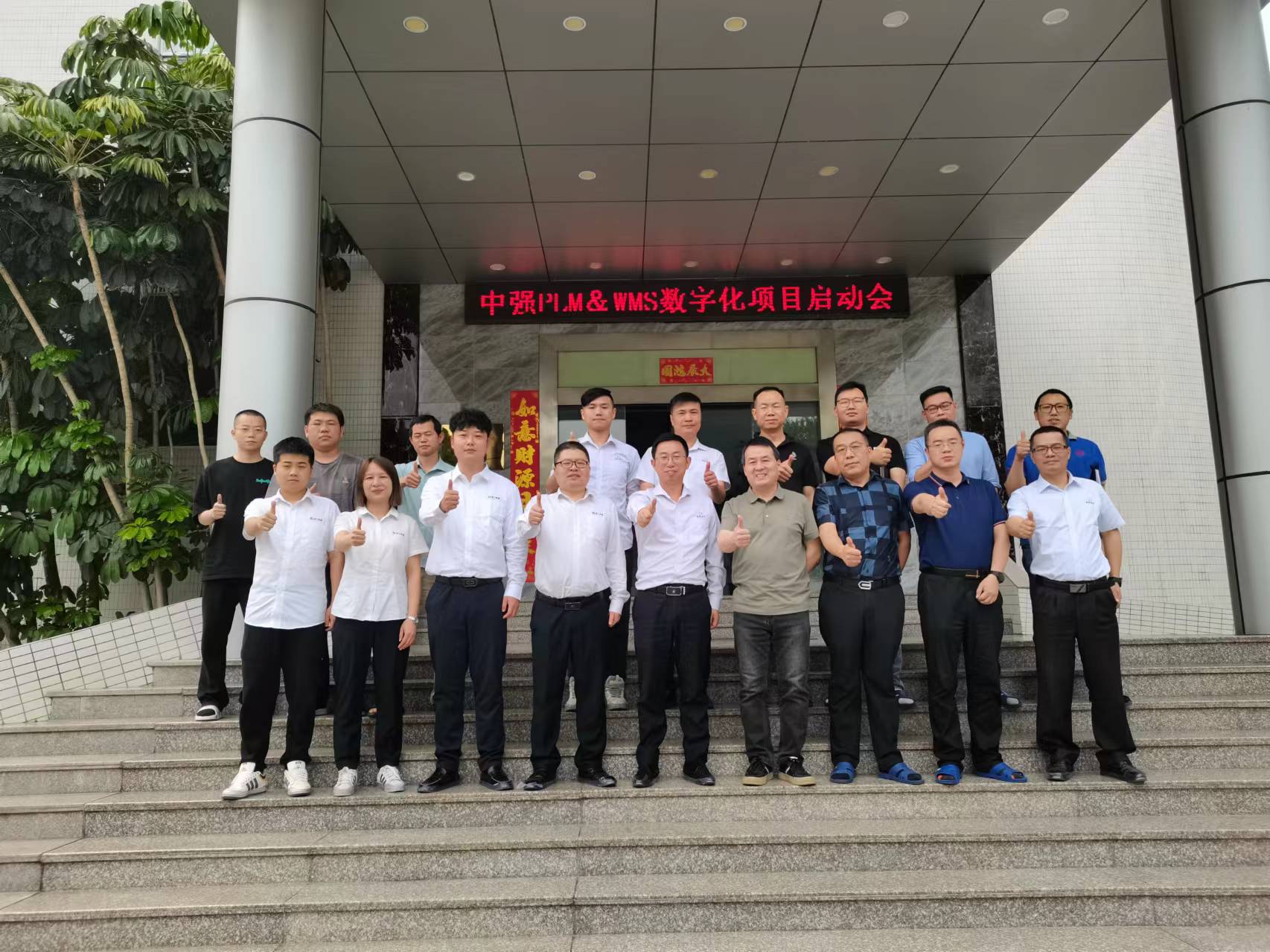
中强电子WMS项目
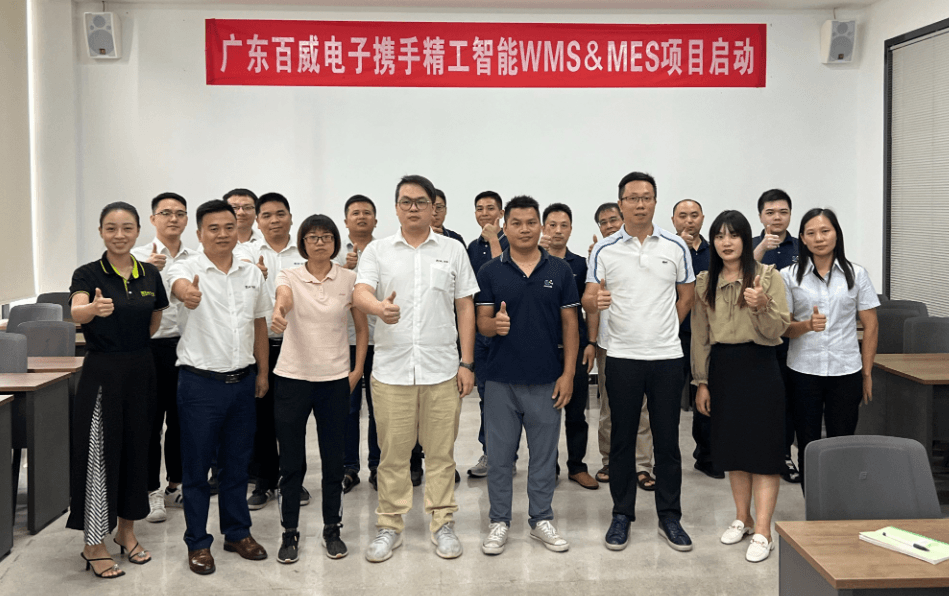
百威电子WMS&MES项目
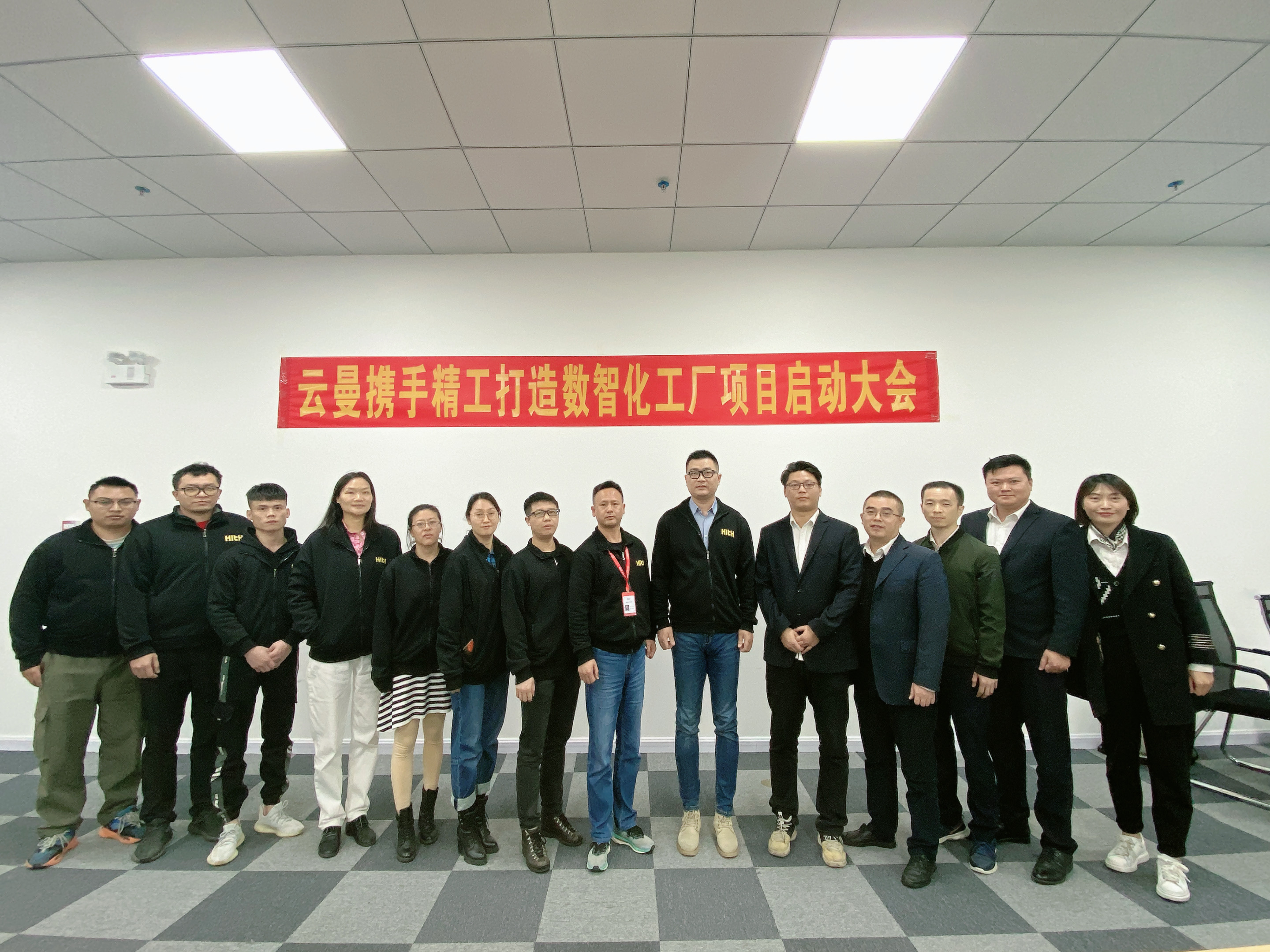
云曼数字化工厂项目
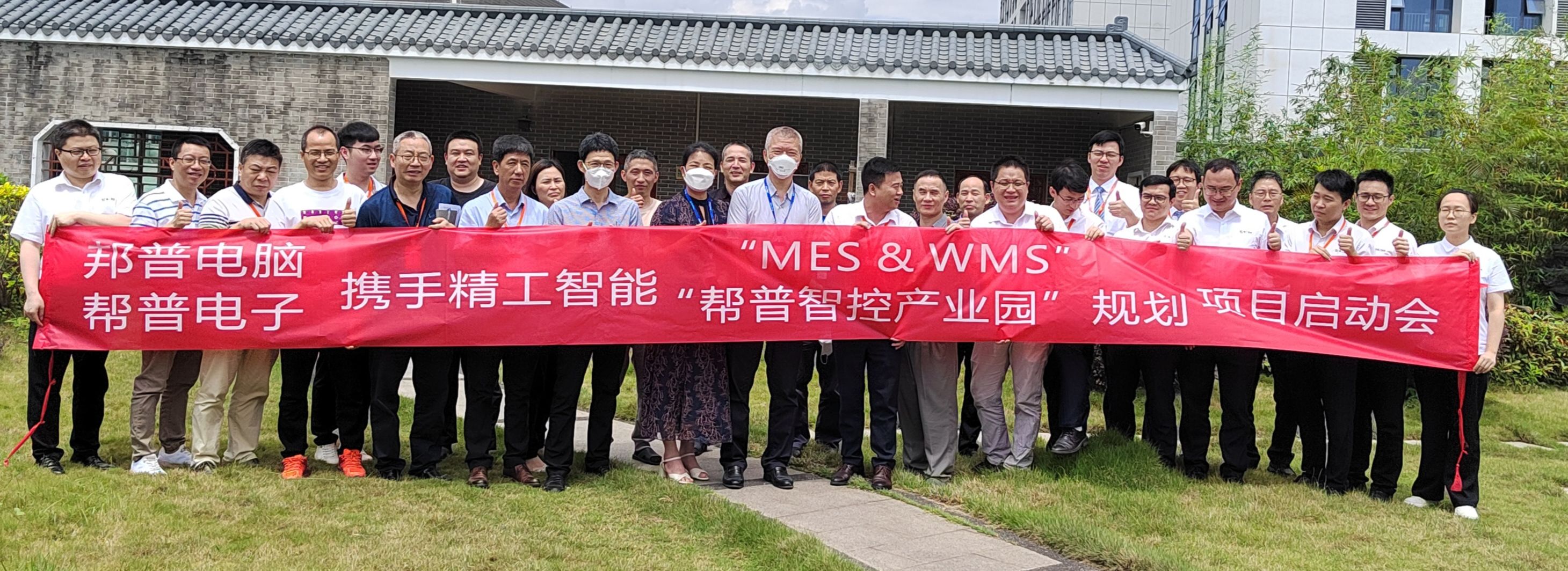
邦普电子WMS&MES项目
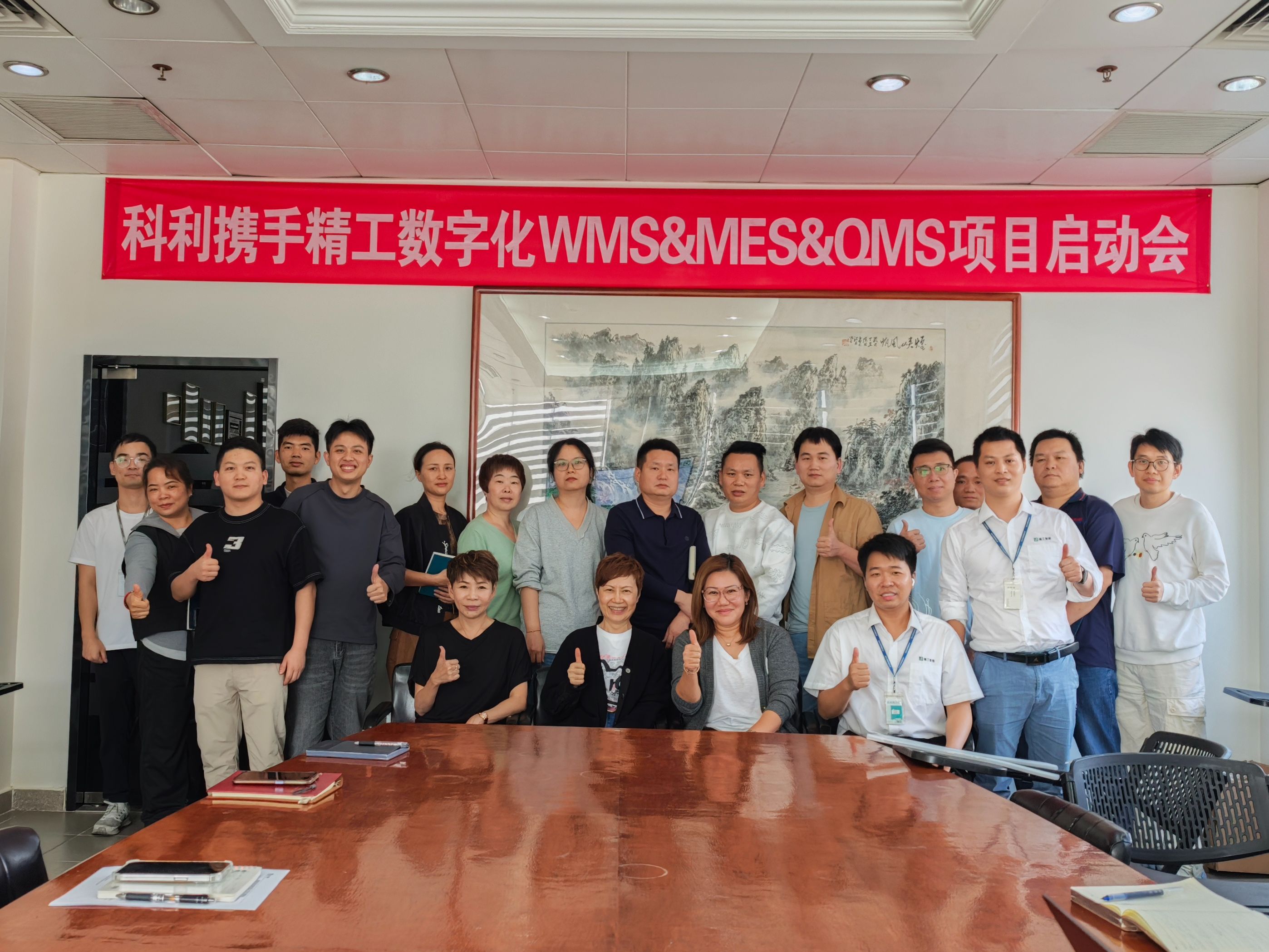
科利WMS&MES&QMS项目
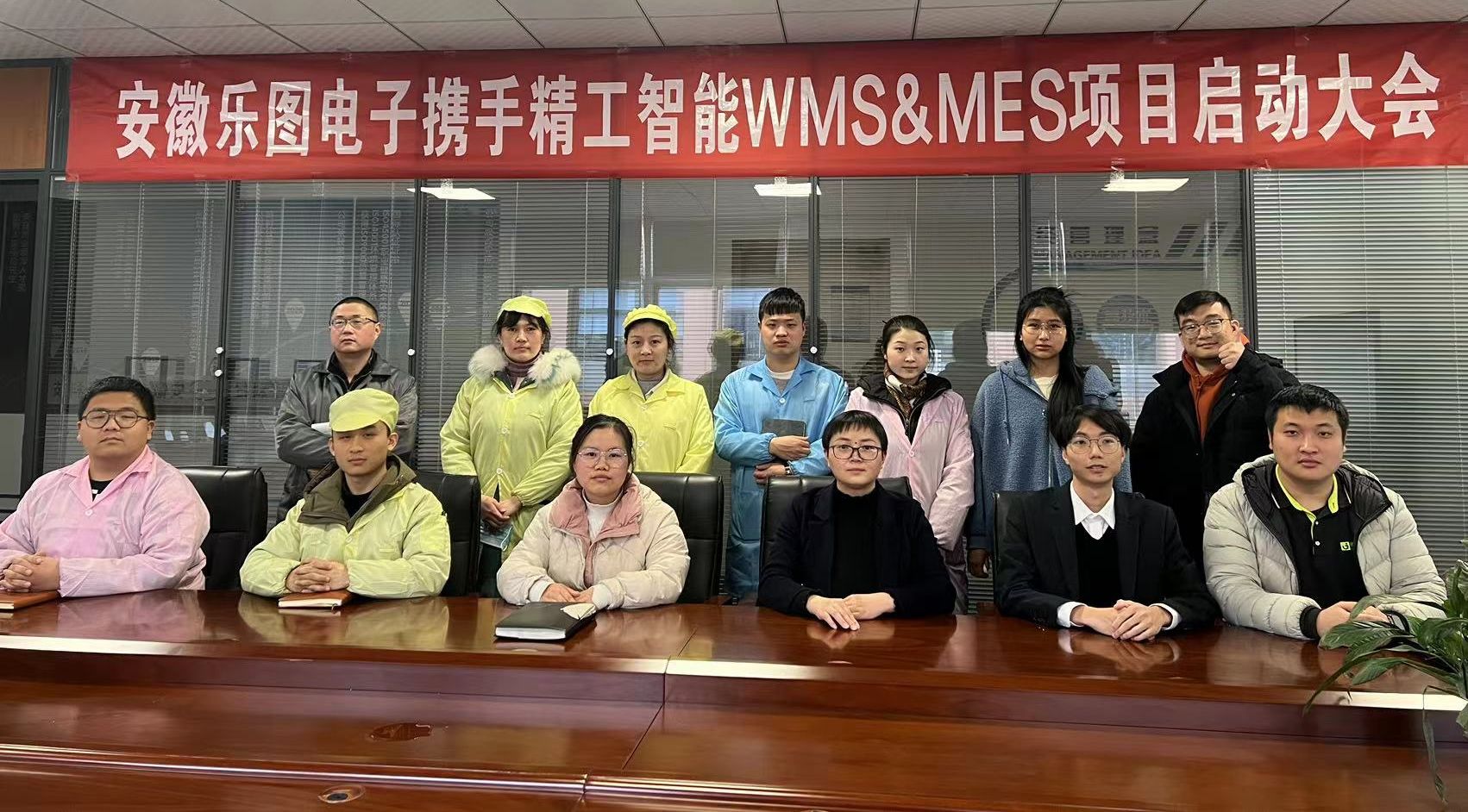
乐图电子WMS&MES项目
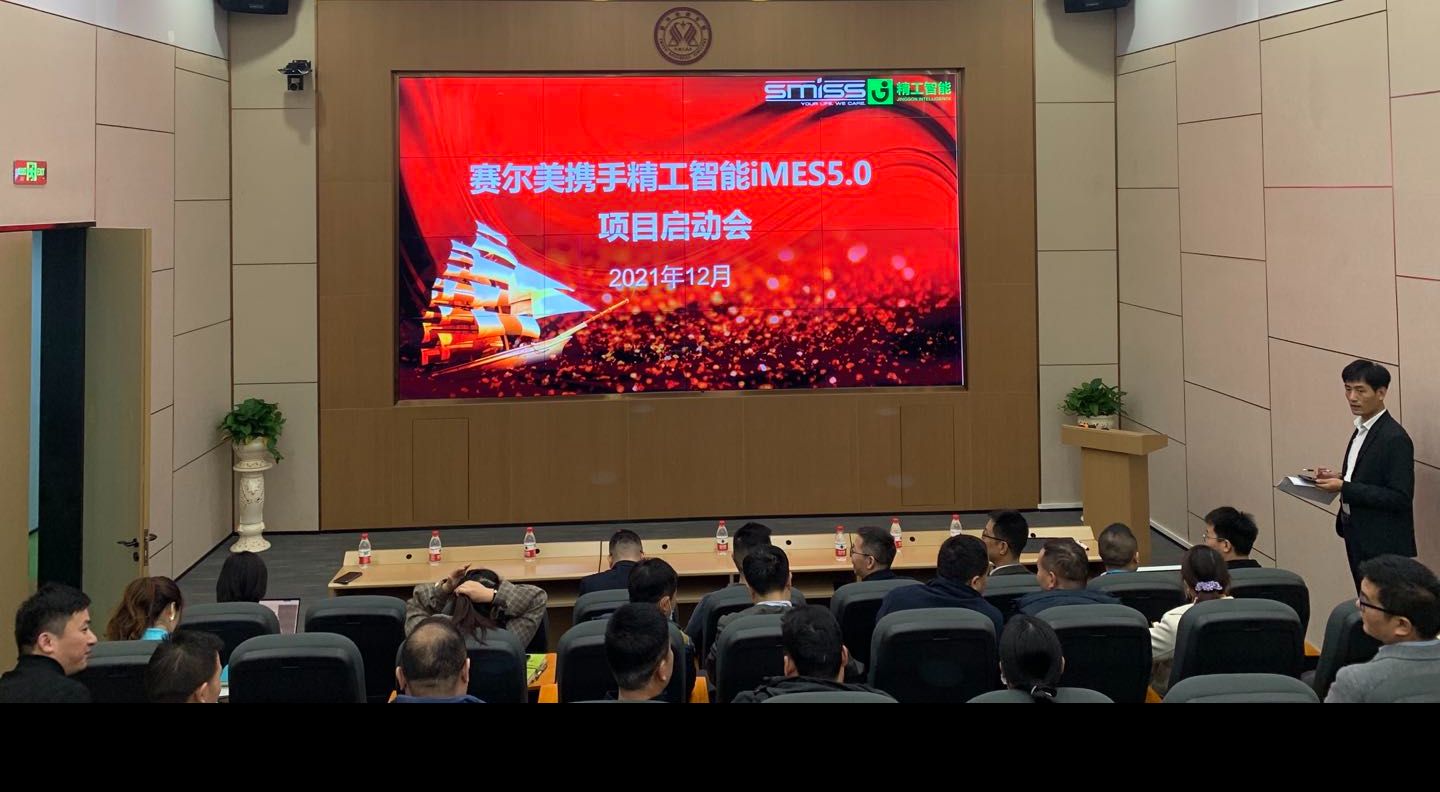
赛尔美MES项目
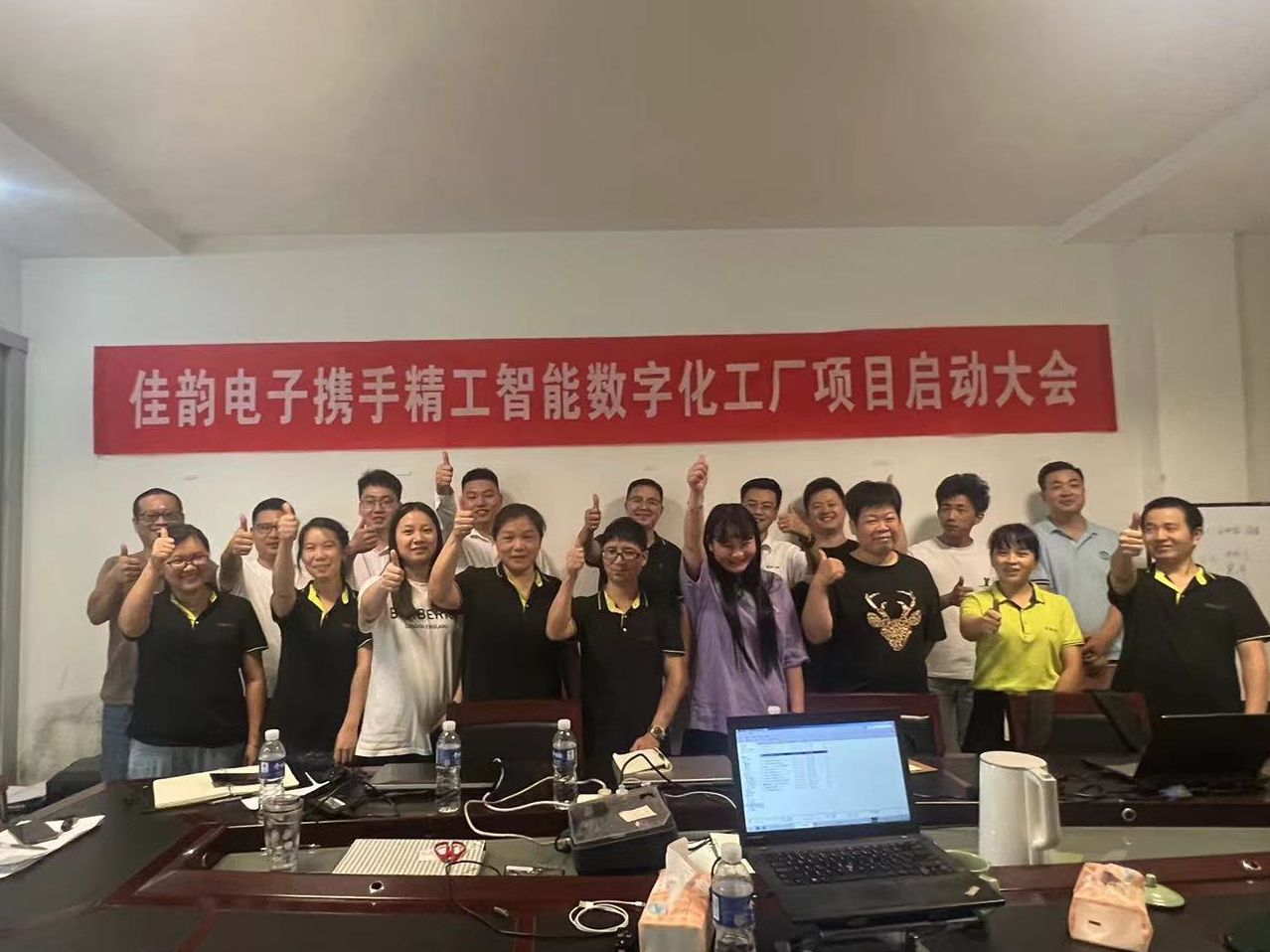
佳韵电子数字化项目

敬业集团MES项目

小熊电器WMS/MES项目

创维集团WMS/MES/APS项目

熠日照明WMS/MES/APS/SRM项目

北方光电WMS/MES项目

长视科技WMS/MES项目

瑞能集团WMS/SRM/APS项目

瑞德智能MES项目

易事特WMS/MES/QMS项目
诺必达WMS&MES项目

云聚MES项目

银三环SCM项目

尊特数码MES项目

英特科技WMS&MES项目

盈瑞丰WMS&MES项目

星原电子WMS&MES项目

康创电子WMS/MES项目.

英飞同仁WMS/MES项目.

声凯乐器WMS项目

恒铭达WMS项目

伟邦钣金MES项目

伟经家居WMS&MES项目

净诺环境WMS项目

广东帕尔福MES&WMS&APS项目

赛而美MES项目

瀚邦为MES项目
欧赛电子数字化项目

明庆电子MES项目

富来电子MES&WMS&APS项目

康创电子数字化项目

美特APS项目

美力弹簧MES项目

凯洋医疗数字化项目

康蒂WMS&MES项目

宏石WMS项目

净诺环境WMS项目

佳禾智能数字化项目

精而美WMS&MES项目

恒美WMS&MES项目

东陆科技MES项目

中强电子WMS项目

百威电子WMS&MES项目

云曼数字化工厂项目

邦普电子WMS&MES项目

科利WMS&MES&QMS项目

乐图电子WMS&MES项目

赛尔美MES项目

佳韵电子数字化项目
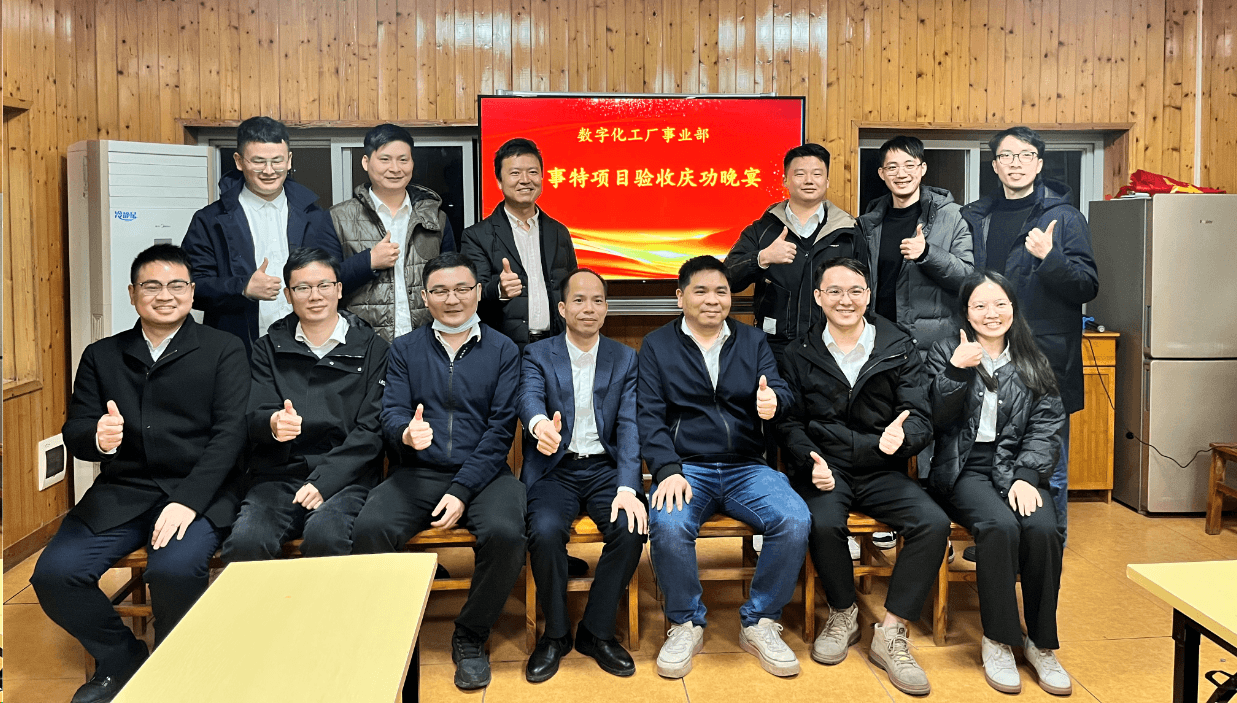
Project Acceptance Meeting

【易事特】项目验收会

【易事特】项目验收
【优特科技】项目验收

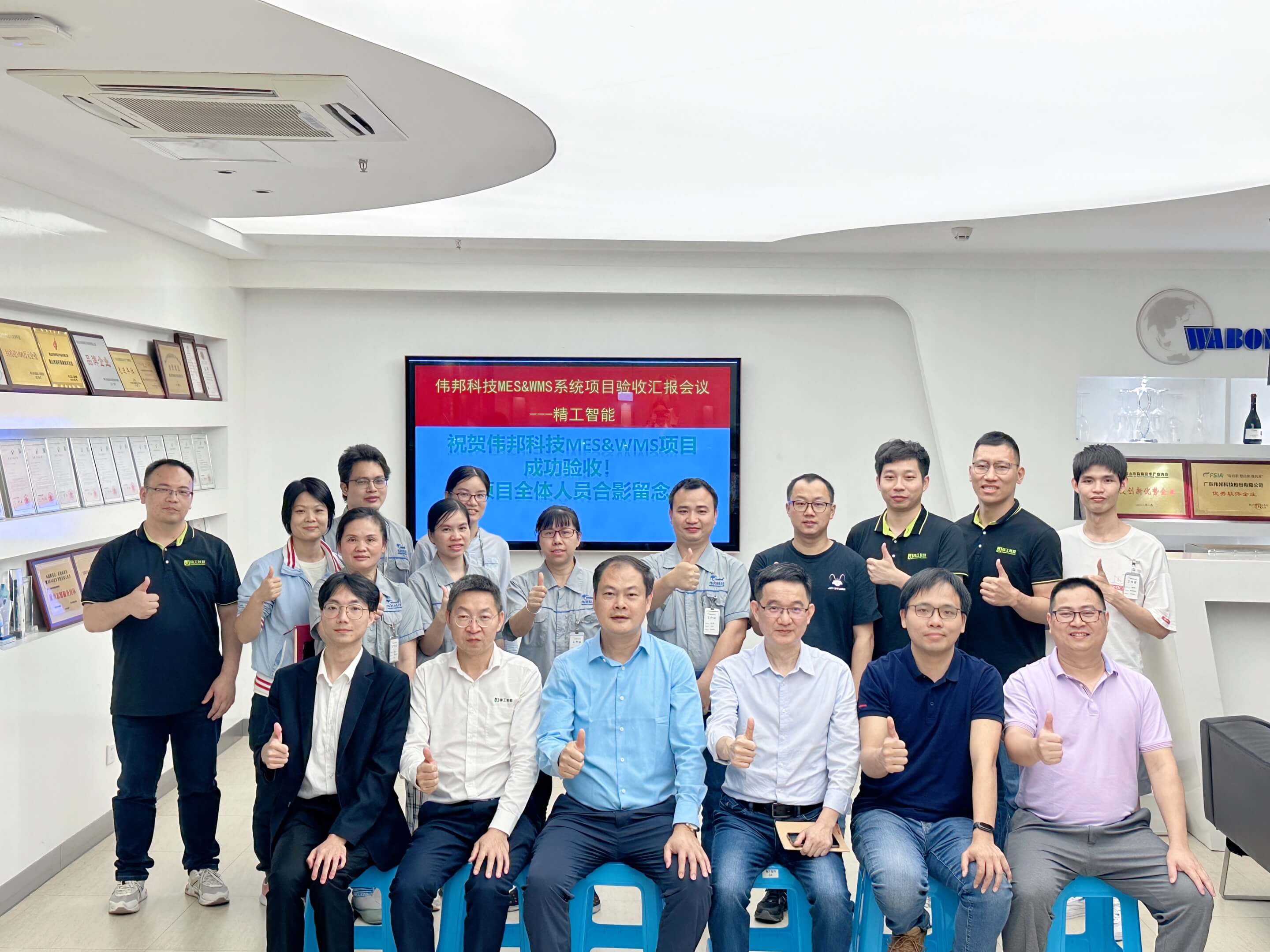
【伟邦科技】项目验收
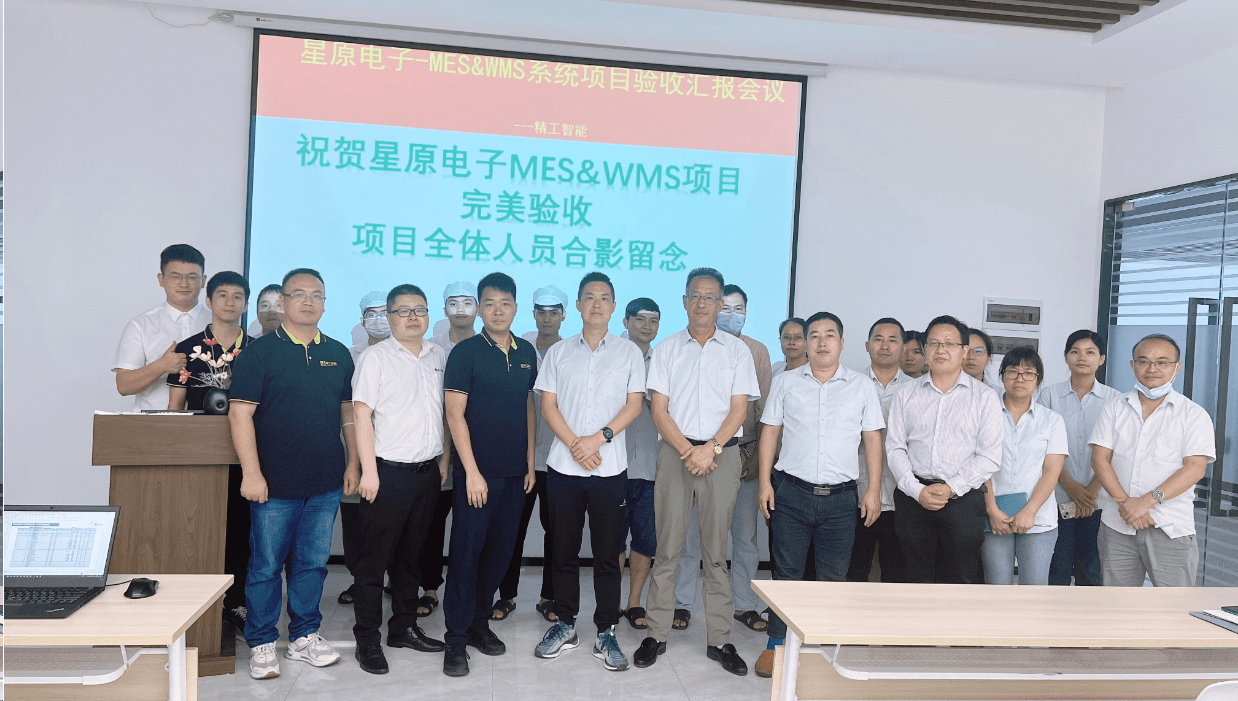
【星原电子】项目验收
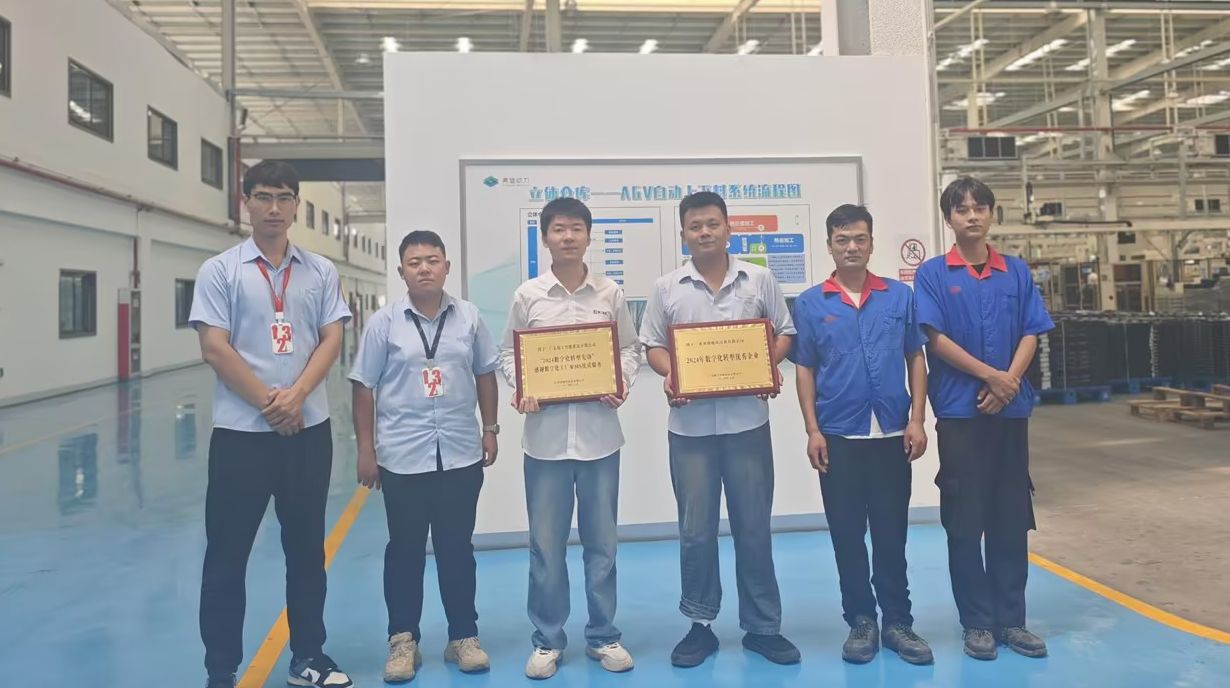
【比亚迪】项目验收
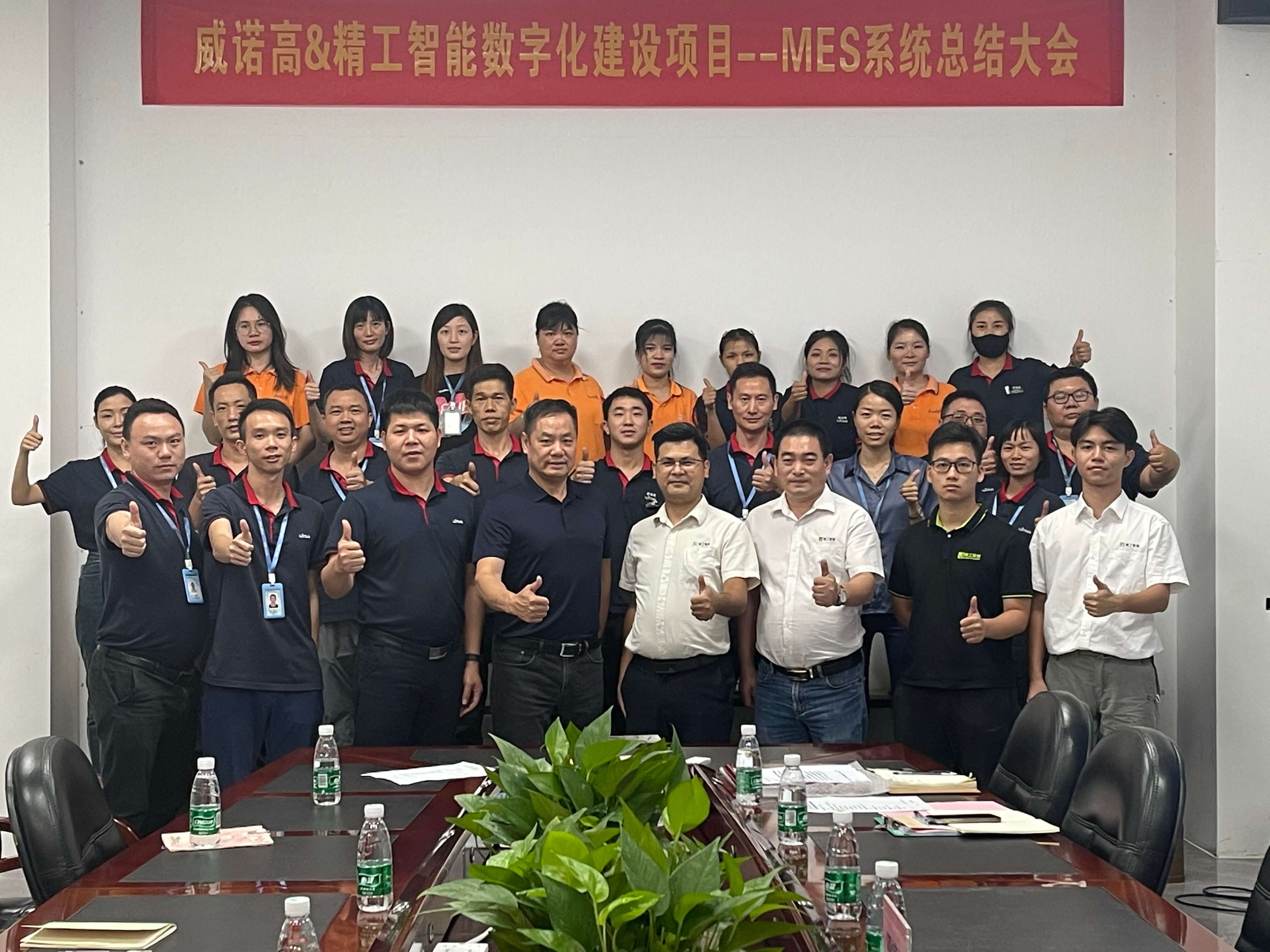
【威诺高】项目验收
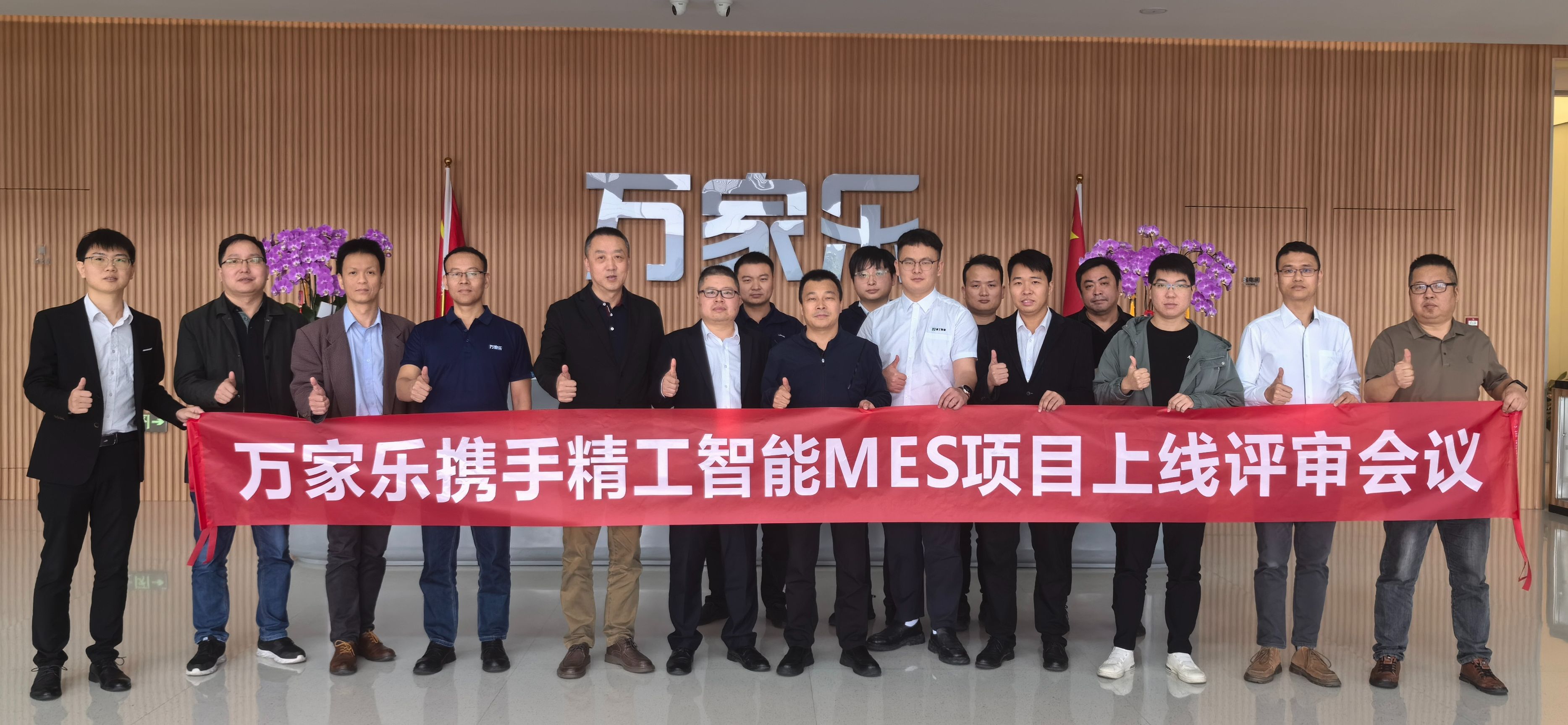
万家乐MES项目
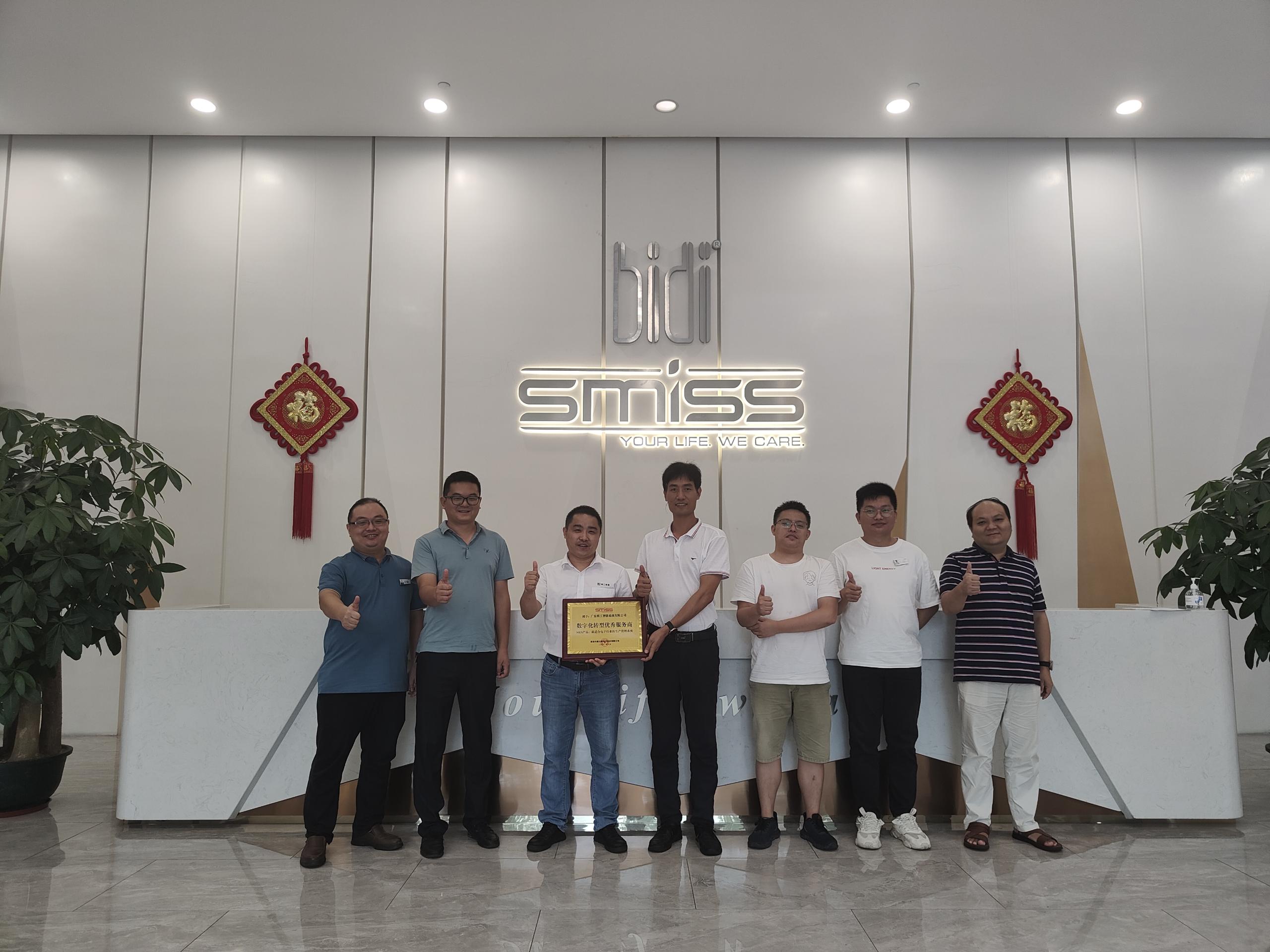
【赛尔美】项目验收
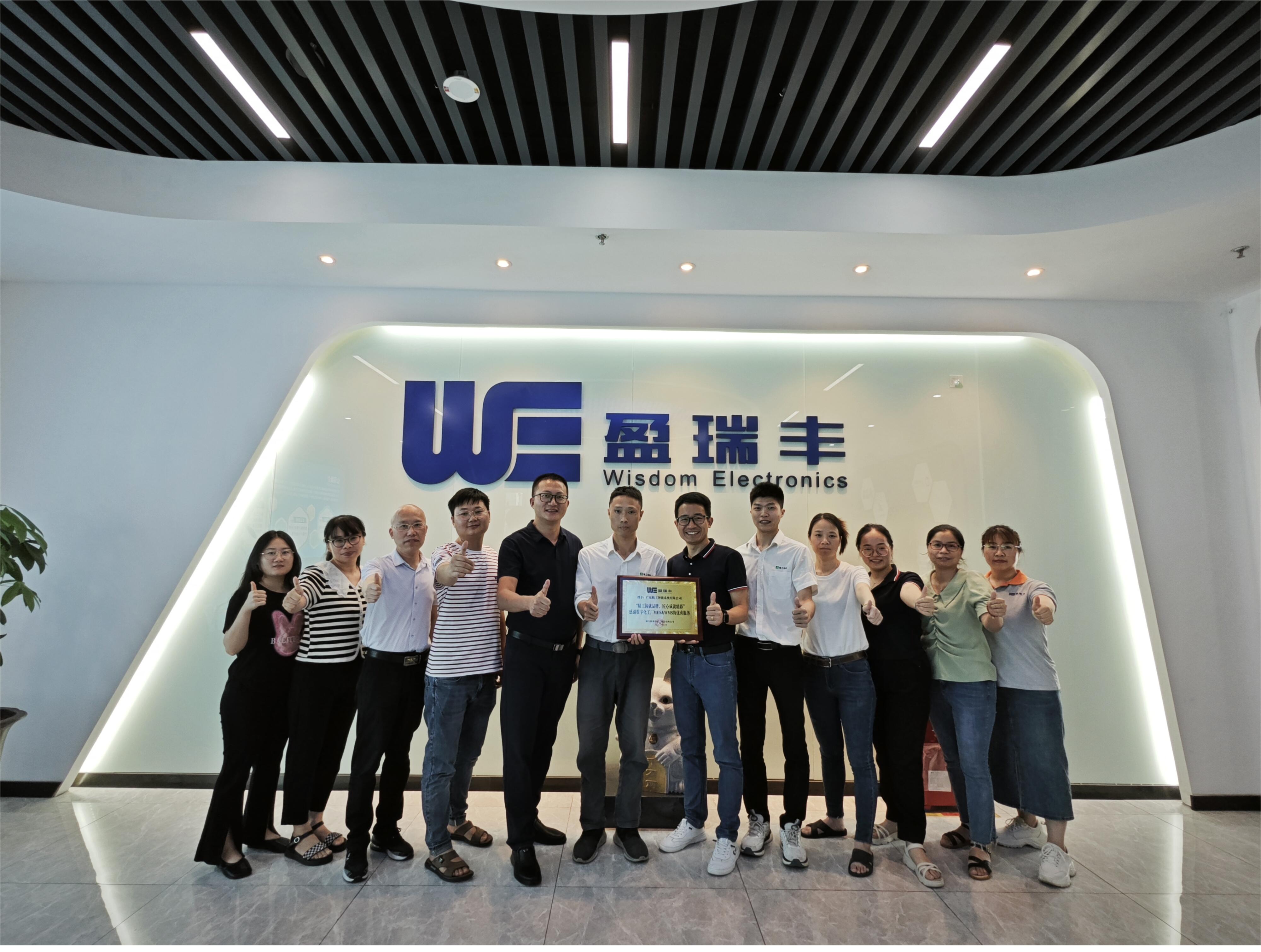
【盈瑞丰】项目验收
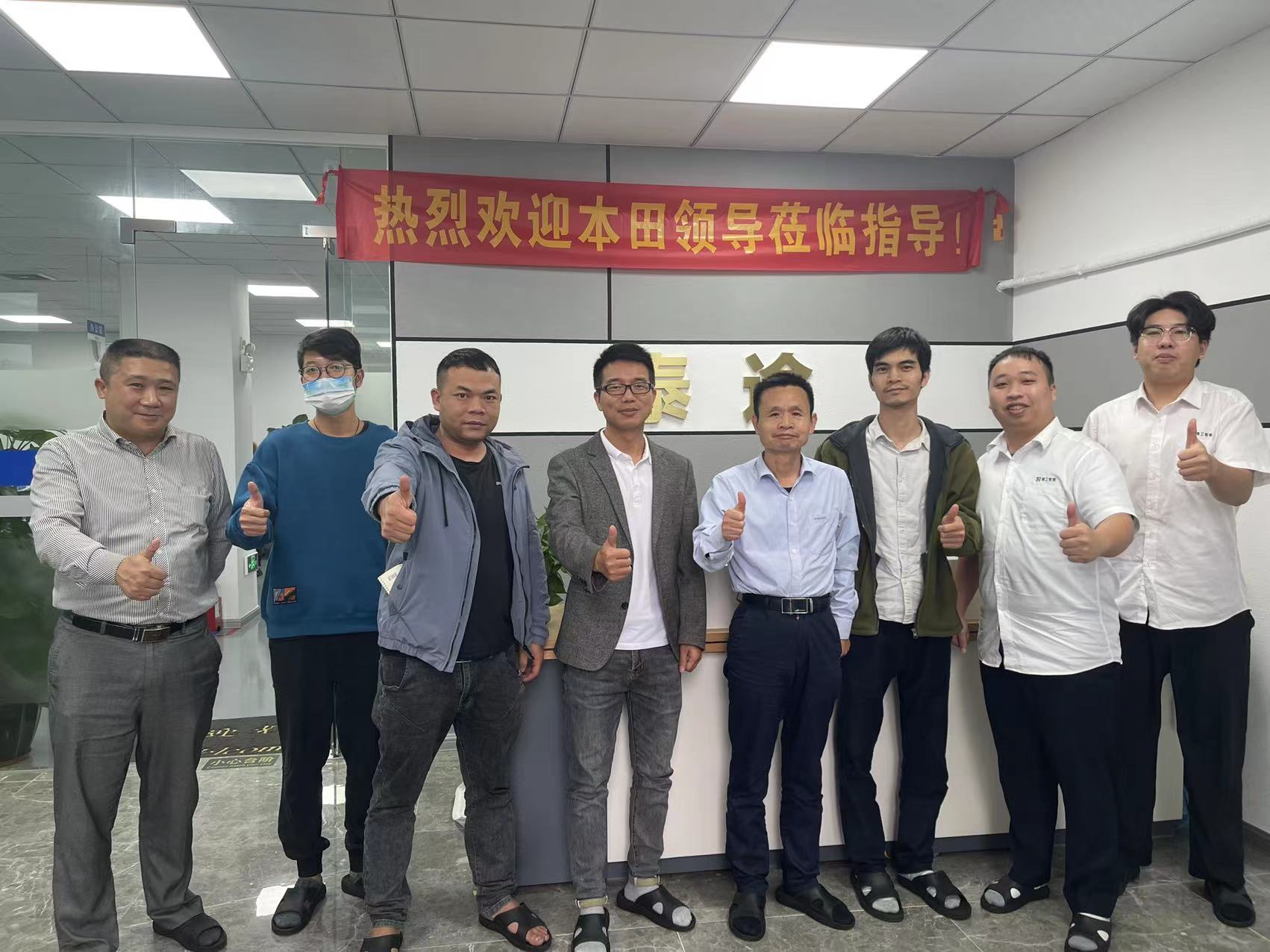
【泰途】项目验收
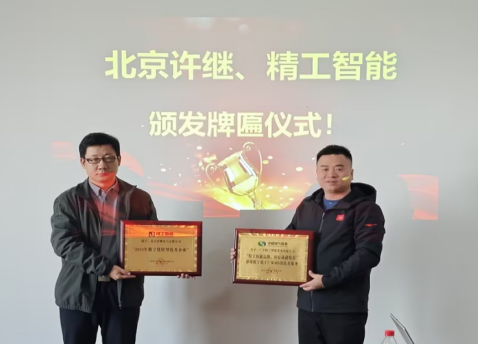
【许继集团】项目验收

【易事特】项目验收会

【易事特】项目验收
【优特科技】项目验收

【伟邦科技】项目验收

【星原电子】项目验收

【比亚迪】项目验收

【威诺高】项目验收

万家乐MES项目

【赛尔美】项目验收

【盈瑞丰】项目验收

【泰途】项目验收

【许继集团】项目验收
Letter of Thanks

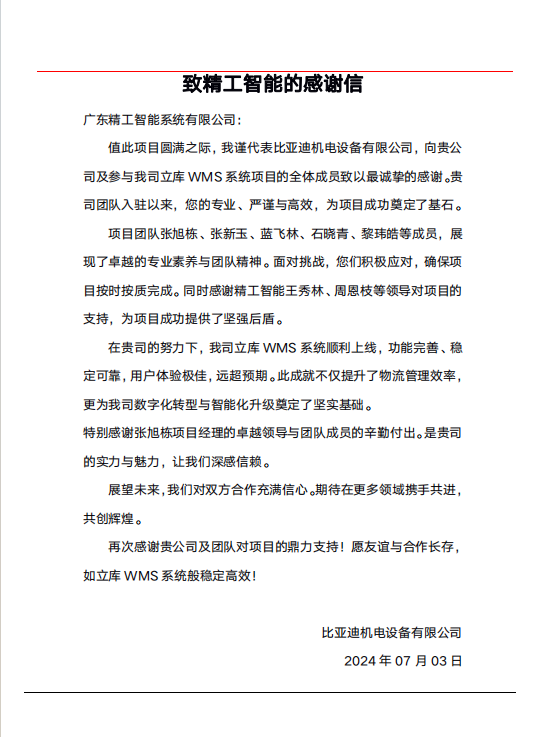
【比亚迪】感谢信

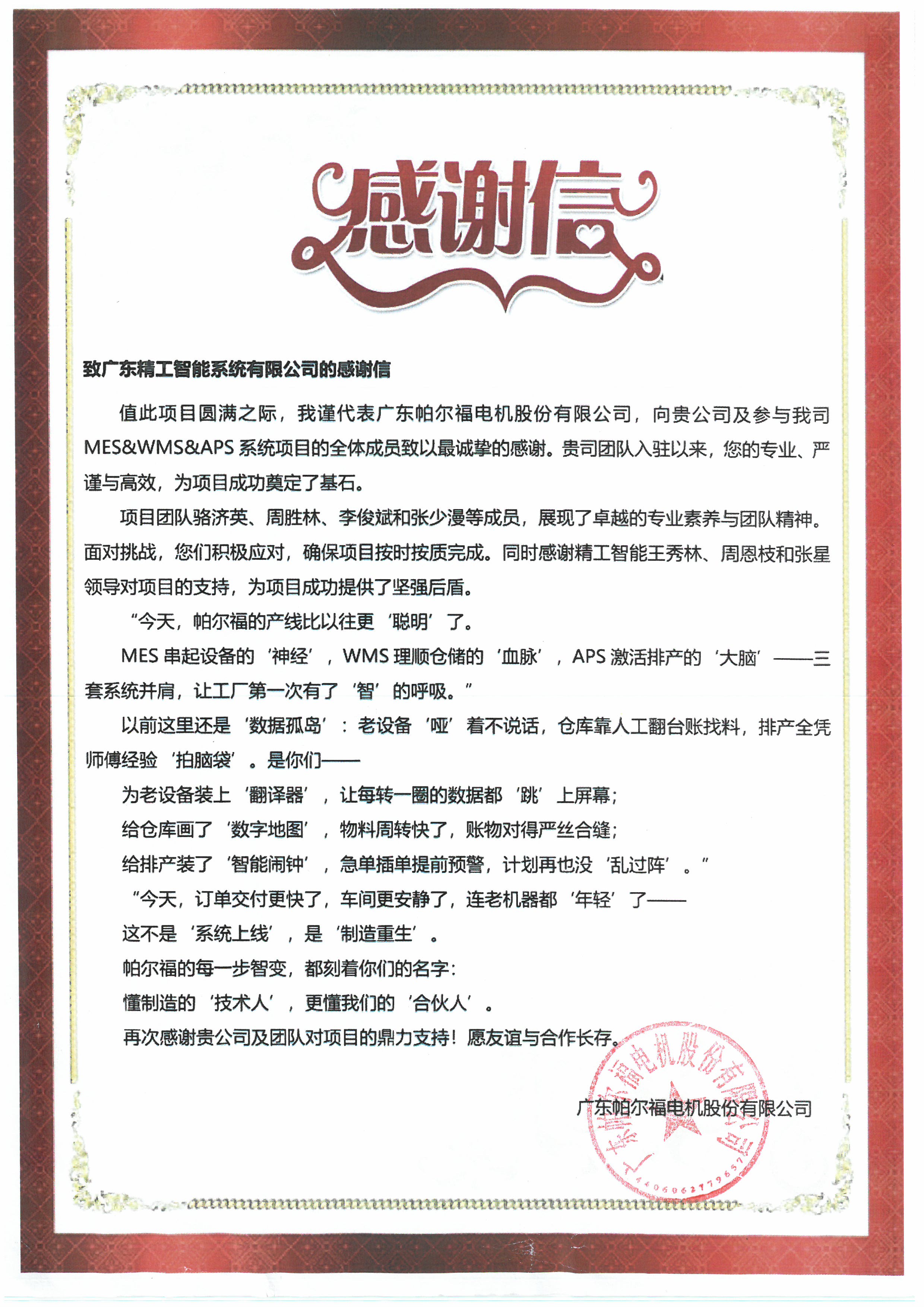
【帕尔福】感谢信

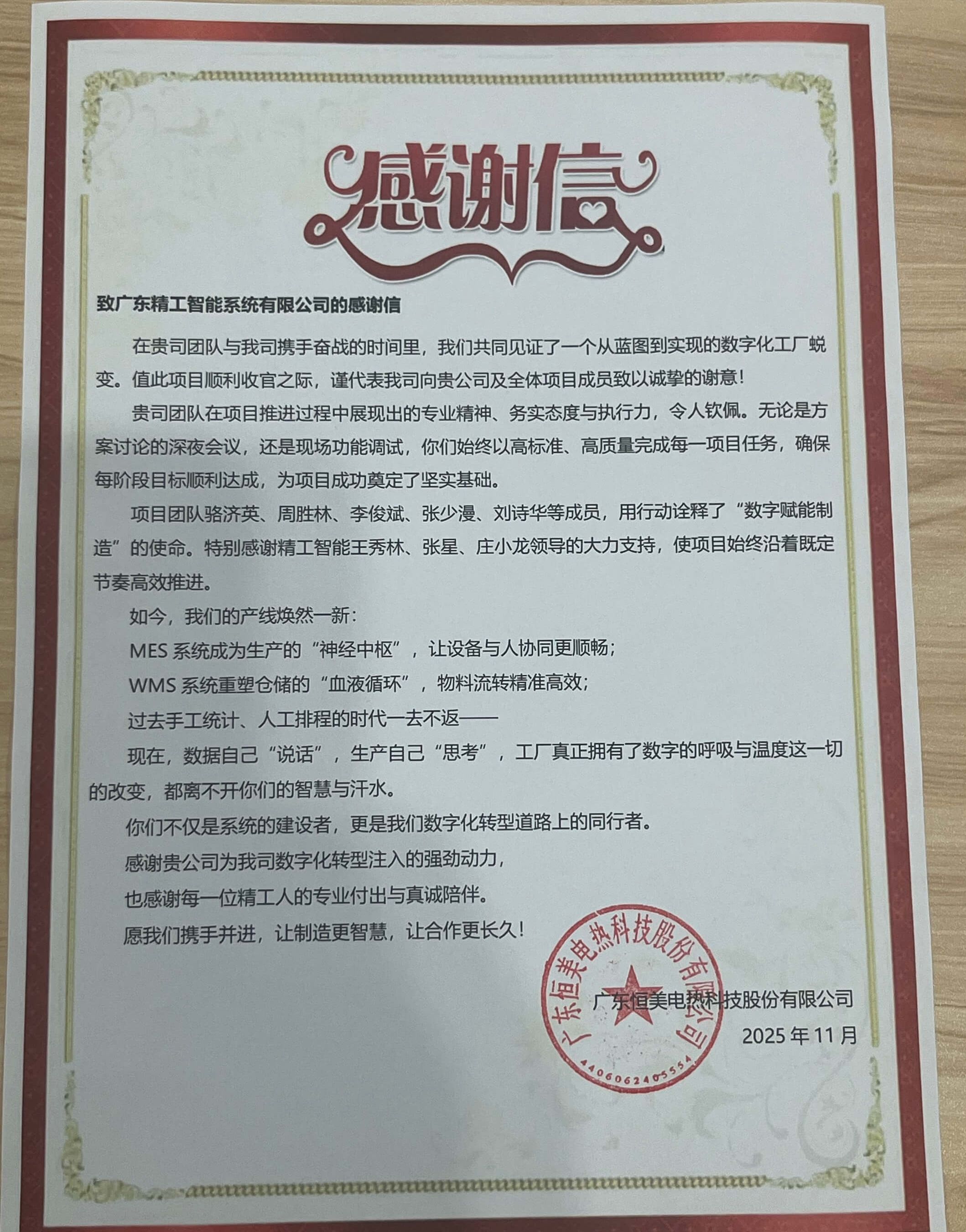
【恒美】感谢信

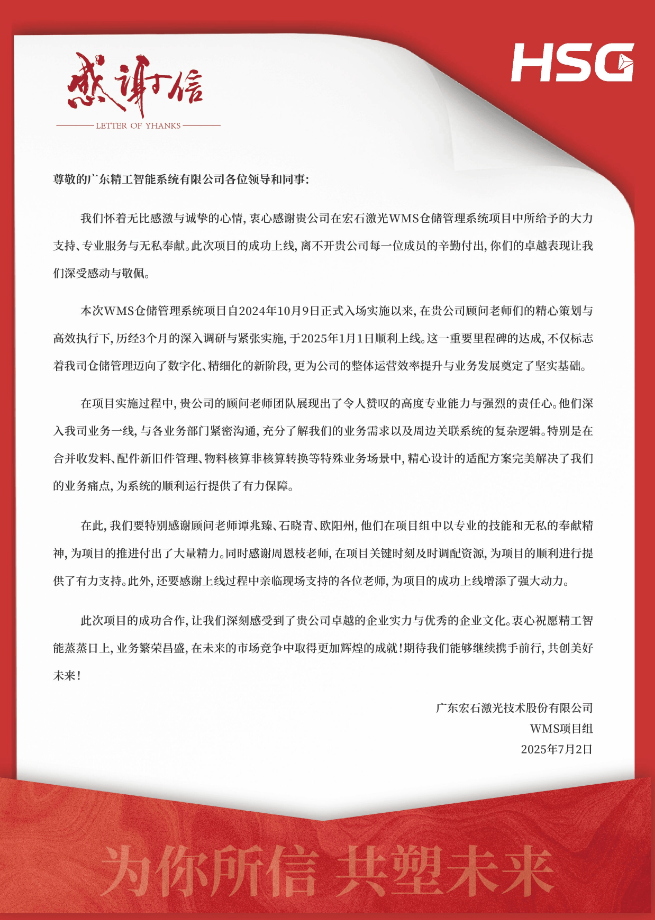
【宏石激光】感谢信
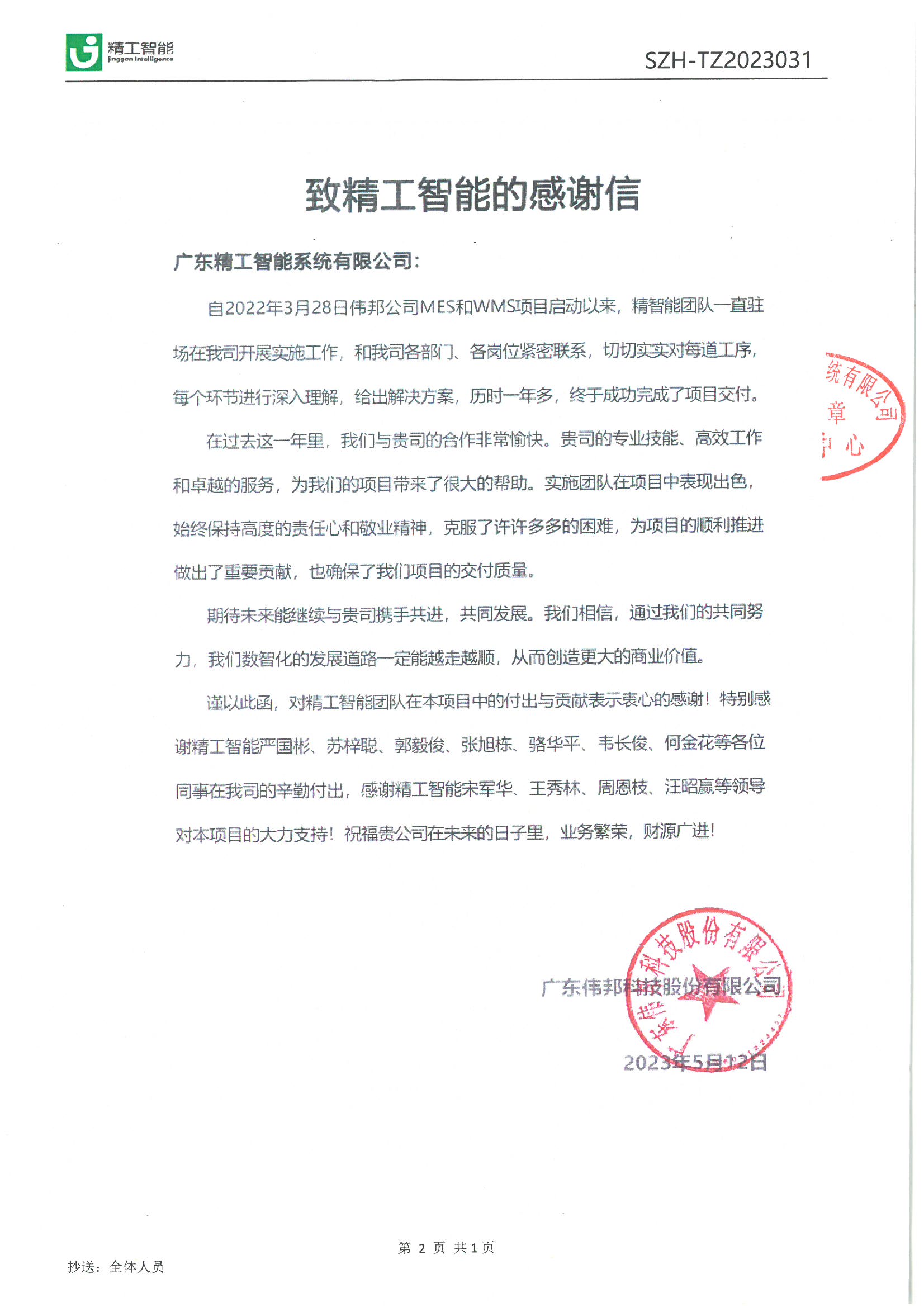
【伟邦科技】感谢信
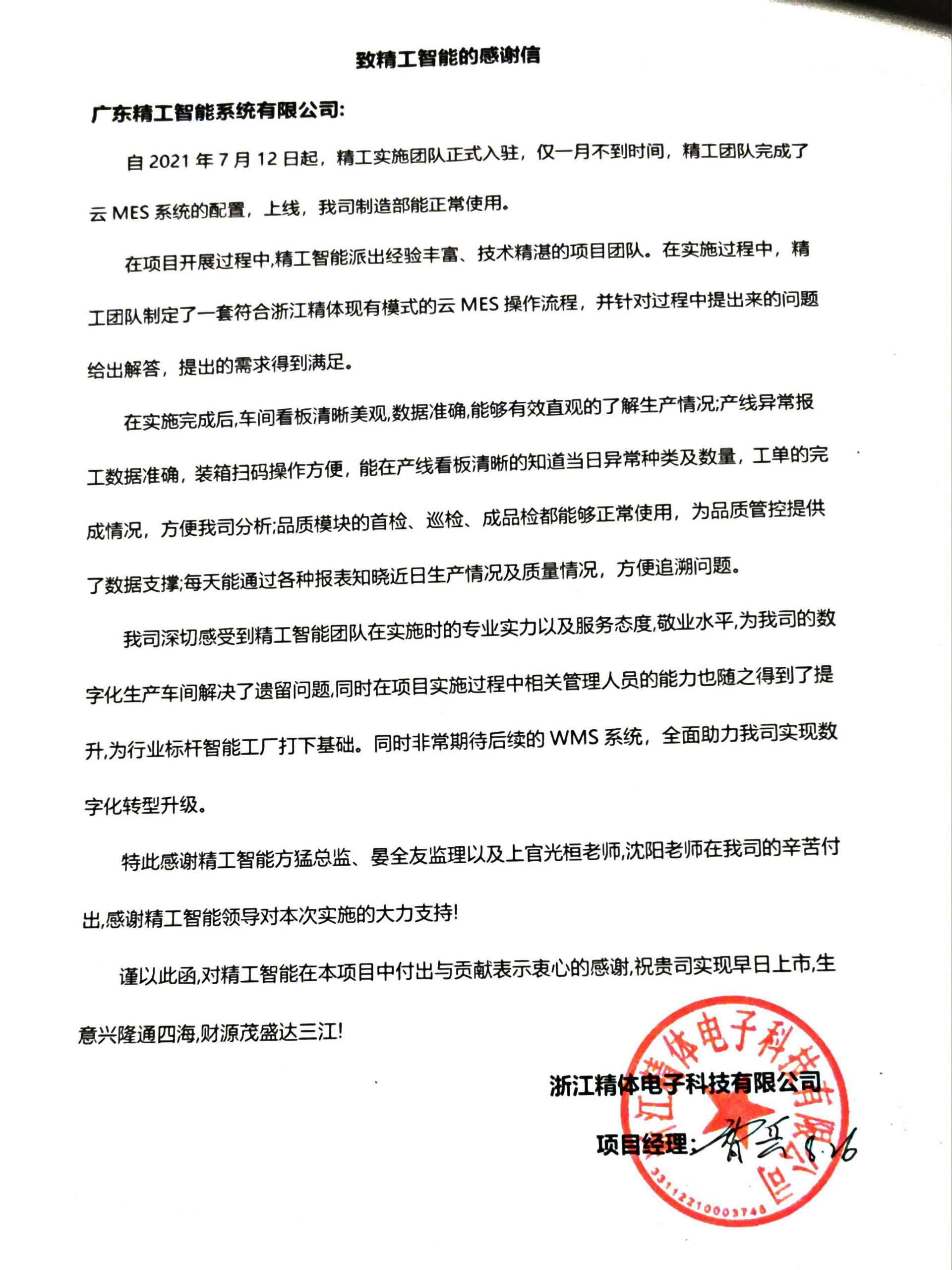
【精体电子】感谢信
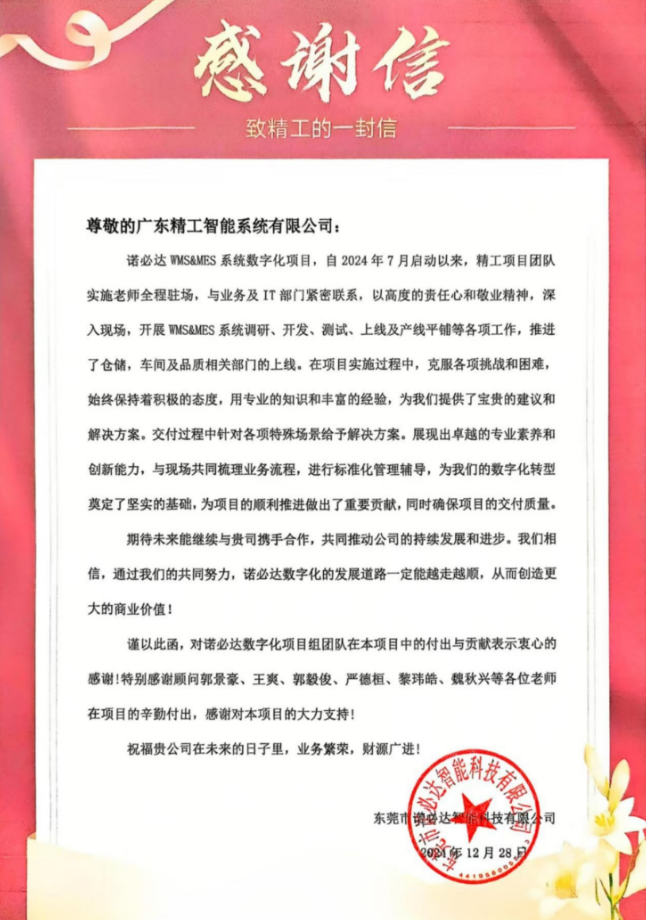
【诺必达】感谢信
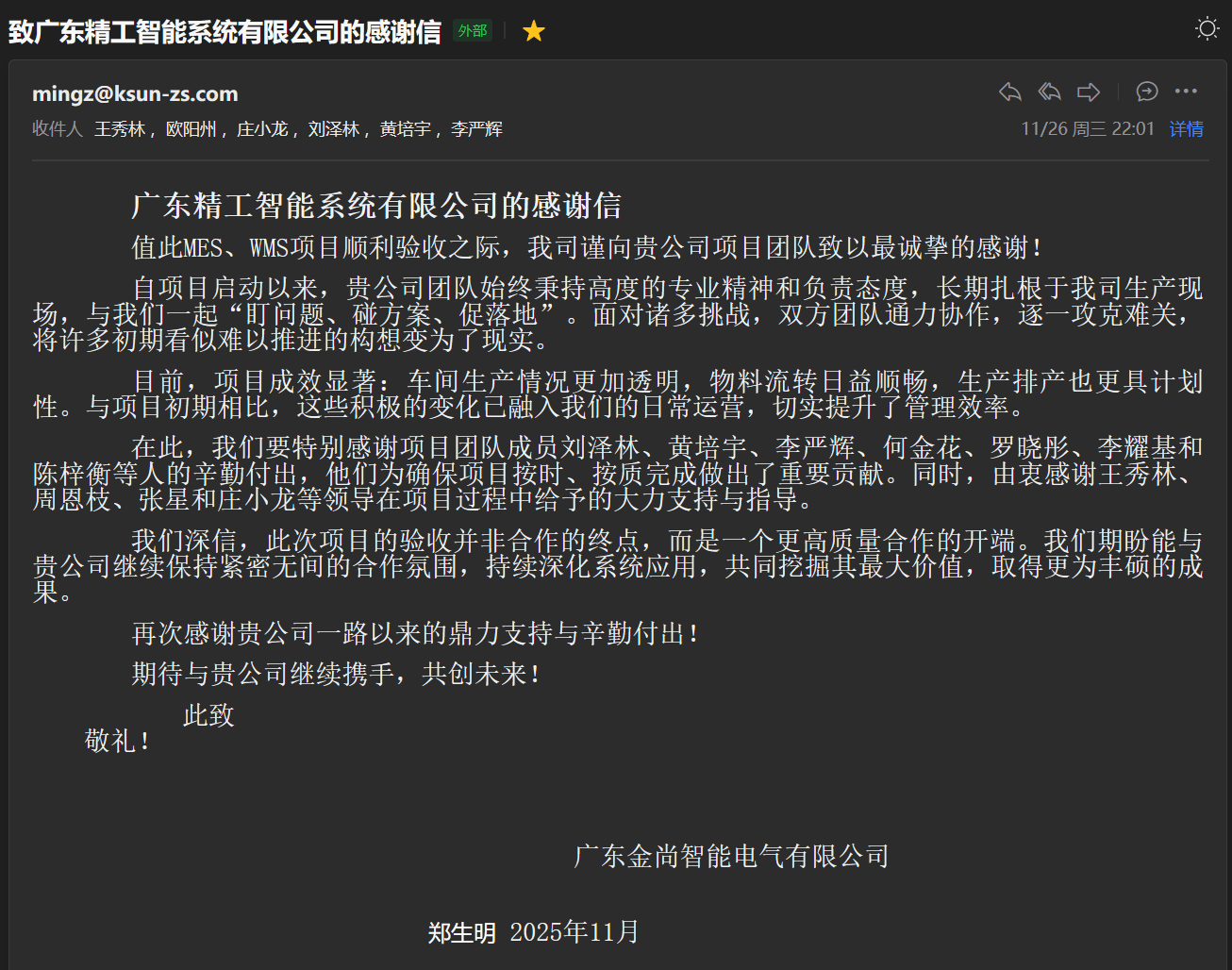
【金尚智能】感谢信
.png)
【赛尔美】感谢信

【比亚迪】感谢信

【帕尔福】感谢信

【恒美】感谢信

【宏石激光】感谢信

【伟邦科技】感谢信

【精体电子】感谢信

【诺必达】感谢信

【金尚智能】感谢信
.png)
【赛尔美】感谢信
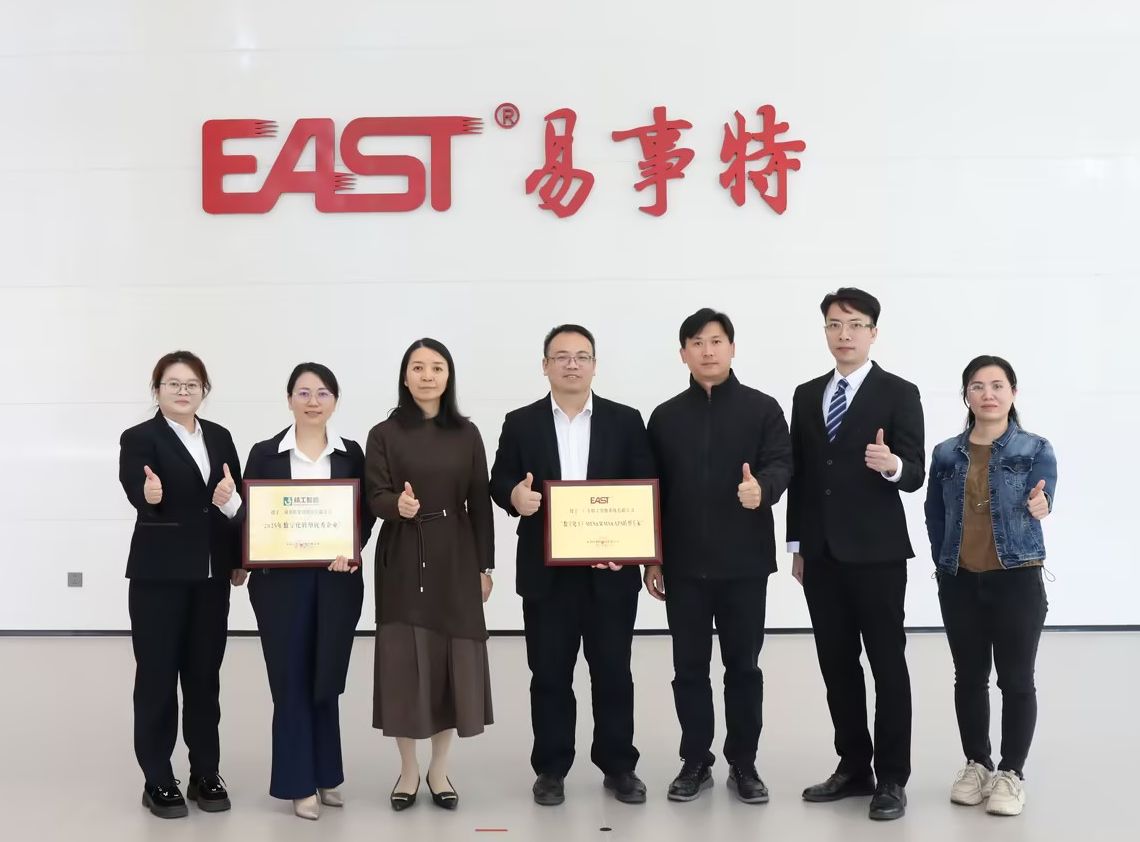
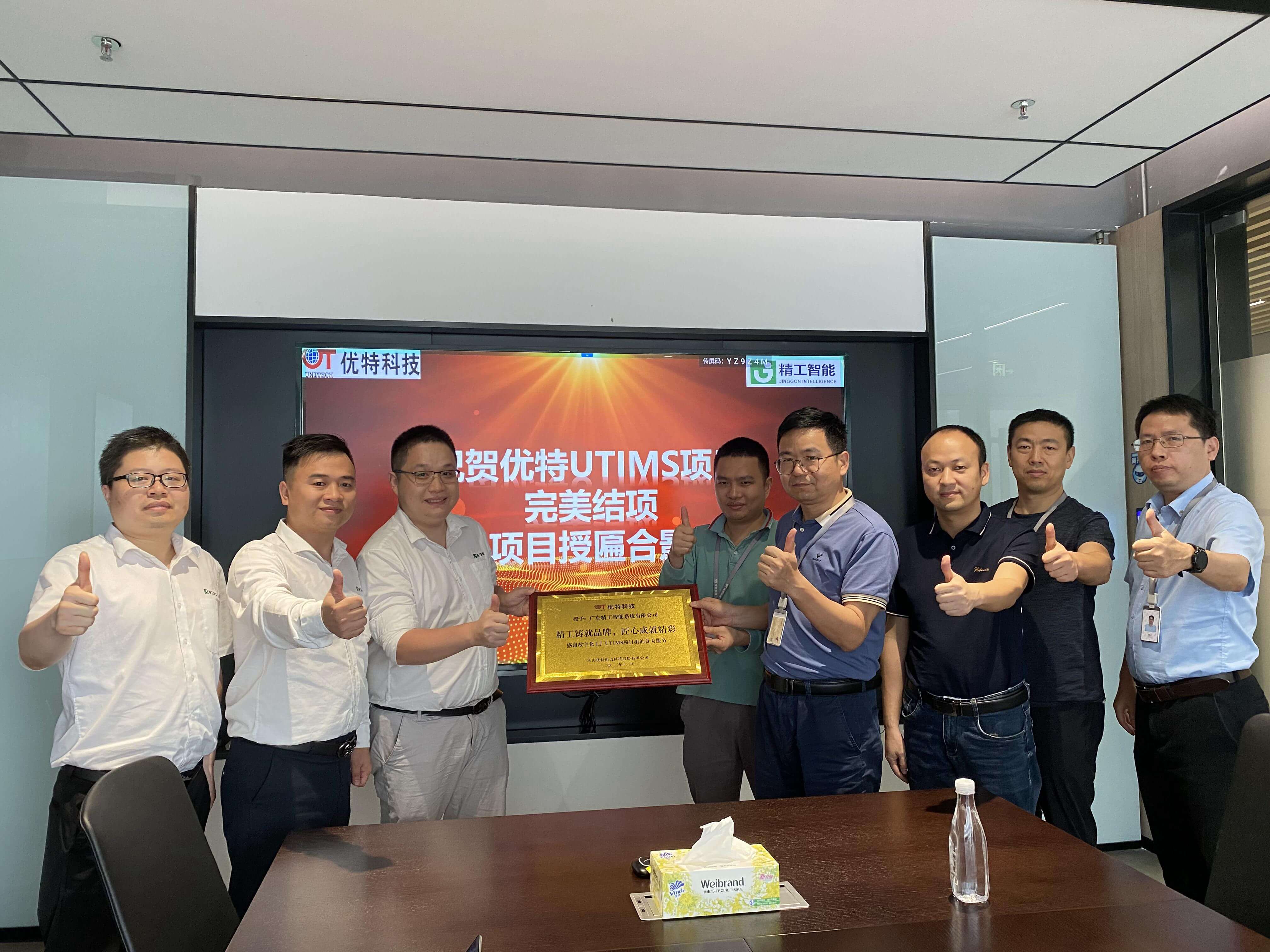
Awards & Honors

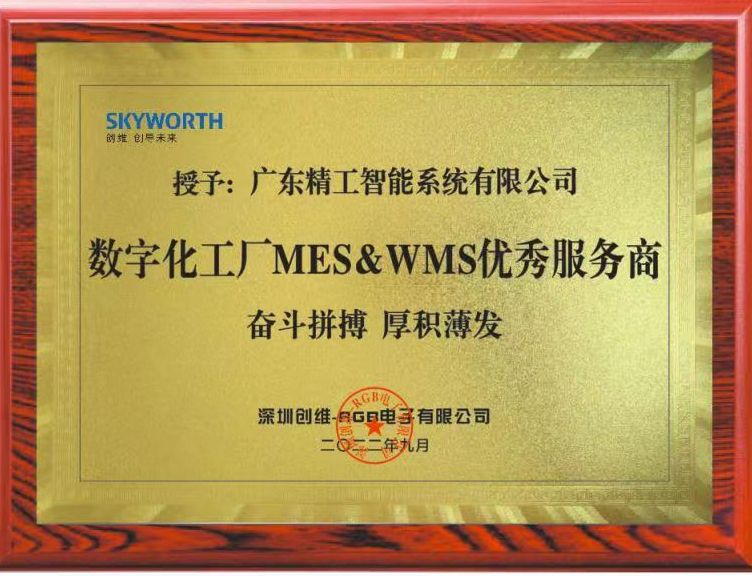
【创维集团】赠送牌匾

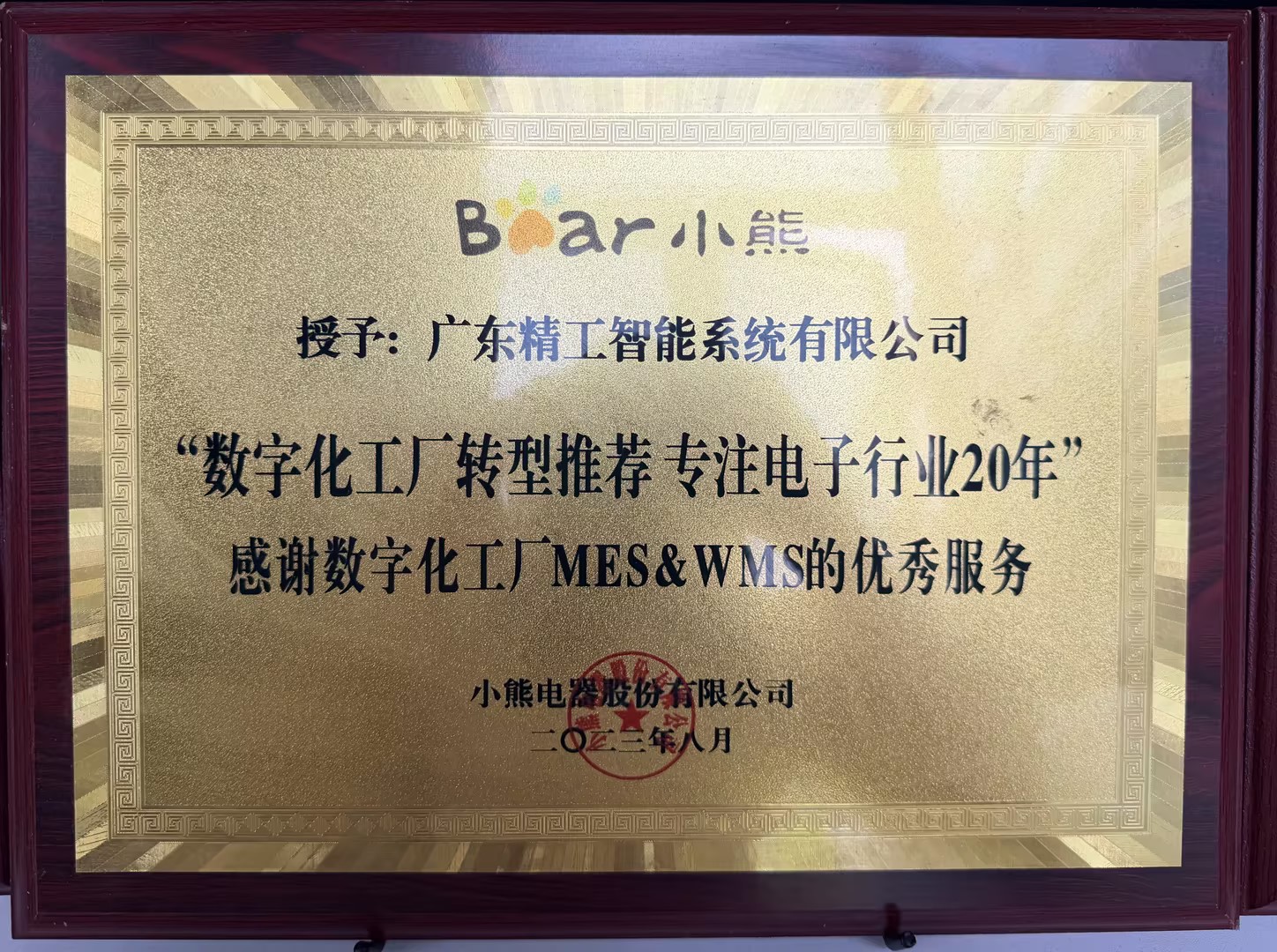
【小熊电器】赠送牌匾

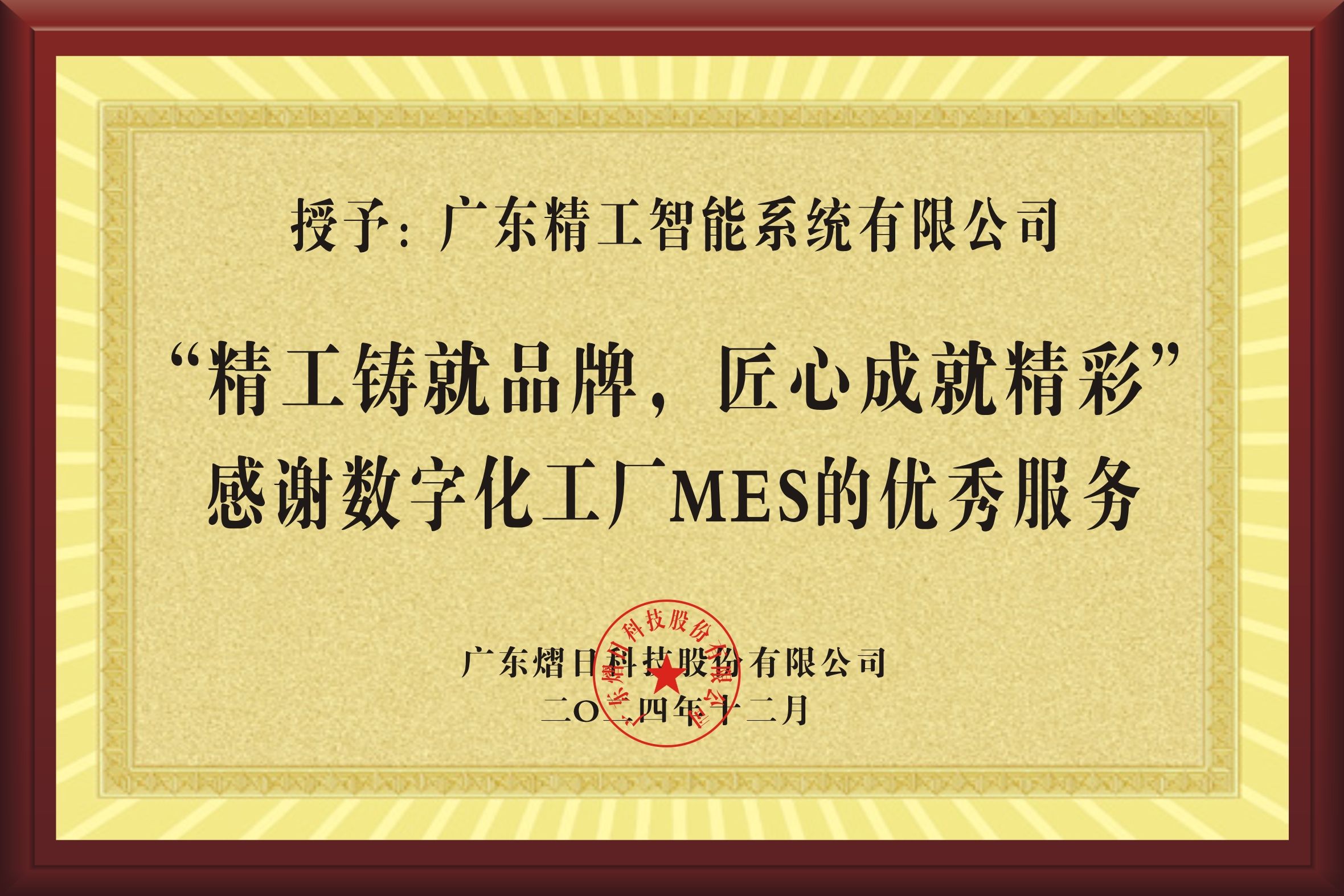
【熠日照明】赠送牌匾

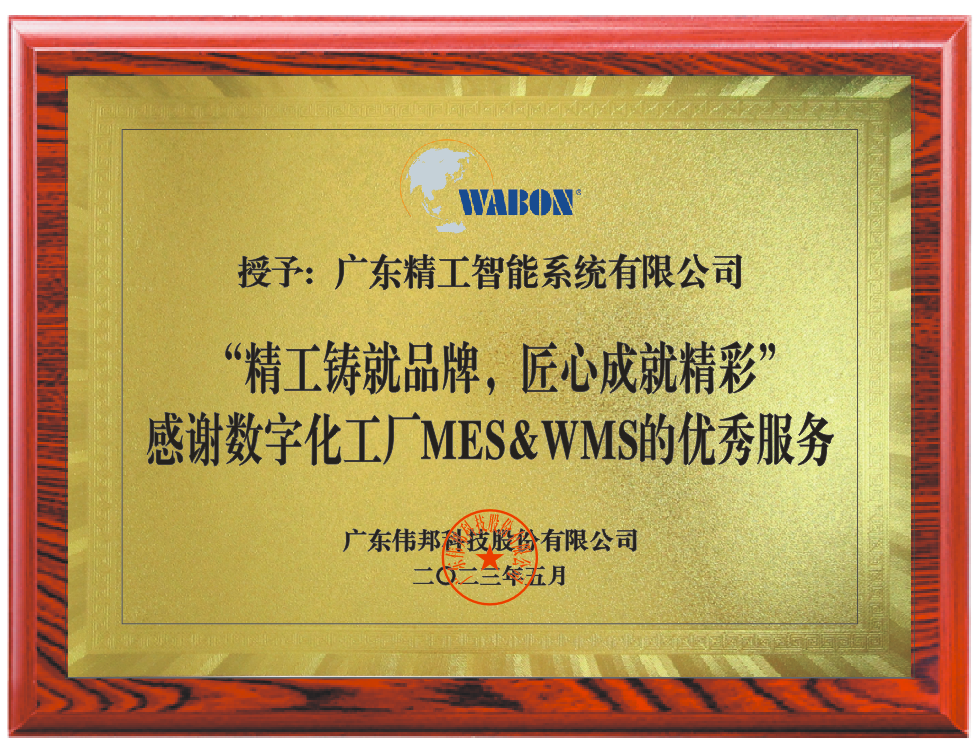
【伟邦科技】赠送牌匾
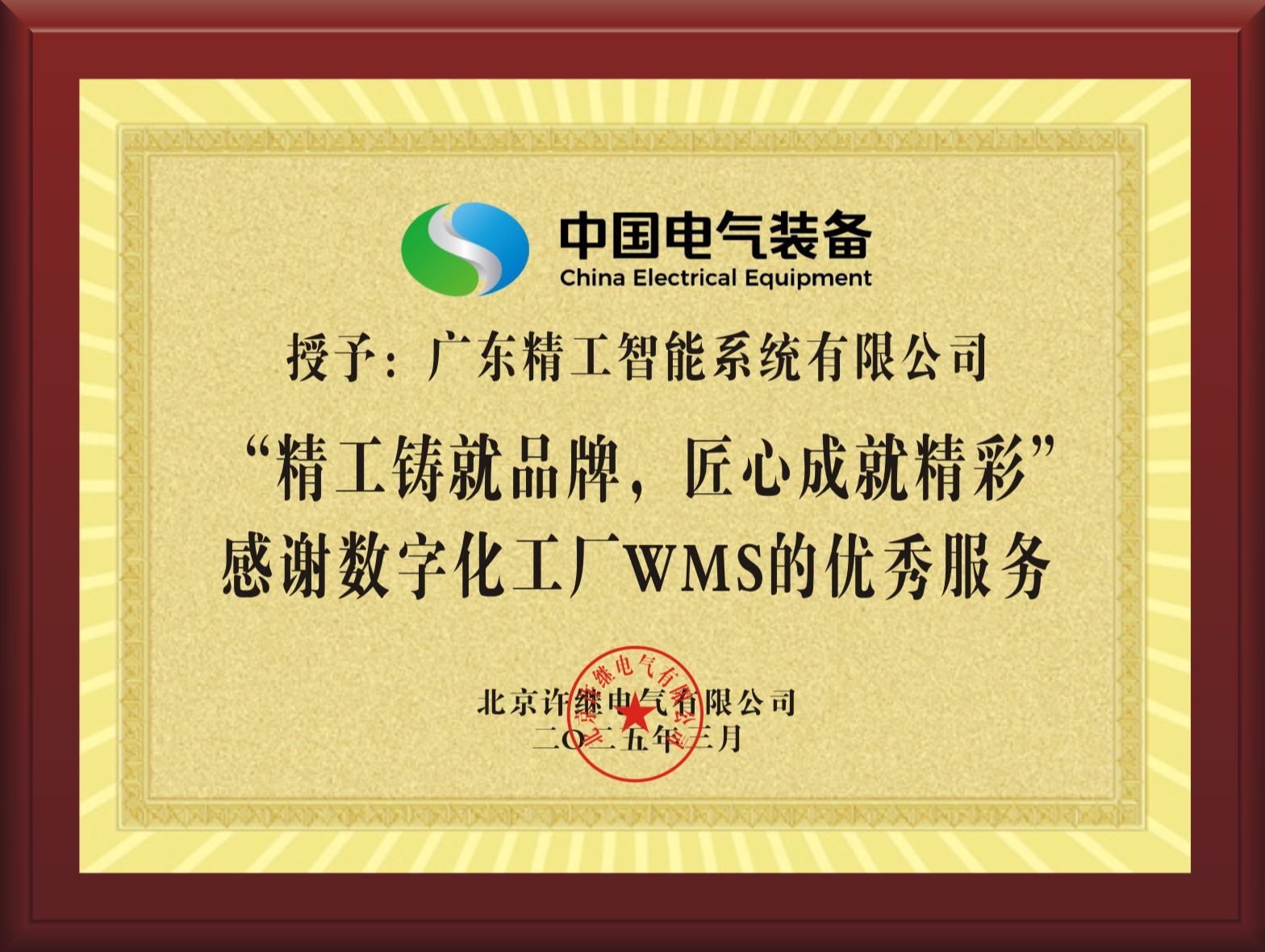
【许继集团】赠送牌匾
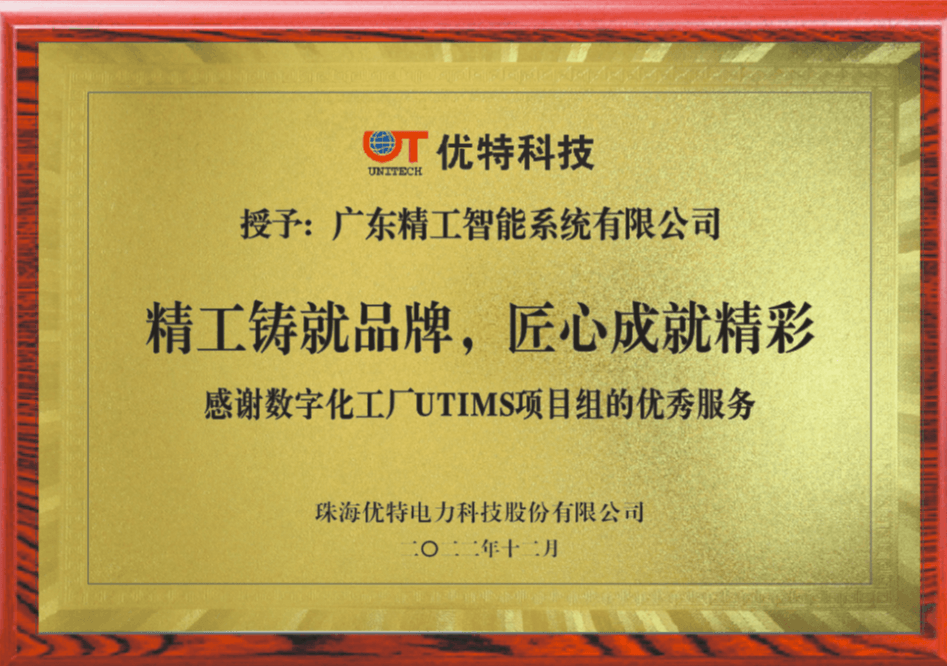
【优特电力】赠送牌匾
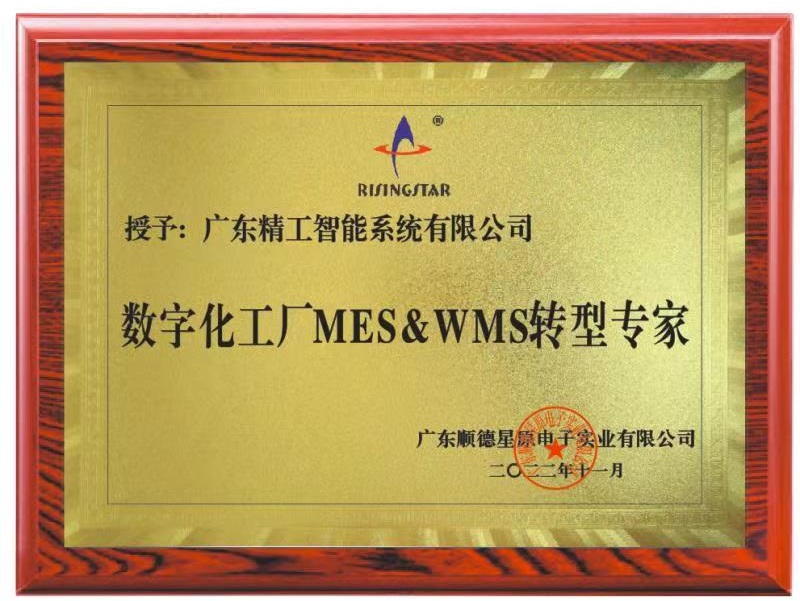
【星原电子】赠送牌匾
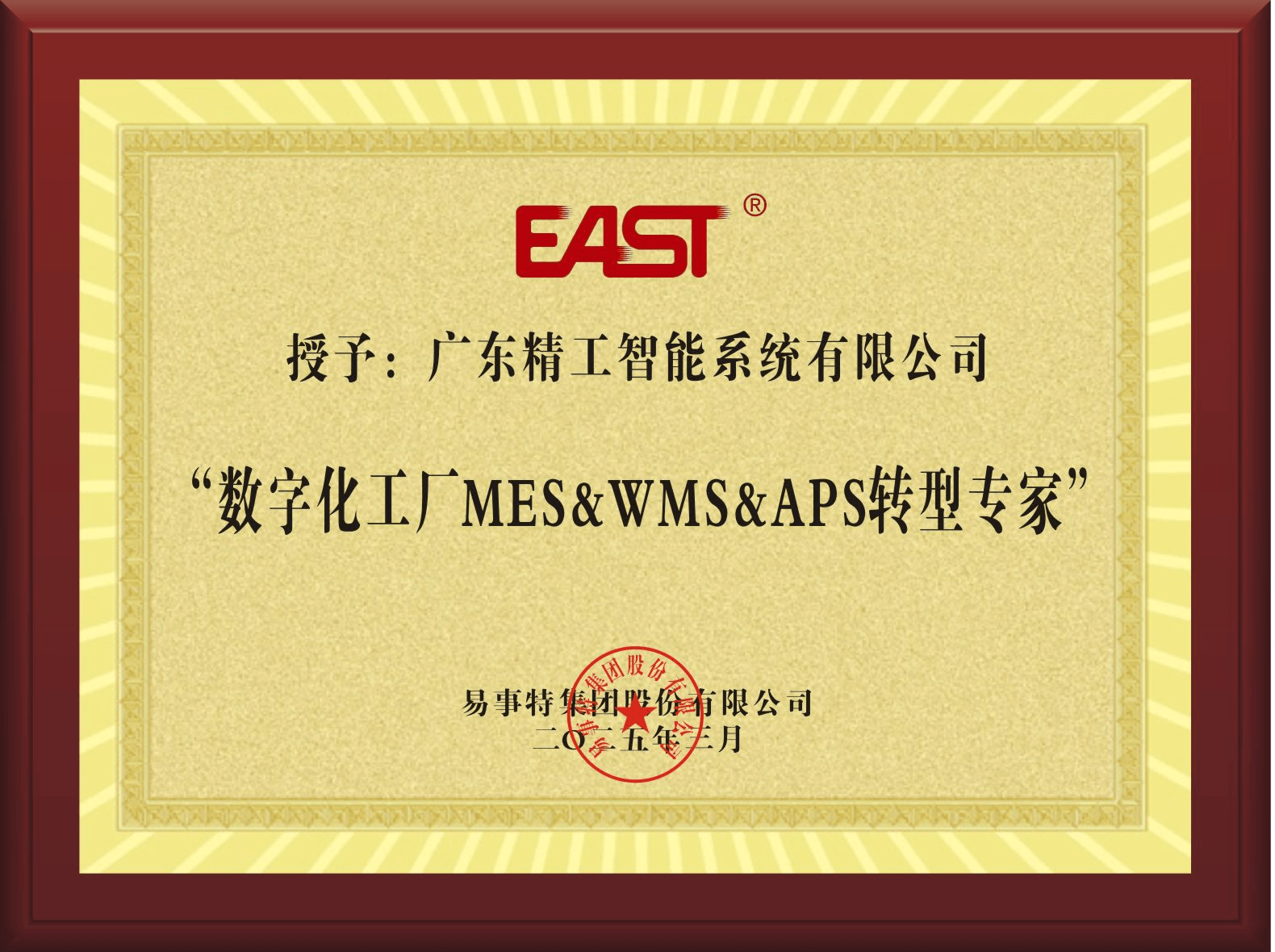
【易事特】赠送牌匾
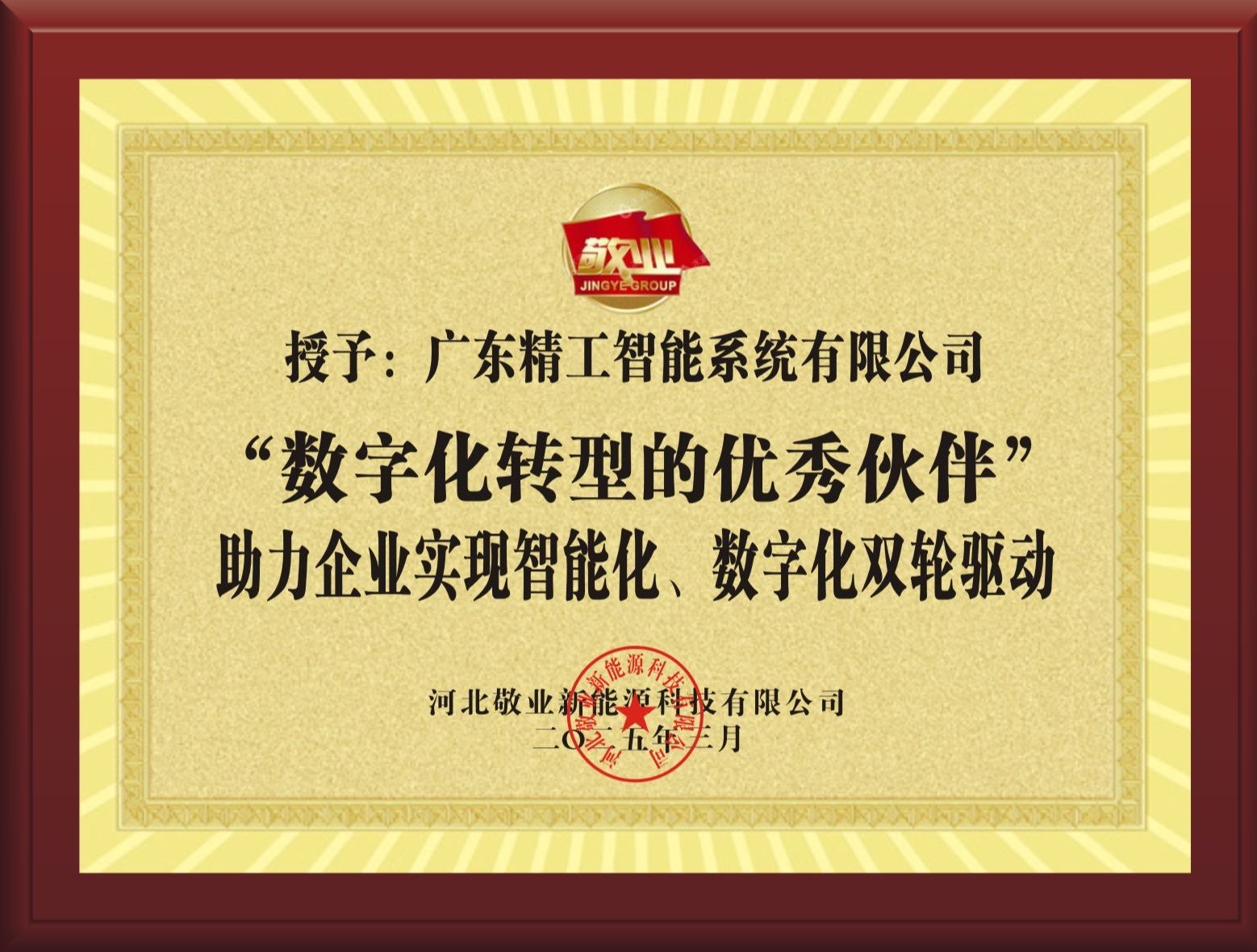
【敬业集团】赠送牌匾
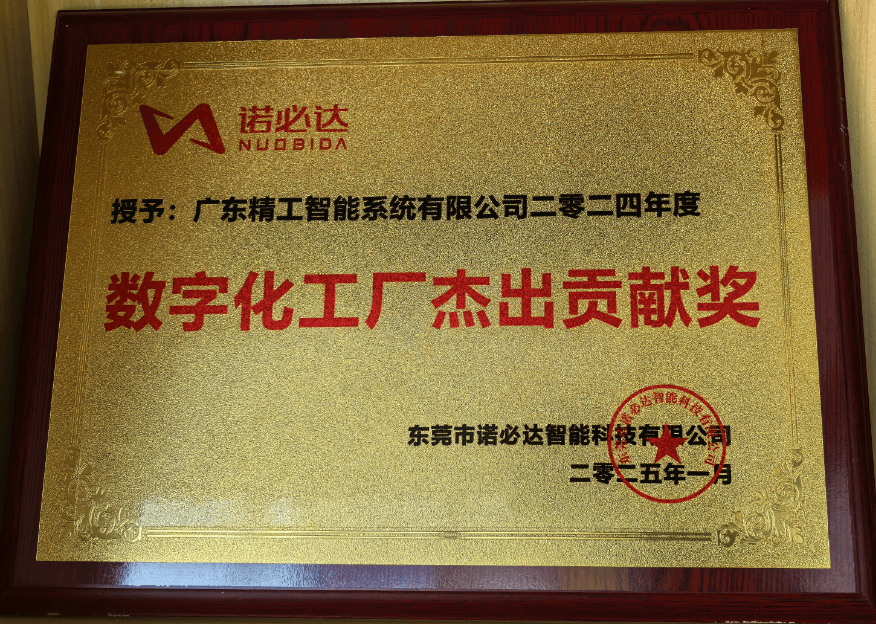
【诺必达】赠送牌匾
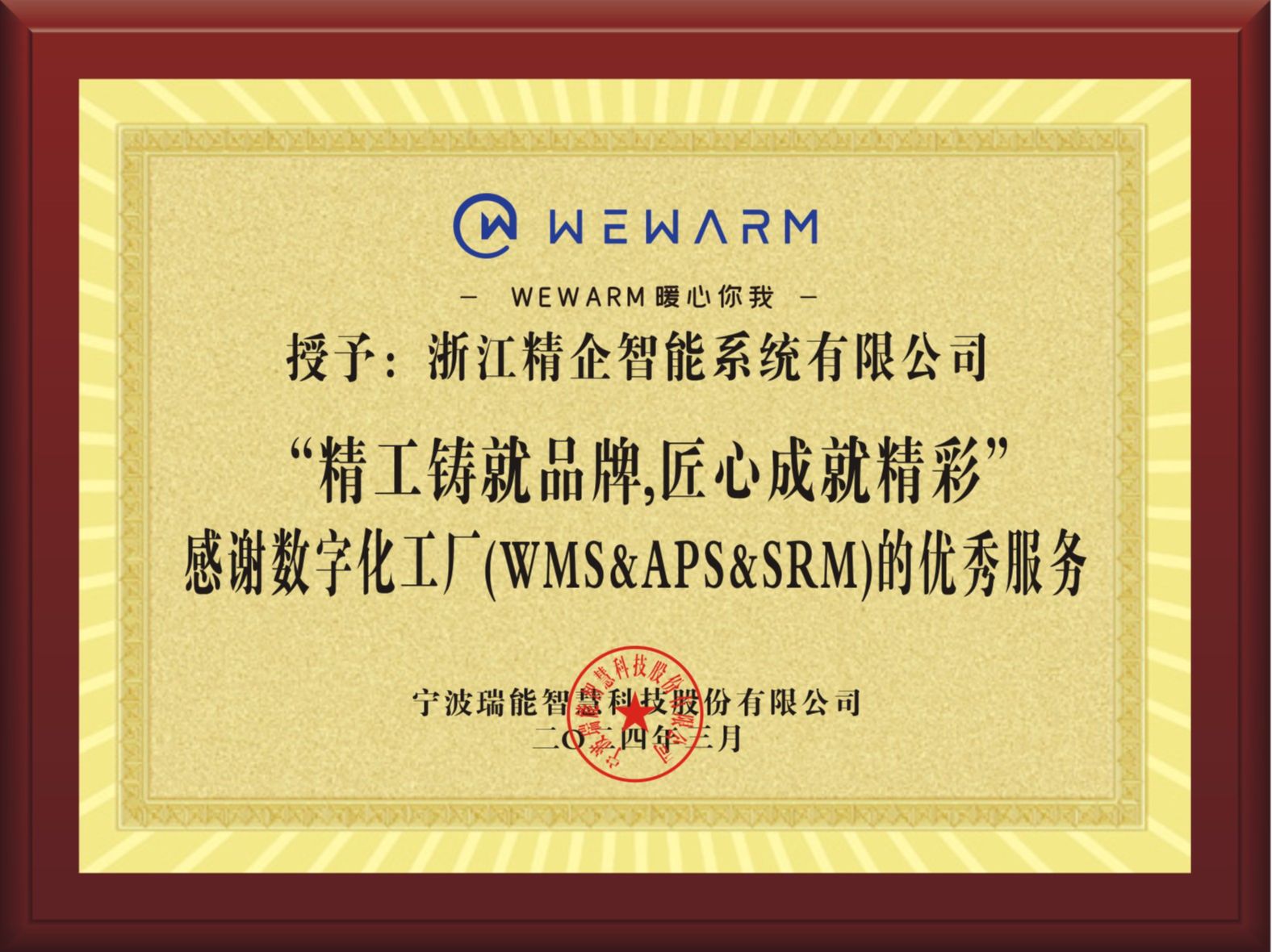
【瑞能智慧】赠送牌匾
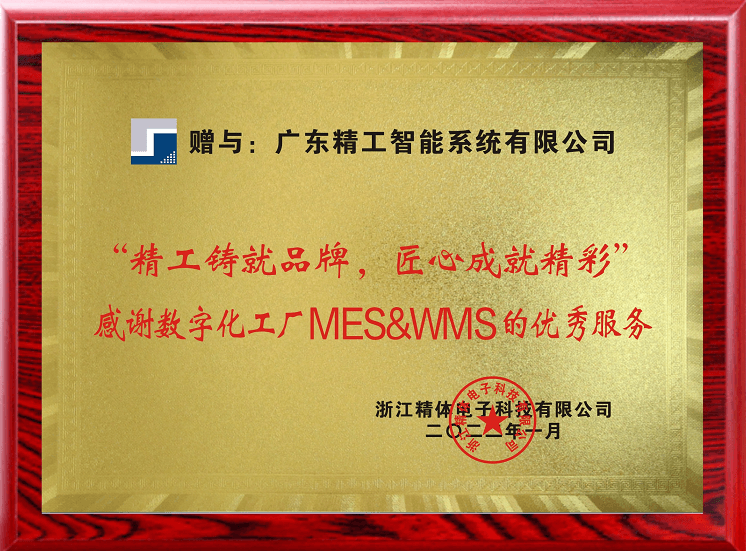
【精体电子】赠送牌匾
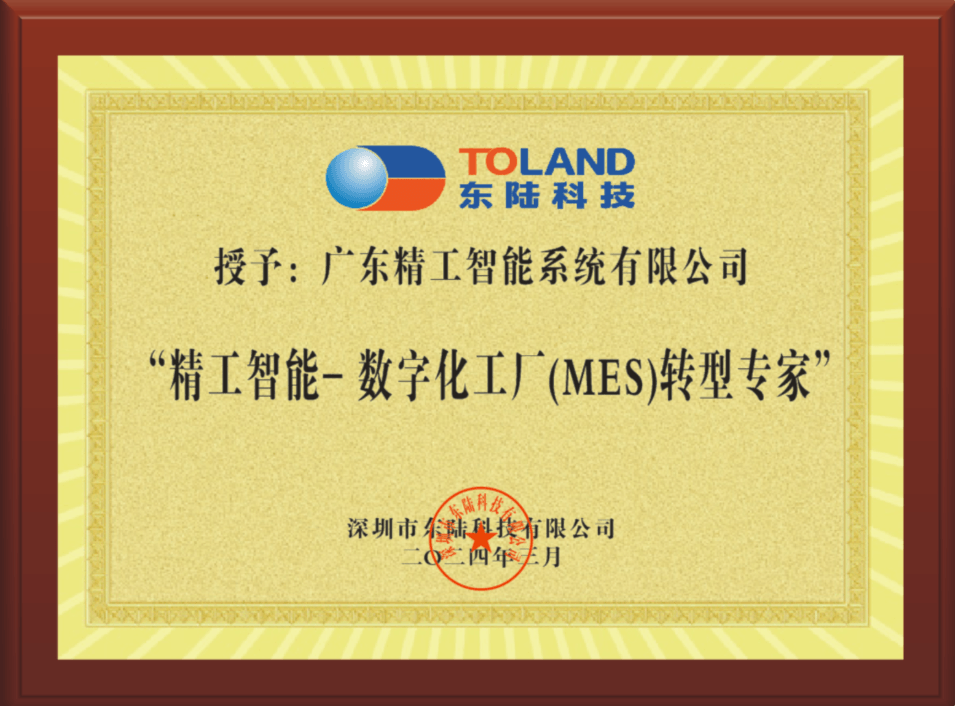
【东陆科技】赠送牌匾
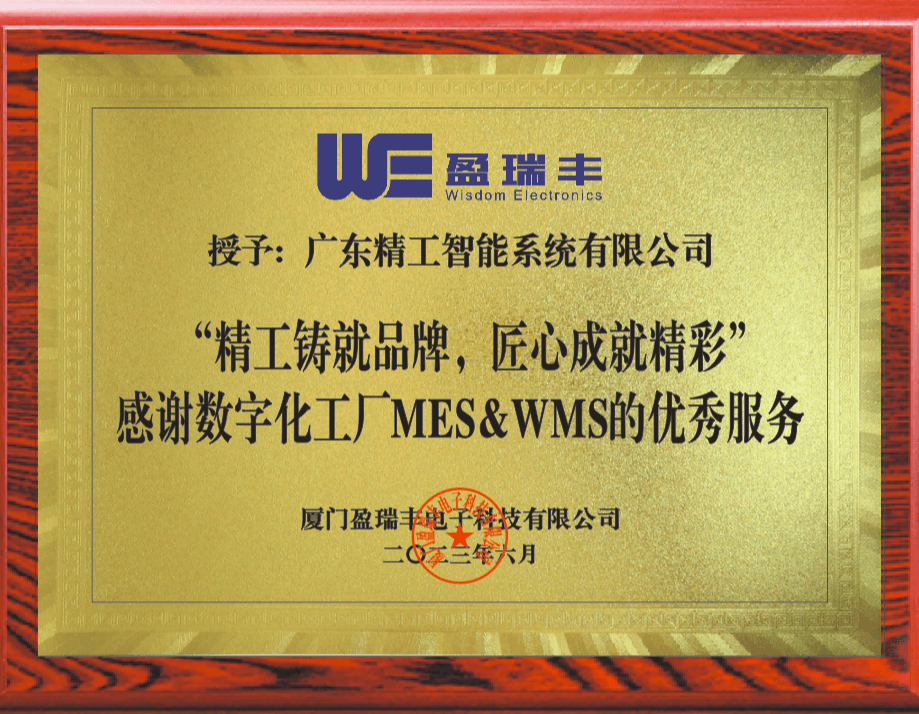
【盈瑞丰】赠送牌匾
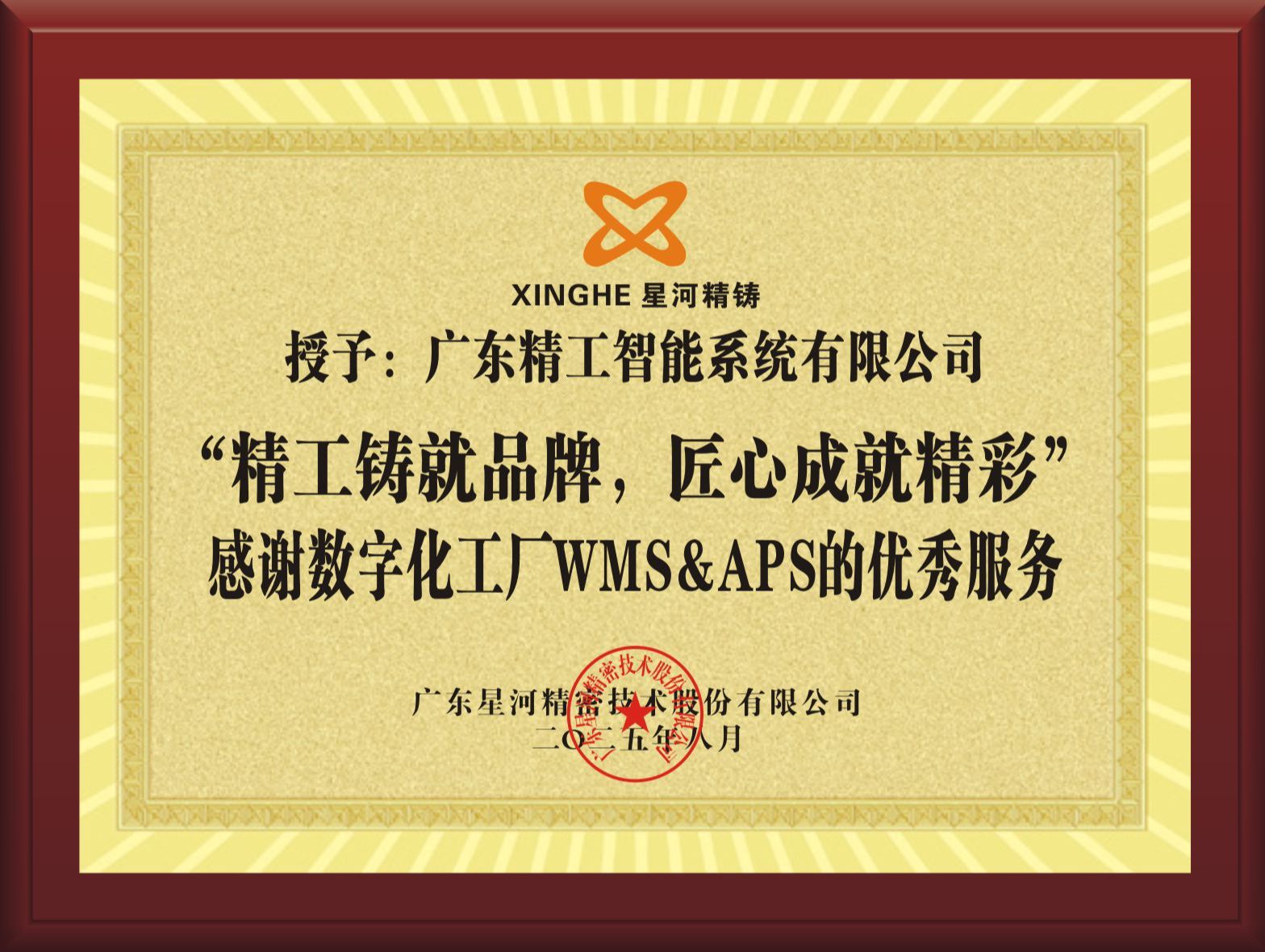
【星河精密】赠送牌匾
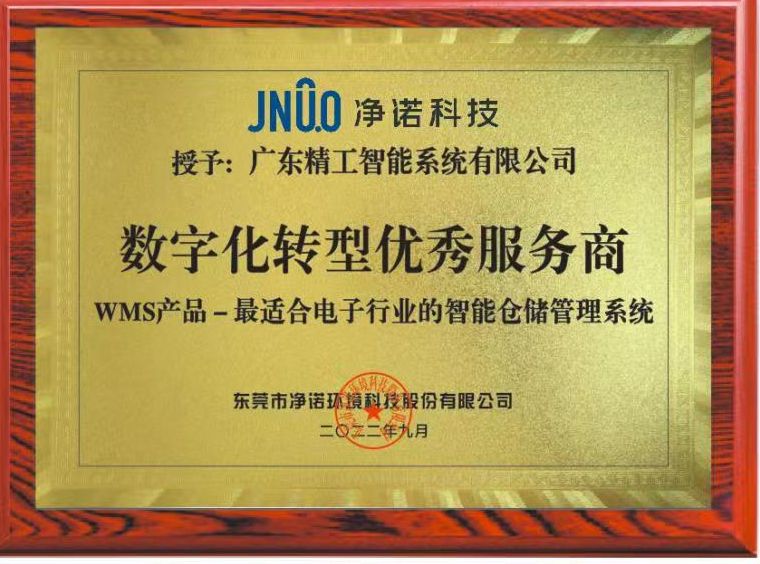
【净诺环境】赠送牌匾
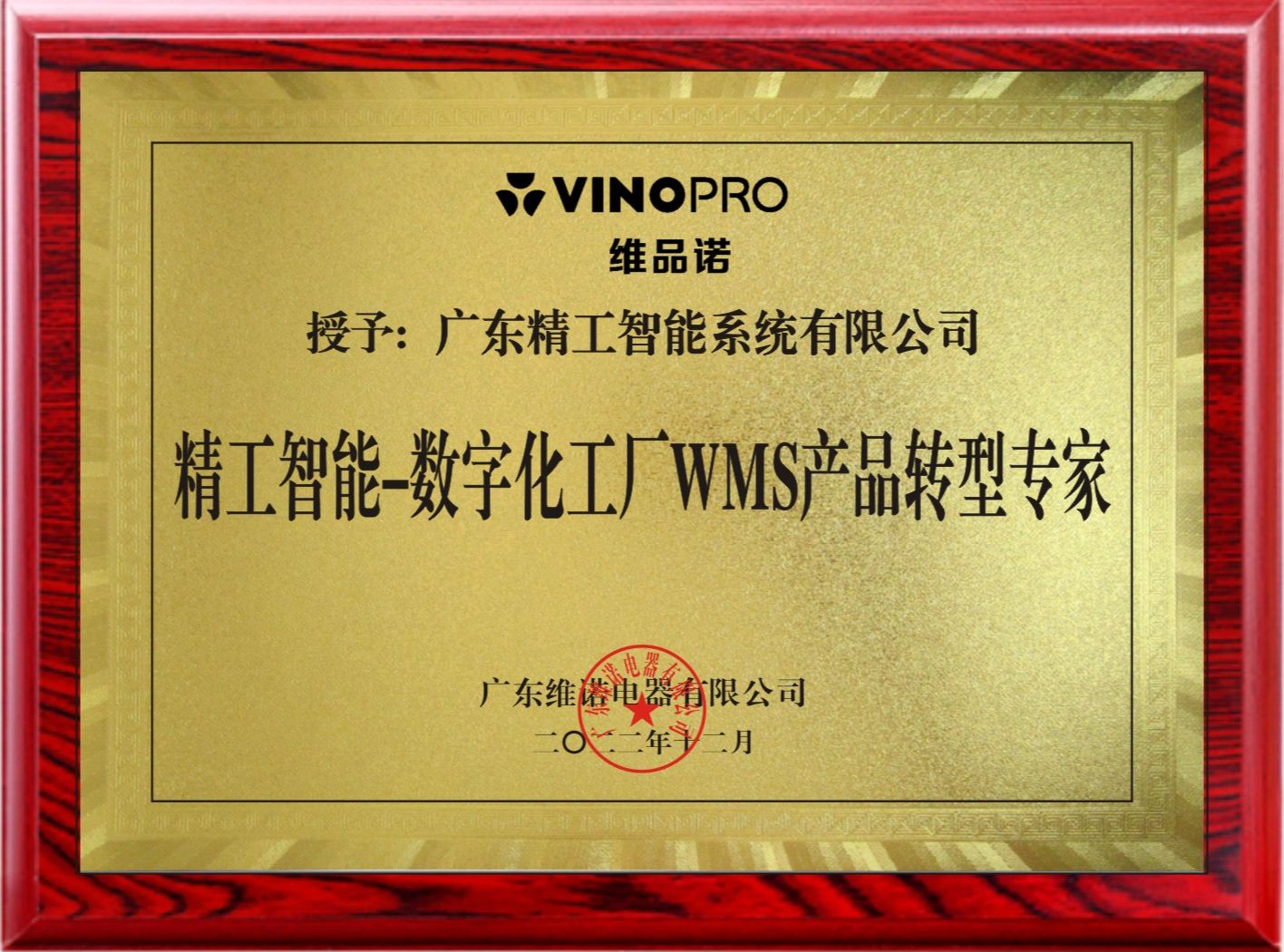
【维诺电器】赠送牌匾
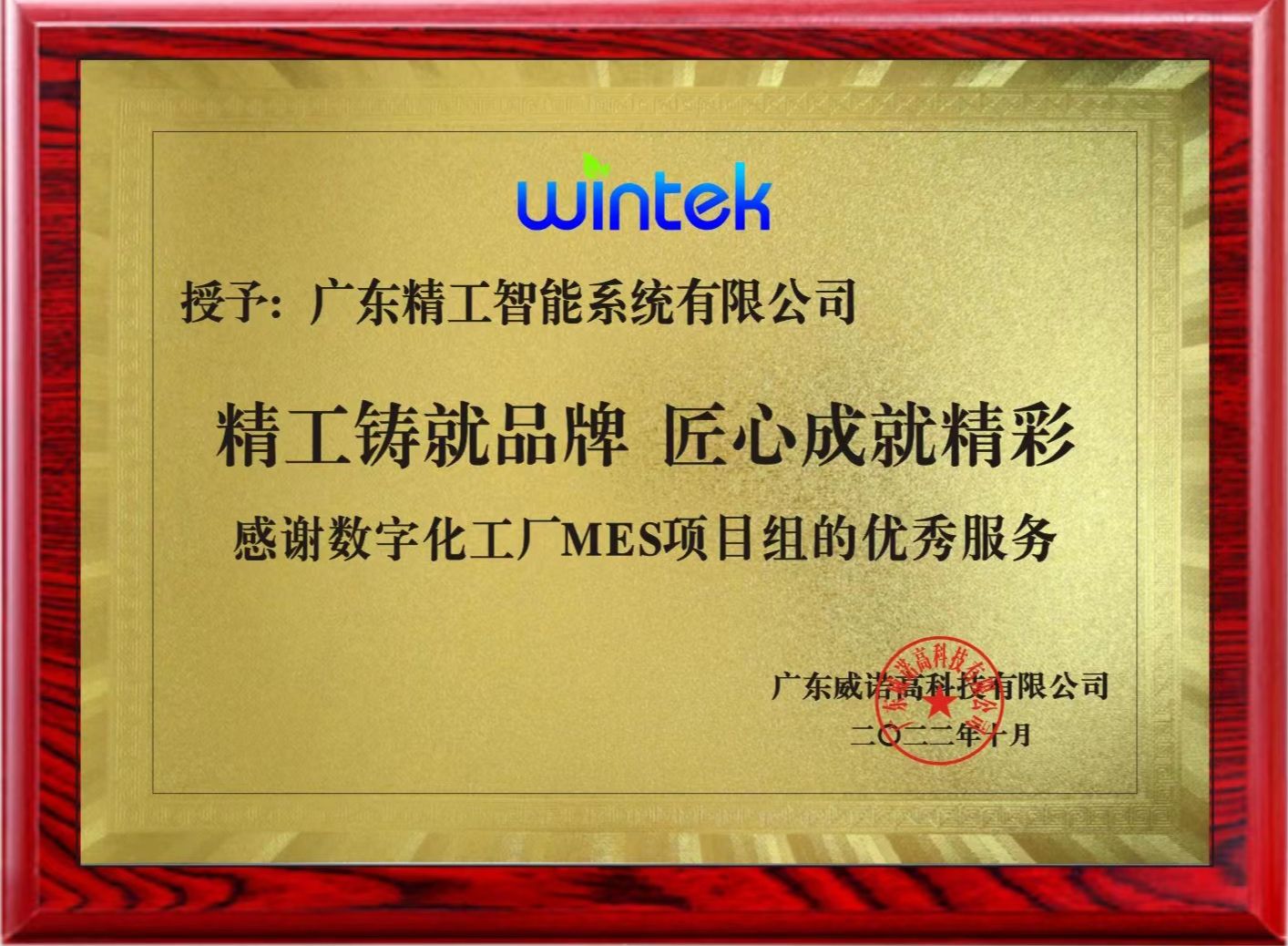
【威诺高】赠送牌匾
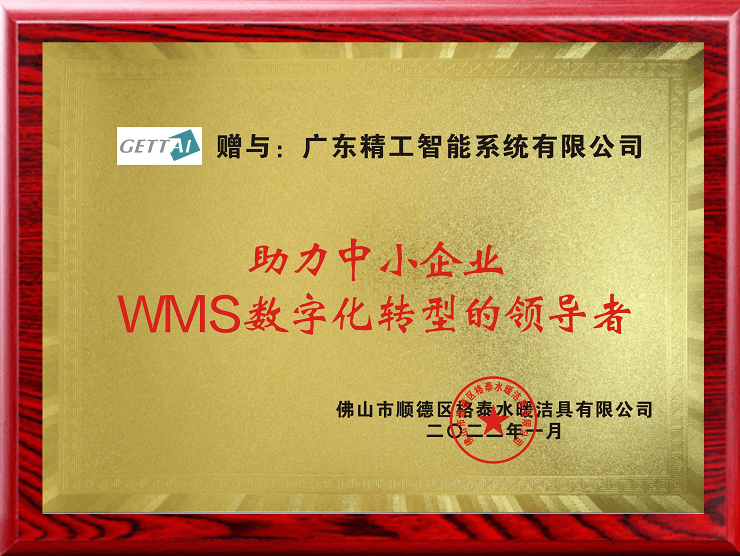
【格泰水暖】赠送牌匾
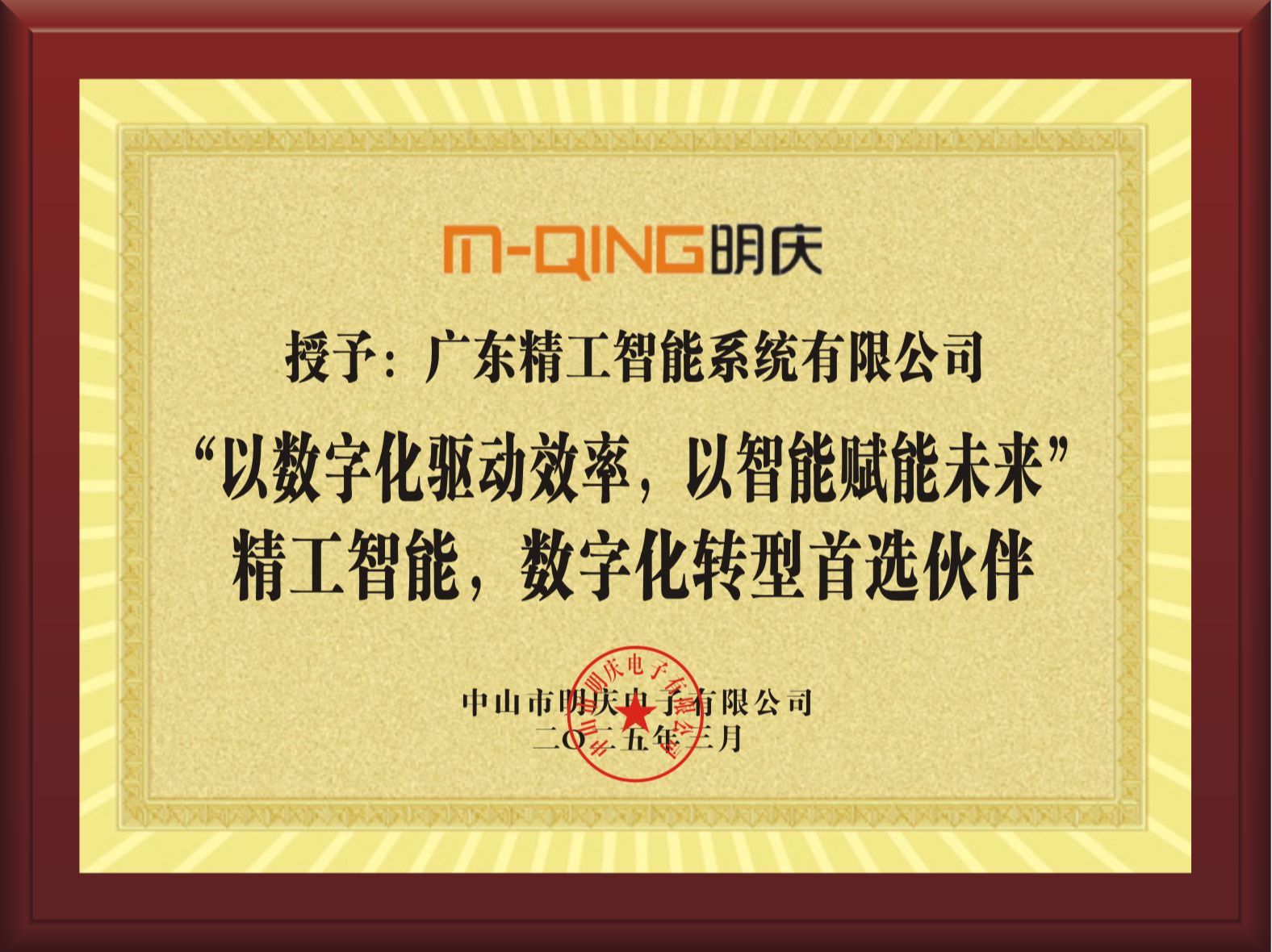
【明庆电子】赠送牌匾
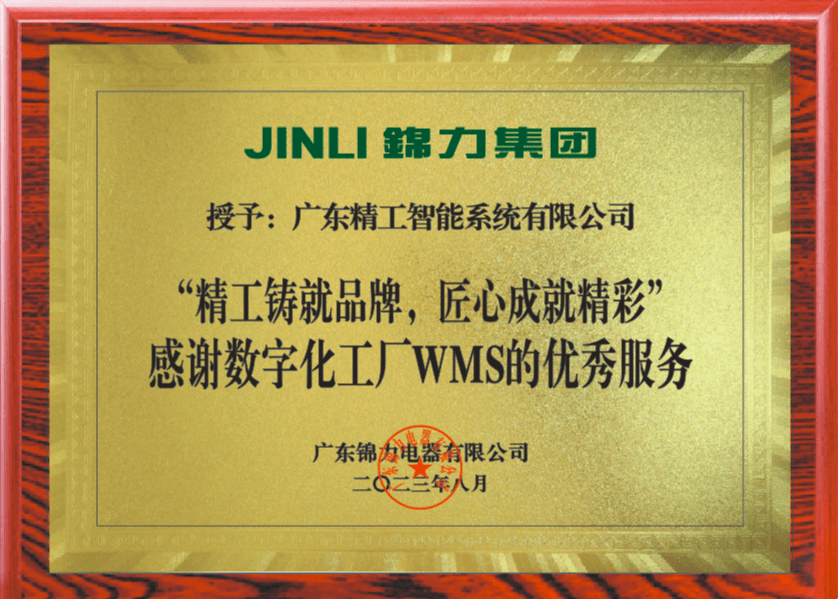
【锦力电器】赠送牌匾
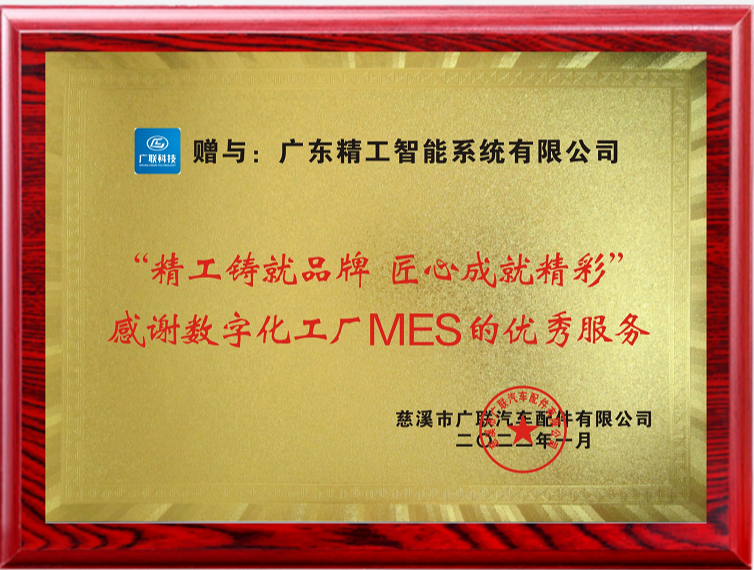
【广联汽配】赠送牌匾
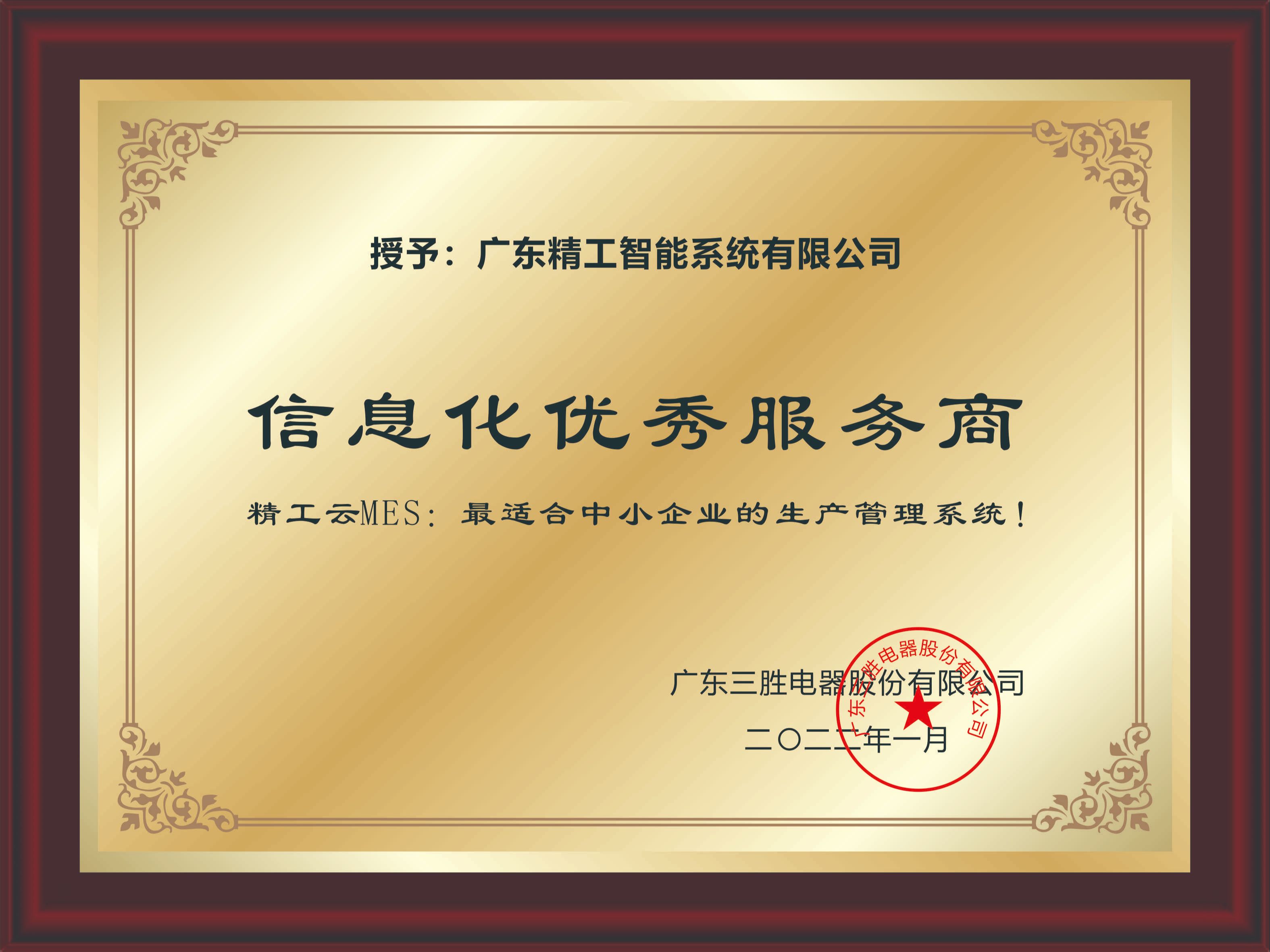
【三胜电器】赠送牌匾
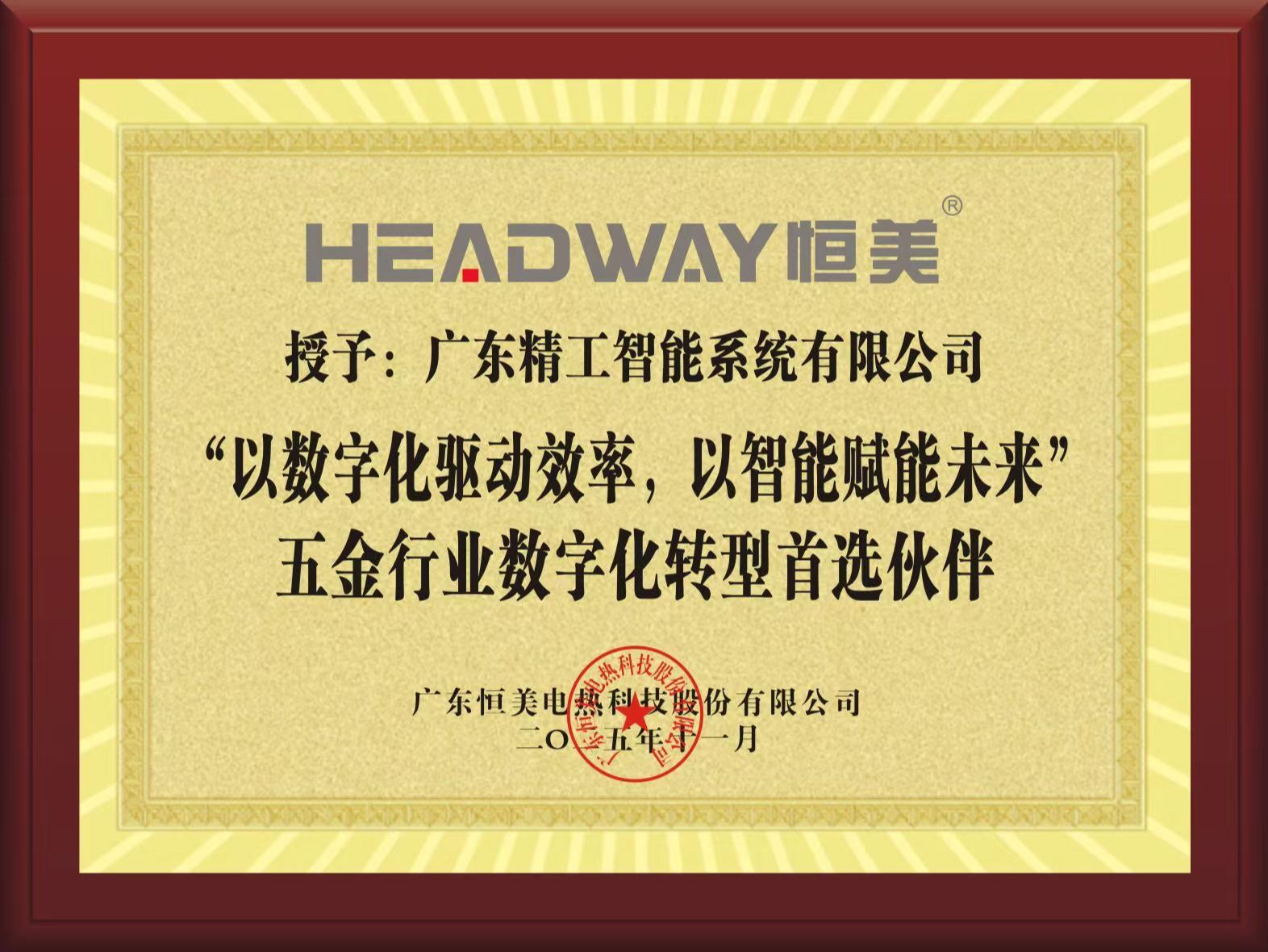
【恒美】赠送牌匾
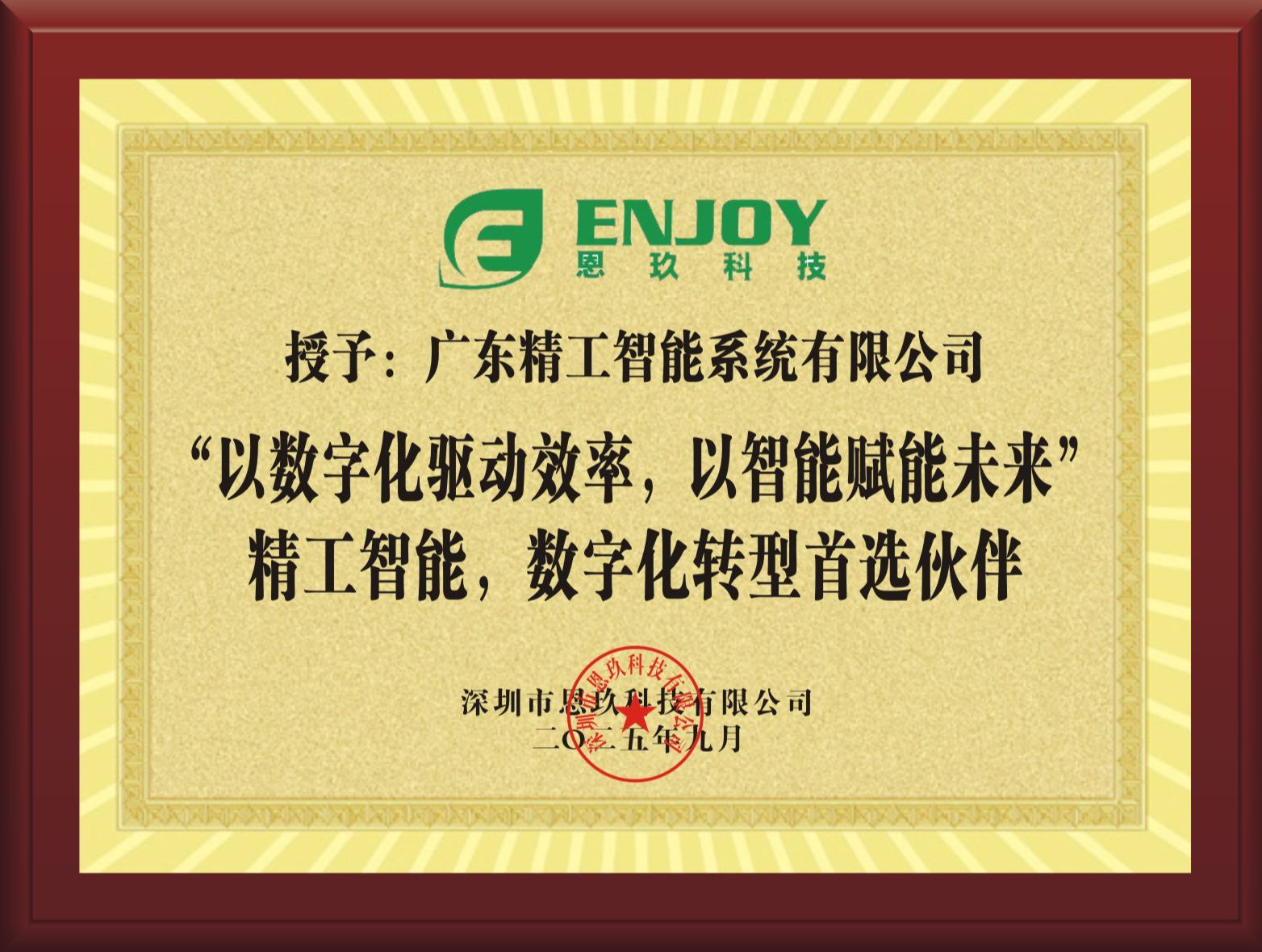
【恩玖科技】赠送牌匾
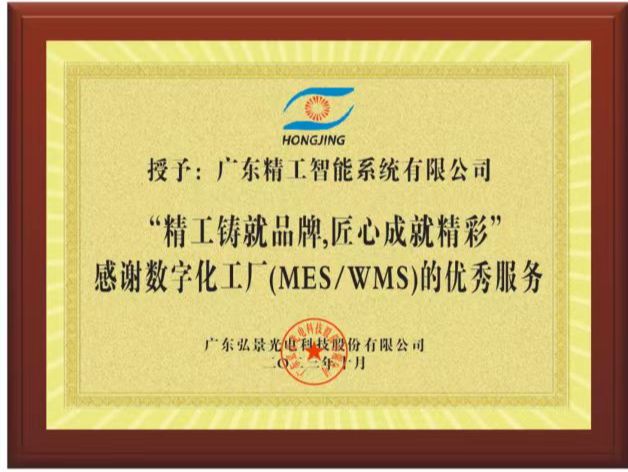
【弘景光电】赠送牌匾
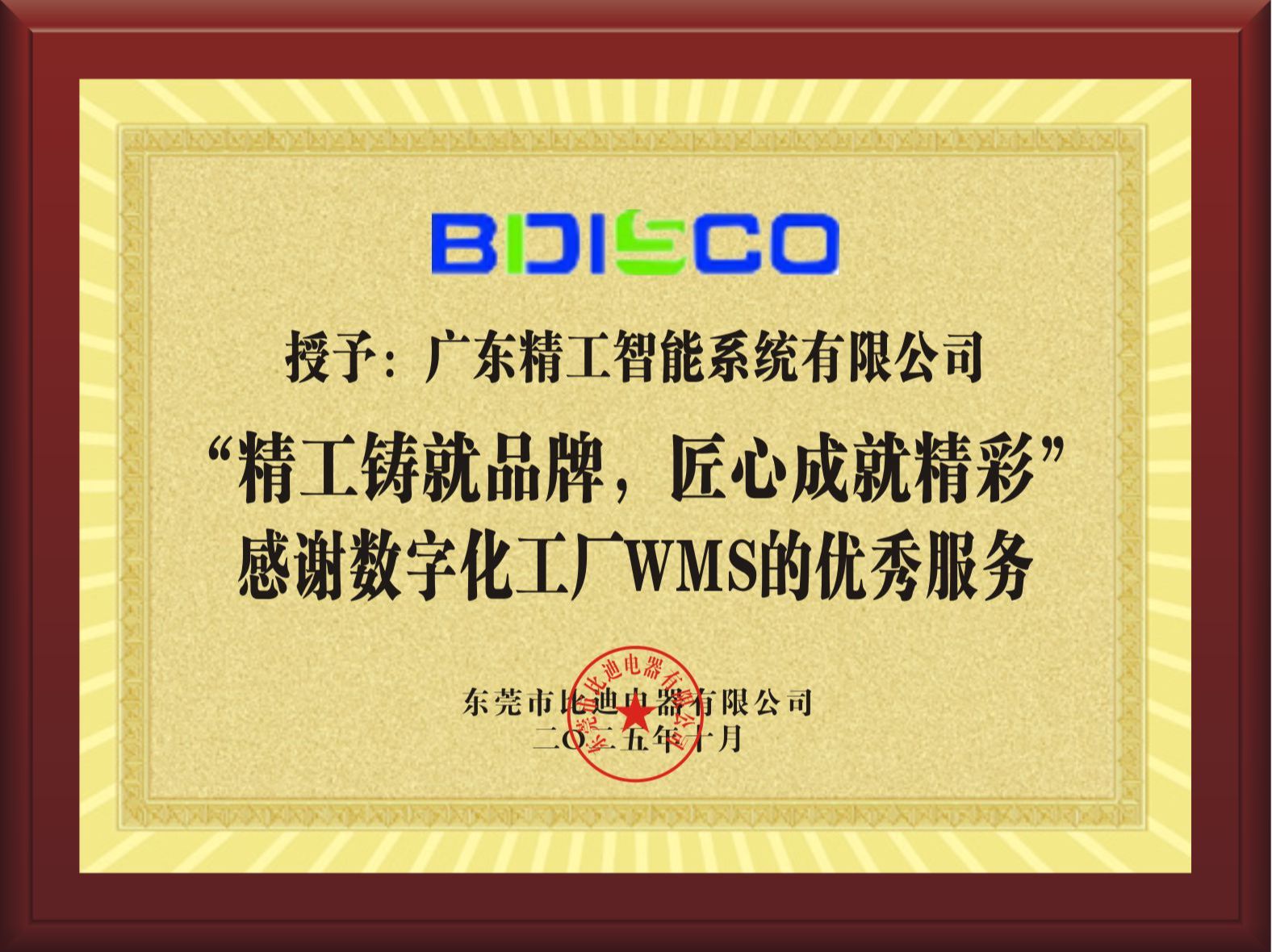
【比迪电器】赠送牌匾
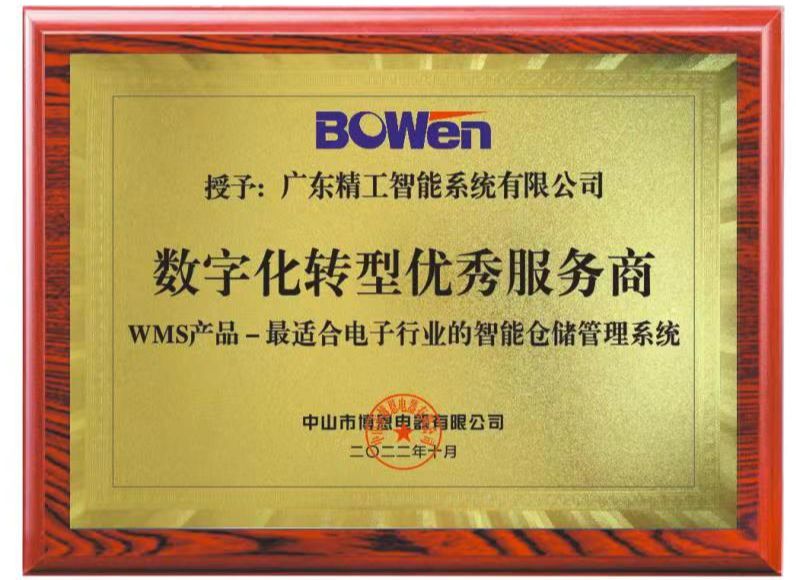
【博恩电器】赠送牌匾
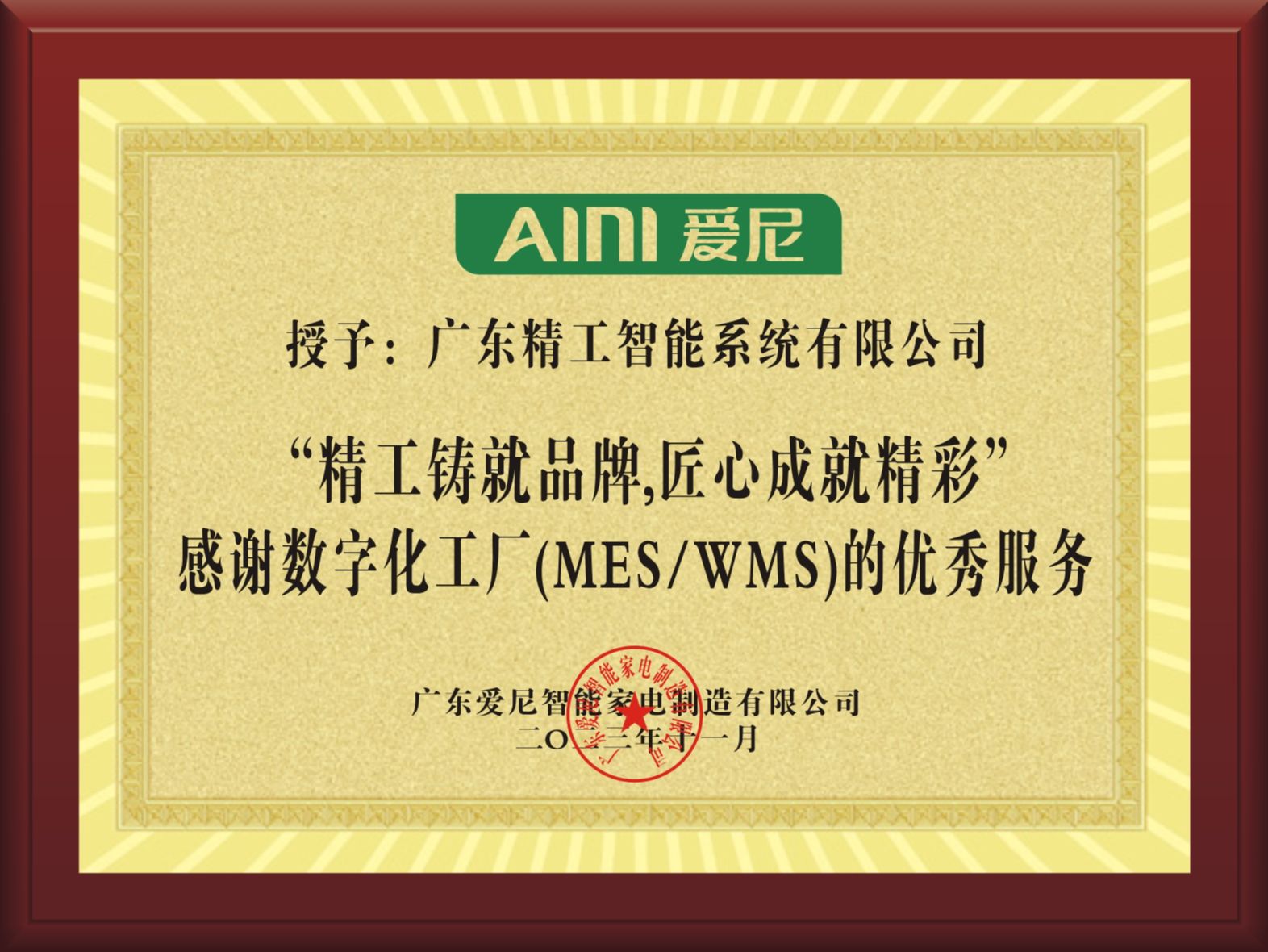
【爱尼智能】赠送牌匾
【创维集团】赠送牌匾

【小熊电器】赠送牌匾

【熠日照明】赠送牌匾

【伟邦科技】赠送牌匾

【许继集团】赠送牌匾

【优特电力】赠送牌匾

【星原电子】赠送牌匾

【易事特】赠送牌匾

【敬业集团】赠送牌匾

【诺必达】赠送牌匾

【瑞能智慧】赠送牌匾

【精体电子】赠送牌匾

【东陆科技】赠送牌匾

【盈瑞丰】赠送牌匾

【星河精密】赠送牌匾

【净诺环境】赠送牌匾

【维诺电器】赠送牌匾

【威诺高】赠送牌匾

【格泰水暖】赠送牌匾

【明庆电子】赠送牌匾

【锦力电器】赠送牌匾

【广联汽配】赠送牌匾

【三胜电器】赠送牌匾

【恒美】赠送牌匾

【恩玖科技】赠送牌匾

【弘景光电】赠送牌匾

【比迪电器】赠送牌匾

【博恩电器】赠送牌匾

【爱尼智能】赠送牌匾