Warehouse & Production Floor
Core Pain Points
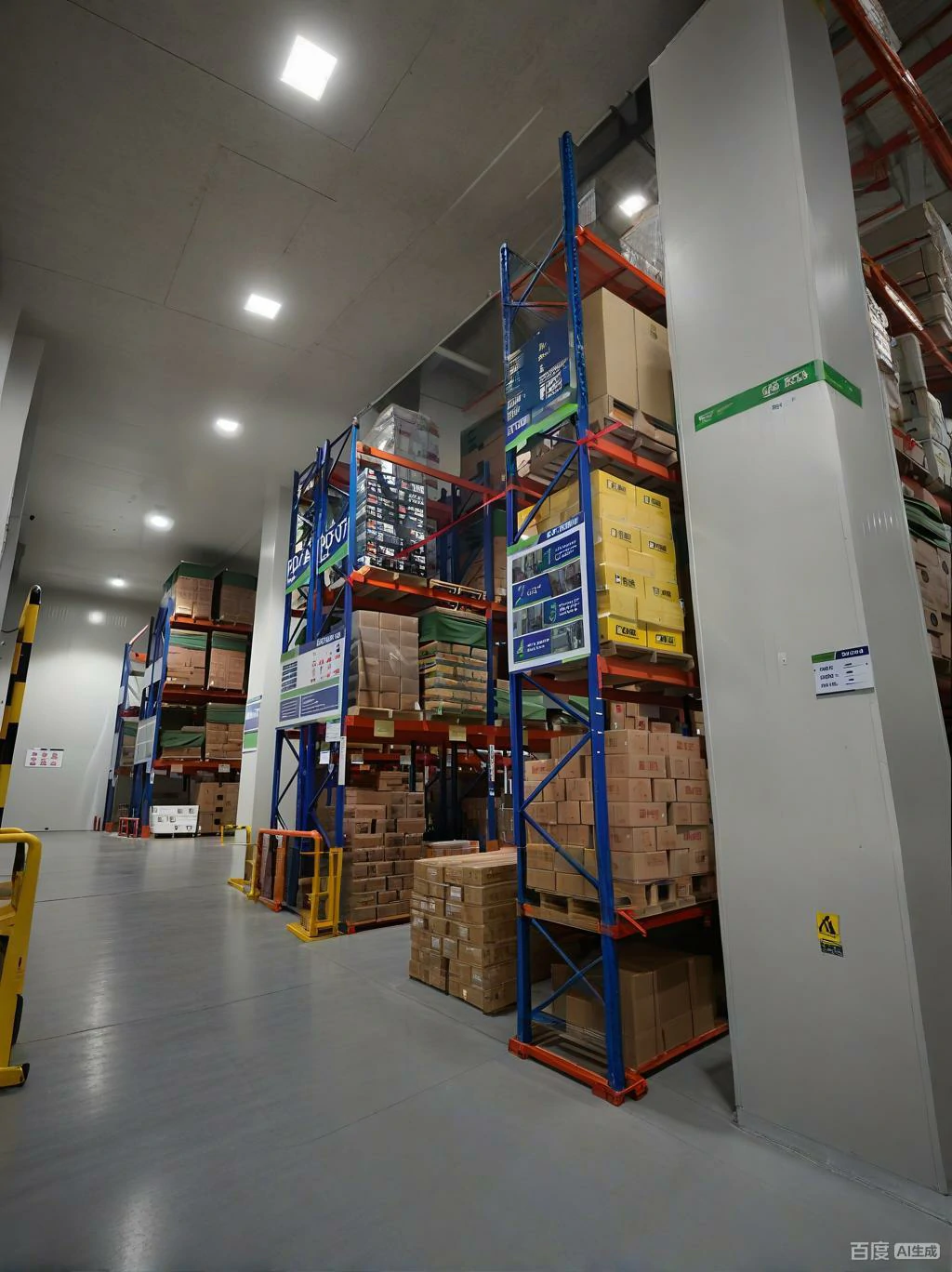
Traditional flat warehouse rack heights are limited, vertical space is severely wasted, material accumulation clogs aisles, unable to adapt to capacity expansion.
Manual bookkeeping and counting are prone to omissions and errors, batch traceability is difficult, inventory data lags, and material shortages coexist with backlogs.
High-position access relies on manual forklifts, rhythm is unstable, multi-batch small-batch scenarios do not connect smoothly, unable to meet efficient turnover.
Forklift high-position operations are prone to collision, tipping, and material falling; manual climbing of racks poses high-altitude falling risks.
Warehouse personnel and equipment maintenance costs are high, inefficient operations and material losses indirectly push up operating costs, land lease remains high long-term.
Lack of intelligent control, inventory and operation data cannot be synchronized in real-time, no visual monitoring and data-supported decision-making.
In special scenarios such as clean rooms, cold chain, and explosion-proof environments, manual efficiency is low; multi-specification pallet mixed storage is difficult to accurately identify and efficiently access.
Failure to accurately collect inventory SKU and receiving/shipping frequencies leads to layout and equipment selection deviations, affecting overall operational effectiveness.
Solutions
With 'space intensification, storage intelligence, inbound/outbound automation, and management refinement' as the core, introduce stacker cranes as the core equipment for high-position access, combined with AS/RS racks, WMS (Warehouse Management System), and WCS (Stacker Crane Control System), to build an Automated Storage and Retrieval System (AS/RS). Connect stacker crane AS/RS with MES (Manufacturing Execution System) and ERP (Enterprise Resource Planning) for data collaboration, achieve automatic material access, real-time inventory monitoring, precise batch traceability, and full-process visualization of operations, replacing traditional flat warehouse manual + forklift operation mode, fundamentally solving pain points such as space waste, low efficiency, inventory chaos, and safety hazards, achieving automation, standardization, and intelligent upgrade of warehousing, adapting to multi-scenario and multi-category material storage needs, improving warehousing and production collaboration efficiency, and reducing operating costs.
Combine warehouse layout, material characteristics (weight, size, batch), inbound/outbound frequency, and operation scenarios (conventional/special), adopt 'scenario adaptation + demand matching' principles, select corresponding types of stacker cranes, avoid selection redundancy or insufficient adaptation, while considering scalability and safety. Specific selections are as follows, combined with multi-sensor collaborative technology to solve the problem of multi-specification pallet recognition:

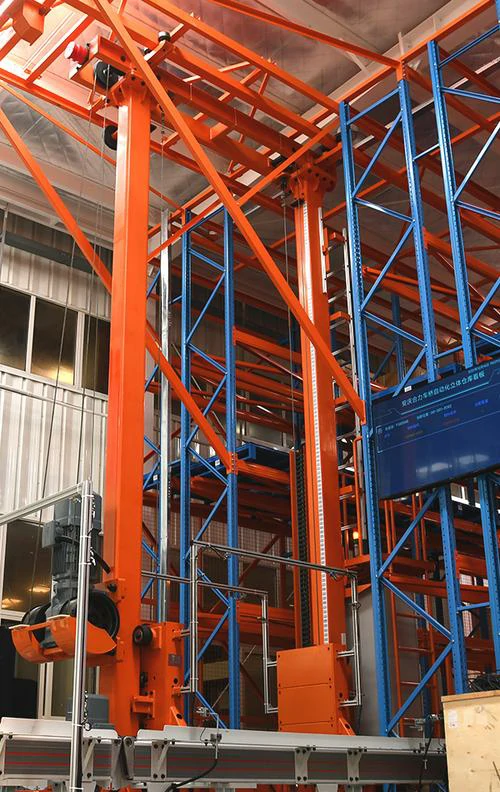
Aisle Stacker Crane
Adapted for 8-30 meter high-bay AS/RS, single-column light-load mid-high position, double-column heavy-load high position, positioning accuracy ±3mm, supports multi-machine collaboration.

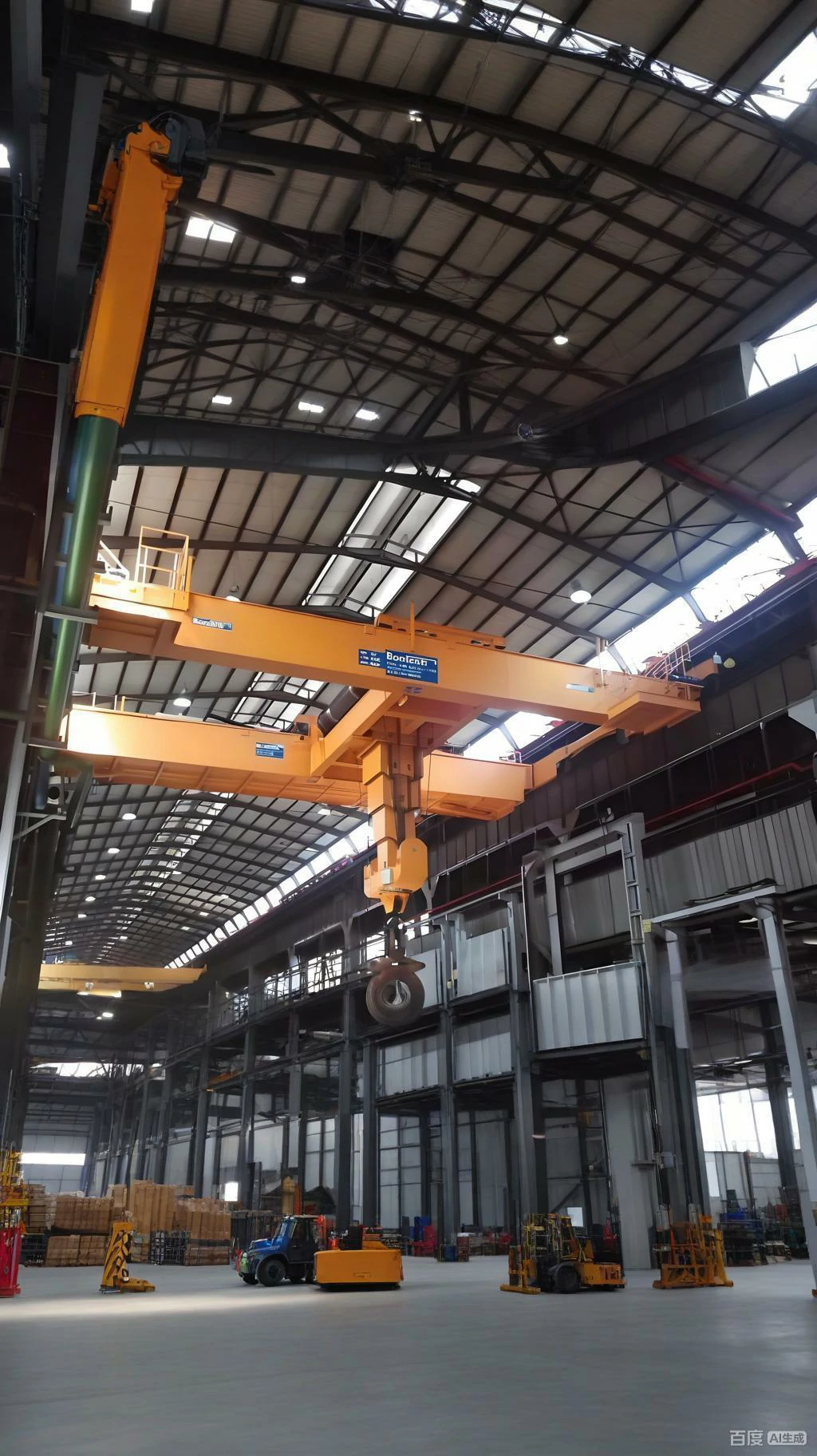
Bridge Stacker Crane
Suitable for open warehouses without fixed aisles, operating across multiple rack areas, flexibly adapting to irregular layout mid-low position storage.

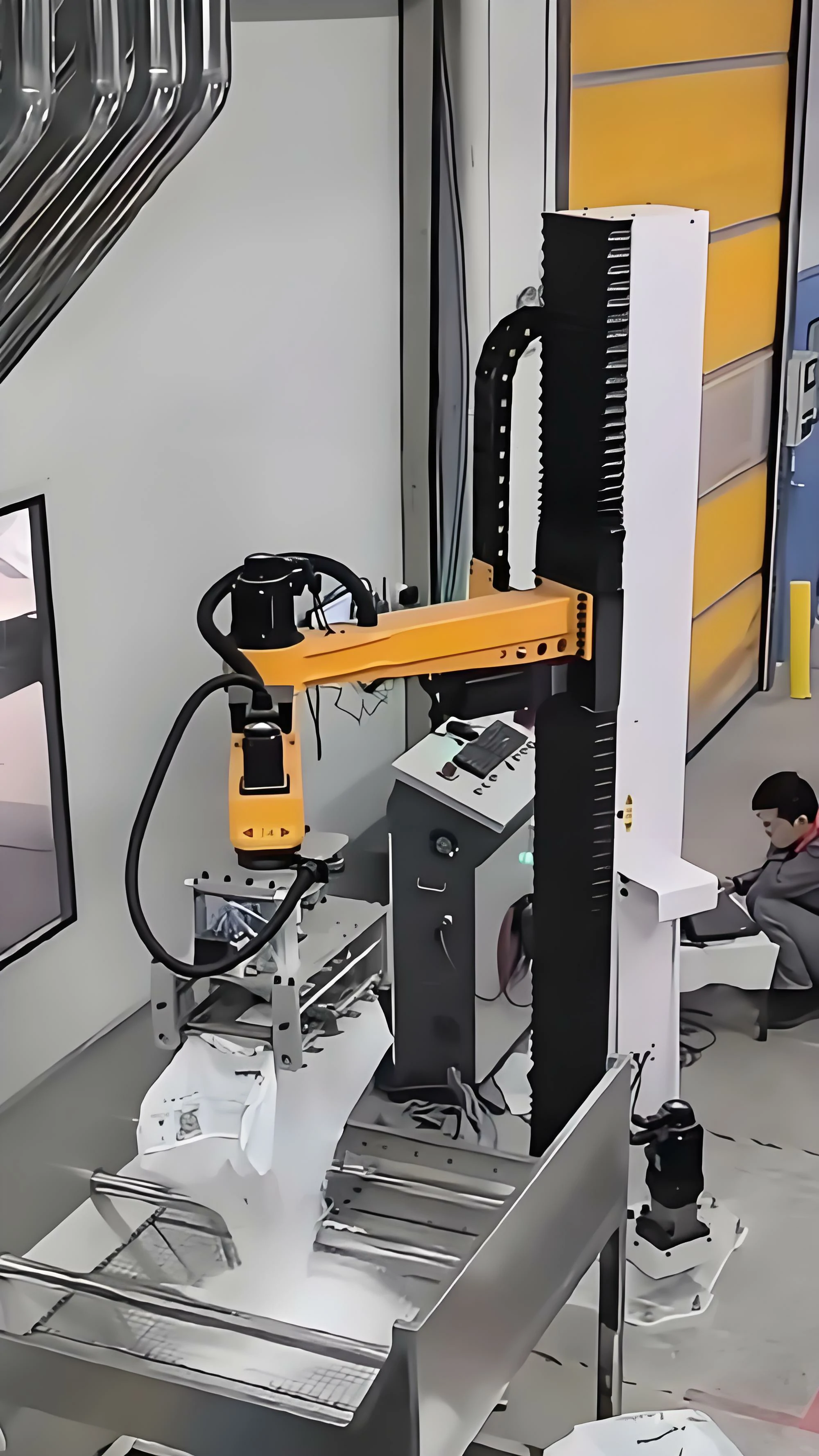
Column Stacker Crane
Suitable for 5-8 meter small AS/RS and narrow aisles, small size and small footprint, adapted for small precision material rapid access.

Special Scenario Stacker Crane
Clean type, cold chain type, explosion-proof type, and heavy-load type stacker cranes, respectively adapted to semiconductor/pharmaceutical, food/vaccine, chemical/oil & gas, and heavy material scenarios.

Aisle Stacker Crane
Adapted for 8-30 meter high-bay AS/RS, single-column light-load mid-high position, double-column heavy-load high position, positioning accuracy ±3mm, supports multi-machine collaboration.

Bridge Stacker Crane
Suitable for open warehouses without fixed aisles, operating across multiple rack areas, flexibly adapting to irregular layout mid-low position storage.

Column Stacker Crane
Suitable for 5-8 meter small AS/RS and narrow aisles, small size and small footprint, adapted for small precision material rapid access.

Special Scenario Stacker Crane
Clean type, cold chain type, explosion-proof type, and heavy-load type stacker cranes, respectively adapted to semiconductor/pharmaceutical, food/vaccine, chemical/oil & gas, and heavy material scenarios.
Combine stacker crane model, material characteristics, and warehouse space dimensions to design scientifically reasonable rack layout and selection, ensuring maximum space utilization and optimized access efficiency, while considering rack load-bearing safety. Use finite element analysis to calculate rack mechanical performance, ensure seismic rating meets specifications, reserve 10%-15% redundant load capacity, avoiding structural deformation or safety hazards:

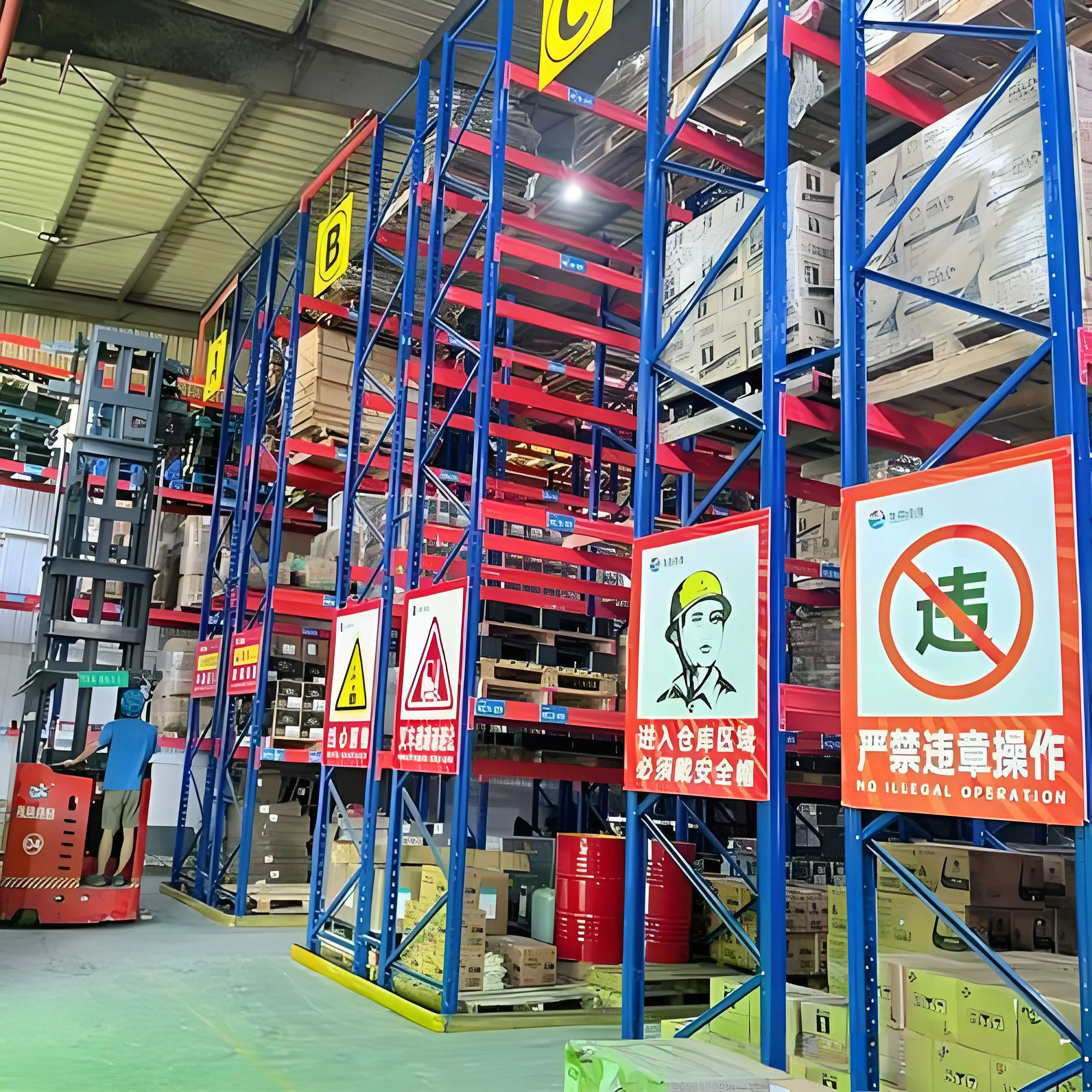
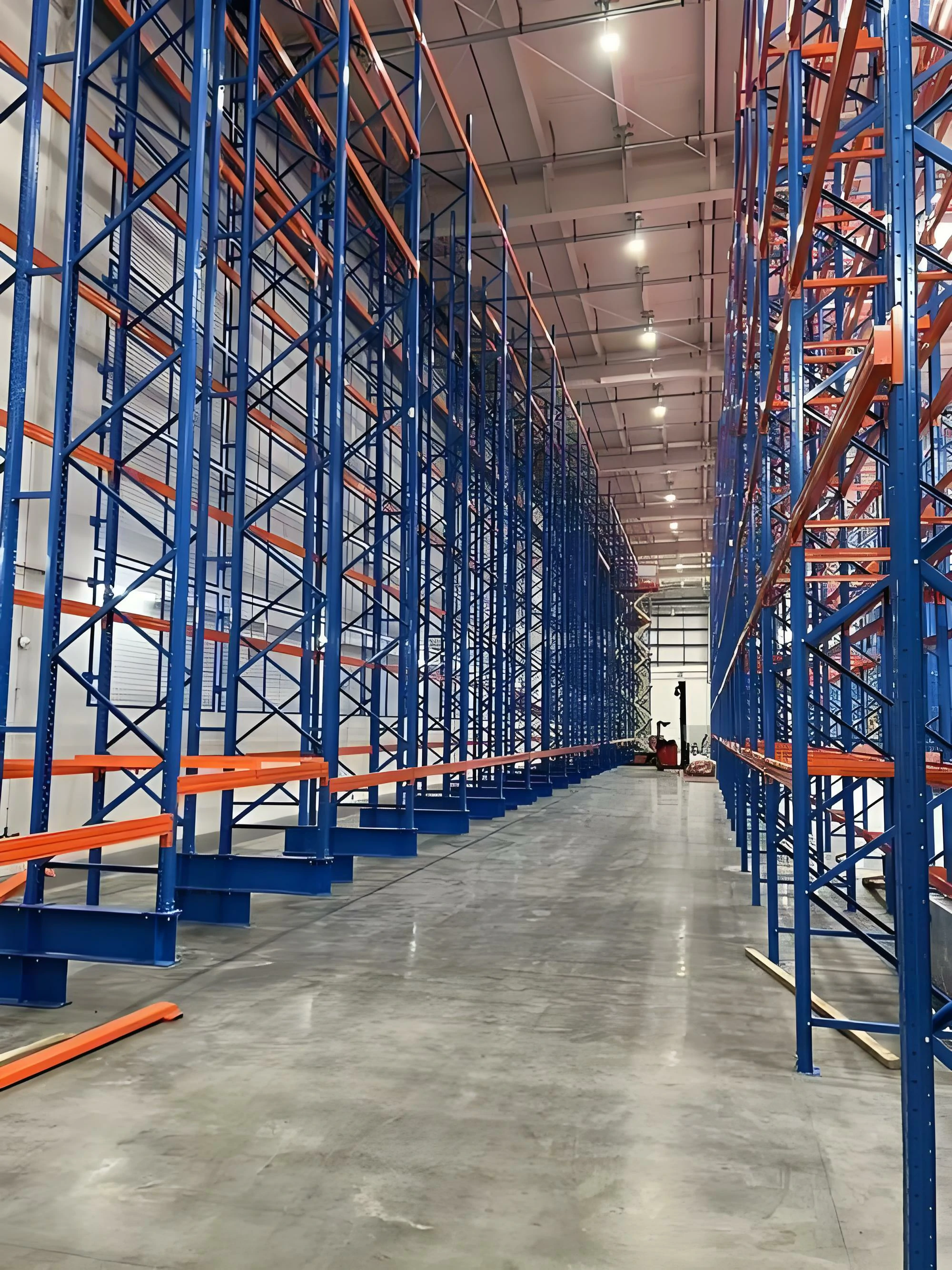
Beam Rack
Adapted for pallet materials, stable structure, flexible access, can be paired with aisle stacker cranes for high-position storage, suitable for general material storage in most industries.

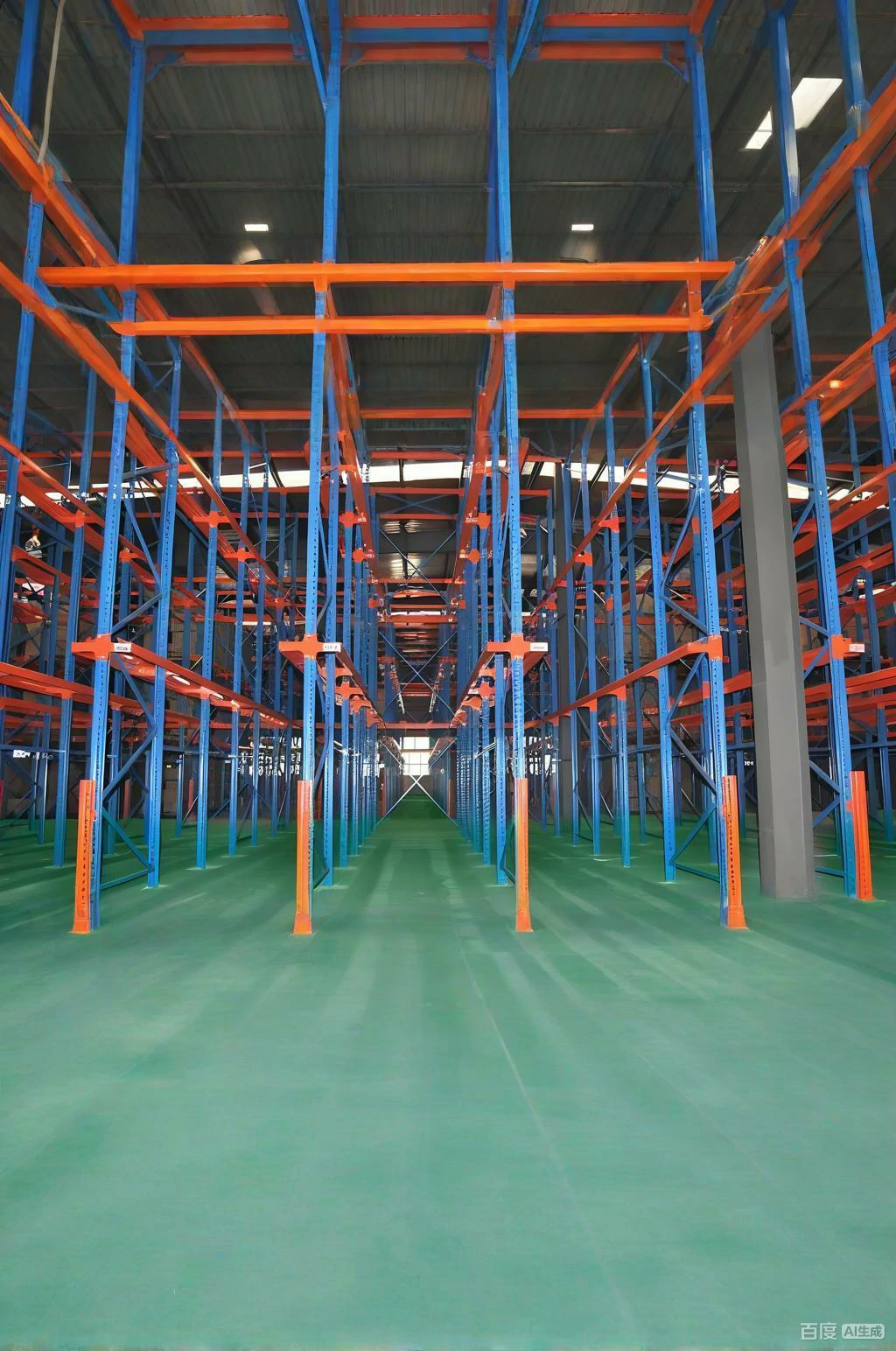
Drive-in Rack
Adapted for large-batch, few-variety materials, such as raw materials and finished products batch storage, can improve warehouse capacity utilization, paired with bridge stacker crane operations.

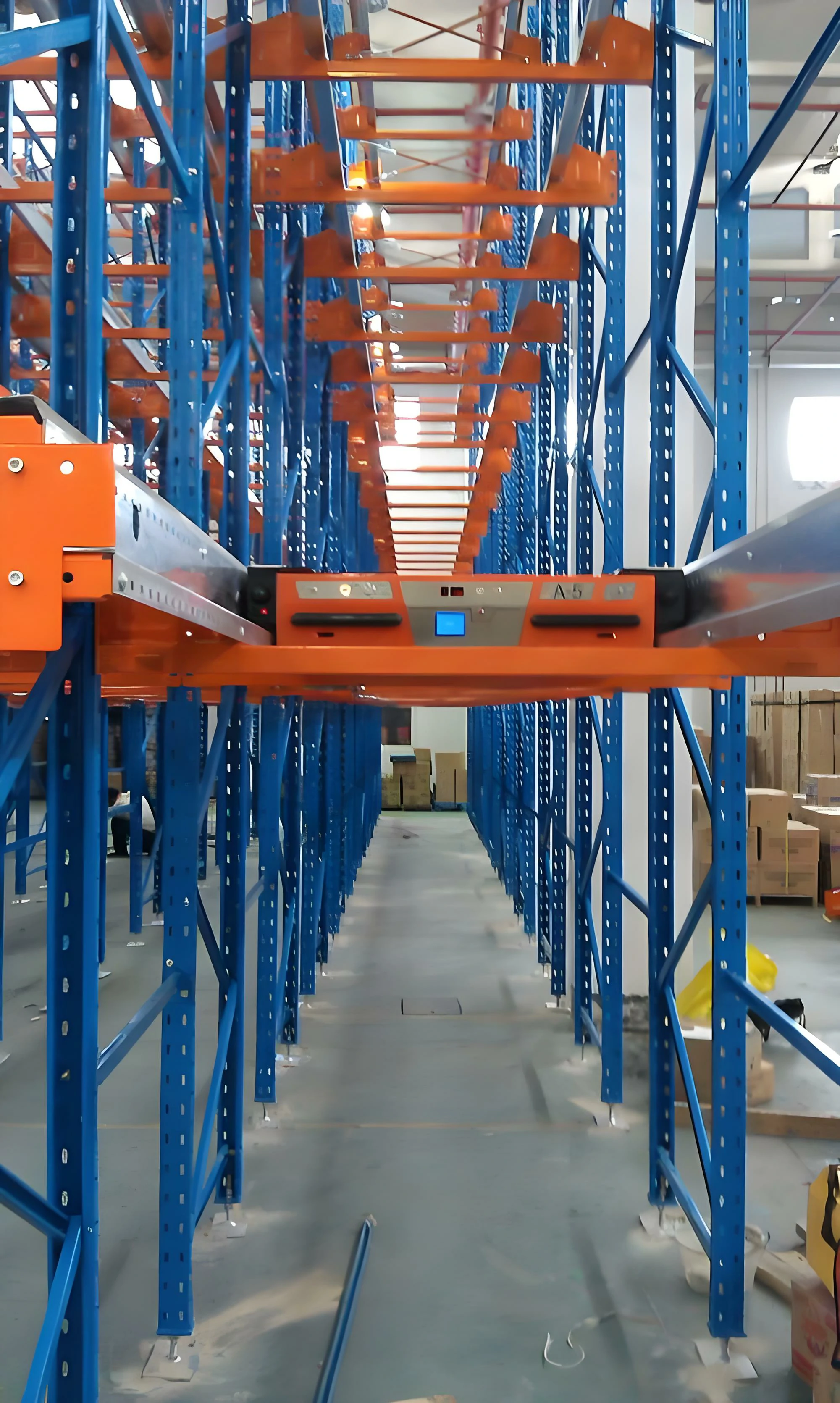
Shuttle Rack
Adapted for multi-batch, small-batch materials, can achieve automatic shuttle access, paired with stacker cranes for full automation, improving access efficiency.

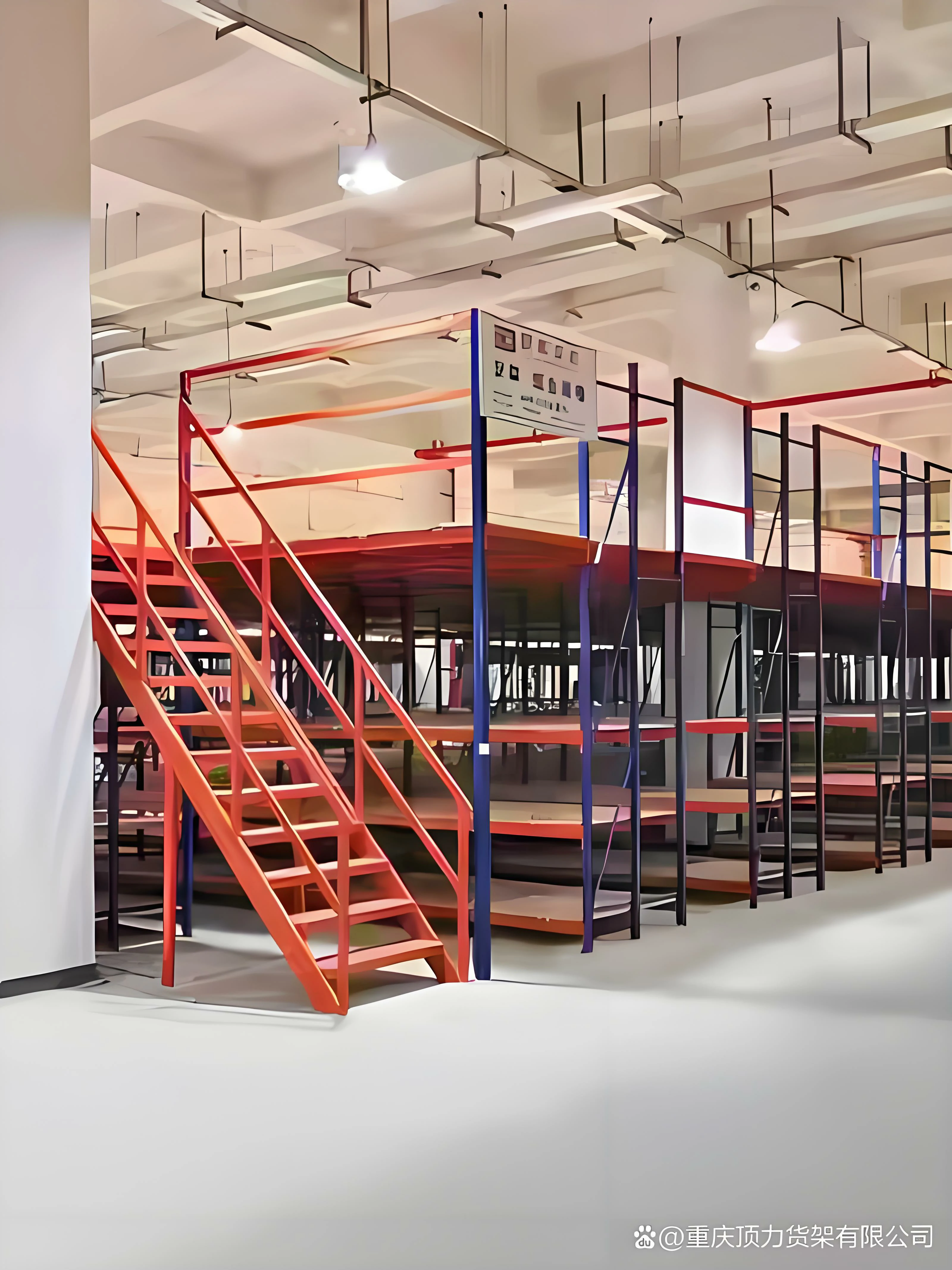
Mezzanine Rack
Adapted for small and light-load materials, use warehouse vertical space to build mezzanine, paired with column stacker cranes for layered storage, further improving space utilization.

Special Racks
Clean racks (adapted for dust-free scenarios, prevent dust accumulation), cold chain racks (adapted for low-temperature scenarios, corrosion-resistant), explosion-proof racks (adapted for explosion-proof scenarios, anti-static), meeting special material storage needs.

Beam Rack
Adapted for pallet materials, stable structure, flexible access, can be paired with aisle stacker cranes for high-position storage, suitable for general material storage in most industries.

Drive-in Rack
Adapted for large-batch, few-variety materials, such as raw materials and finished products batch storage, can improve warehouse capacity utilization, paired with bridge stacker crane operations.

Shuttle Rack
Adapted for multi-batch, small-batch materials, can achieve automatic shuttle access, paired with stacker cranes for full automation, improving access efficiency.

Mezzanine Rack
Adapted for small and light-load materials, use warehouse vertical space to build mezzanine, paired with column stacker cranes for layered storage, further improving space utilization.

Special Racks
Clean racks (adapted for dust-free scenarios, prevent dust accumulation), cold chain racks (adapted for low-temperature scenarios, corrosion-resistant), explosion-proof racks (adapted for explosion-proof scenarios, anti-static), meeting special material storage needs.
Adopt 'aisle layout + functional zoning' mode, reasonably plan stacker crane aisles, material storage areas, inbound/outbound buffer zones, sorting areas, and charging areas, ensuring no interference in stacker crane operations; aisle width designed according to stacker crane dimensions and material dimensions, avoiding aisle waste; material storage areas zoned according to material characteristics (weight, size, batch, priority), such as heavy materials on lower levels, precision materials on middle levels, high-frequency inbound/outbound materials near buffer zones; inbound/outbound buffer zones seamlessly connected with production lines and AGV handling systems for rapid material transfer, reducing waiting time. Meanwhile, use simulation software to simulate warehouse operation processes, optimize rack height, aisle width and other parameters, avoiding design deviations.
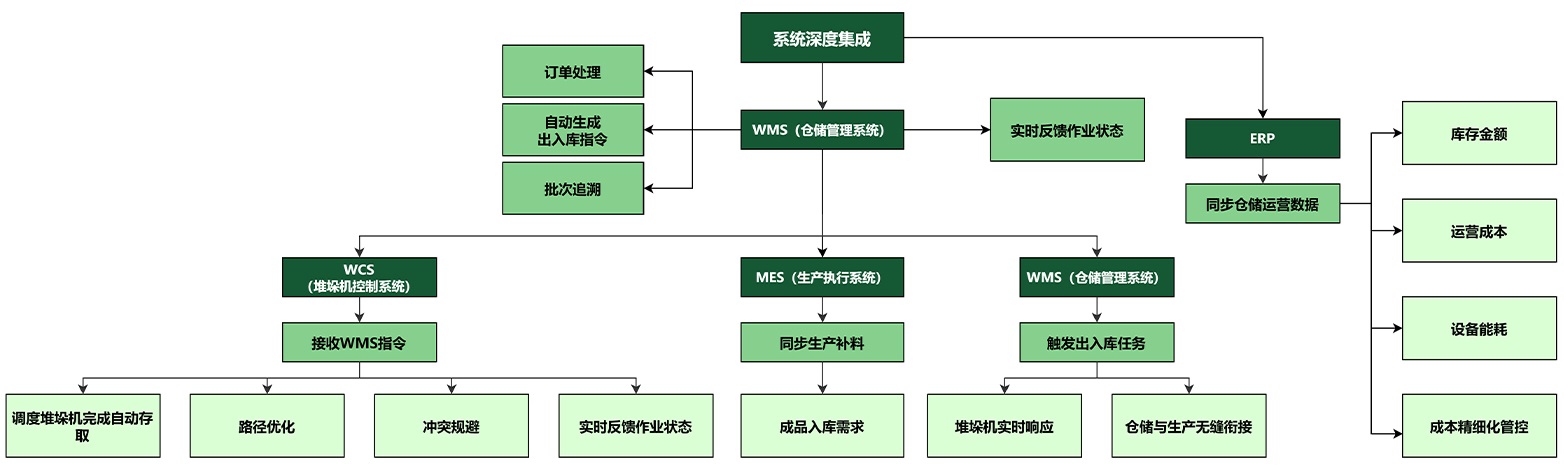
Deep System Integration: Connect WCS (Stacker Crane Control System), WMS (Warehouse Management System), MES, and ERP systems, achieving full closed-loop data control

At the same time, deploy data security protection systems, use two-factor authentication and blockchain technology to ensure operation records are tamper-proof, conduct regular penetration testing, patch system vulnerabilities, and ensure data security.

Access Assistance
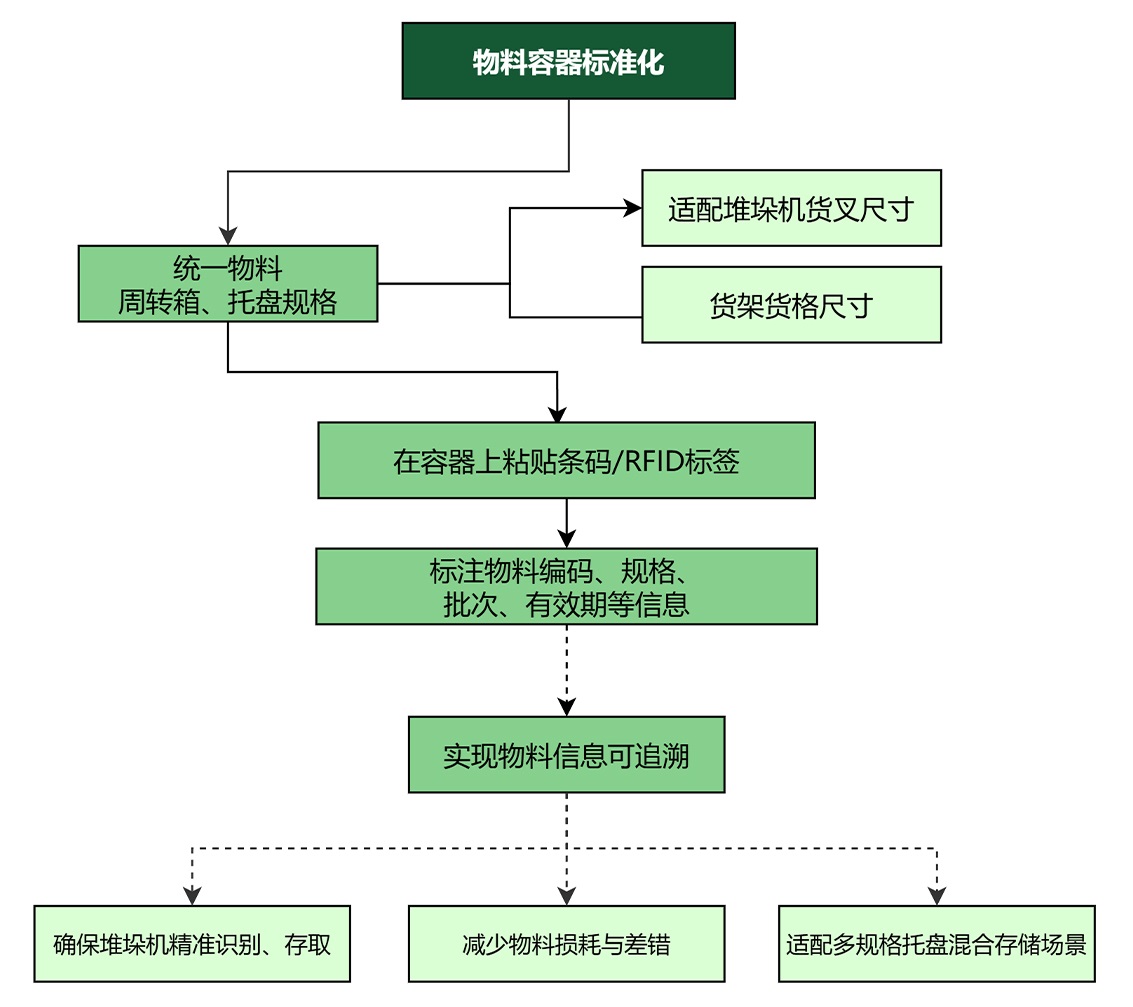
Install barcode/RFID recognition equipment to achieve precise identification of materials, pallets, and racks, avoid wrong storage and wrong retrieval, improve batch traceability accuracy, and solve the problem of multi-specification pallet recognition.

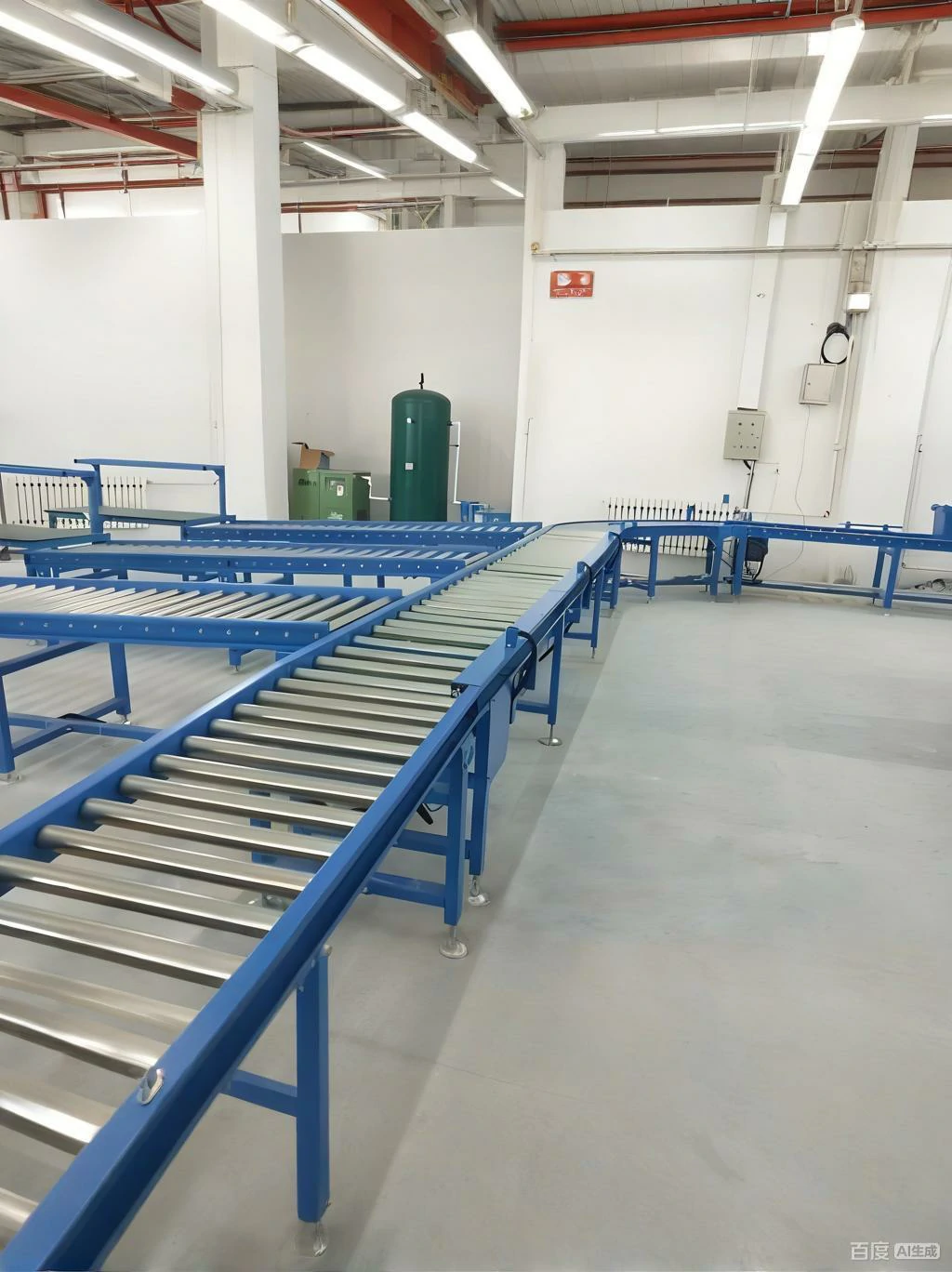
Conveyor Support
Deploy roller conveyors and chain conveyors to connect inbound/outbound buffer zones with stacker crane aisles, achieve automatic material conveying, replacing manual handling.

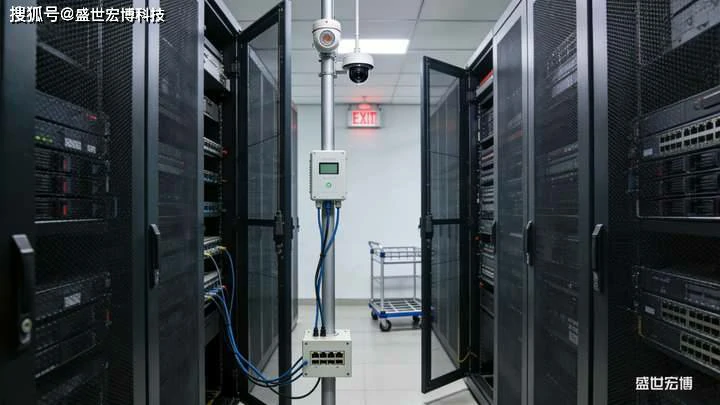
Monitoring Support
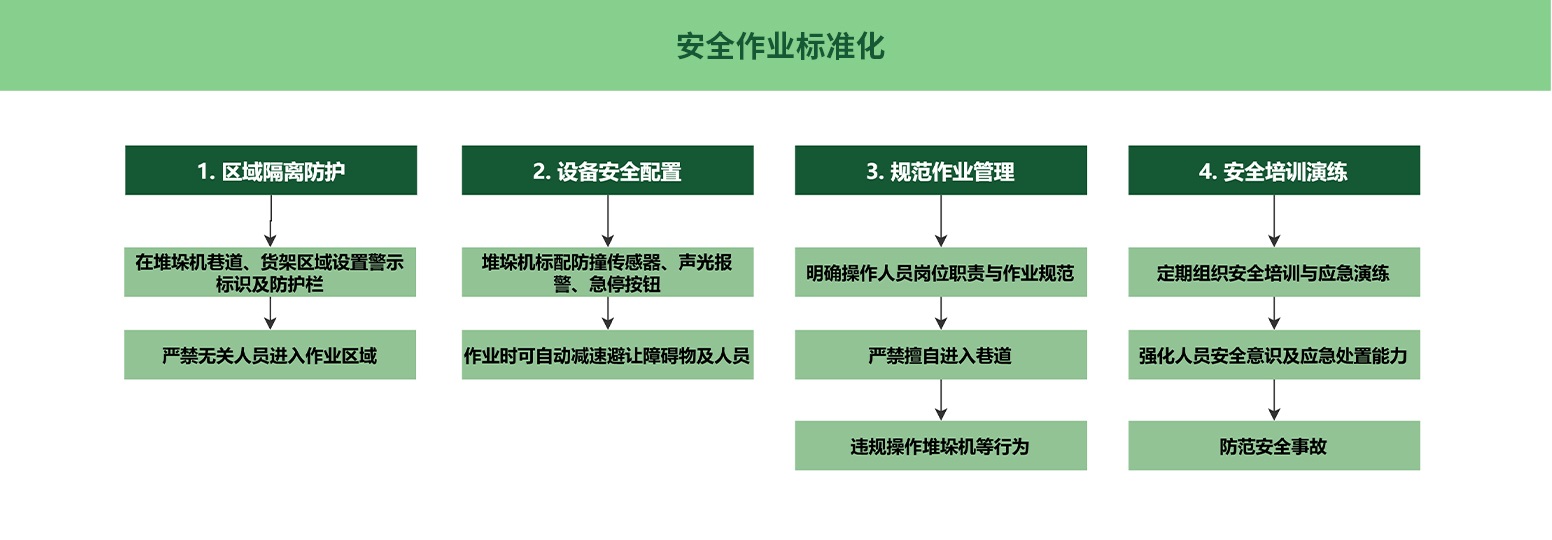
Install 360° video monitoring, infrared sensors, temperature and humidity sensors, smoke detection devices, linked with automatic sprinkler systems, achieve 24-hour dead-angle-free monitoring, temperature and humidity fluctuations controlled within ±1℃, real-time monitoring of stacker crane operation status and material storage status, abnormal situations automatically trigger audio-visual alarms, ensuring warehouse safety.

Charging Support
Deploy stacker crane automatic charging devices, stacker cranes automatically go to charging areas when battery is low, supporting 24-hour continuous operation.

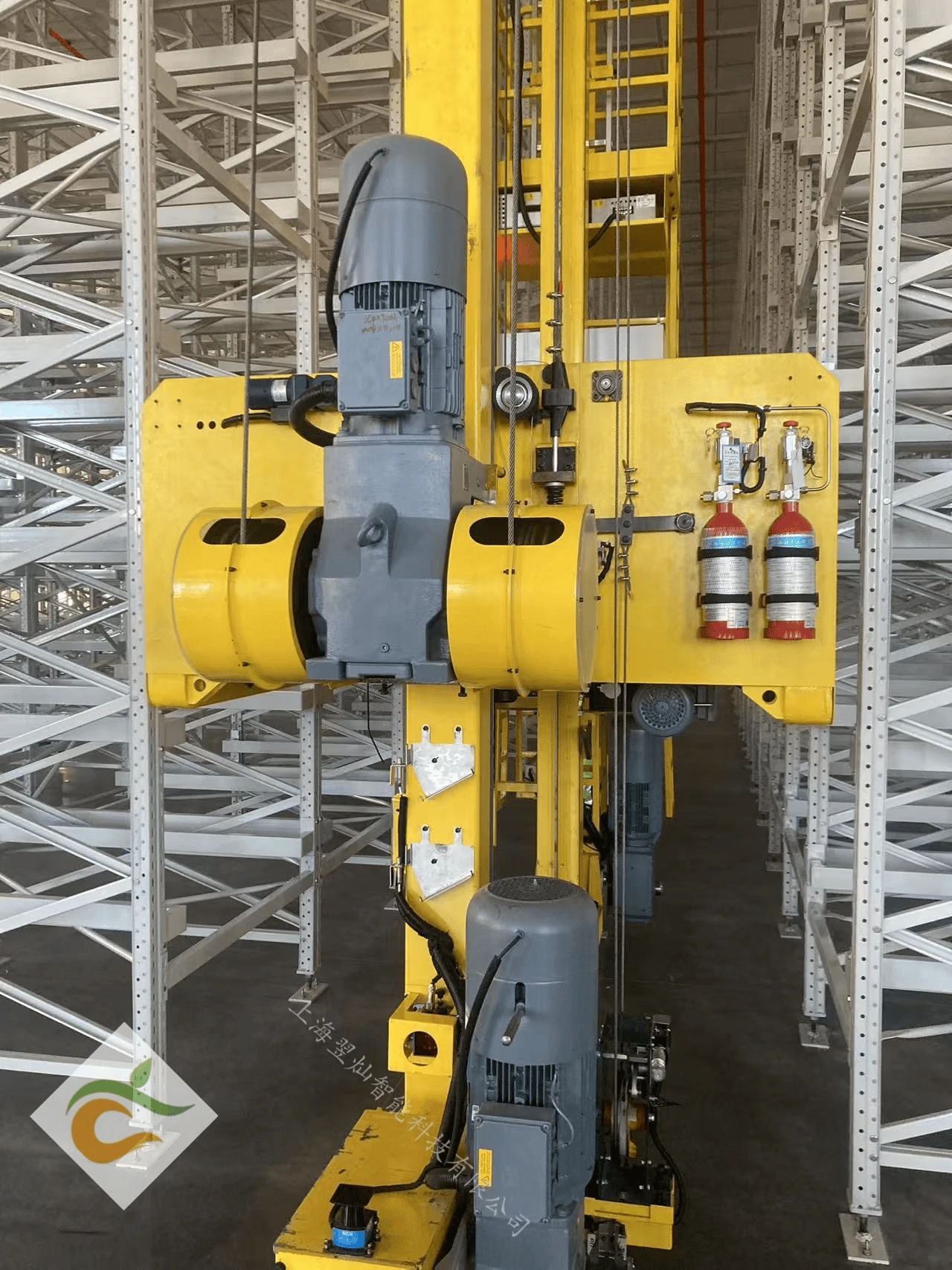
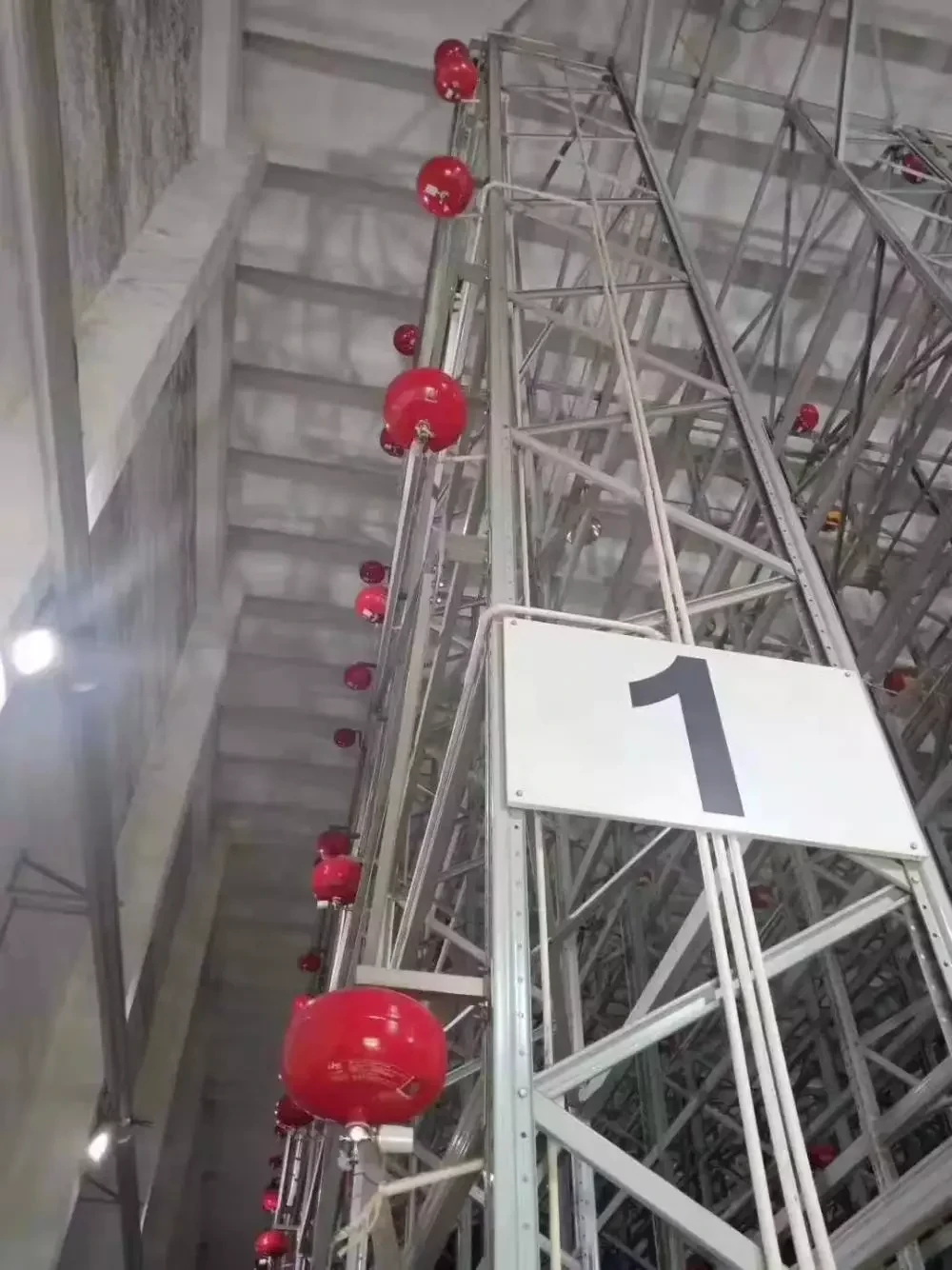
Fire Protection Support
Install intelligent fire protection systems (automatic sprinklers, smoke alarms, fire compartments), adapted to high-bay AS/RS fire protection needs, eliminating fire hazards.

Access Assistance
Install barcode/RFID recognition equipment to achieve precise identification of materials, pallets, and racks, avoid wrong storage and wrong retrieval, improve batch traceability accuracy, and solve the problem of multi-specification pallet recognition.

Conveyor Support
Deploy roller conveyors and chain conveyors to connect inbound/outbound buffer zones with stacker crane aisles, achieve automatic material conveying, replacing manual handling.

Monitoring Support
Install 360° video monitoring, infrared sensors, temperature and humidity sensors, smoke detection devices, linked with automatic sprinkler systems, achieve 24-hour dead-angle-free monitoring, temperature and humidity fluctuations controlled within ±1℃, real-time monitoring of stacker crane operation status and material storage status, abnormal situations automatically trigger audio-visual alarms, ensuring warehouse safety.

Charging Support
Deploy stacker crane automatic charging devices, stacker cranes automatically go to charging areas when battery is low, supporting 24-hour continuous operation.

Fire Protection Support
Install intelligent fire protection systems (automatic sprinklers, smoke alarms, fire compartments), adapted to high-bay AS/RS fire protection needs, eliminating fire hazards.


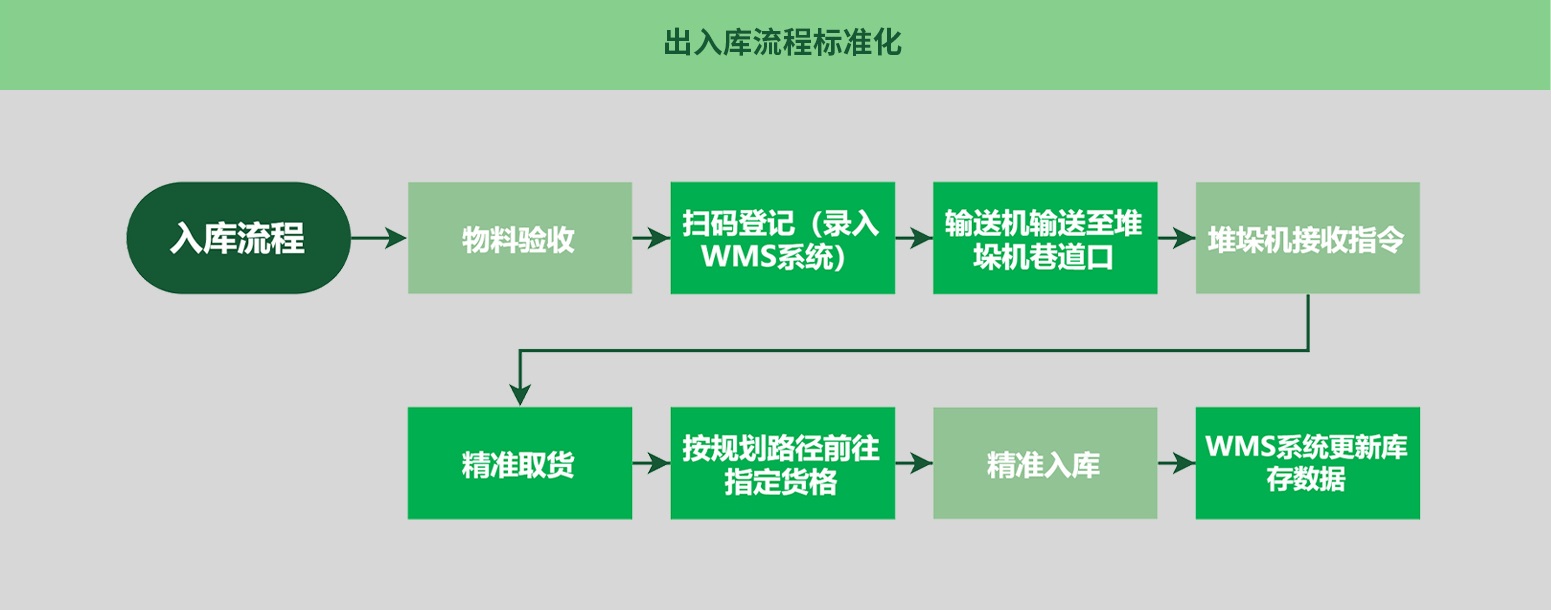
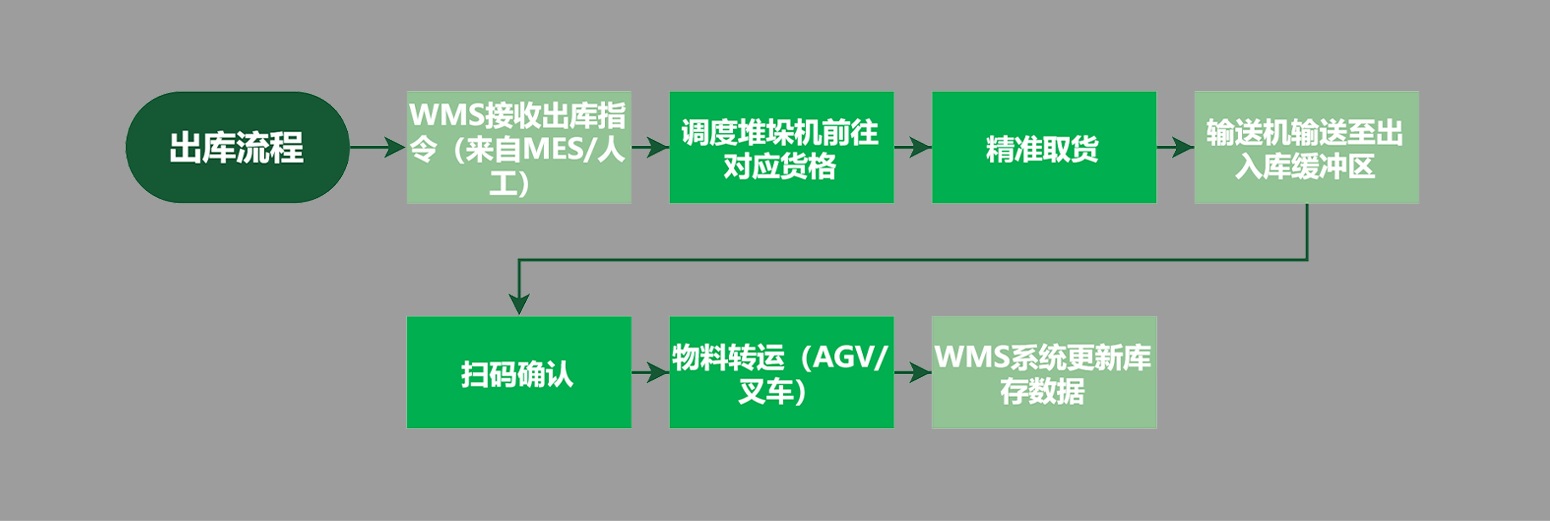
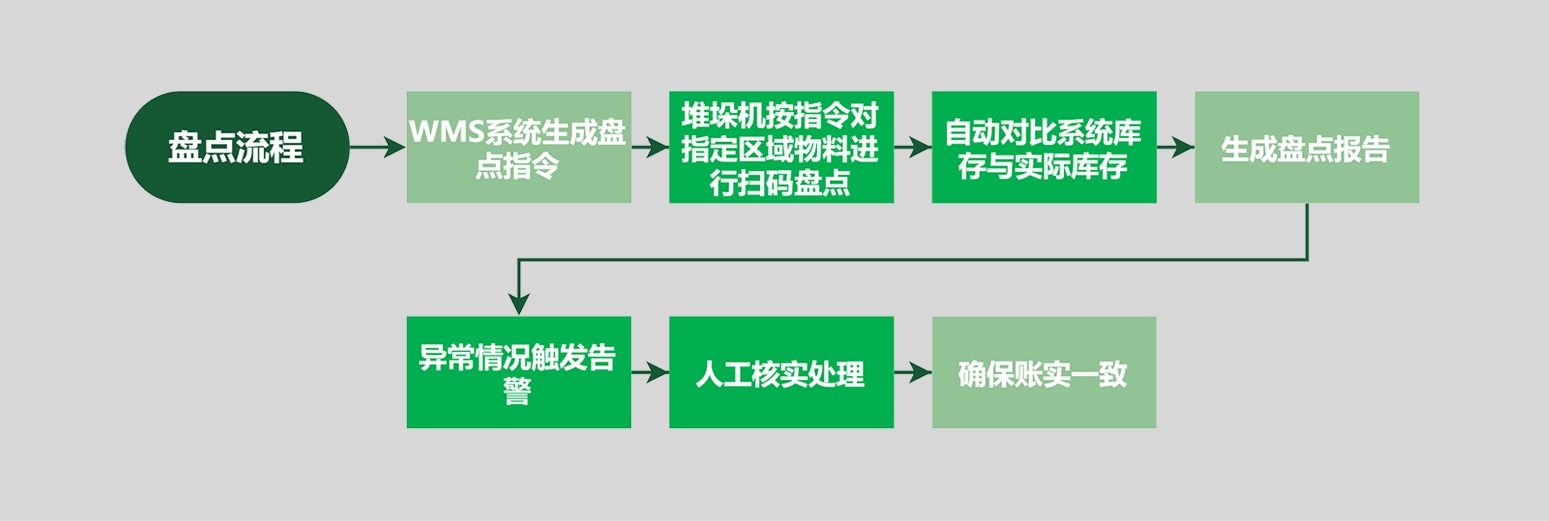
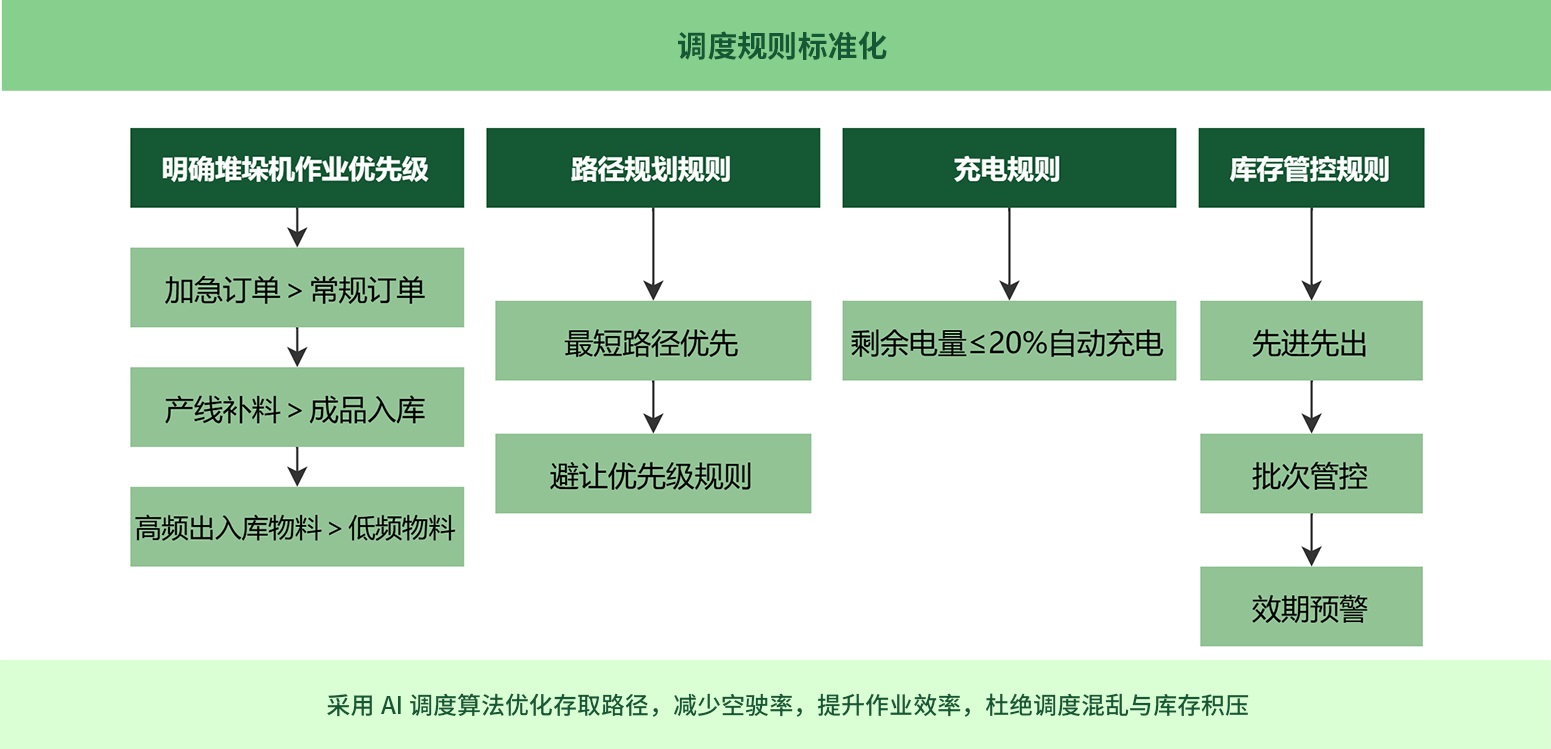
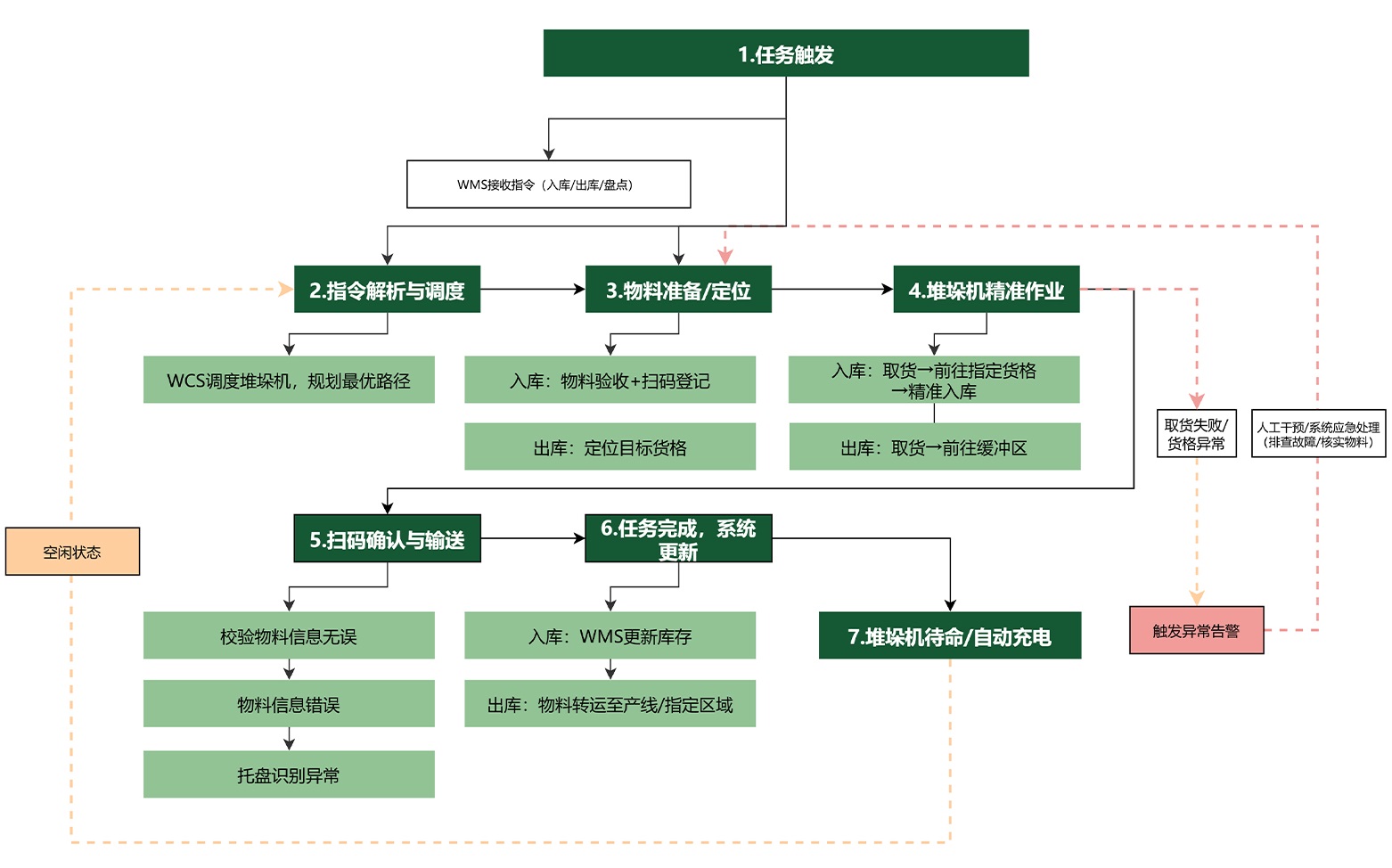
Stacker Crane AS/RS Automated Operation Standard Flowchart

Implementation Path
Phase I: Research Diagnosis and Foundation Building (2-3 Weeks)
Key Tasks
1. On-site Basic Research
Research warehouse space, material specifications, SKU quantity, inbound/outbound frequency and operation scenarios, sort out existing warehousing processes.
2. Pain Point and Bottleneck Sorting
Investigate process shortcomings and basic data missing issues, identify core warehousing pain points and bottleneck links.
3. Baseline Data Statistics
Calculate key indicators such as space utilization, inbound/outbound efficiency, inventory error rate, labor cost, and safety accident rate.
4. Requirements and Responsibility Definition
Clarify selection requirements for stacker cranes, racks and system integration, define responsibilities of warehousing, production, operation and maintenance, and IT departments.
5. Basic Data Archiving
Accurately collect data such as inventory and receiving/shipping frequency, establish dedicated databases to support overall solution design.
Deliverables
《Current Status Diagnosis Report》
《Stacker Crane and Rack Selection Requirements List》
《Baseline Data Ledger》
《Department Responsibility Division Table》
《Basic Data Collection Report》
Phase II: Solution Design and Standard Development (3-4 Weeks)
Key Tasks
1. Select Pilot Area
Select 1-2 core areas such as high-frequency inbound/outbound and precision materials as project pilots.
2. Pilot Hardware and Software Deployment
Complete installation of racks, stacker cranes, conveyors, scanning and monitoring equipment, build and commission warehousing system.
3. Personnel Training and Assessment
Conduct training on equipment operation, system usage, fault handling and safety standards, only work after passing simulation training assessment.
4. Pilot Operation Optimization
Implement standard operating procedures, review operational data daily, optimize stacker crane paths, scheduling rules and rack layout, solve on-site issues such as recognition deviations and path congestion.
5. Early Warning and Emergency Verification
Test intelligent early warning and emergency handling processes to ensure long-term stable equipment operation.
Deliverables
《Stacker Crane AS/RS Overall Solution》
《Stacker Crane and Rack Selection Solution》
《System Interface Requirements Specification》
《Operating Procedure (SOP)》
Safety Standards, Maintenance Plan
Rack Mechanical Performance Test Report
Phase III: Pilot Verification and Optimization Iteration (4-6 Weeks)
Key Tasks
1. Select Pilot Area
Select 1-2 core areas such as high-frequency inbound/outbound and precision materials as project pilots.
2. Pilot Hardware and Software Deployment
Complete installation of racks, stacker cranes, conveyors, scanning and monitoring equipment, build and commission warehousing system.
3. Personnel Training and Assessment
Conduct training on equipment operation, system usage, fault handling and safety standards, only work after passing simulation training assessment.
4. Pilot Operation Optimization
Implement standard operating procedures, review operational data daily, optimize stacker crane paths, scheduling rules and rack layout, solve on-site issues such as recognition deviations and path congestion.
5. Early Warning and Emergency Verification
Test intelligent early warning and emergency handling processes to ensure long-term stable equipment operation.
Deliverables
《Pilot Operation Report》
《Optimized SOP and Scheduling Rules》
《Problem Closed-loop Ledger》
《Pilot Effect Analysis Report》
《Intelligent Early Warning System Test Report》
Phase IV: Full Promotion and System Implementation (8-12 Weeks)
Key Tasks
1. Phased Rollout
Complete the installation and deployment of racks, stacker cranes, and supporting facilities in batches by zone.
2. Comprehensive System Integration
Achieve deep integration and full module launch of WCS, WMS, MES, and ERP, and establish a robust data security protection system.
3. Company-Wide Training and Assessment
Conduct professional training and pre-job assessments for all staff to ensure proficiency in standard operating procedures and equipment operation.
4. Daily O&M Management
Establish a routine operational inspection mechanism to regularly check equipment and system status, and promptly handle various exceptions.
5. Safety Drill Enhancement
Regularly conduct safety emergency drills to strengthen safety awareness across the entire workforce.
6. Comprehensive Automation Upgrade
Implement automated material storage and retrieval with standardized control across the entire facility, replacing the traditional manual forklift operation model.
Deliverables
《Comprehensive Rollout Plan》
《Training Records》
《Assessment Results》
《Operational Control System Documents》
《Equipment O&M Ledger》
《Safety Emergency Drill Report》
Phase 5: Continuous Optimization and Lean Upgrade (Long-term)
Key Tasks
1. Regular Review and Optimization
Periodically review data to optimize scheduling algorithms, operational takt time, and rack layouts, thereby improving efficiency and space utilization.
2. On-Demand Capacity Expansion
Scale up equipment based on production demands and expand applications for special scenarios such as cold chain, cleanroom, and explosion-proof environments.
3. Digital Twin Management
Introduce digital twin technology to achieve full-scenario visual management and reduce energy consumption by over 20%.
4. Supply Chain Collaborative Upgrade
Integrate with suppliers' logistics systems to build a fully collaborative automated warehousing system across the entire supply chain.
5. Green and Low-Carbon Retrofitting
Adopt new energy equipment and smart lighting to reduce carbon emissions.
6. O&M System Upgrade
Optimize intelligent early warning and preventive maintenance to reduce equipment failure rates by over 50%.
Deliverables
《Continuous Optimization Report》
S《tacker Crane and Rack Expansion Plan》
《Digital Twin Construction Plan》
《Supply Chain Collaboration Plan (Advanced)》
《Green Retrofitting Report》
《Equipment Maintenance Optimization Report》
Implementation Benefits
AS/RS Rack Height
8-30 Meters
Space Utilization
Improved by 3-5 times, maximum ≥90%
Warehouse Land Cost
Cost reduced by 40%-60%
Stacker Crane Operation Capacity
24-hour Continuous Operation
Access speed 10-30 cycles/hour
In/Out Efficiency
Improved by 50%-80%
Single Trip Access Time
Shortened by ≥60%
Production Delivery Cycle
Shorten by 20%-30%
Equipment Empty Running Rate
Reduced by ≥30% (after AI scheduling optimization)
Warehouse Personnel
Reduced by 60%-80%
Equipment Operating Costs
Reduced by 30%-40% compared to traditional forklifts
Inventory Error Rate
Reduced by ≥95%
Overall Warehouse Operating Costs
Reduced by 40%-60%
Equipment Failure Rate
Reduced by ≥50%
Downtime Loss and Maintenance Costs Reduced
Safety Accident Rate
Reduced by ≥98%
Pallet Recognition Errors
Caused cargo damage/downtime accidents
Reduced by ≥30%
Inventory Count Error Rate
Reduced by ≥95%
Account-Physical Consistency Rate
Reaches 99.9%
Inventory Turnover Rate
Improved by 30%-50%
Occupied Capital Release
Calculated by inventory amount
Released by 40%-60%
Qualitative Management Benefits
Warehouse Management Standardization and Transparency
Full process automation and visualization of warehouse operations, real-time traceability of task progress, inventory status, and equipment status, breaking away from strong dependence on manual experience, reducing management difficulty, achieving refined and standardized warehouse management, meeting industry compliance requirements.
Production Collaboration Capability Improvement
打通 coordination between warehousing and production, purchasing processes, achieving automatic triggering and rapid response of production line replenishment and finished product inbound, avoiding production material shortages or material backlogs, stabilizing production rhythms, and improving full-chain production efficiency; after interfacing with supplier logistics systems, can achieve supply chain 'zero inventory' management, reducing capital occupation rate.
Work Environment Improvement
Replace manual labor in high-intensity, high-risk, high-pollution warehouse operations, reduce labor intensity, improve working environment, and enhance employee satisfaction; in special scenarios such as clean rooms, cold chain, and explosion-proof environments, avoid pollution and safety hazards caused by manual operations, meet industry compliance requirements, and enhance corporate brand image.
Enterprise Automation Level Upgrade
As the core equipment of automated warehousing, the implementation of stacker crane AS/RS can promote the automation and intelligent transformation of enterprise warehousing, adapting to Industry 4.0 development trends, helping to build 'dark warehouses', enhancing core competitiveness, and laying the foundation for subsequent digital and intelligent upgrades; the implementation of advanced functions such as digital twin and green transformation further enhances sustainable development capabilities.
Risk Management
Stacker Crane Failure Risk
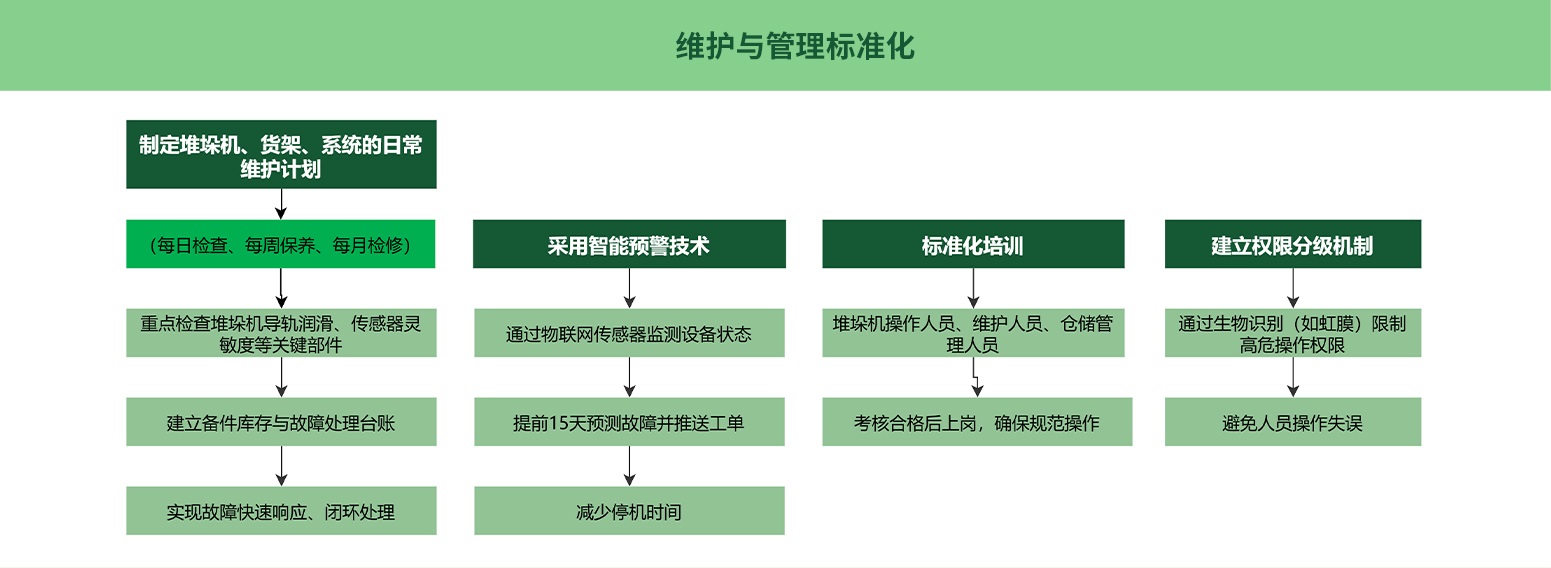
Establish a preventive maintenance system for stacker cranes, conduct regular inspections and maintenance focusing on key components such as guide rails, sensors, and lifting systems, and maintain a spare parts inventory. Utilize intelligent early warning technology and IoT sensors to monitor equipment status, predicting failures 15 days in advance and generating work orders to minimize downtime. Equip backup stacker cranes to ensure quick switching during core equipment failures, guaranteeing uninterrupted warehousing operations. Establish a rapid fault response mechanism with dedicated O&M personnel to ensure faults are responded to within 1-2 hours and resolved within 24 hours.
Rack Safety Risk
During the design phase, employ finite element analysis to calculate mechanical properties, ensuring the seismic resistance level meets standards. Select high-strength steel and reserve a 10%-15% redundant load-bearing capacity. Regularly inspect the rack structure and promptly repair deformed or damaged components to prevent collapse. Strictly control the weight of stored materials and prohibit overloading. Demarcate safety zones for racks and forbid unauthorized operations to eliminate the risk of rack damage.
System Failure Risk
Build an emergency system backup mechanism and regularly back up data. In the event of WCS or WMS system failures, switch to manual mode to complete basic storage and retrieval operations, ensuring business continuity. Regularly conduct system upgrade testing and vulnerability patching to prevent system crashes. Assign professional IT personnel for daily maintenance and troubleshooting to guarantee stable system operation. Meanwhile, deploy a data security protection system to prevent data breaches and cyberattacks.
Material Damage and Falling Risk
Standardize material packaging and stacking to ensure compatibility with pallet and bin dimensions. Equip stacker cranes with anti-collision and anti-drop devices to achieve precise positioning and prevent collisions and drops. Regularly inspect the storage status of materials and promptly handle loose or tilted items. Employ multi-sensor collaborative detection technology to improve pallet identification accuracy and reduce cargo damage caused by misjudgment.
Personnel Operation Risk
Improve safety regulations and operational procedures, clearly defining operational boundaries and prohibiting unauthorized personnel from entering stacker crane aisles and rack areas. Strengthen training, assessments, and simulation exercises for operators and maintenance staff to ensure proficiency in procedures and troubleshooting; personnel are only allowed to work after passing assessments. Establish a tiered permission mechanism to restrict high-risk operations and prevent violations. Regularly conduct safety emergency drills to enhance emergency response capabilities and reduce risks caused by operational errors.
System Integration Risk
During the solution design phase, fully communicate with system suppliers such as MES and ERP to clarify interface standards. During the pilot phase, focus on testing integration effectiveness and promptly resolve issues like data desynchronization and command transmission delays. Assign professional technical personnel to handle daily maintenance and optimization post-integration, ensuring smooth collaboration across all systems.
Response Measures
Strengthen Personnel Training and Management
Emphasize Equipment and Rack Maintenance
Strictly Comply with Industry Regulatory Requirements
Customer Recognition
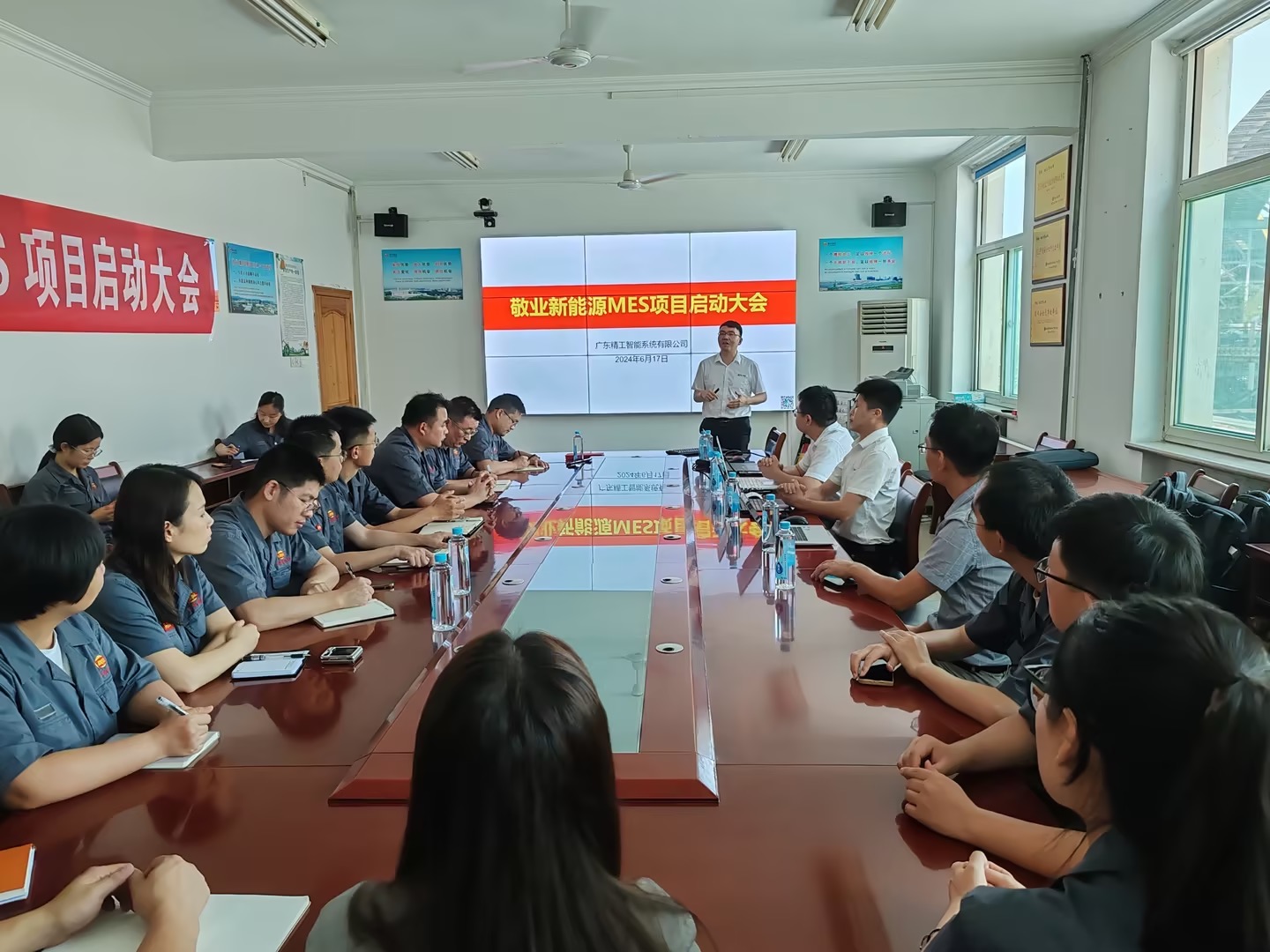
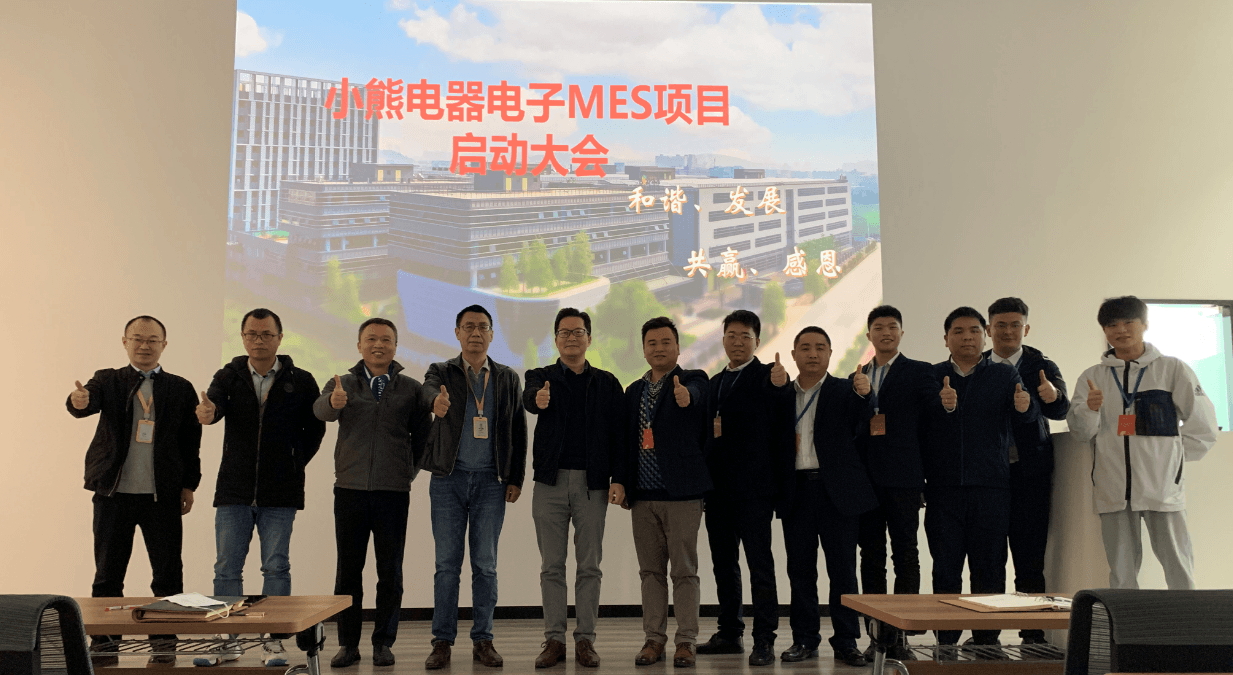
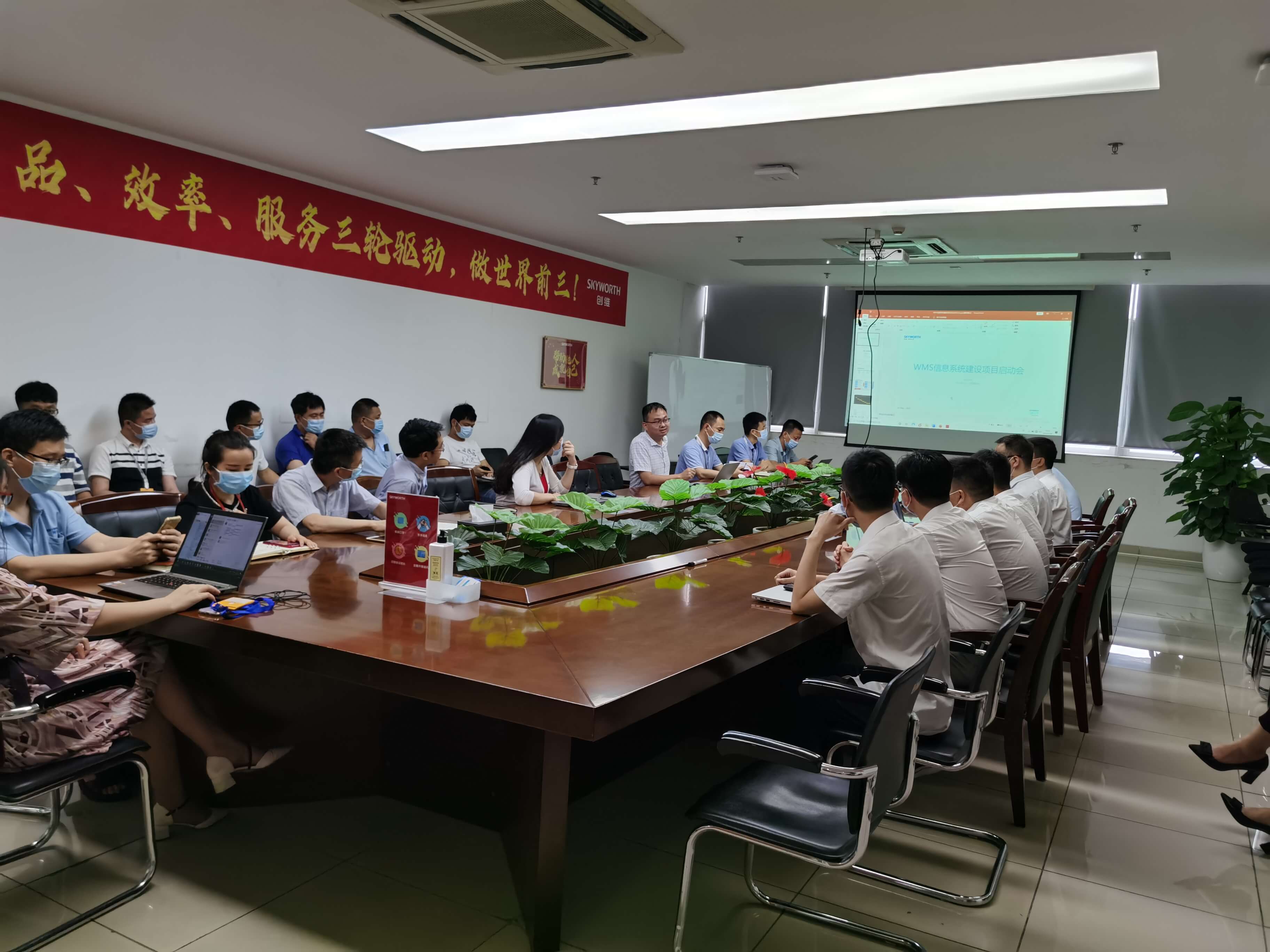
Project Kickoff Meeting

敬业集团MES项目

小熊电器WMS/MES项目

创维集团WMS/MES/APS项目
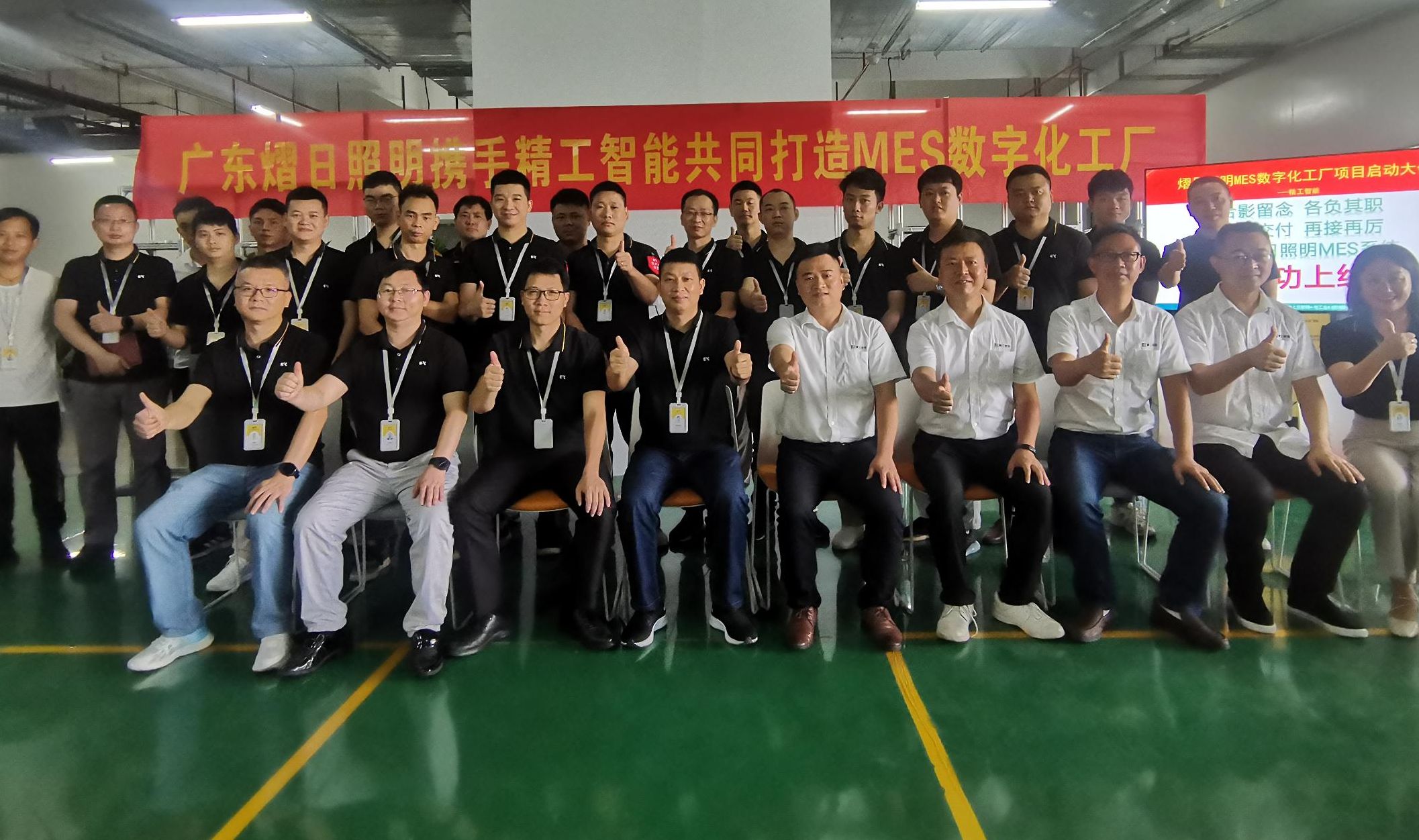
熠日照明WMS/MES/APS/SRM项目
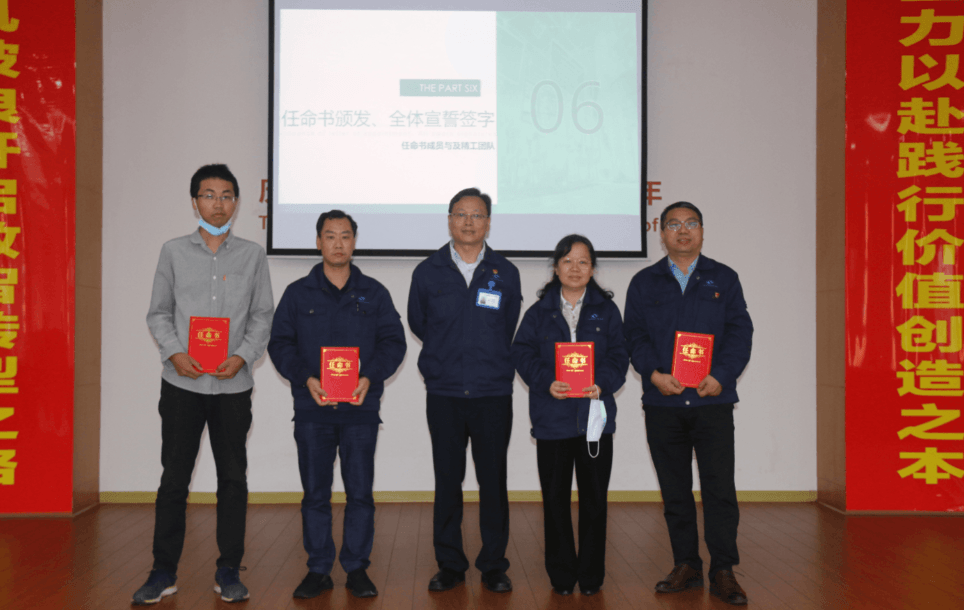
北方光电WMS/MES项目
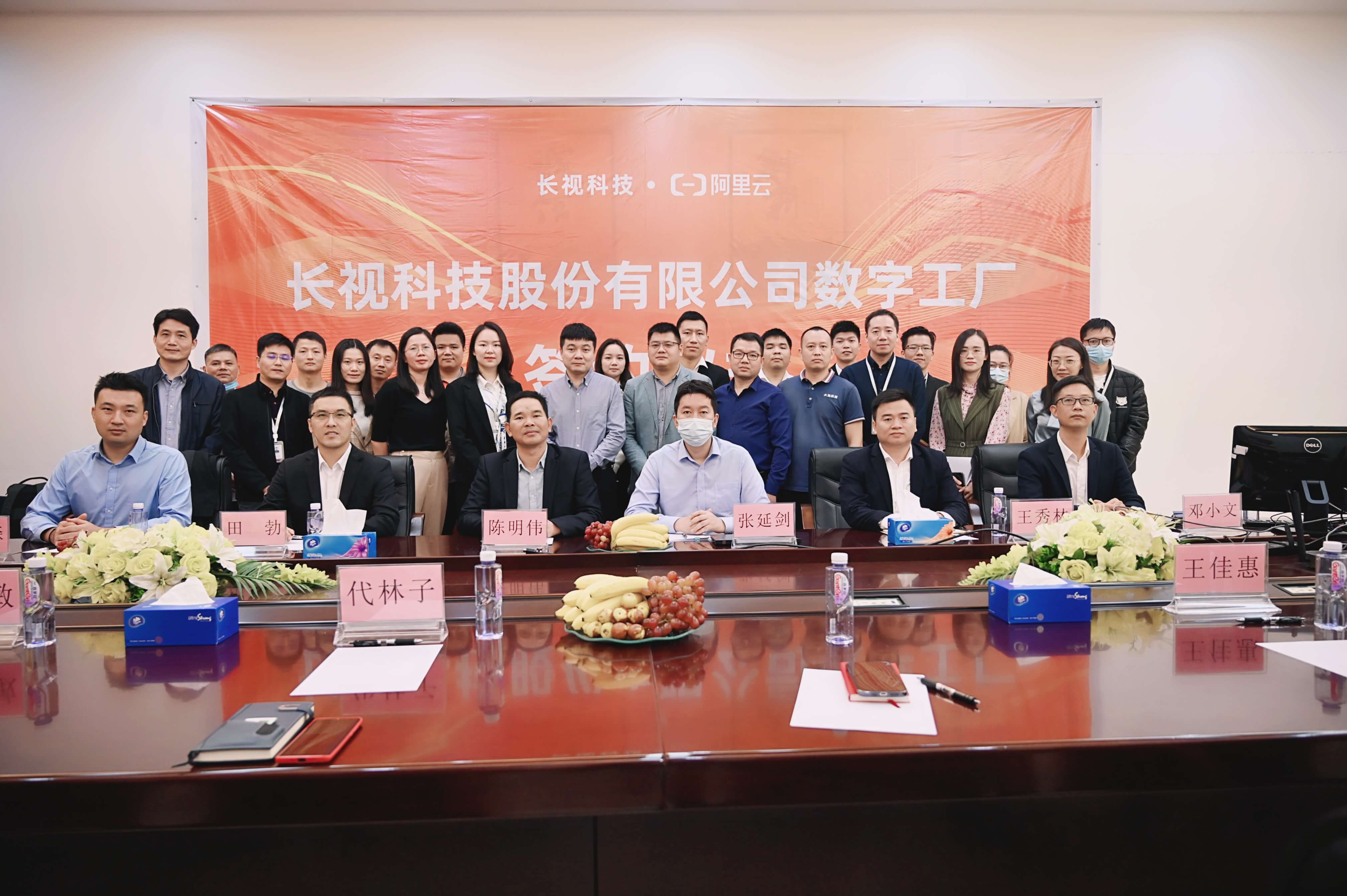
长视科技WMS/MES项目
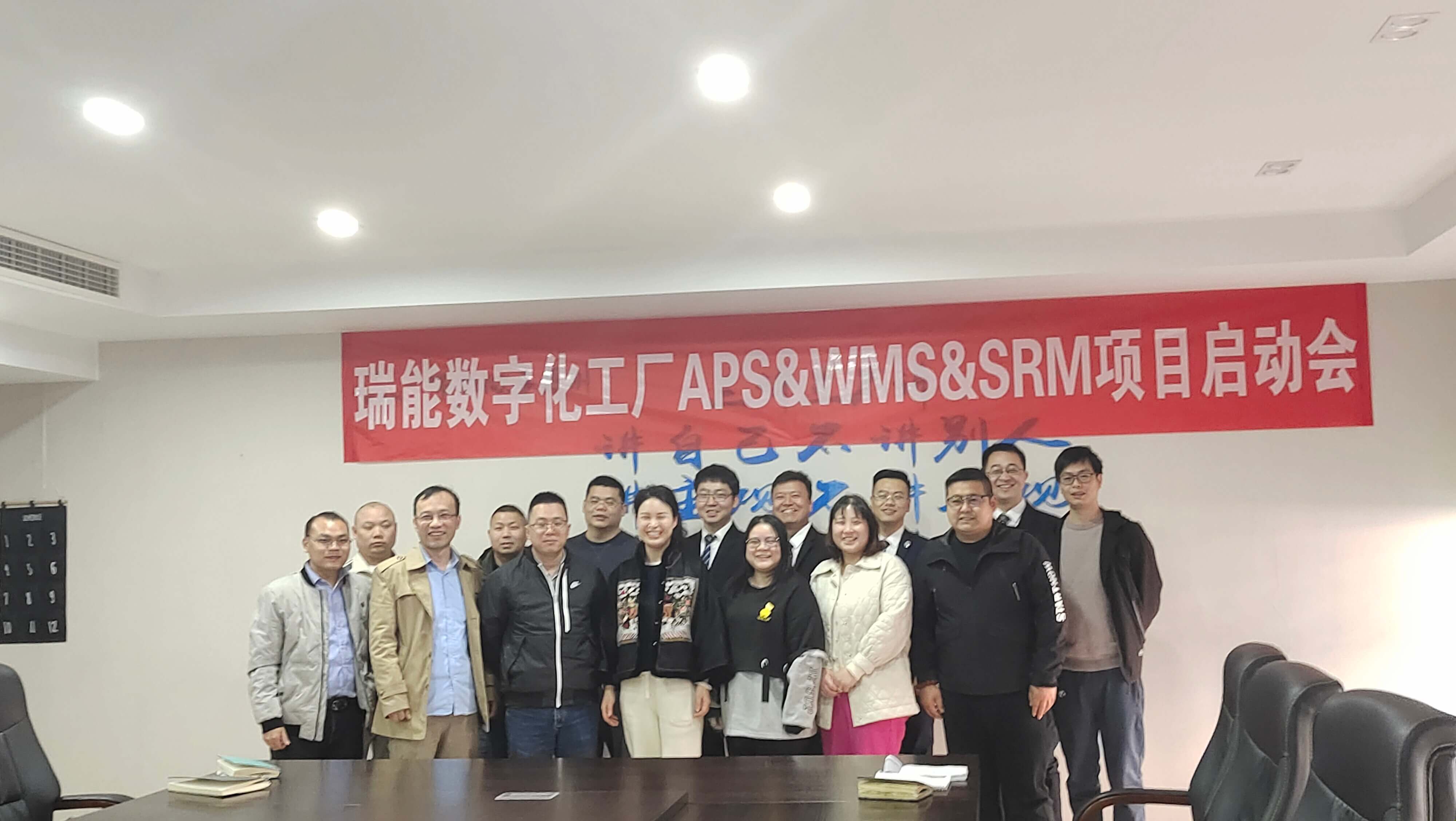
瑞能集团WMS/SRM/APS项目
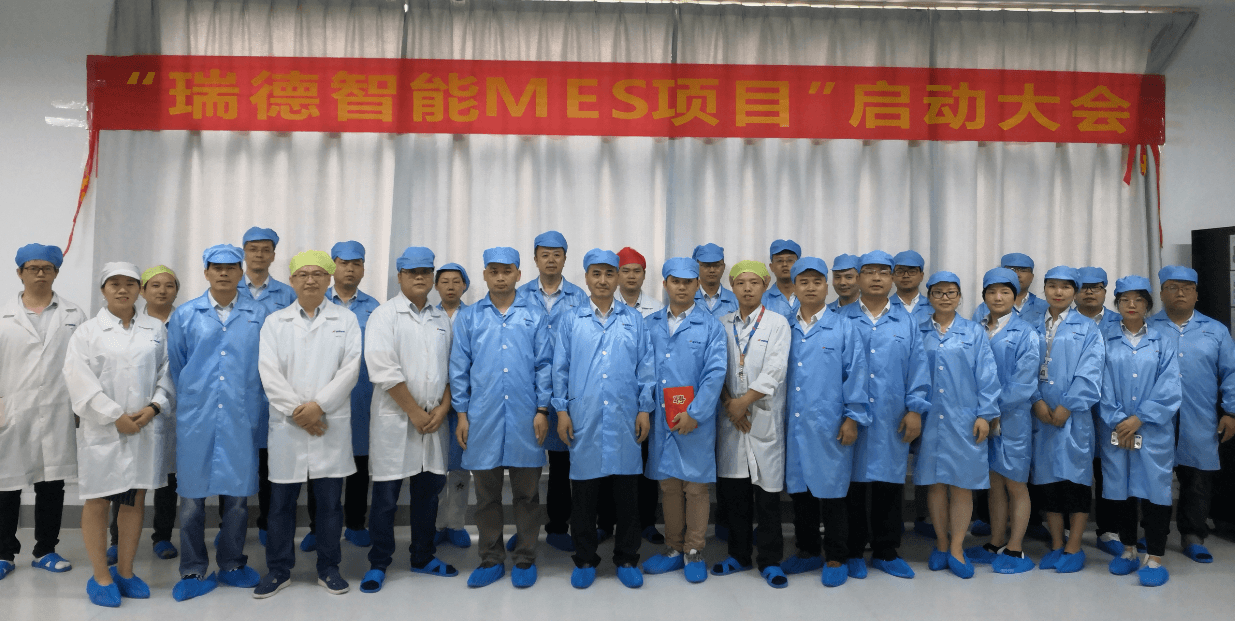
瑞德智能MES项目
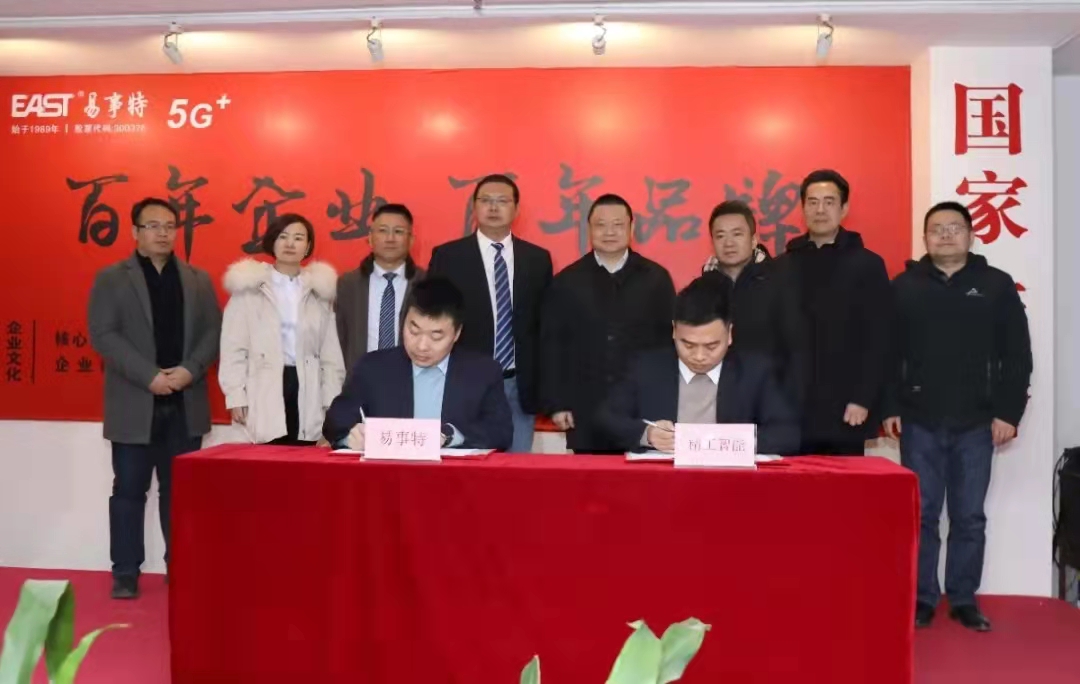
易事特WMS/MES/QMS项目
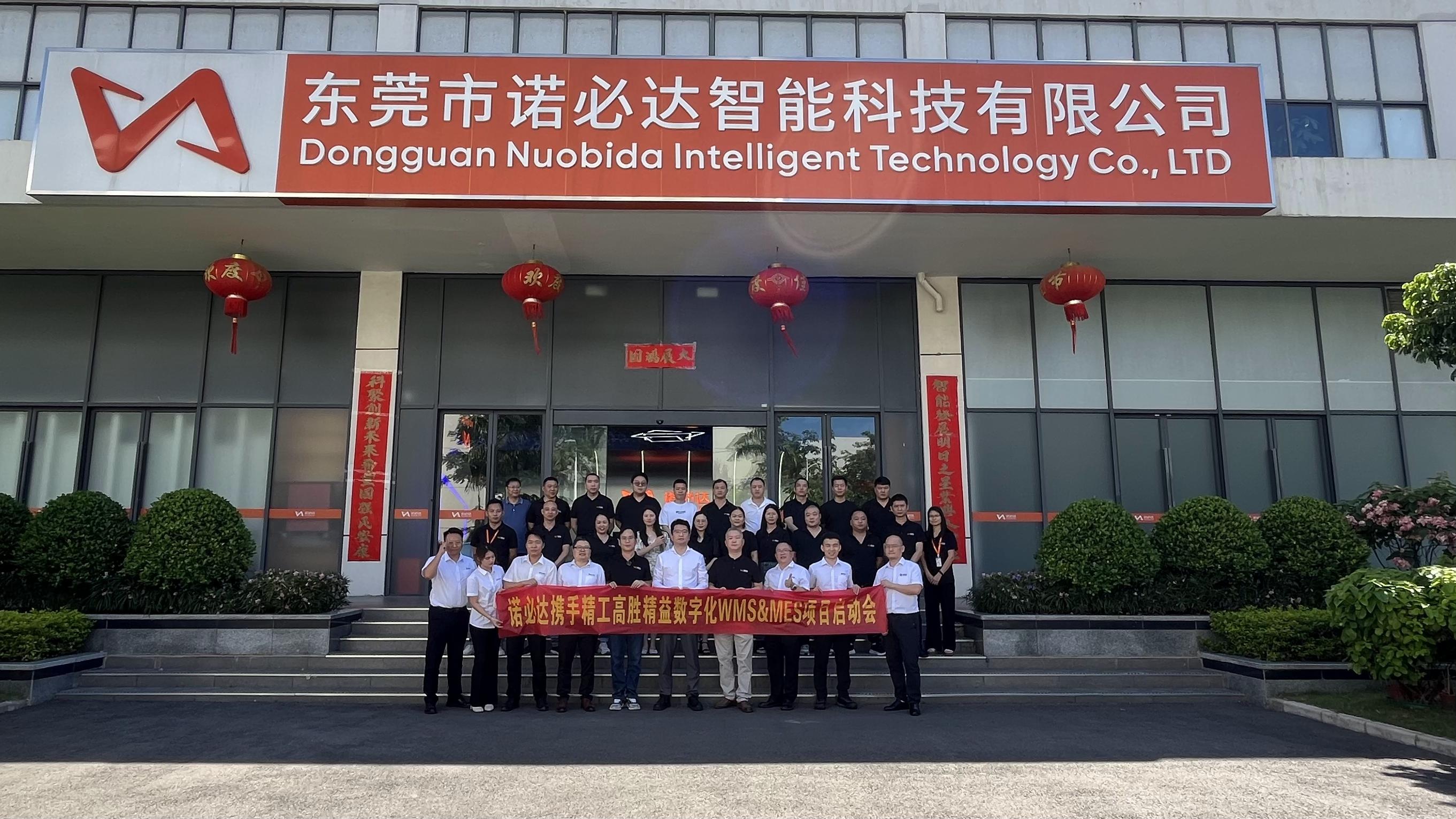
诺必达WMS&MES项目
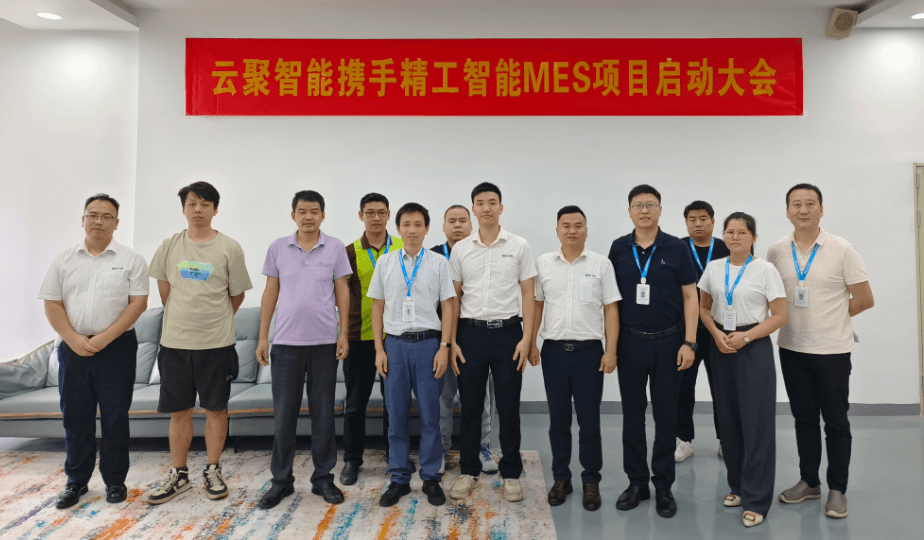
云聚MES项目
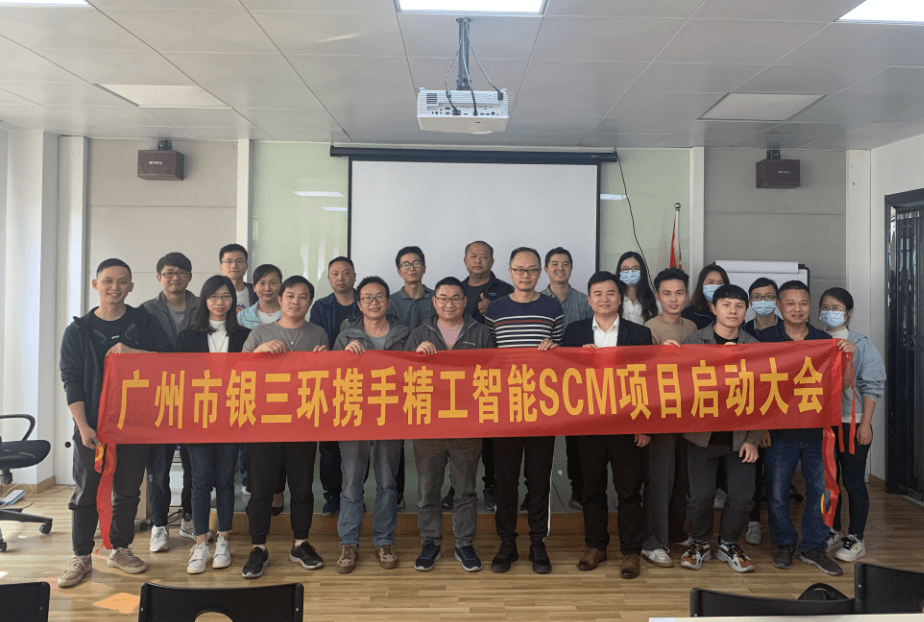
银三环SCM项目
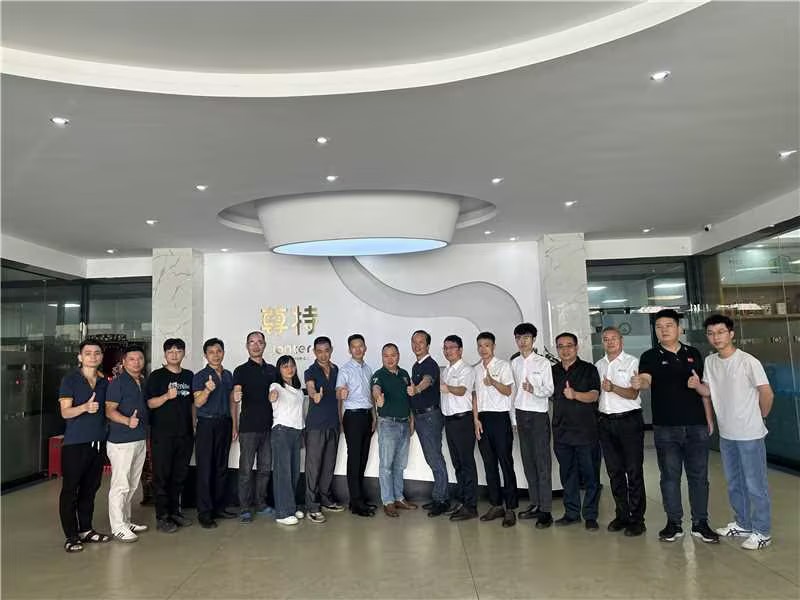
尊特数码MES项目
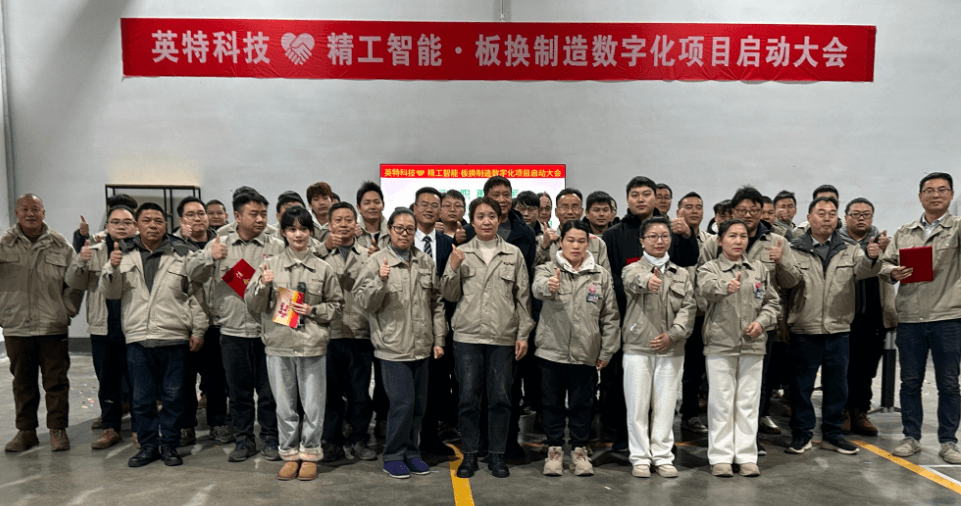
英特科技WMS&MES项目
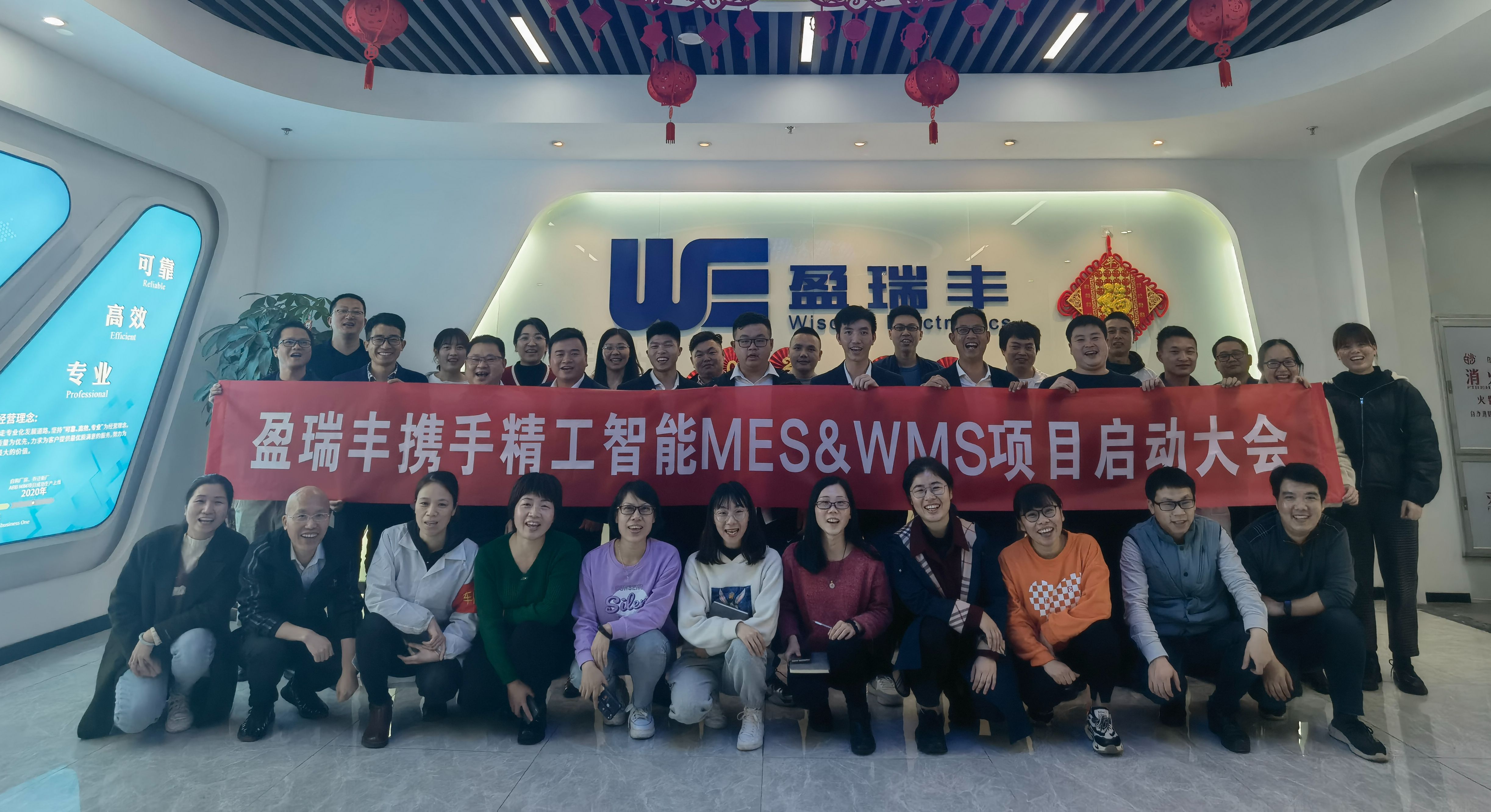
盈瑞丰WMS&MES项目
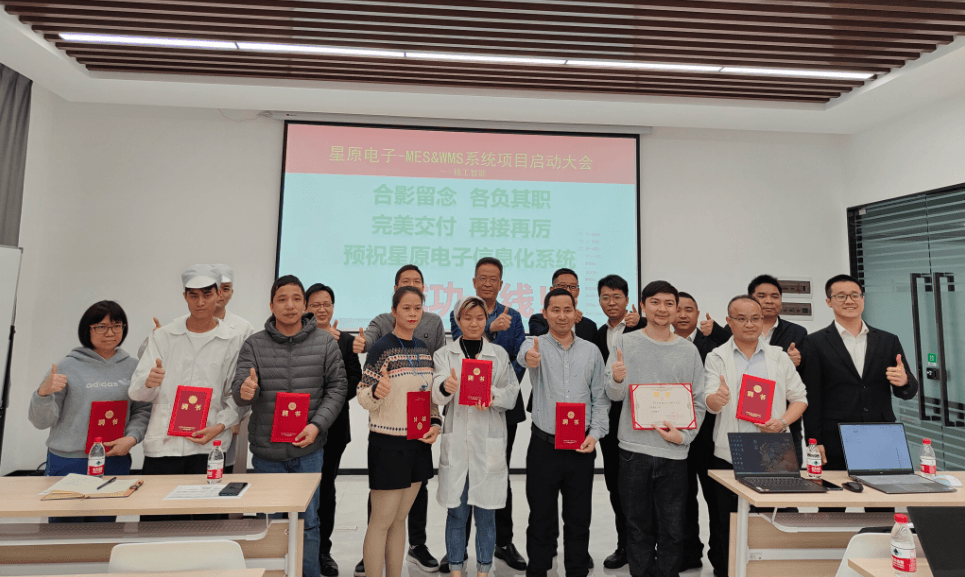
星原电子WMS&MES项目
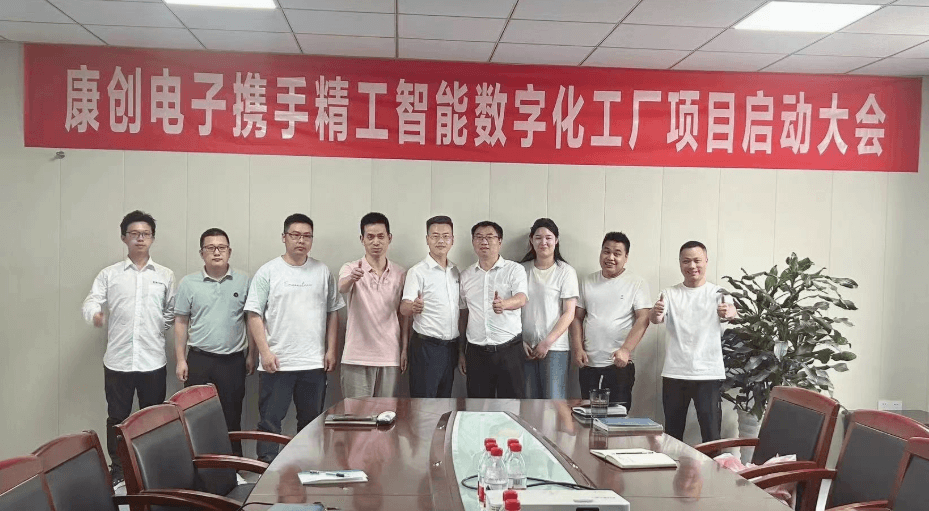
康创电子WMS/MES项目.
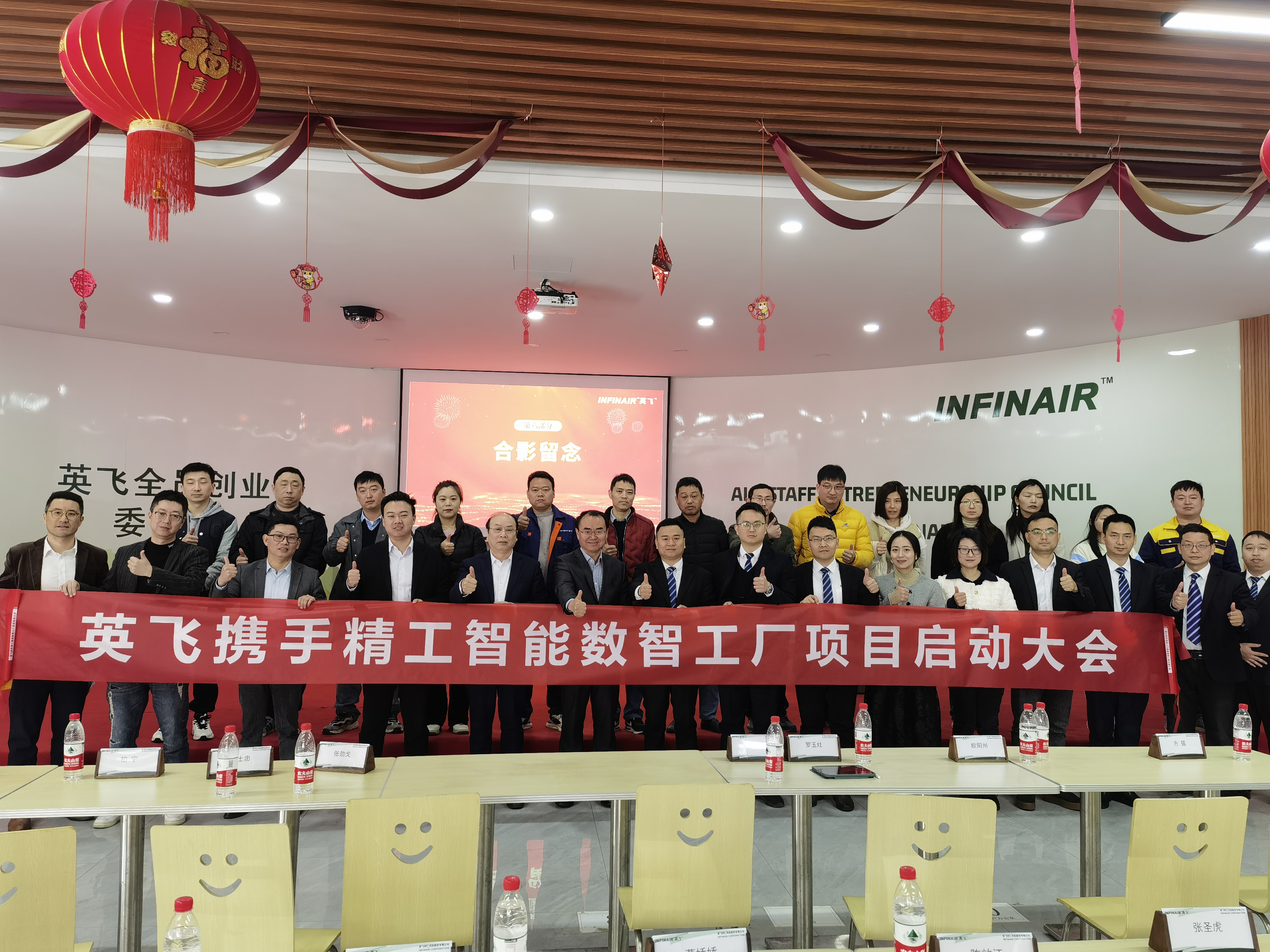
英飞同仁WMS/MES项目.
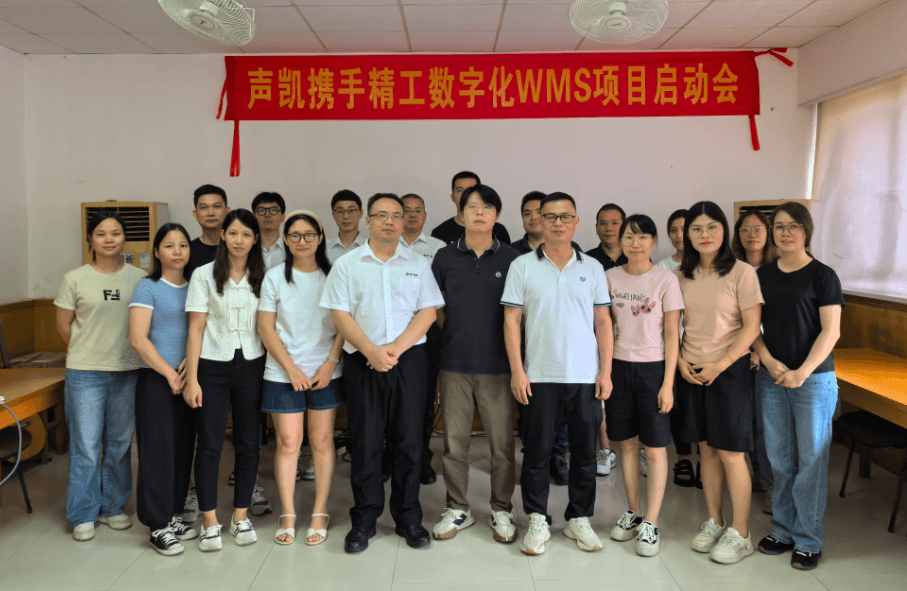
声凯乐器WMS项目
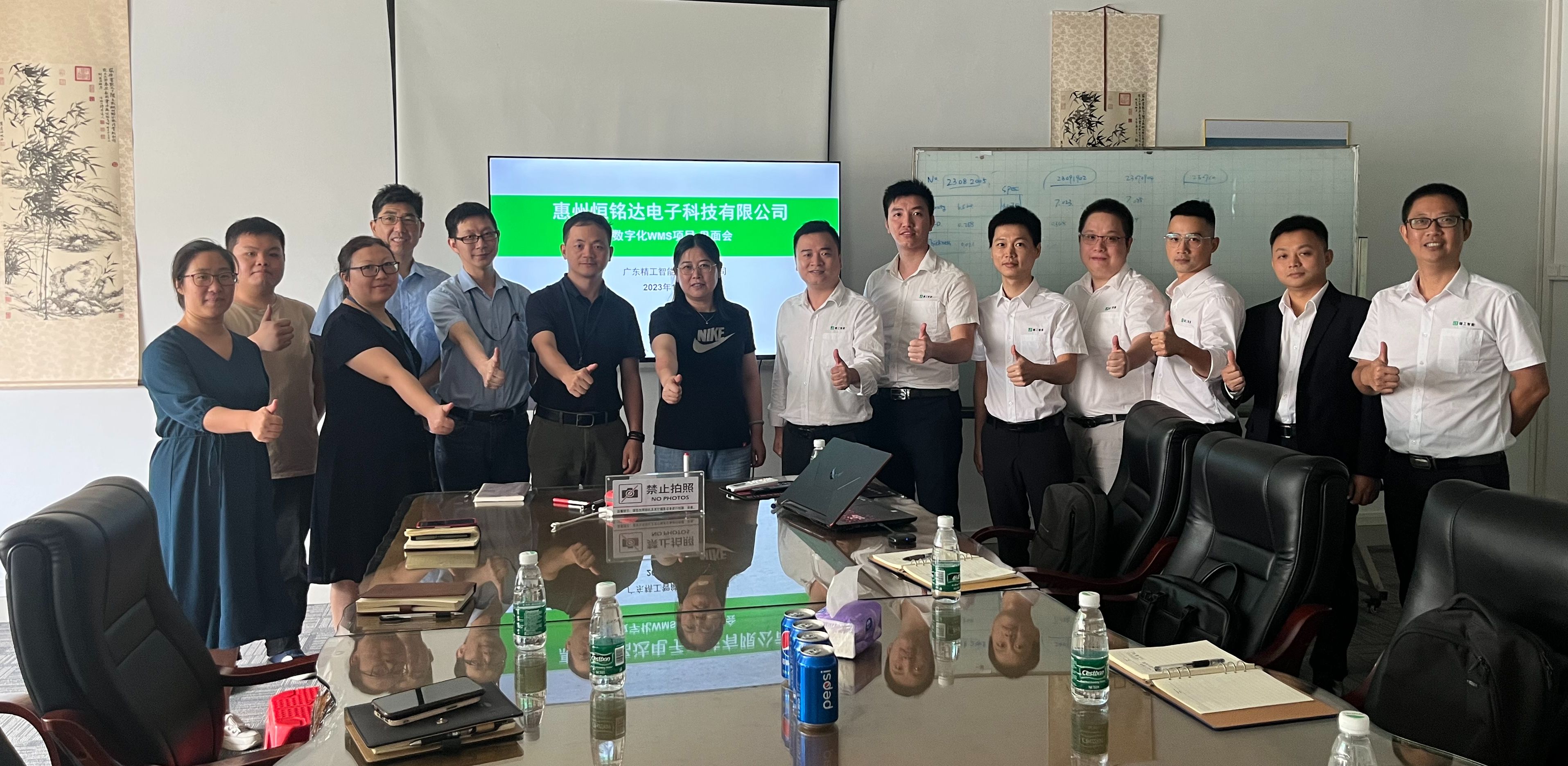
恒铭达WMS项目
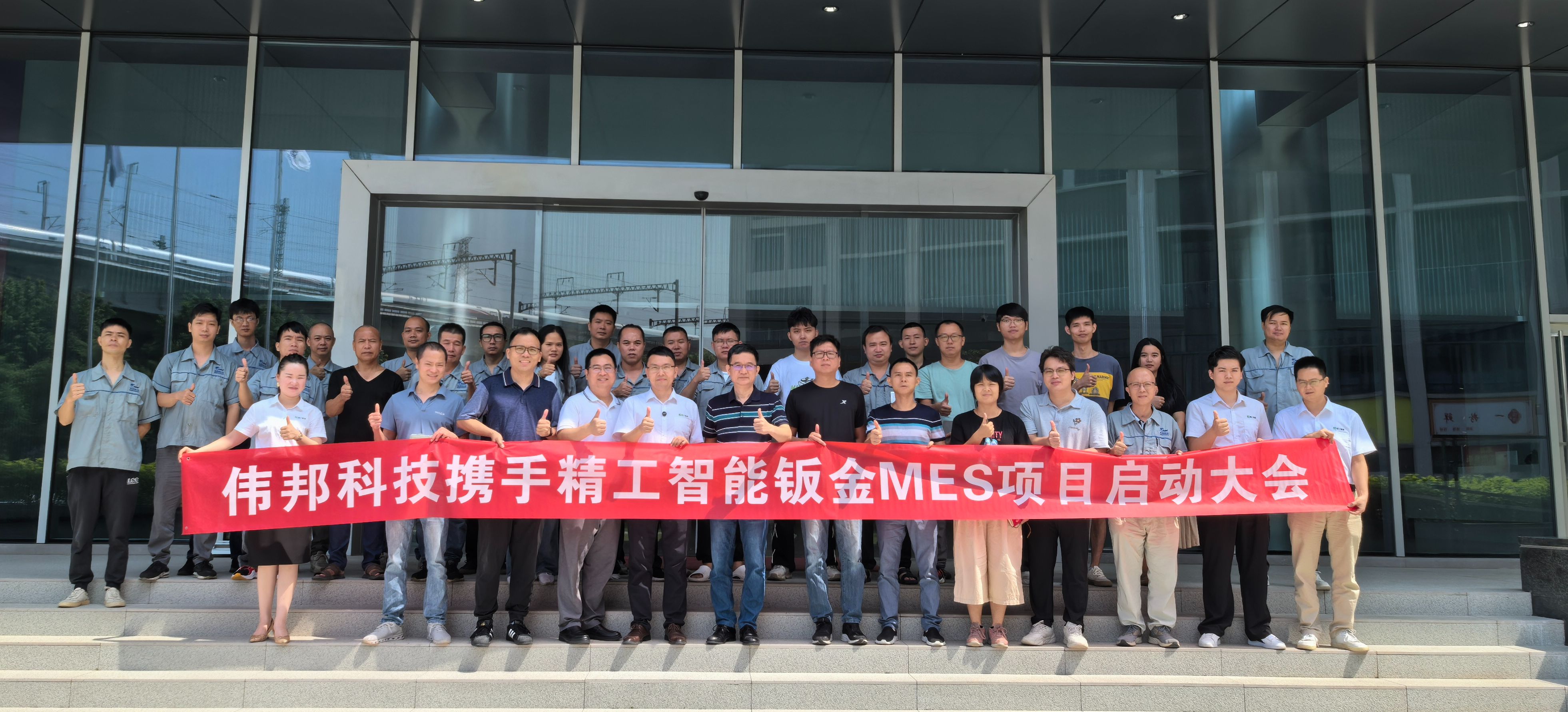
伟邦钣金MES项目
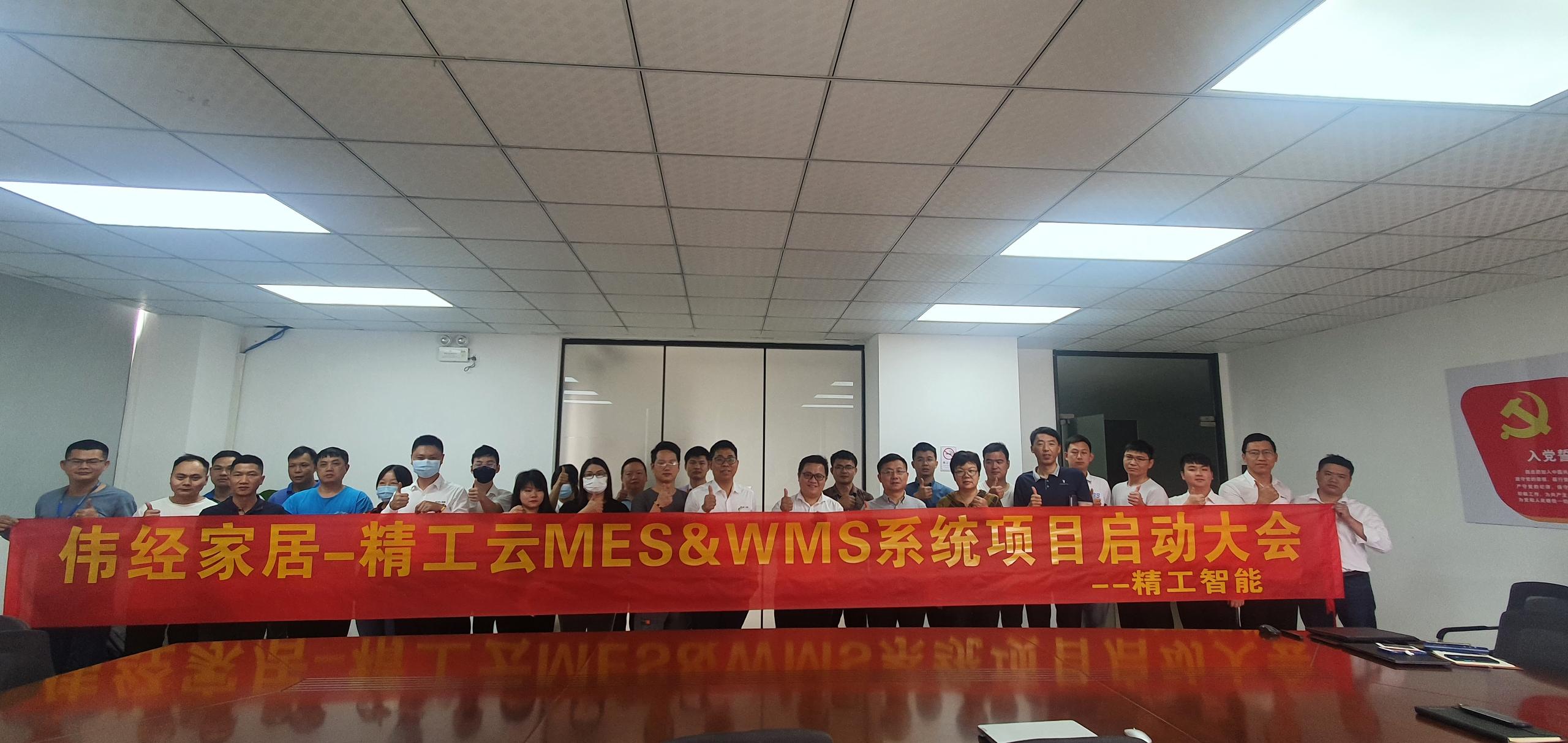
伟经家居WMS&MES项目
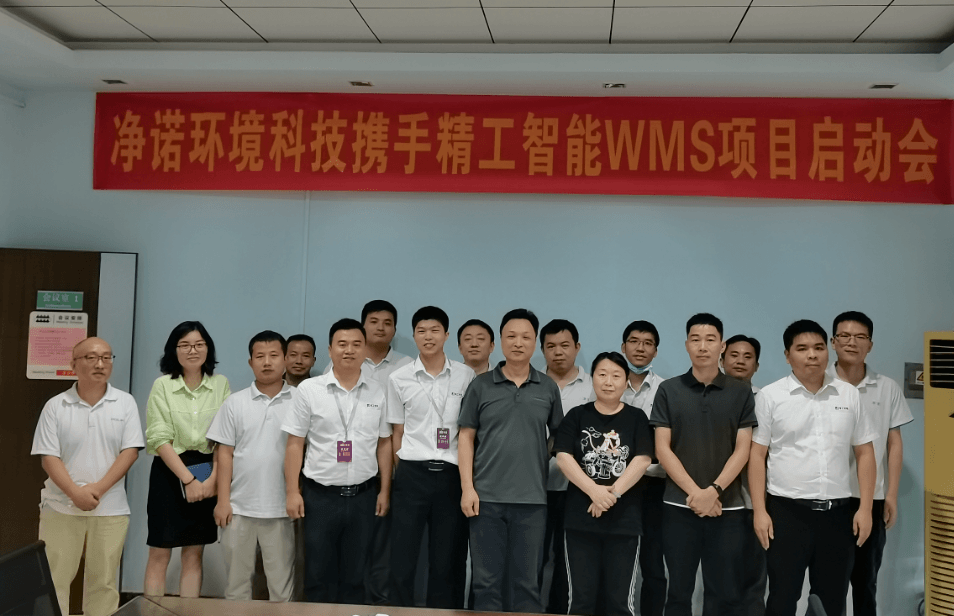
净诺环境WMS项目
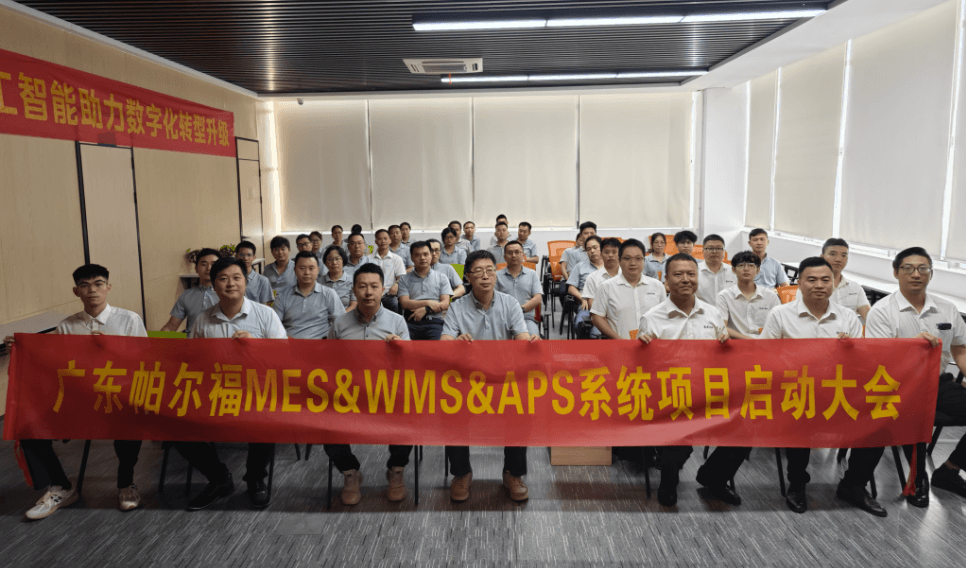
广东帕尔福MES&WMS&APS项目
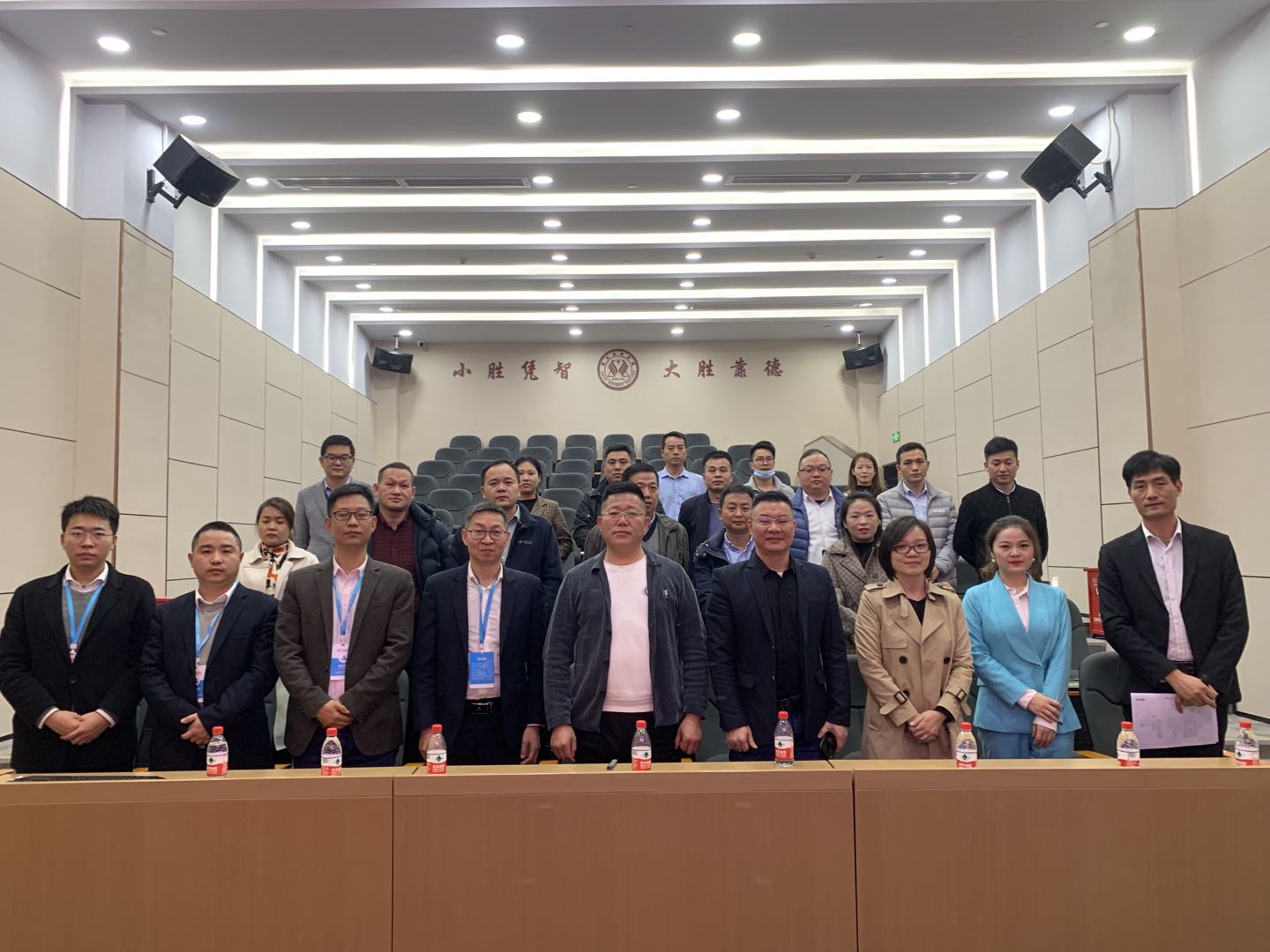
赛而美MES项目
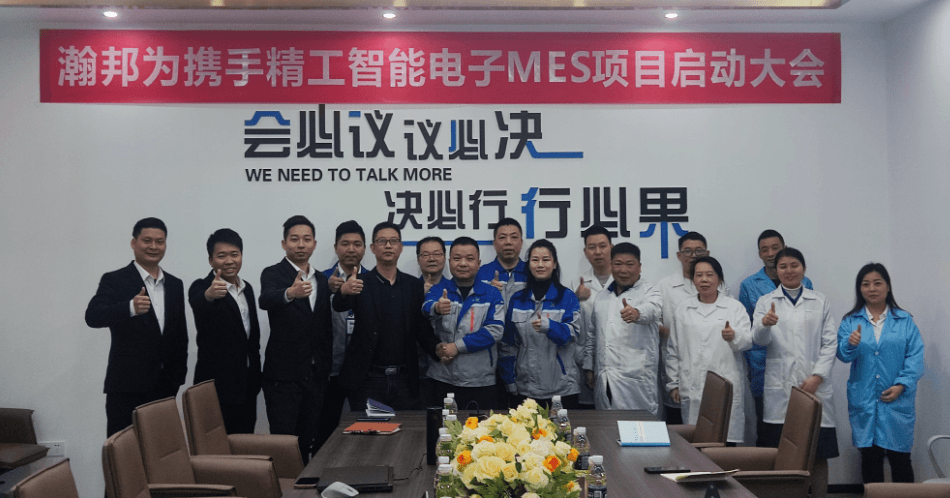
瀚邦为MES项目
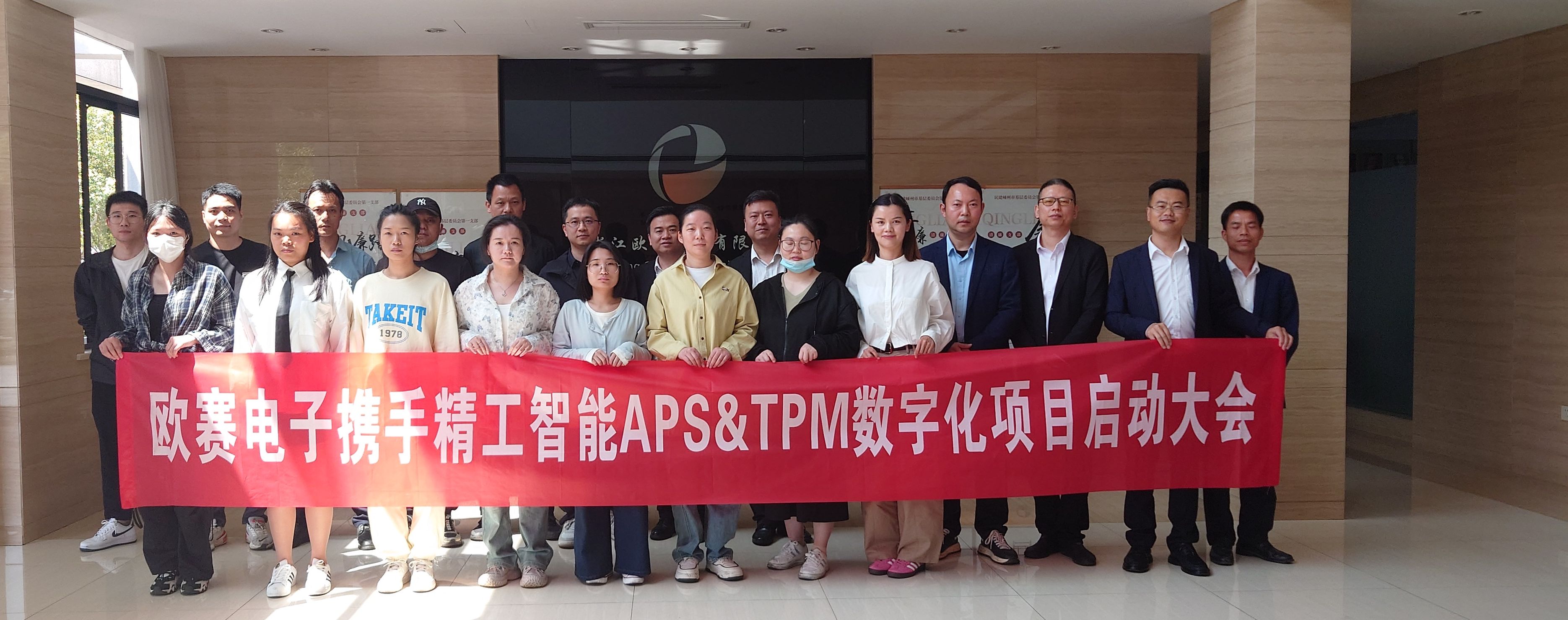
欧赛电子数字化项目
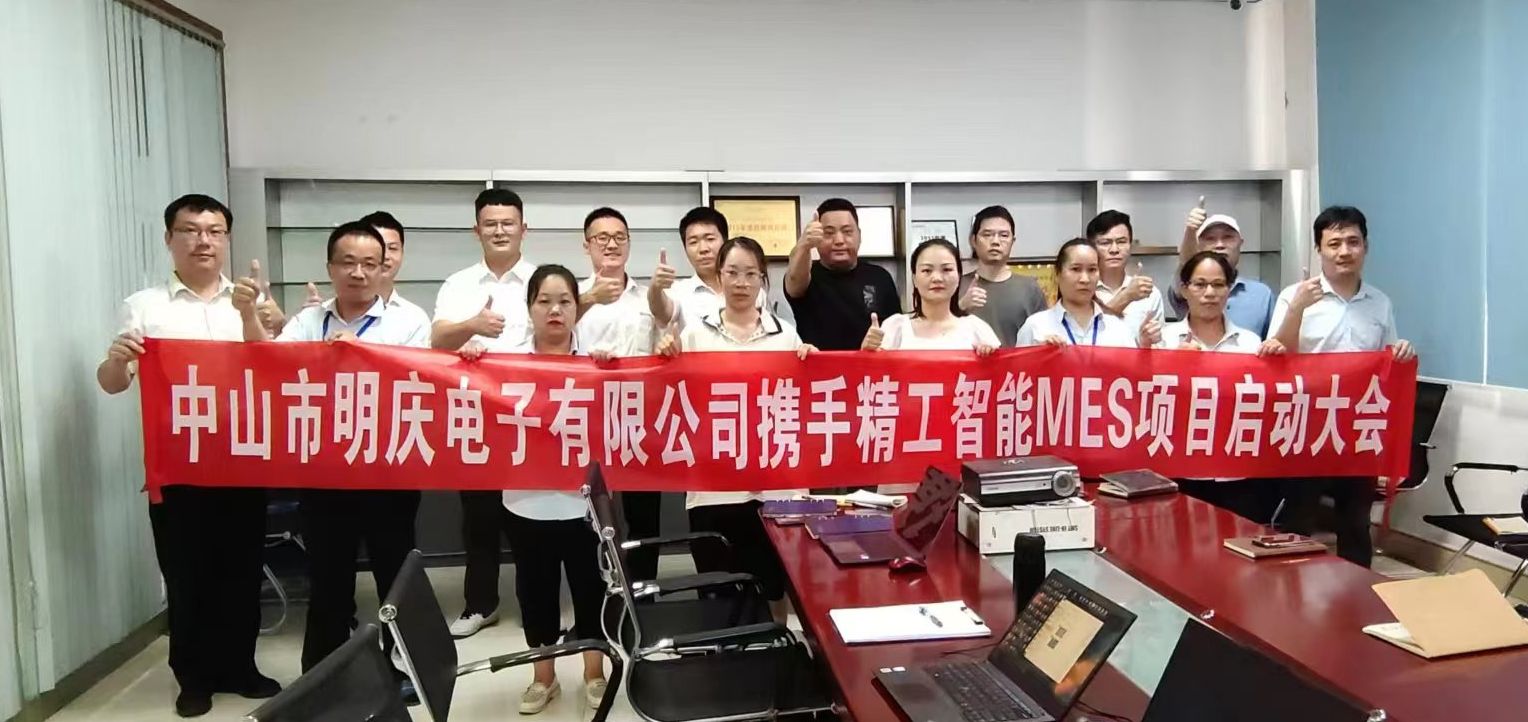
明庆电子MES项目
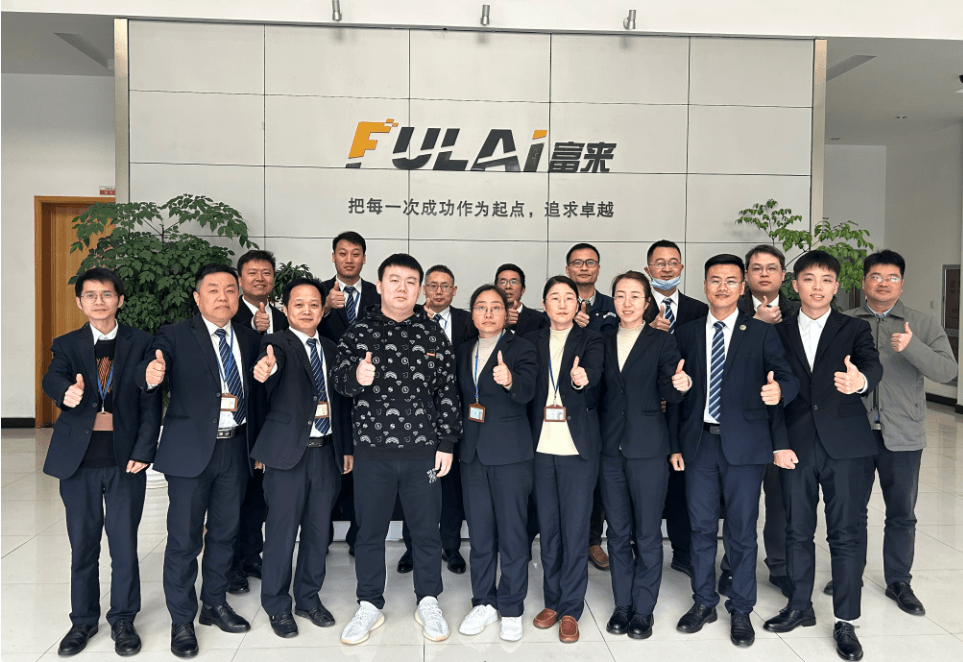
富来电子MES&WMS&APS项目
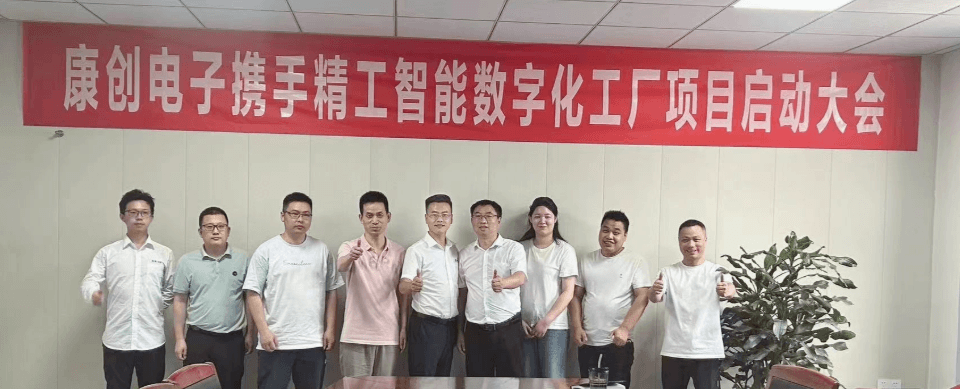
康创电子数字化项目
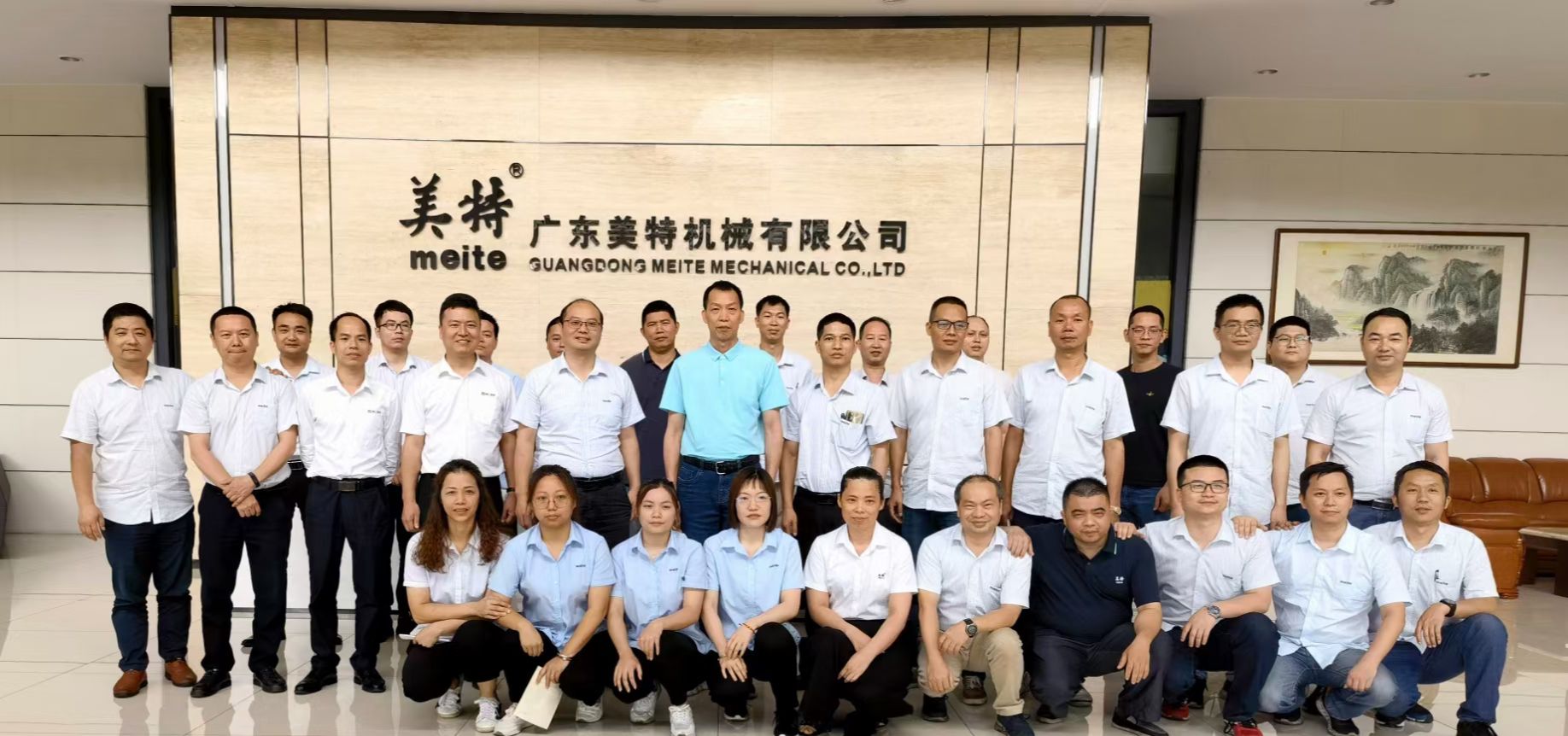
美特APS项目
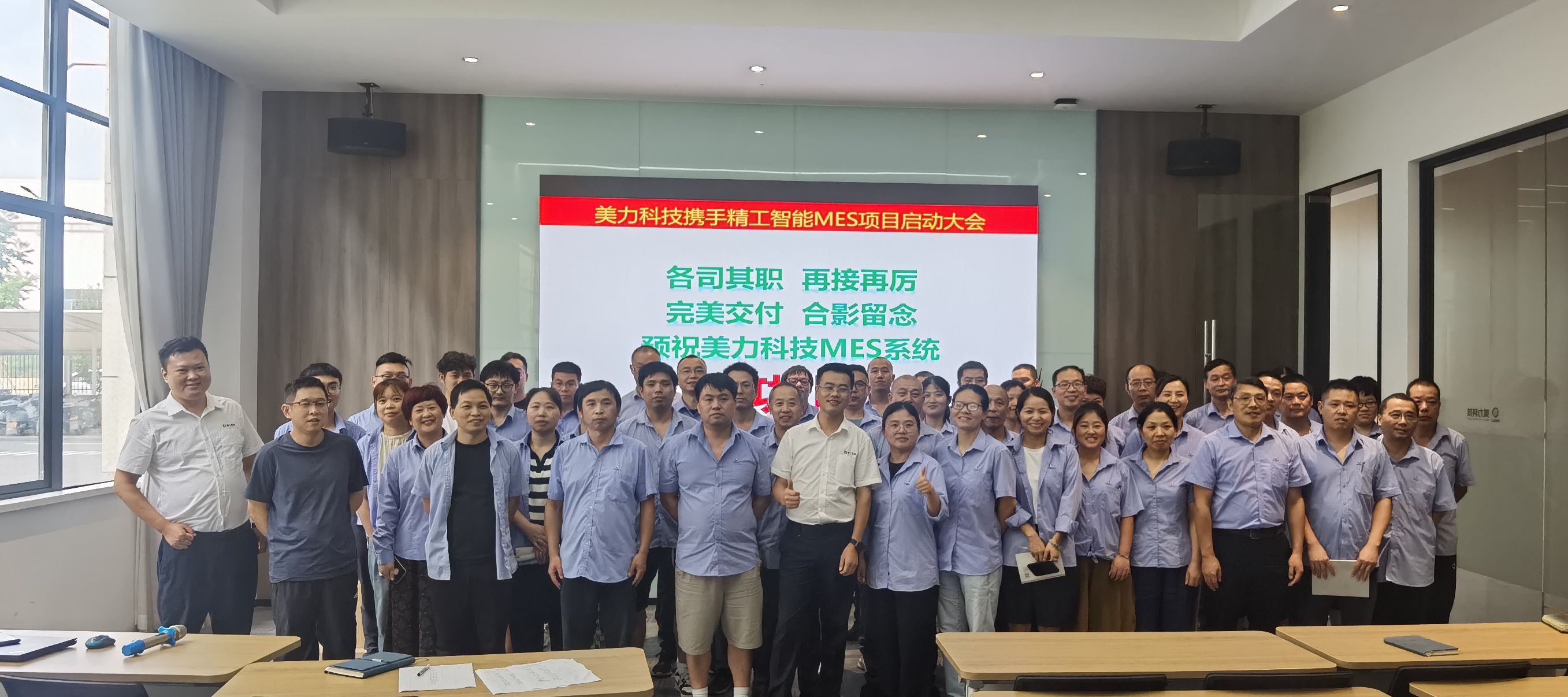
美力弹簧MES项目
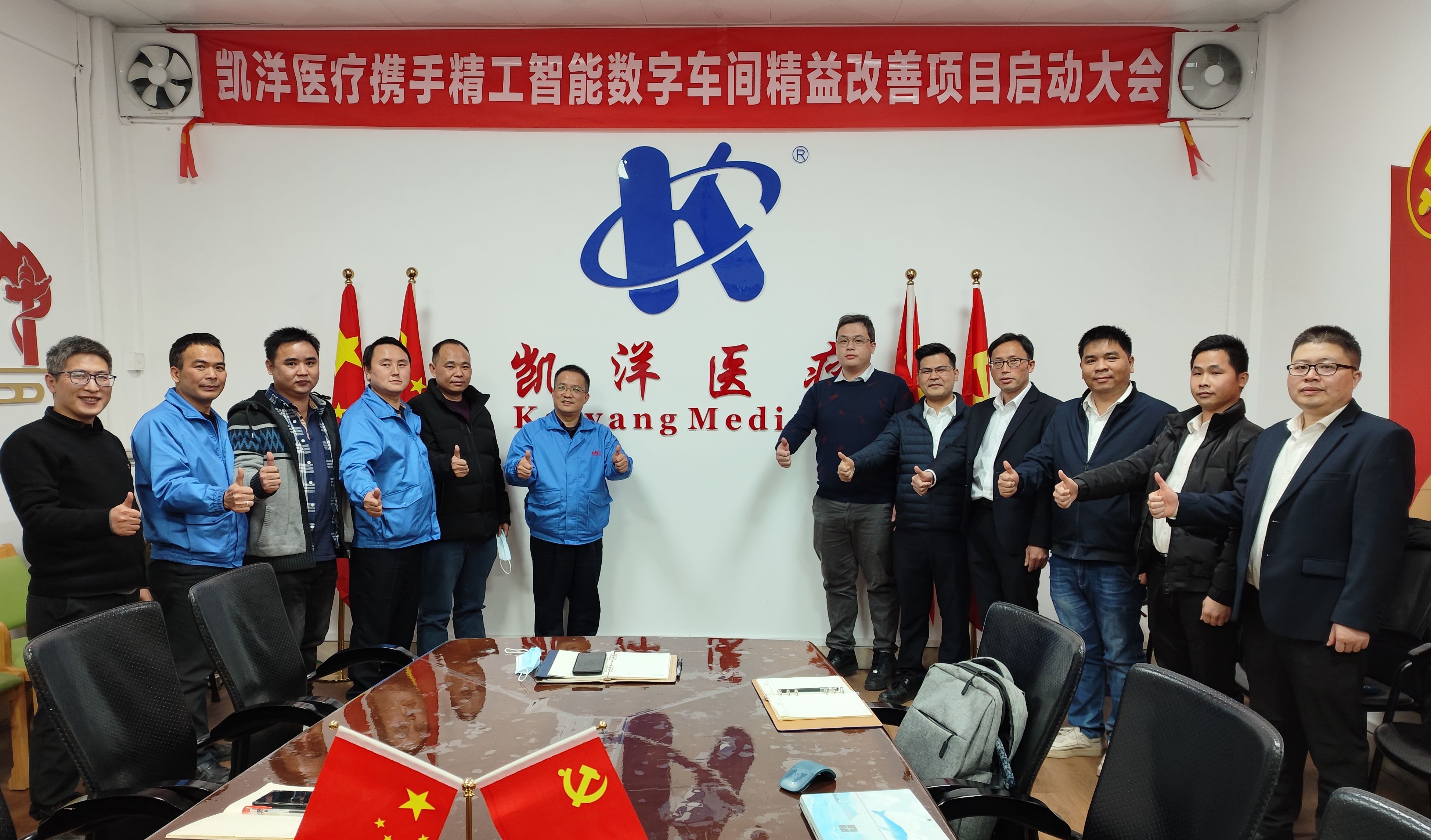
凯洋医疗数字化项目
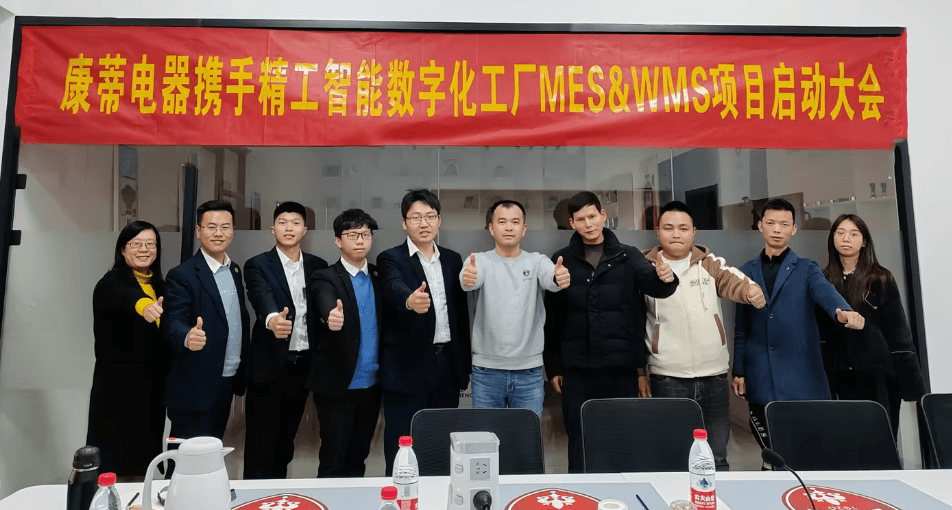
康蒂WMS&MES项目
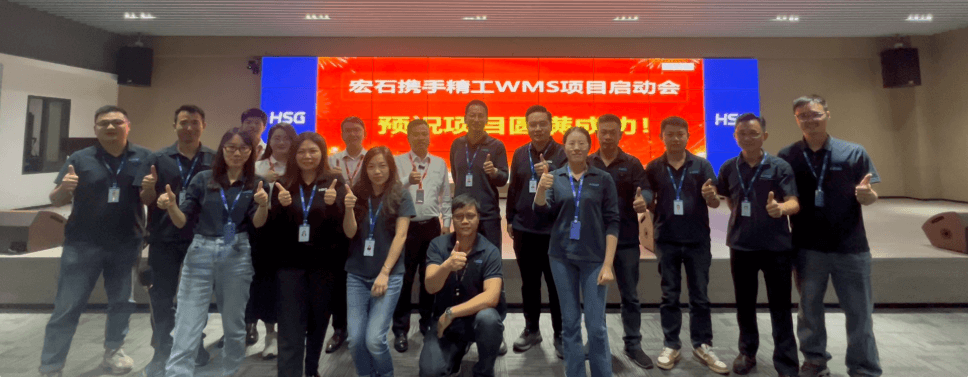
宏石WMS项目
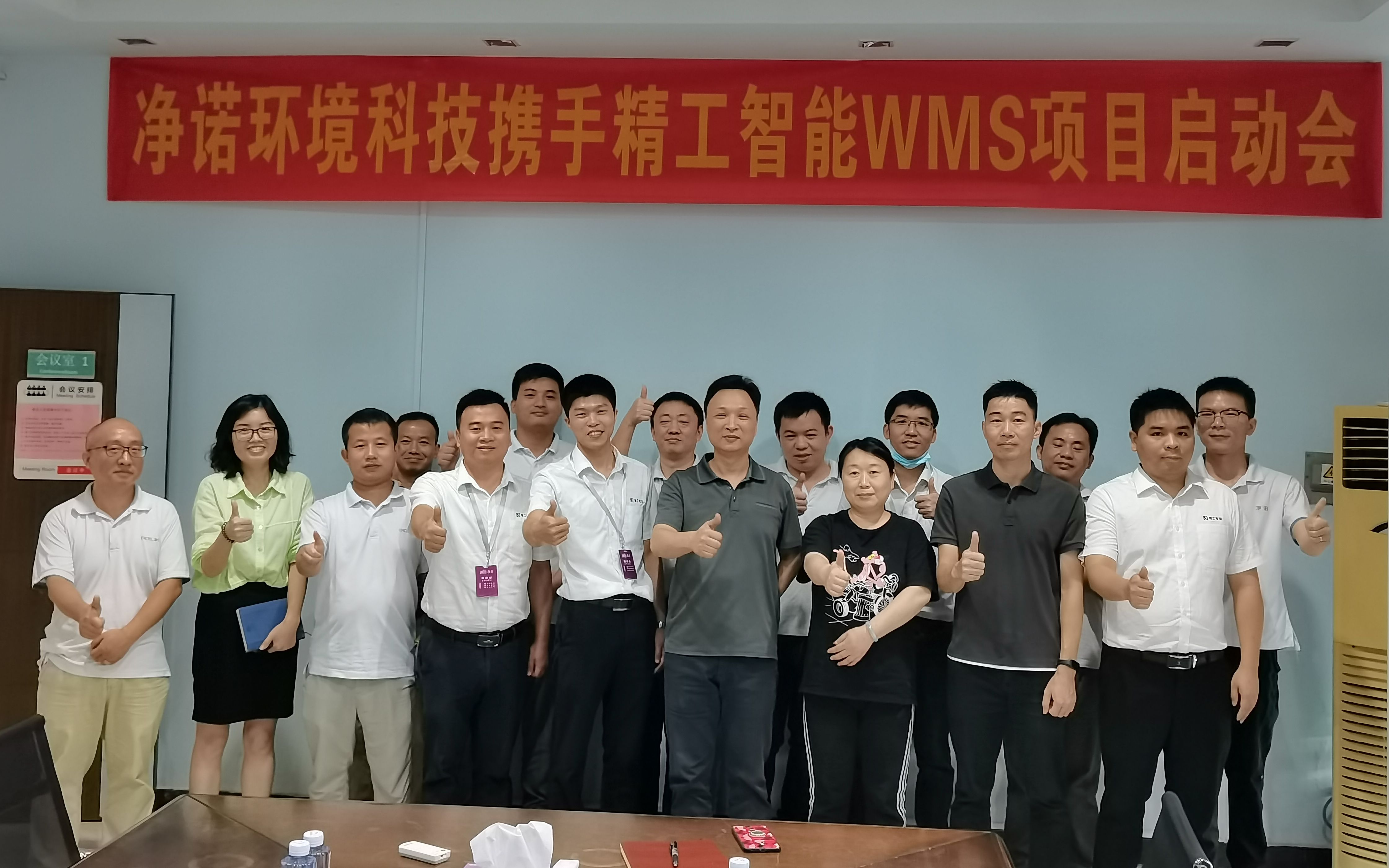
净诺环境WMS项目
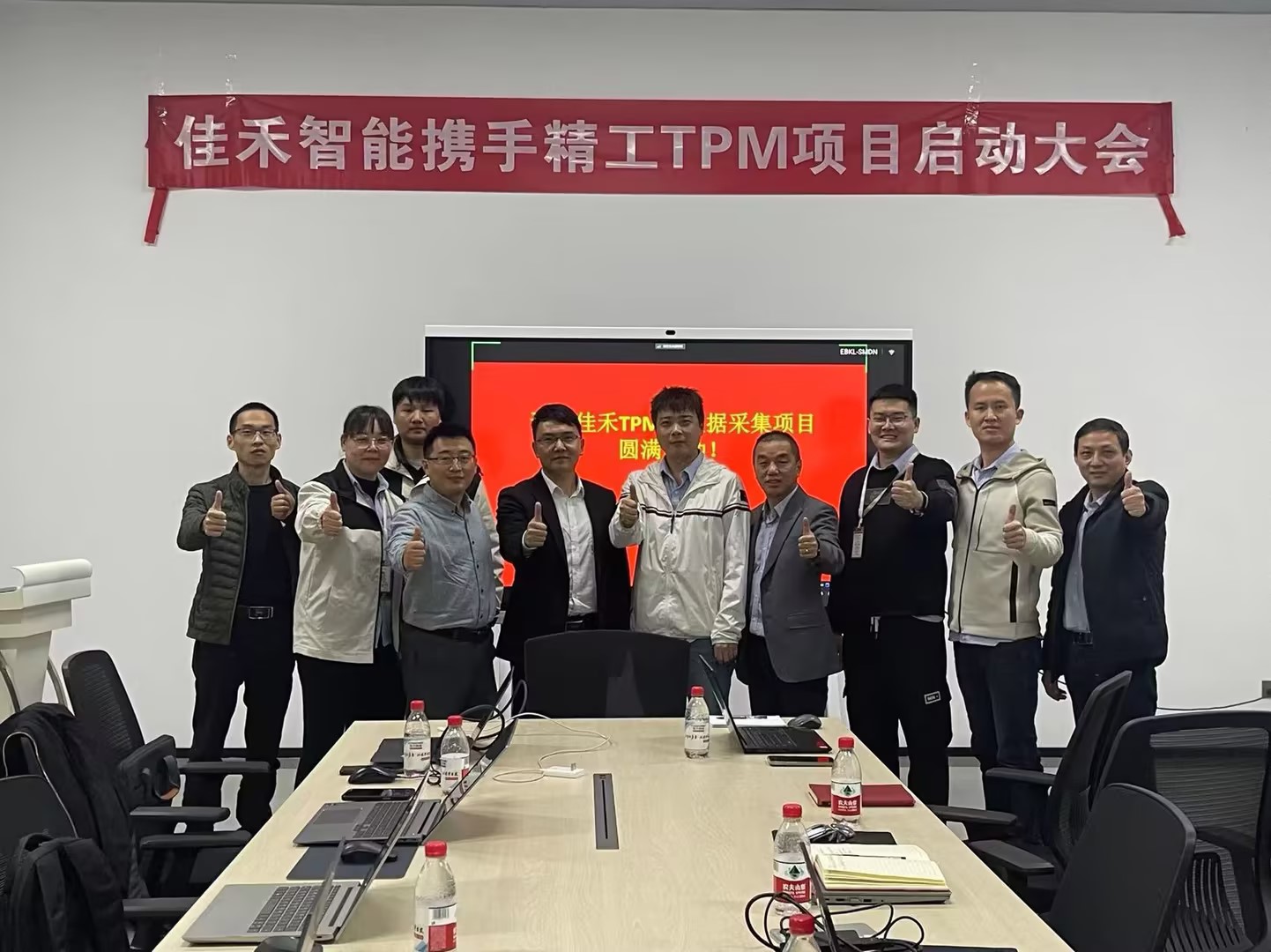
佳禾智能数字化项目
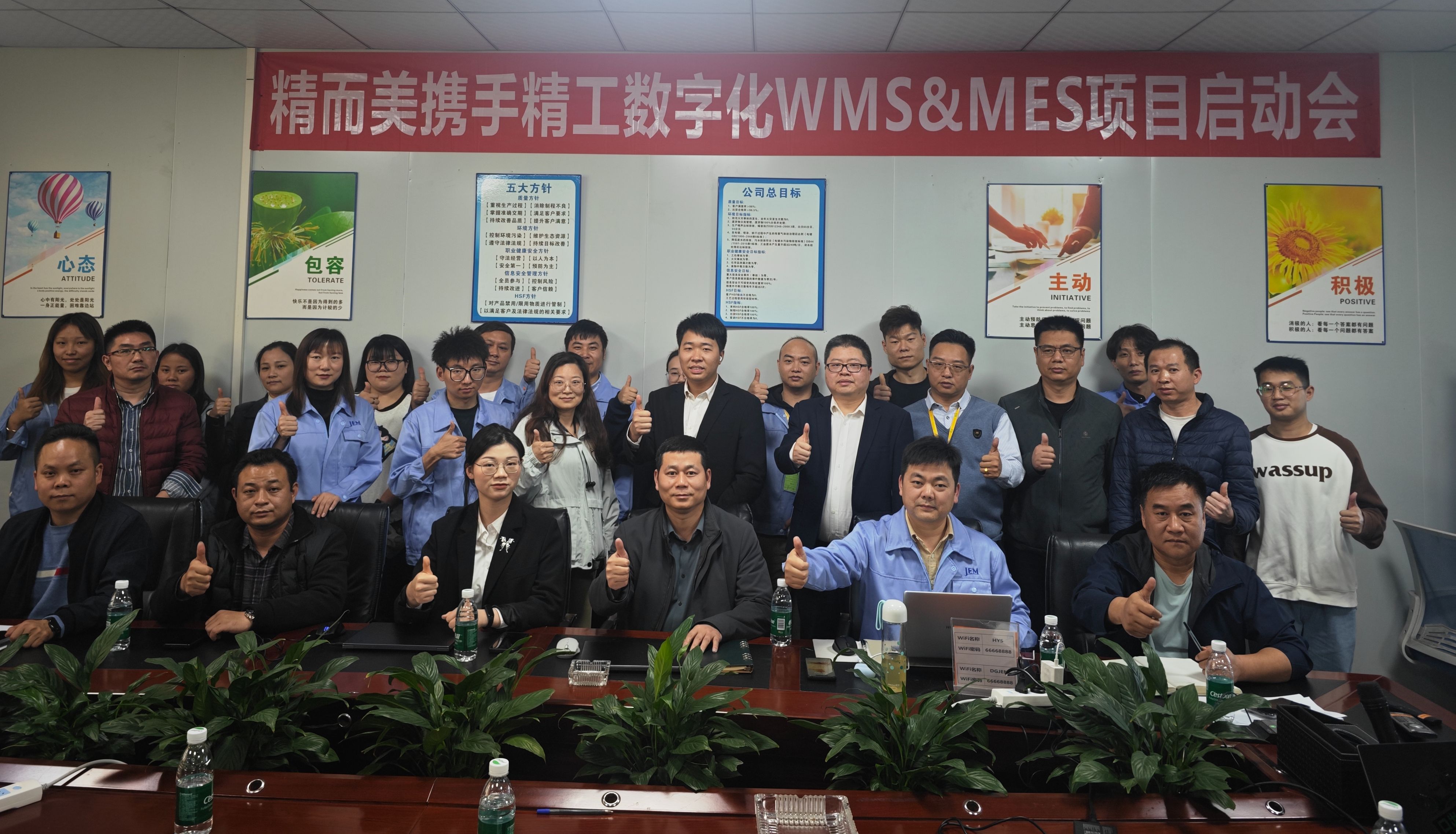
精而美WMS&MES项目
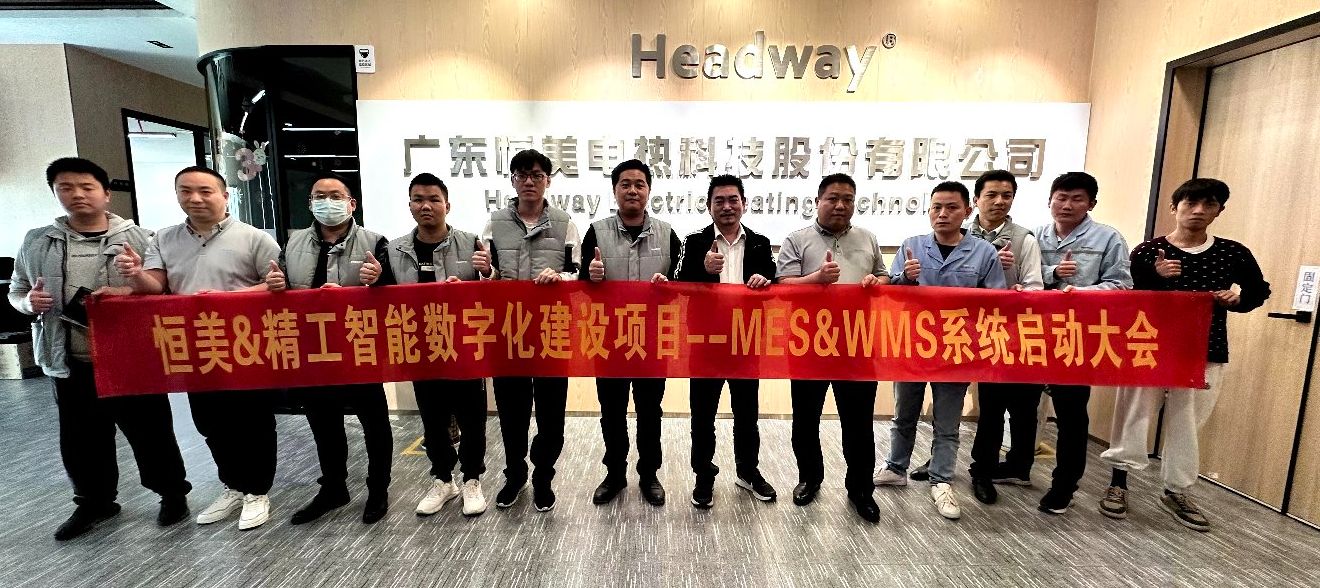
恒美WMS&MES项目
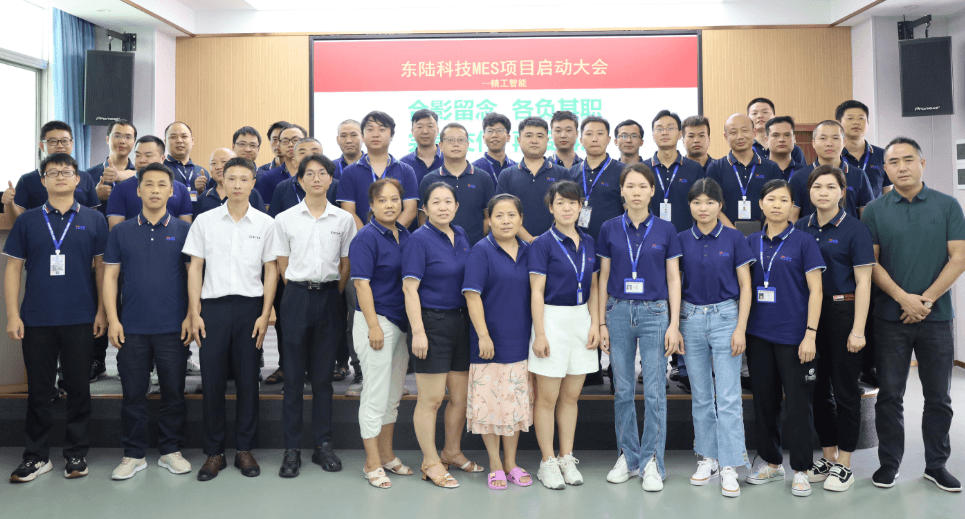
东陆科技MES项目
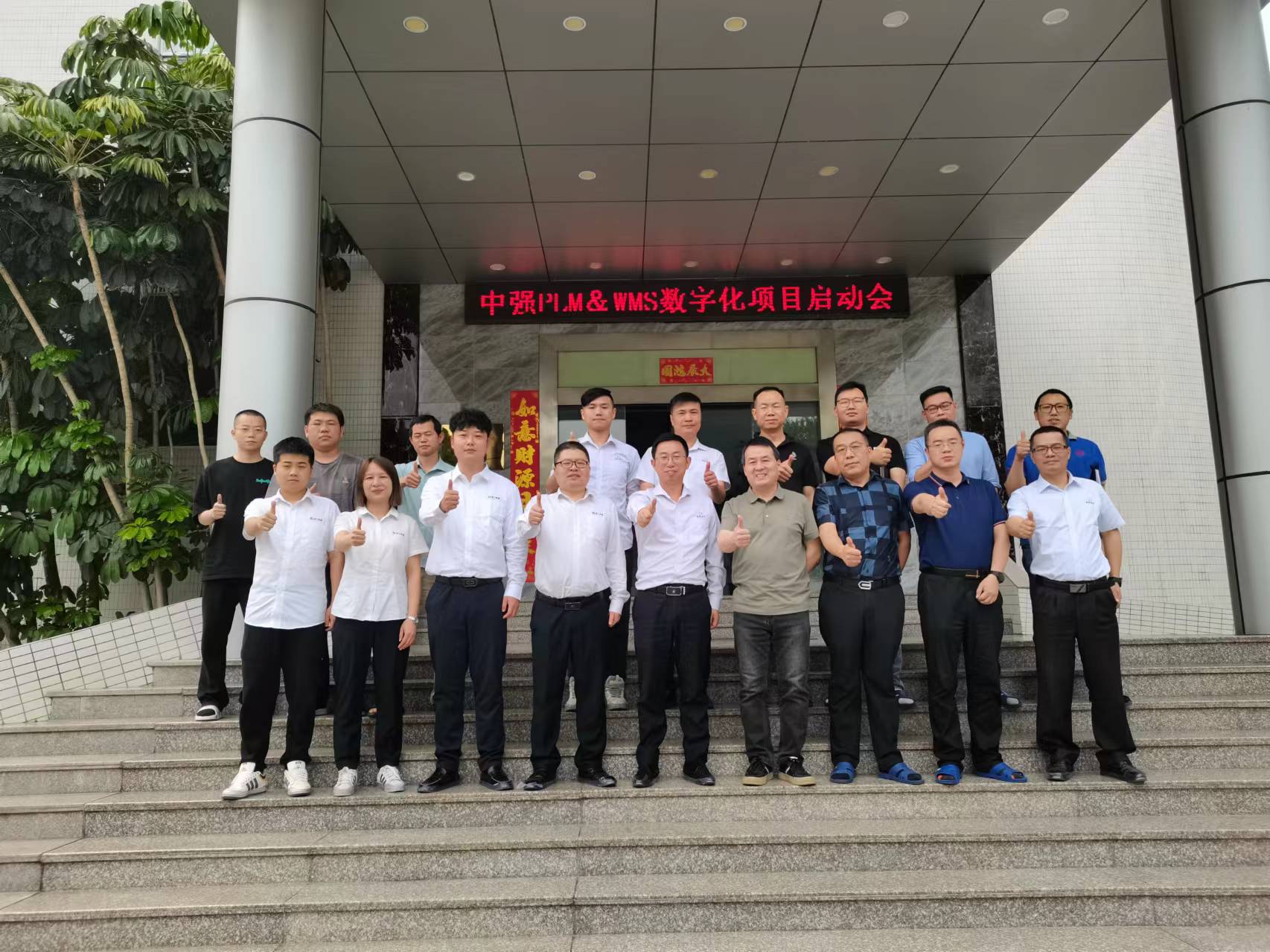
中强电子WMS项目
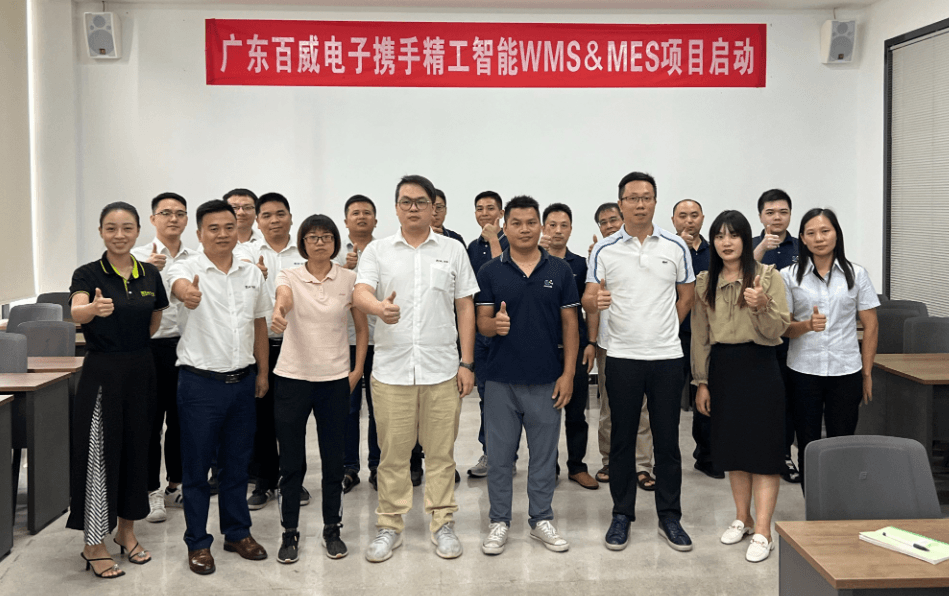
百威电子WMS&MES项目
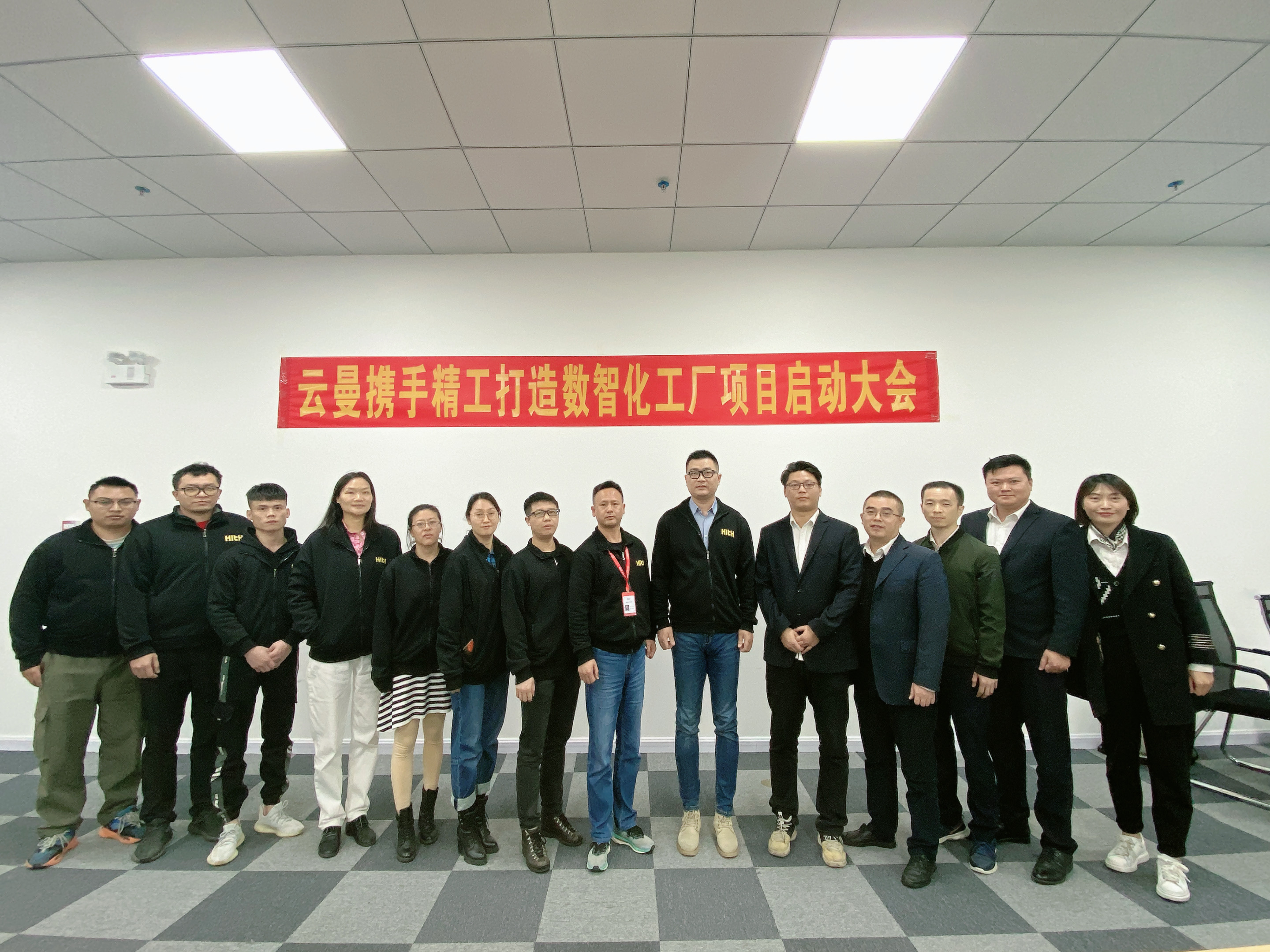
云曼数字化工厂项目
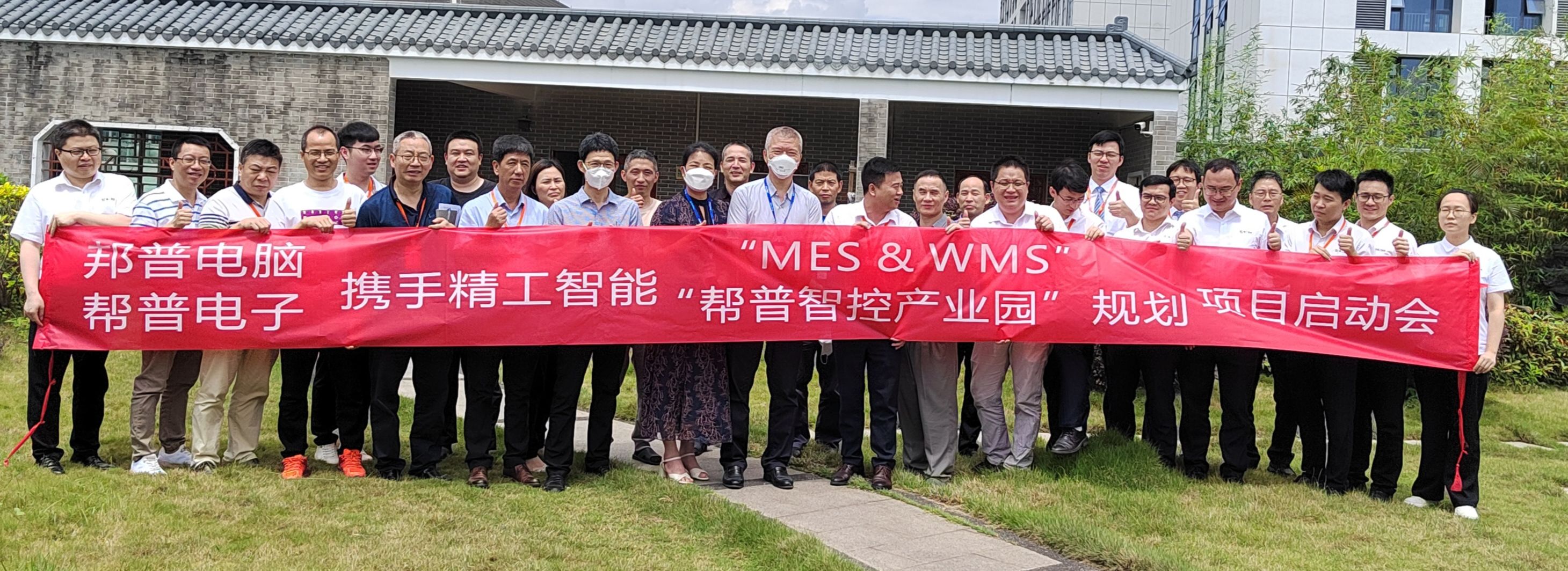
邦普电子WMS&MES项目
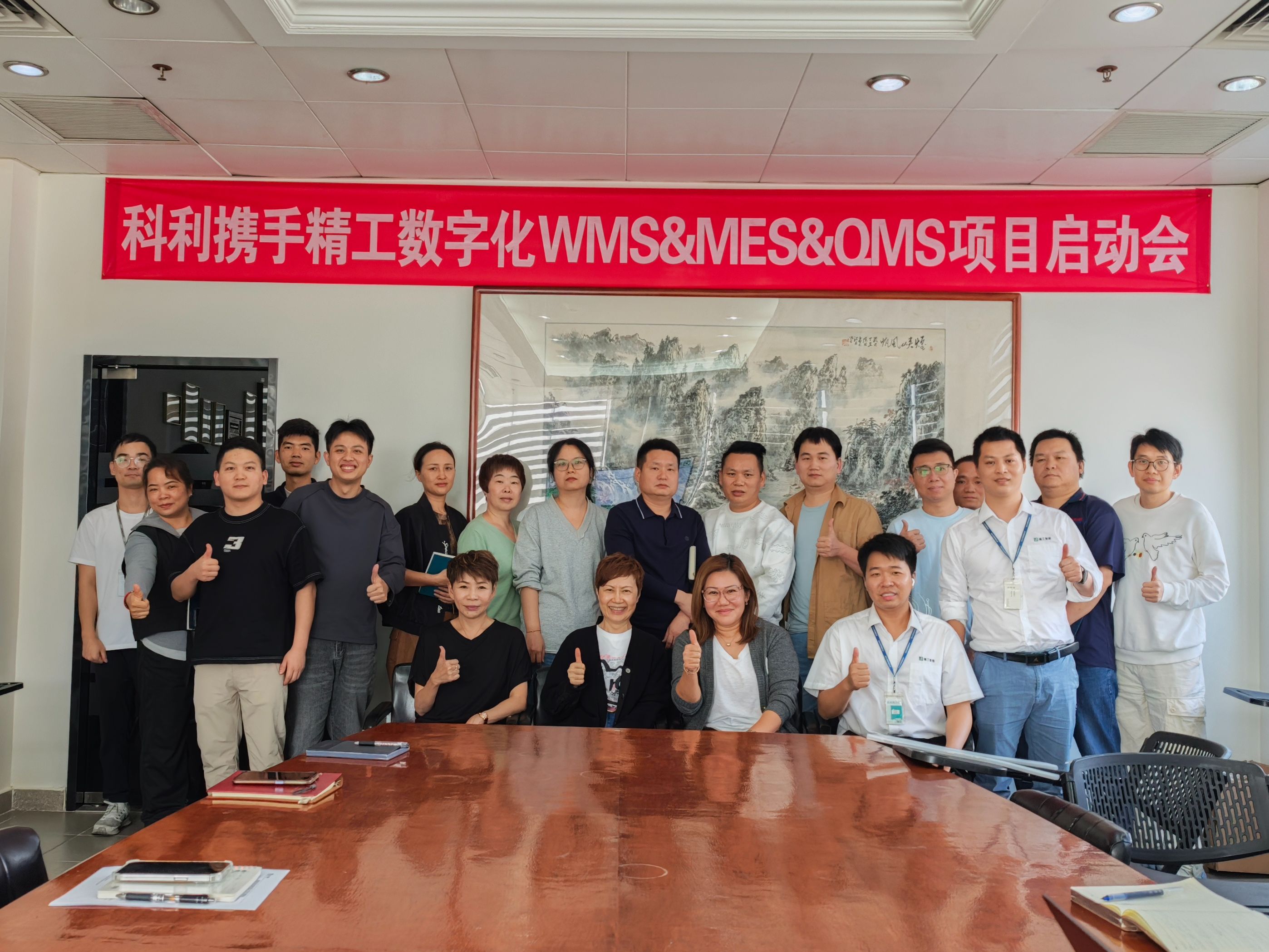
科利WMS&MES&QMS项目
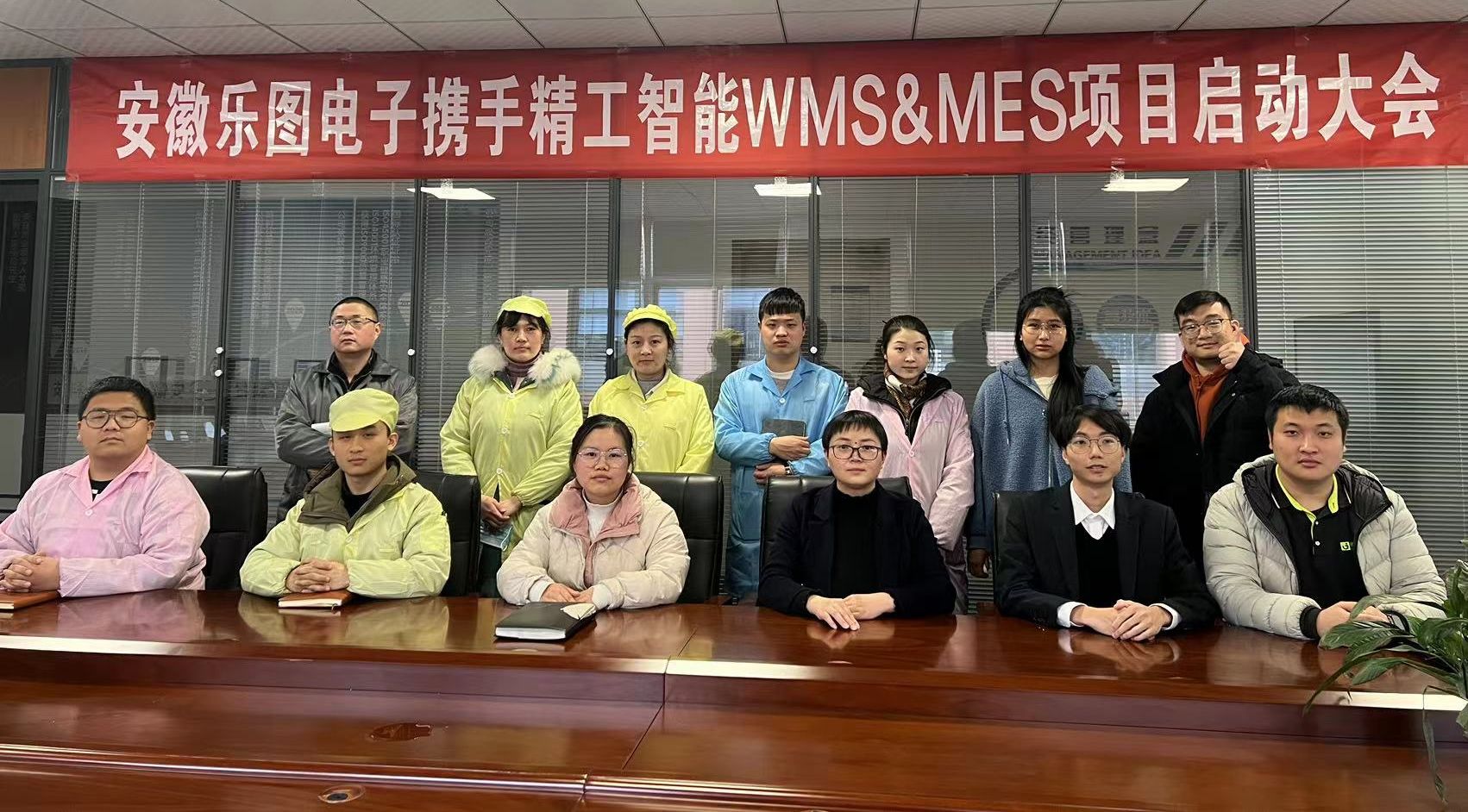
乐图电子WMS&MES项目
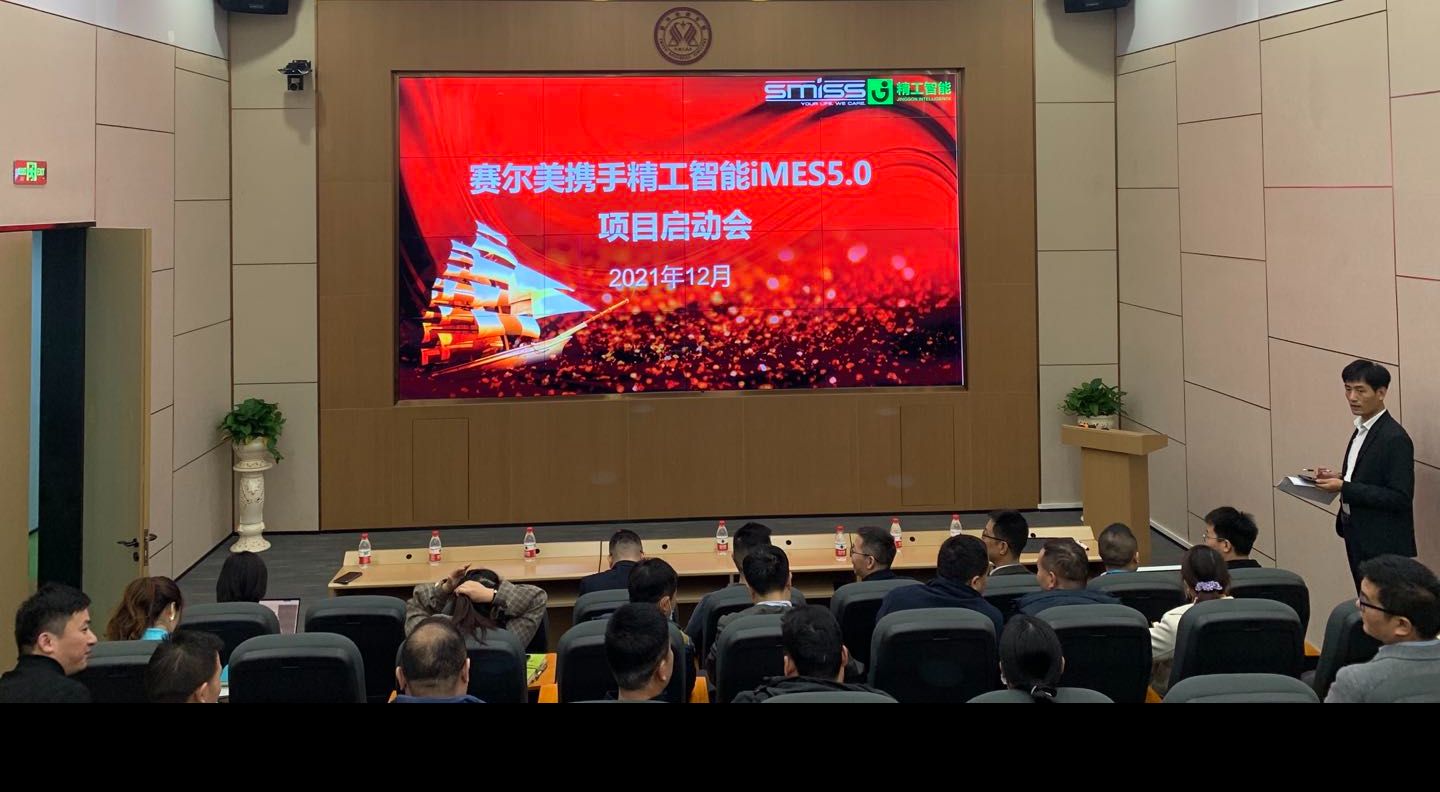
赛尔美MES项目
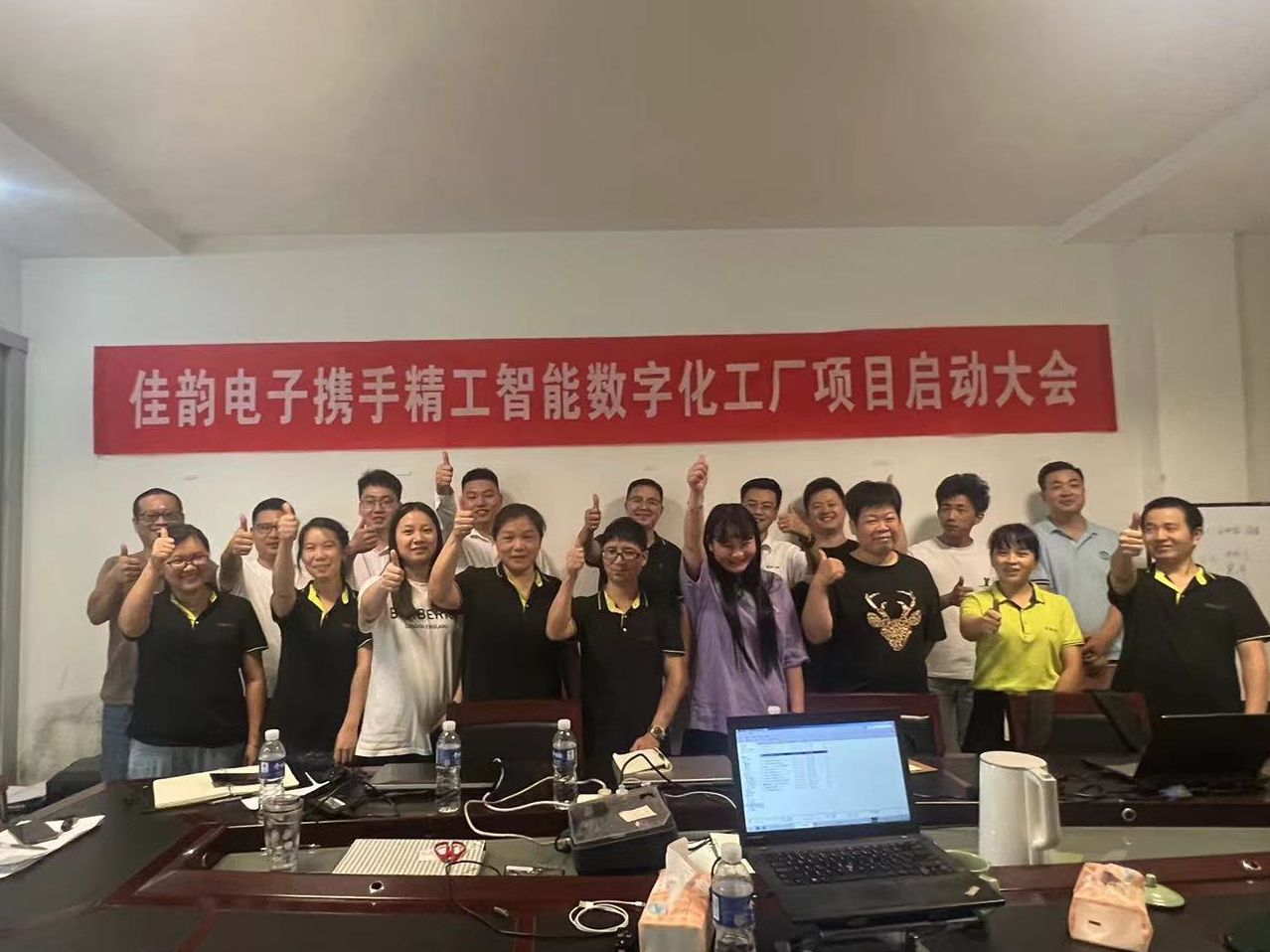
佳韵电子数字化项目

敬业集团MES项目

小熊电器WMS/MES项目

创维集团WMS/MES/APS项目

熠日照明WMS/MES/APS/SRM项目

北方光电WMS/MES项目

长视科技WMS/MES项目

瑞能集团WMS/SRM/APS项目

瑞德智能MES项目

易事特WMS/MES/QMS项目
诺必达WMS&MES项目

云聚MES项目

银三环SCM项目

尊特数码MES项目

英特科技WMS&MES项目

盈瑞丰WMS&MES项目

星原电子WMS&MES项目

康创电子WMS/MES项目.

英飞同仁WMS/MES项目.

声凯乐器WMS项目

恒铭达WMS项目

伟邦钣金MES项目

伟经家居WMS&MES项目

净诺环境WMS项目

广东帕尔福MES&WMS&APS项目

赛而美MES项目

瀚邦为MES项目
欧赛电子数字化项目

明庆电子MES项目

富来电子MES&WMS&APS项目

康创电子数字化项目

美特APS项目

美力弹簧MES项目

凯洋医疗数字化项目

康蒂WMS&MES项目

宏石WMS项目

净诺环境WMS项目

佳禾智能数字化项目

精而美WMS&MES项目

恒美WMS&MES项目

东陆科技MES项目

中强电子WMS项目

百威电子WMS&MES项目

云曼数字化工厂项目

邦普电子WMS&MES项目

科利WMS&MES&QMS项目

乐图电子WMS&MES项目

赛尔美MES项目

佳韵电子数字化项目
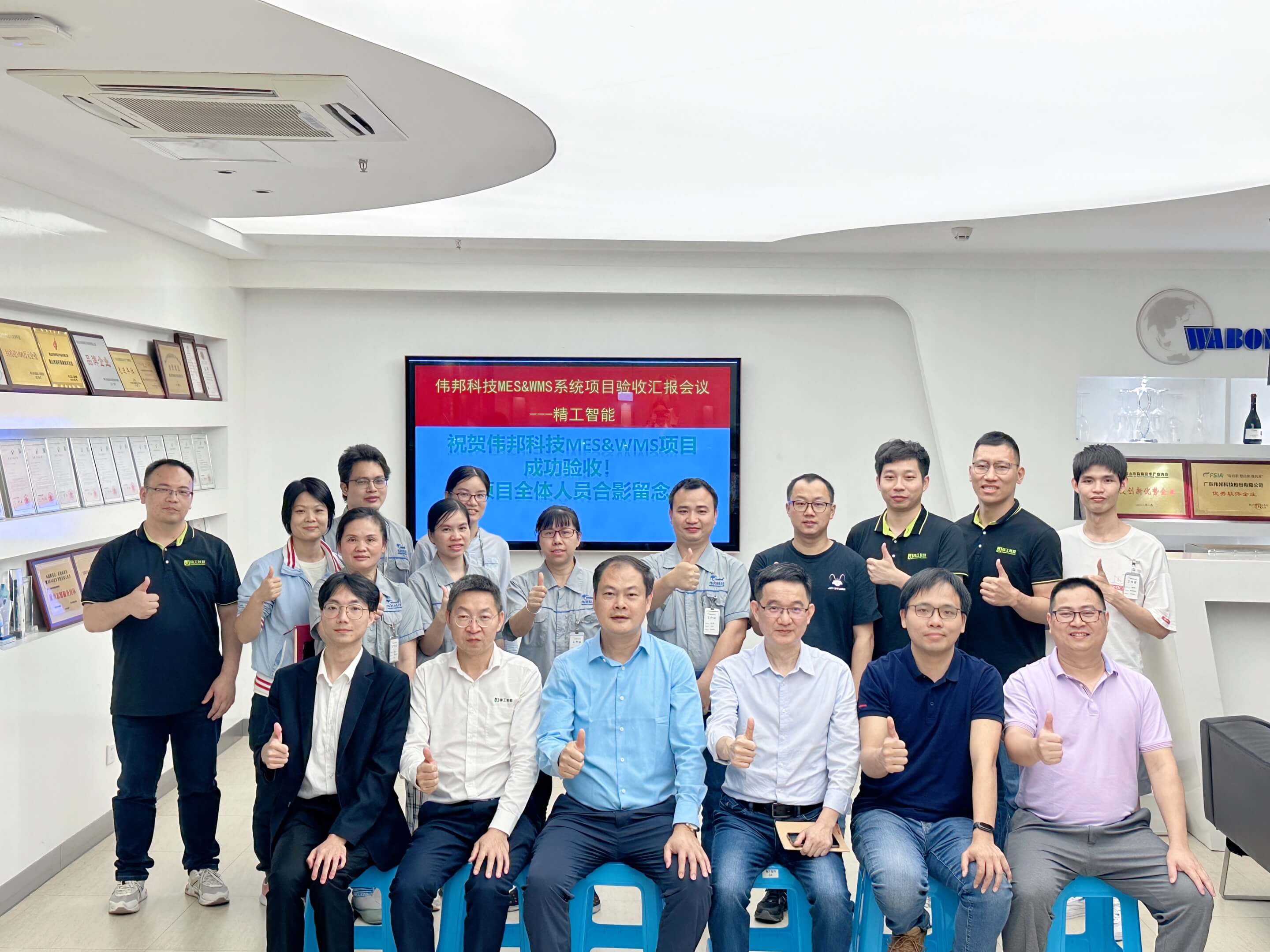
Project Acceptance Meeting

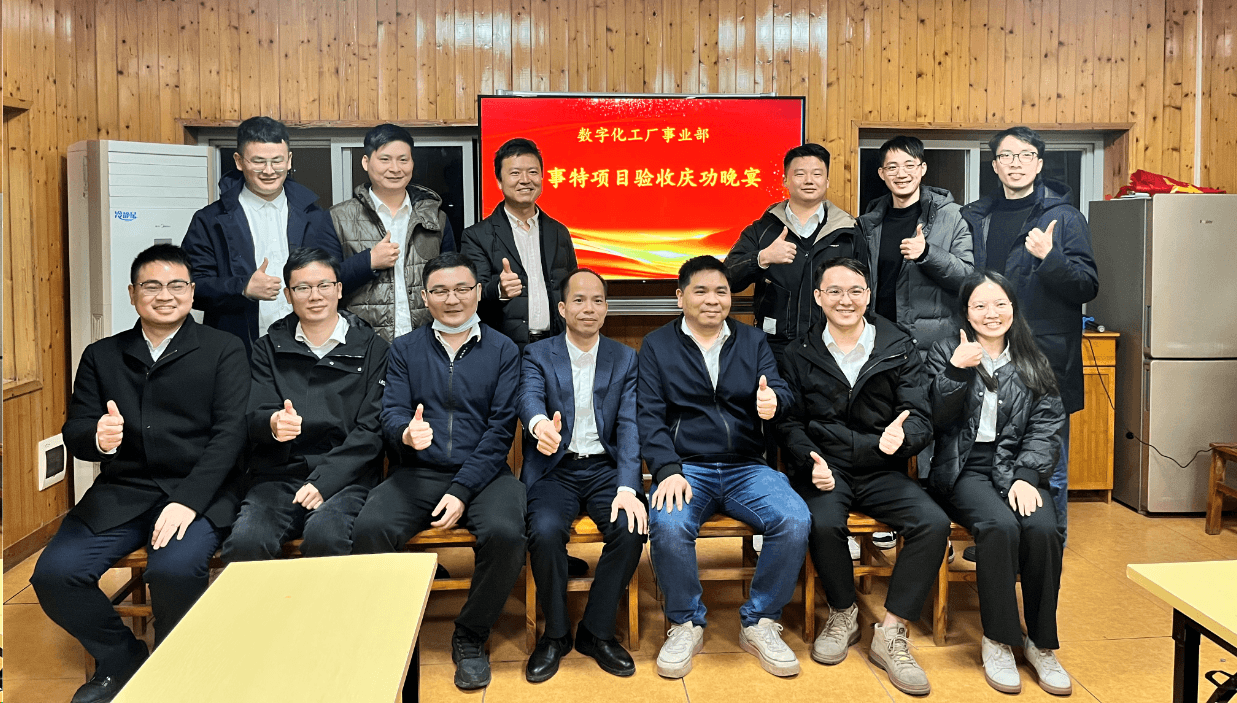
【易事特】项目验收会

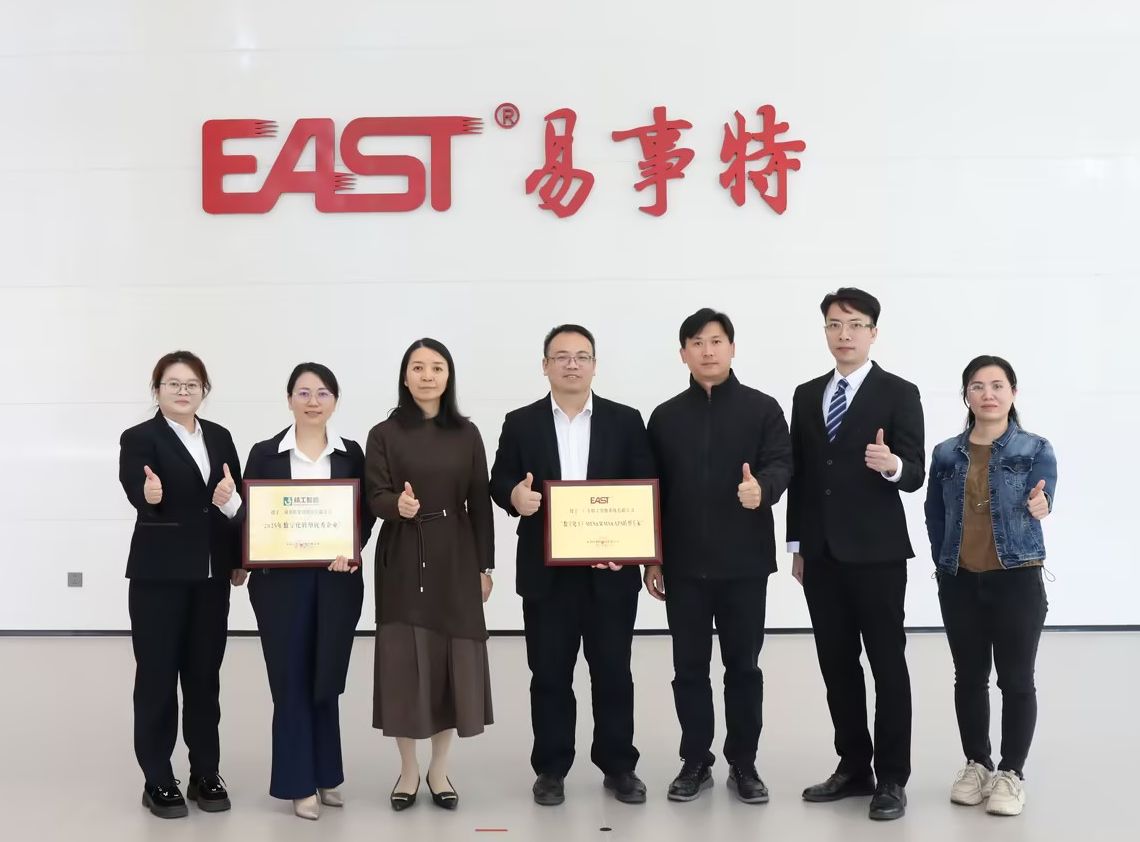
【易事特】项目验收
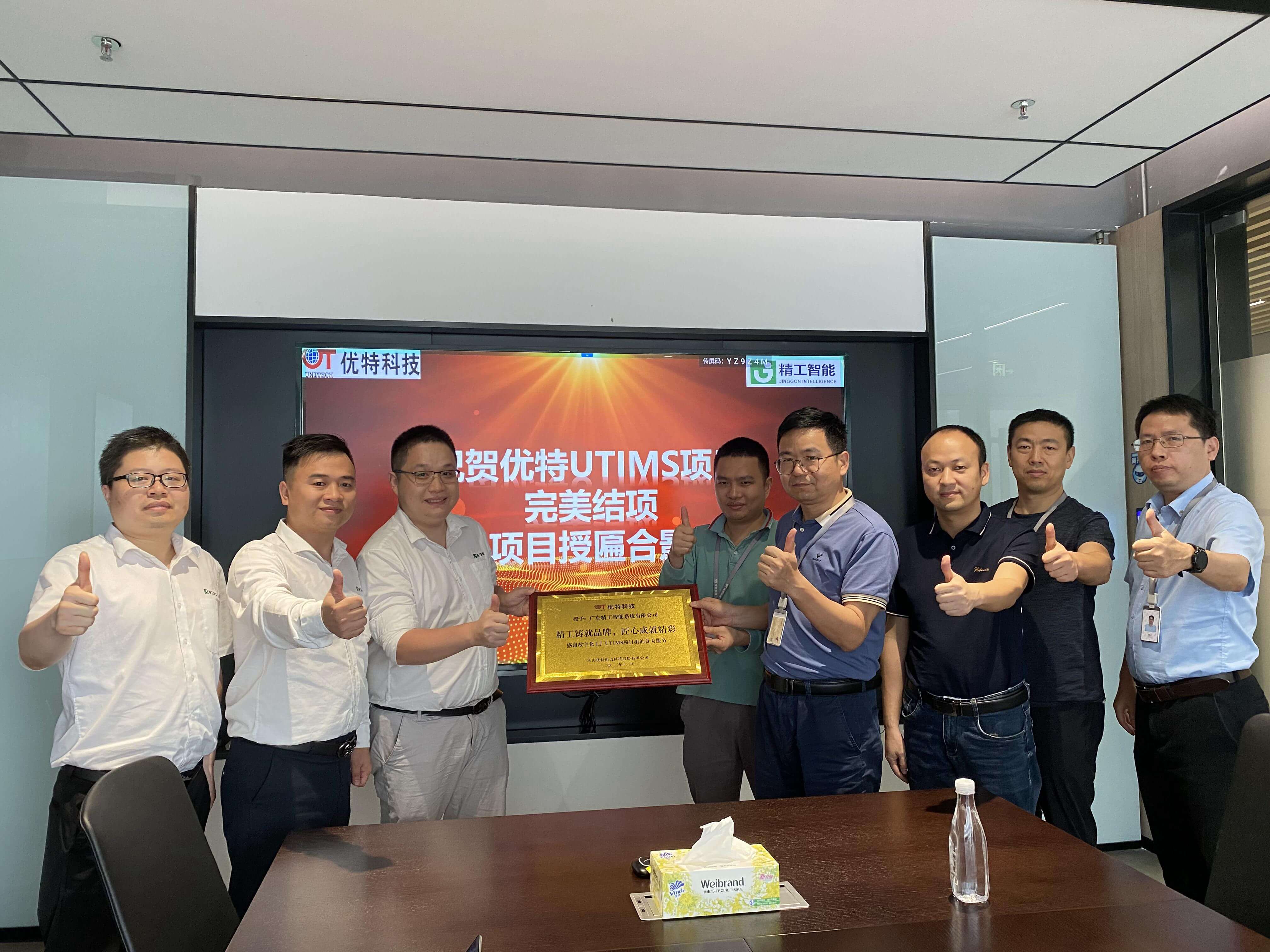
【优特科技】项目验收

【伟邦科技】项目验收
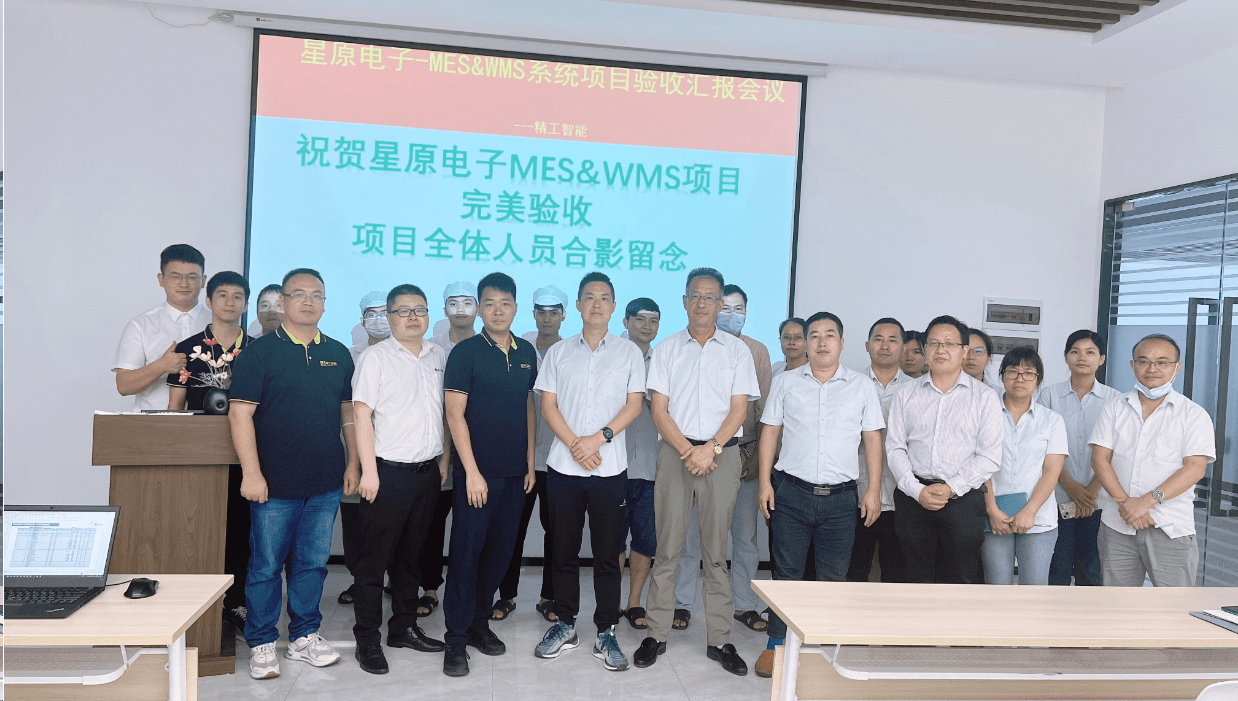
【星原电子】项目验收
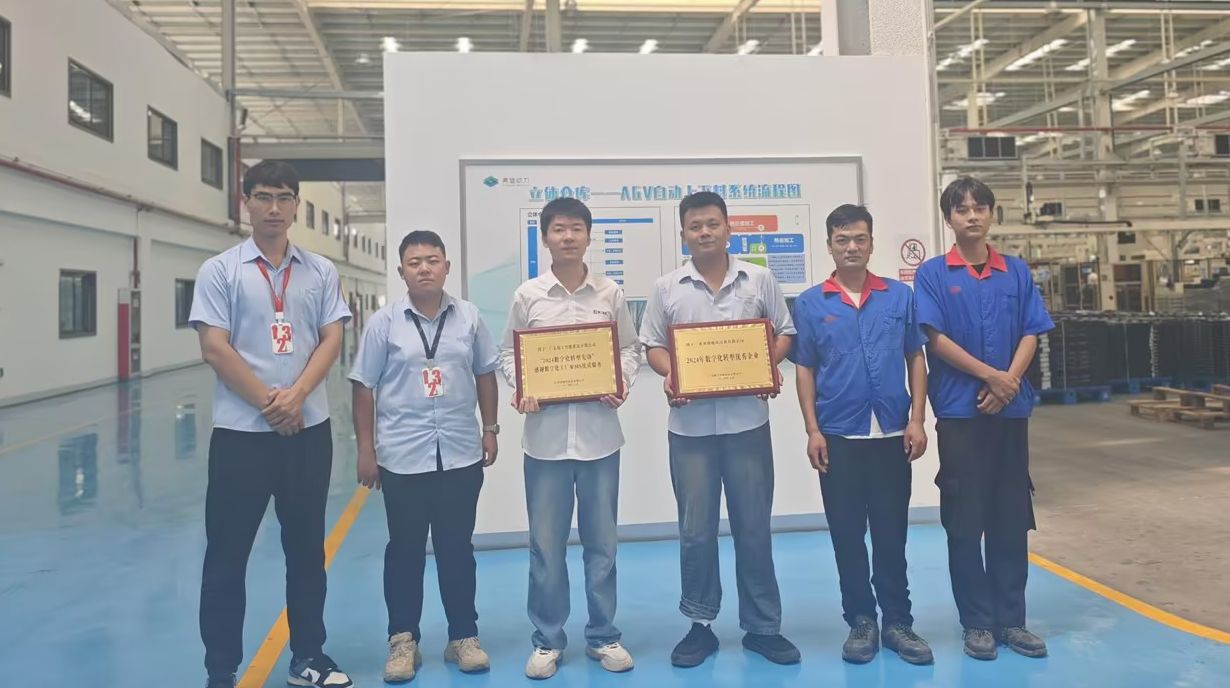
【比亚迪】项目验收
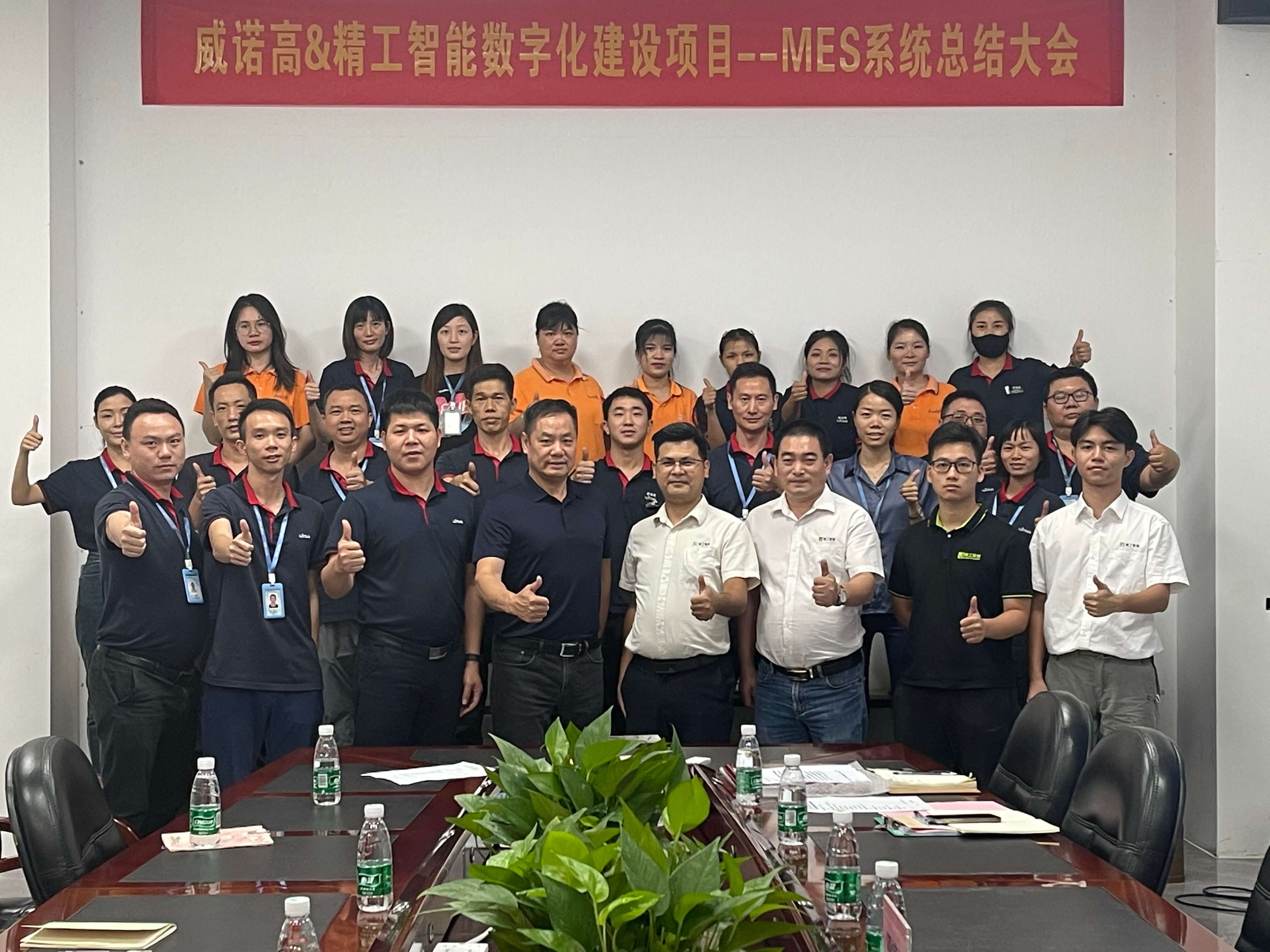
【威诺高】项目验收
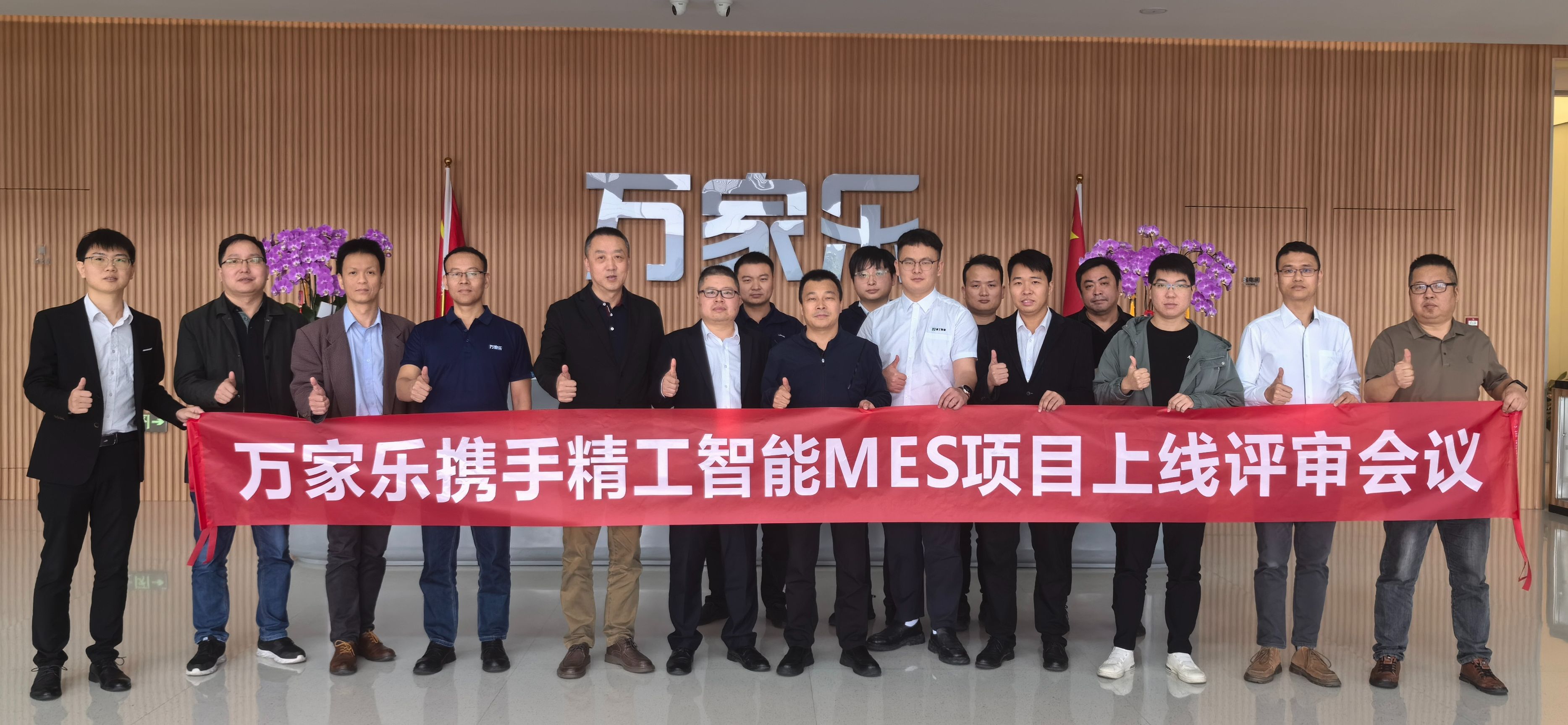
万家乐MES项目
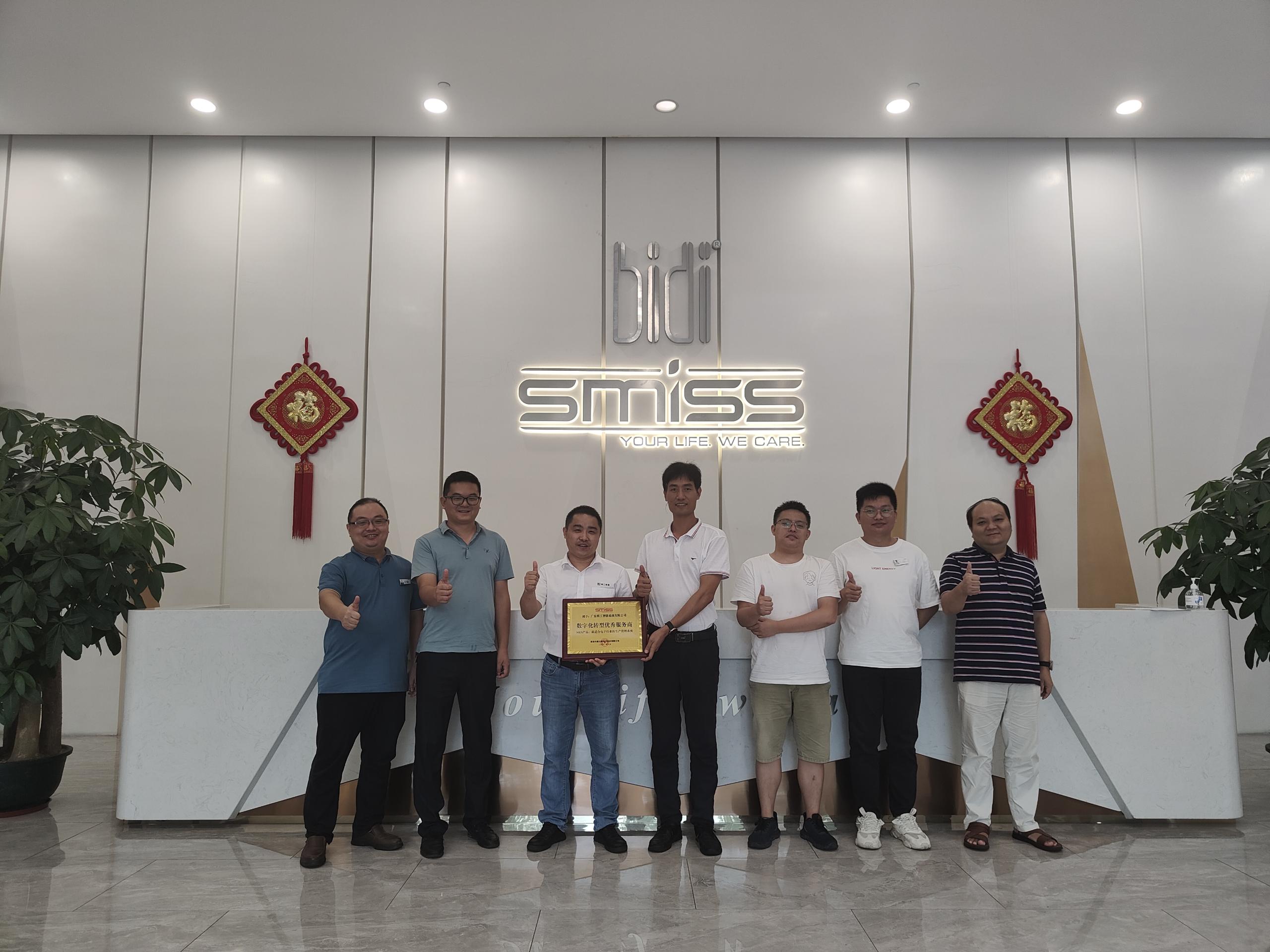
【赛尔美】项目验收
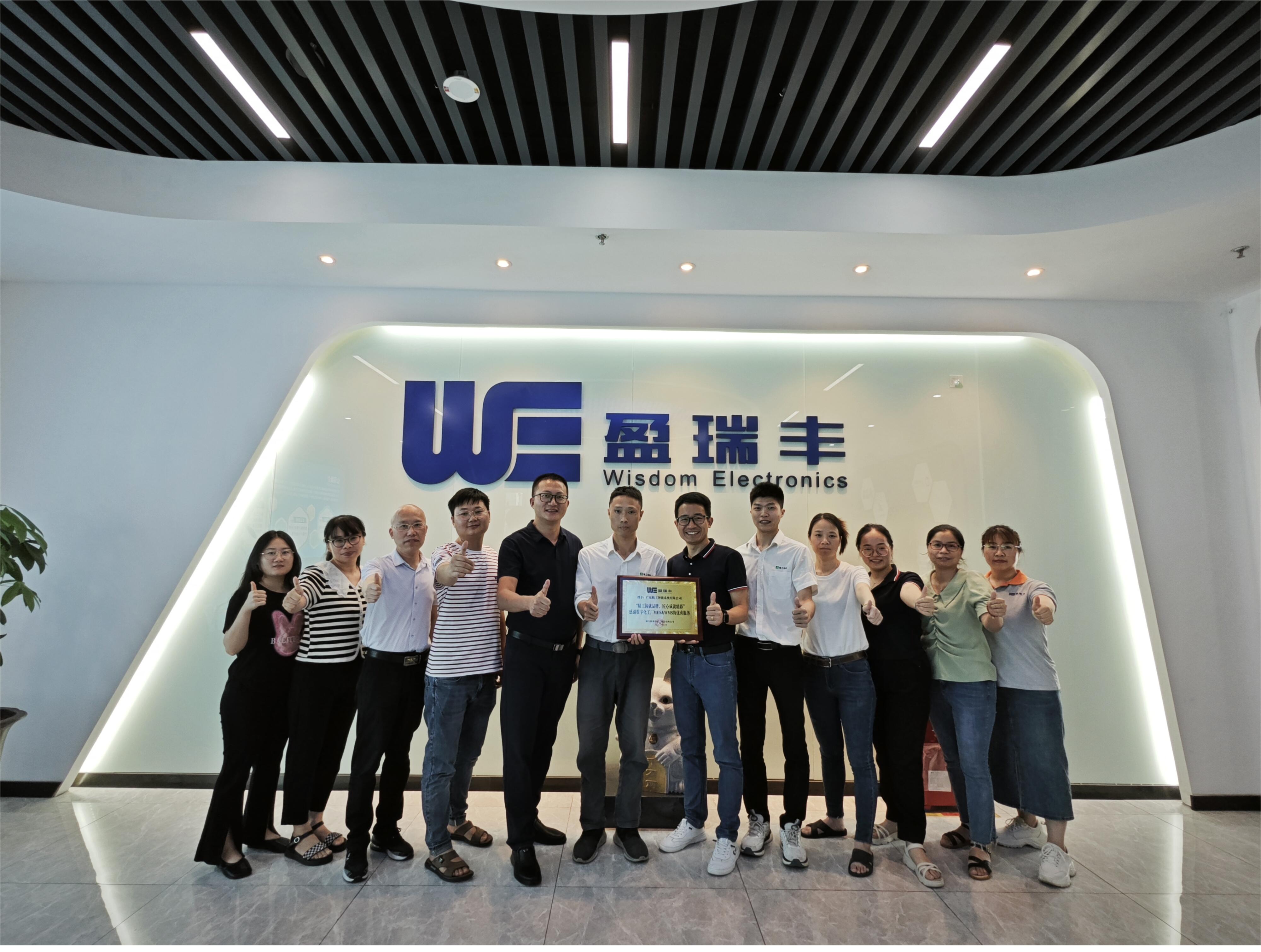
【盈瑞丰】项目验收
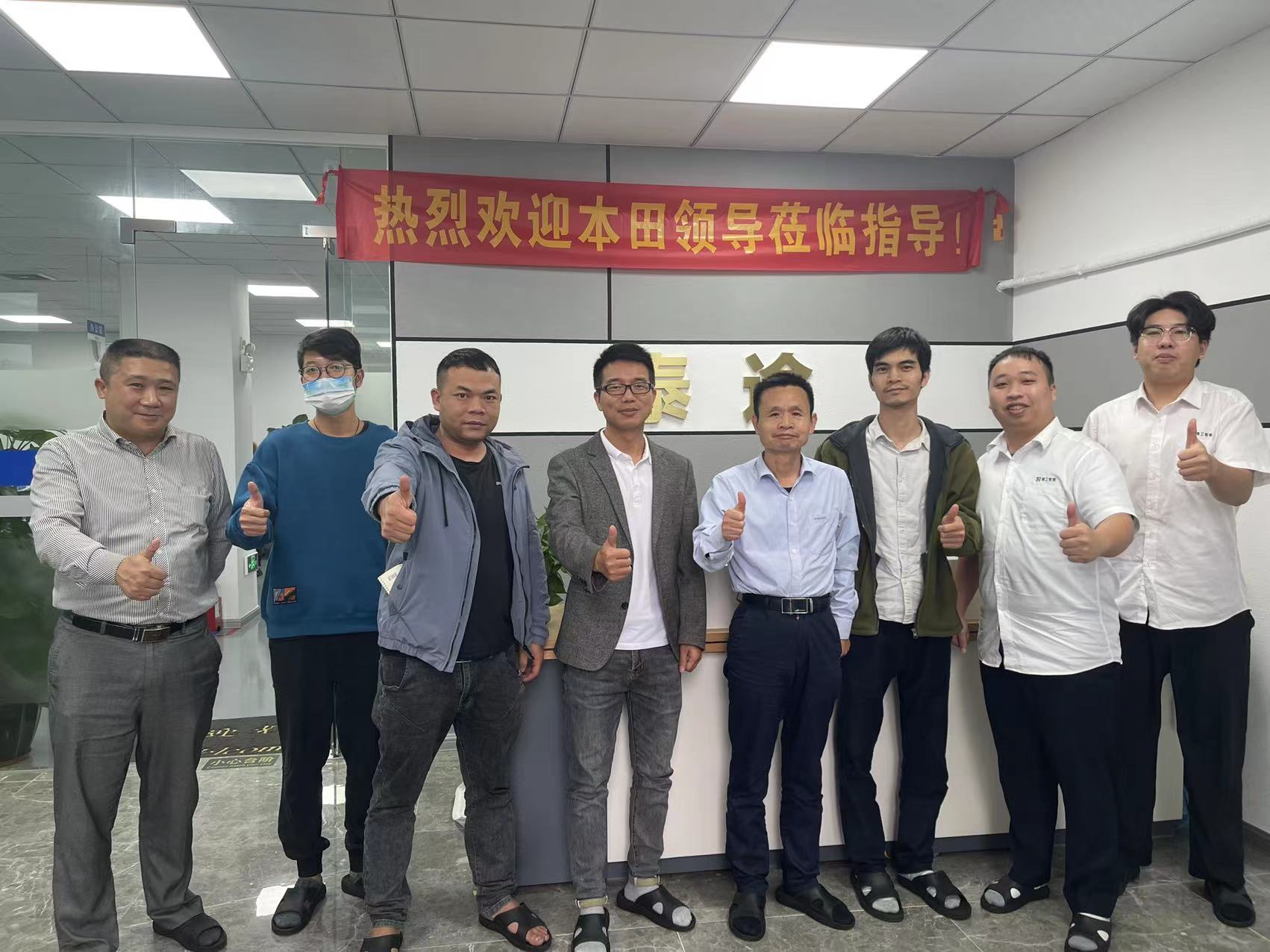
【泰途】项目验收
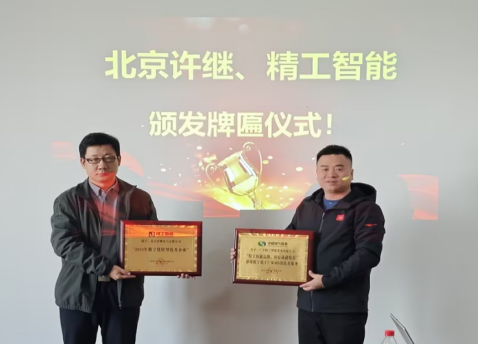
【许继集团】项目验收

【易事特】项目验收会

【易事特】项目验收
【优特科技】项目验收

【伟邦科技】项目验收

【星原电子】项目验收

【比亚迪】项目验收

【威诺高】项目验收

万家乐MES项目

【赛尔美】项目验收

【盈瑞丰】项目验收

【泰途】项目验收

【许继集团】项目验收
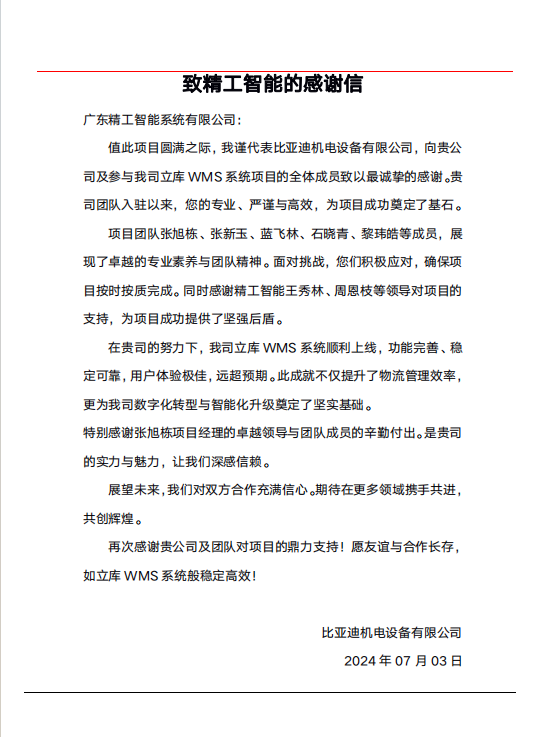
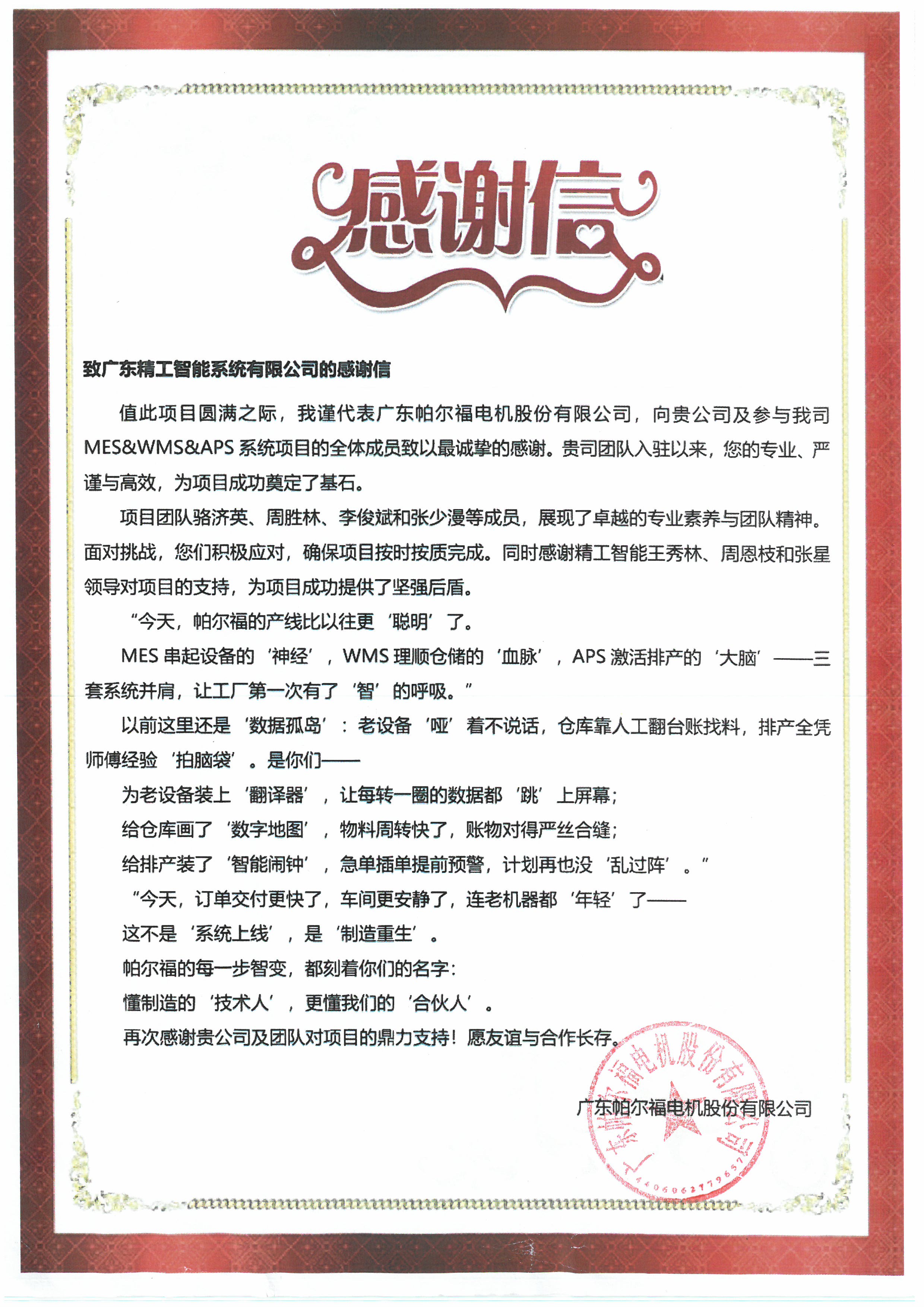
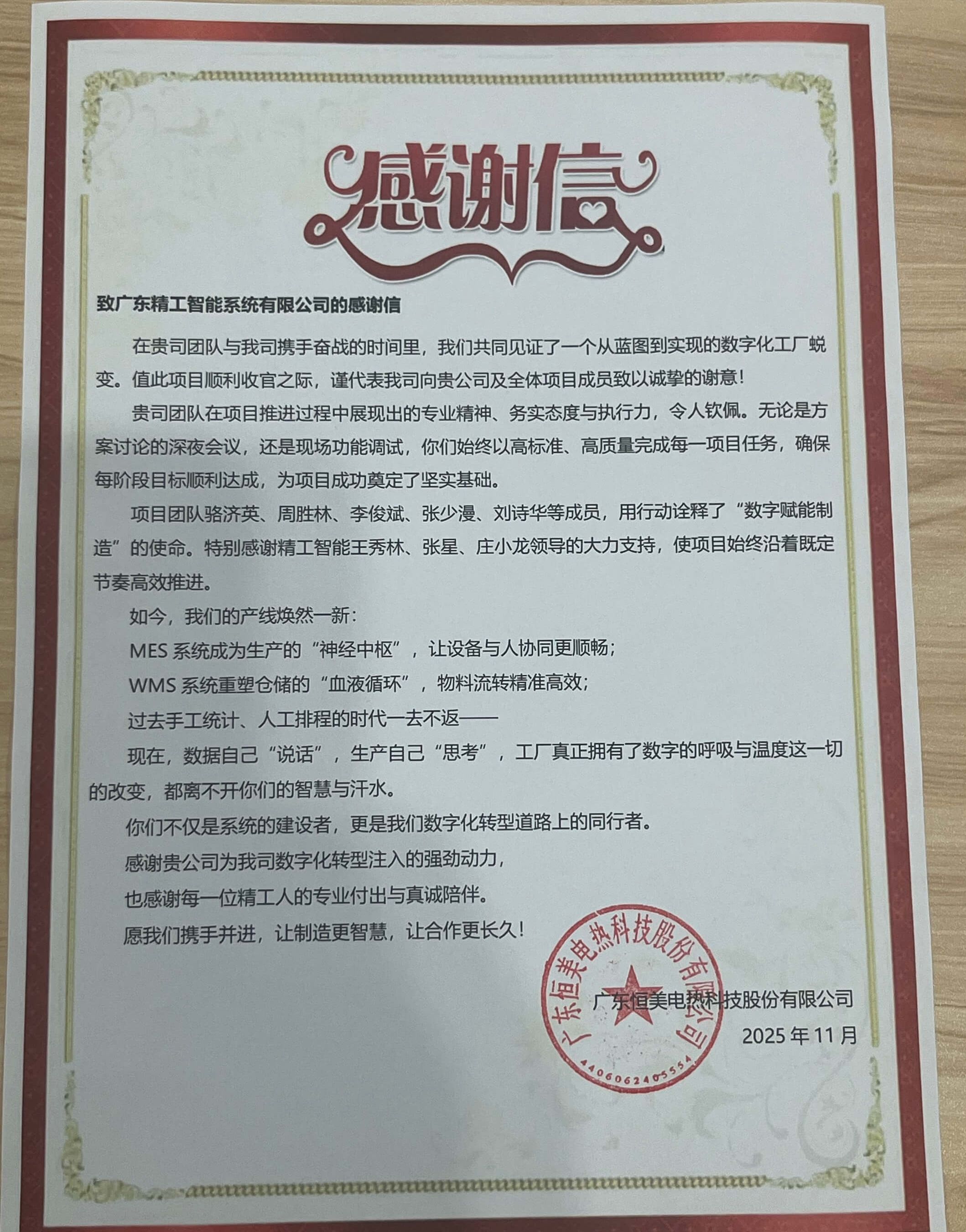
Letter of Thanks

【比亚迪】感谢信

【帕尔福】感谢信

【恒美】感谢信

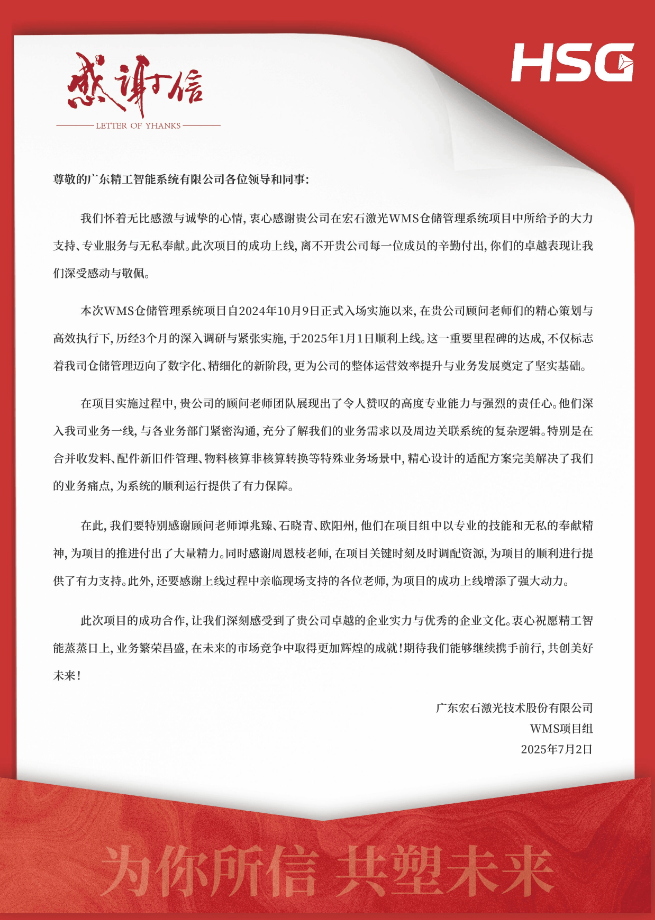
【宏石激光】感谢信
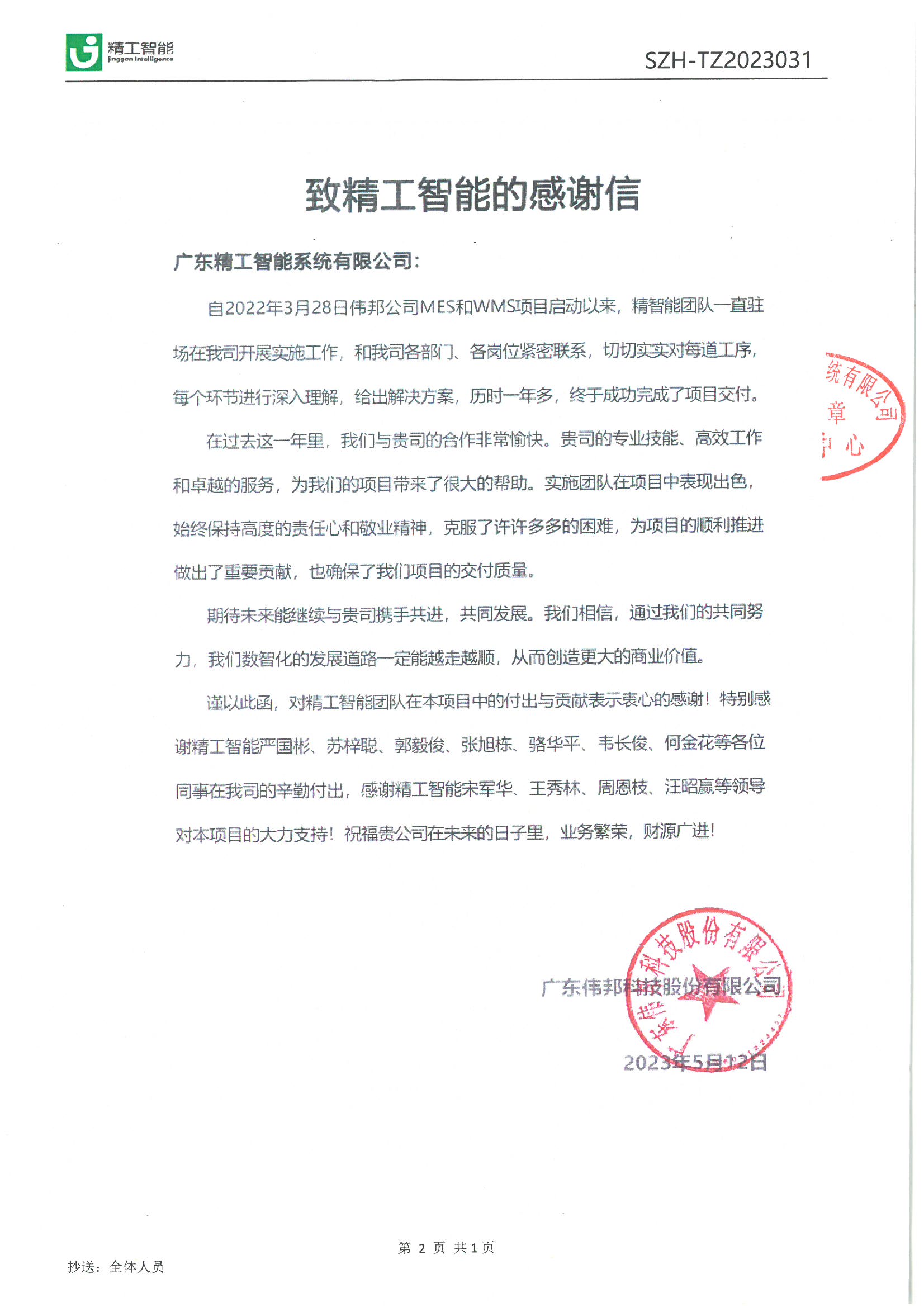
【伟邦科技】感谢信
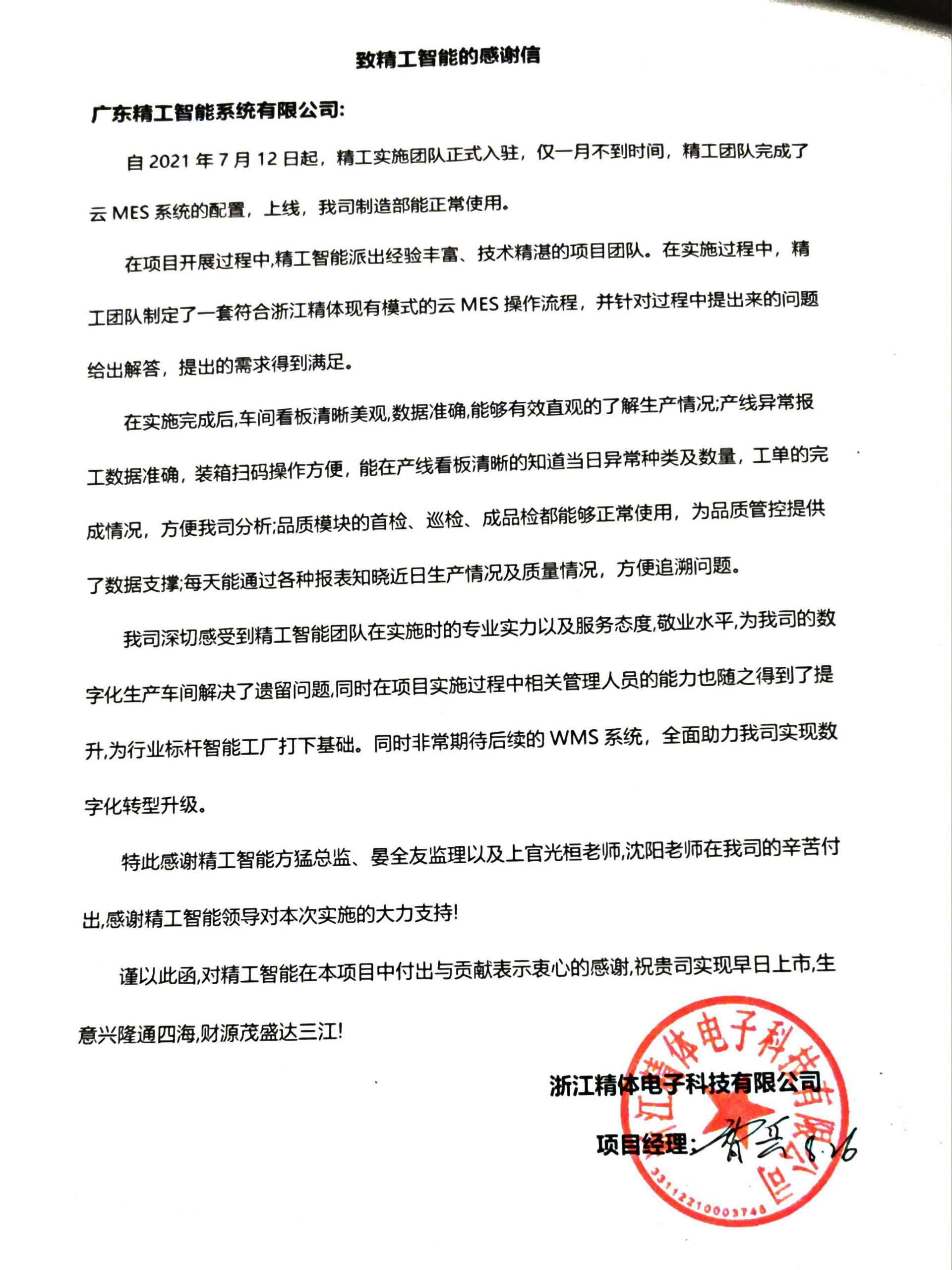
【精体电子】感谢信
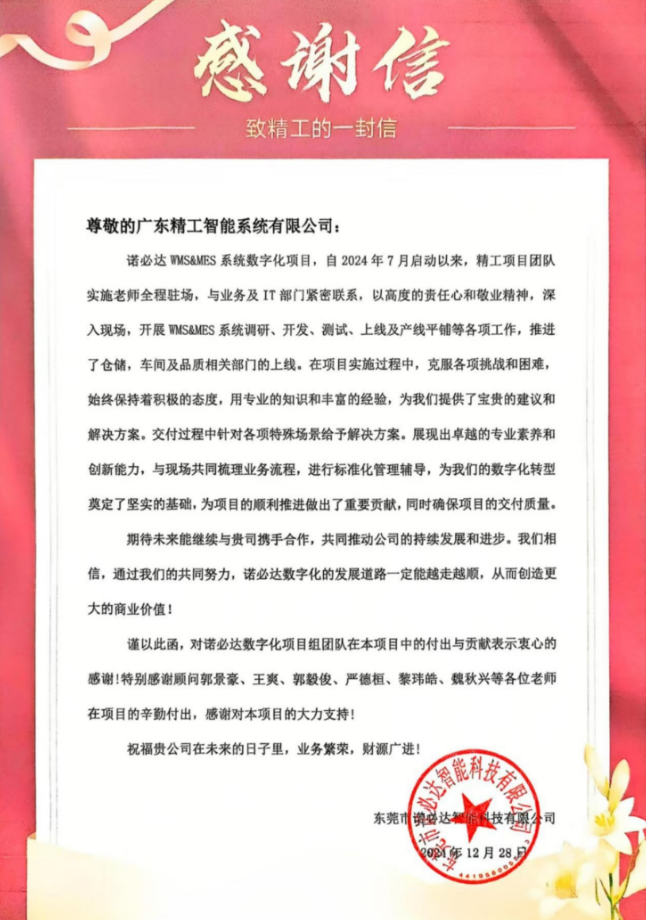
【诺必达】感谢信
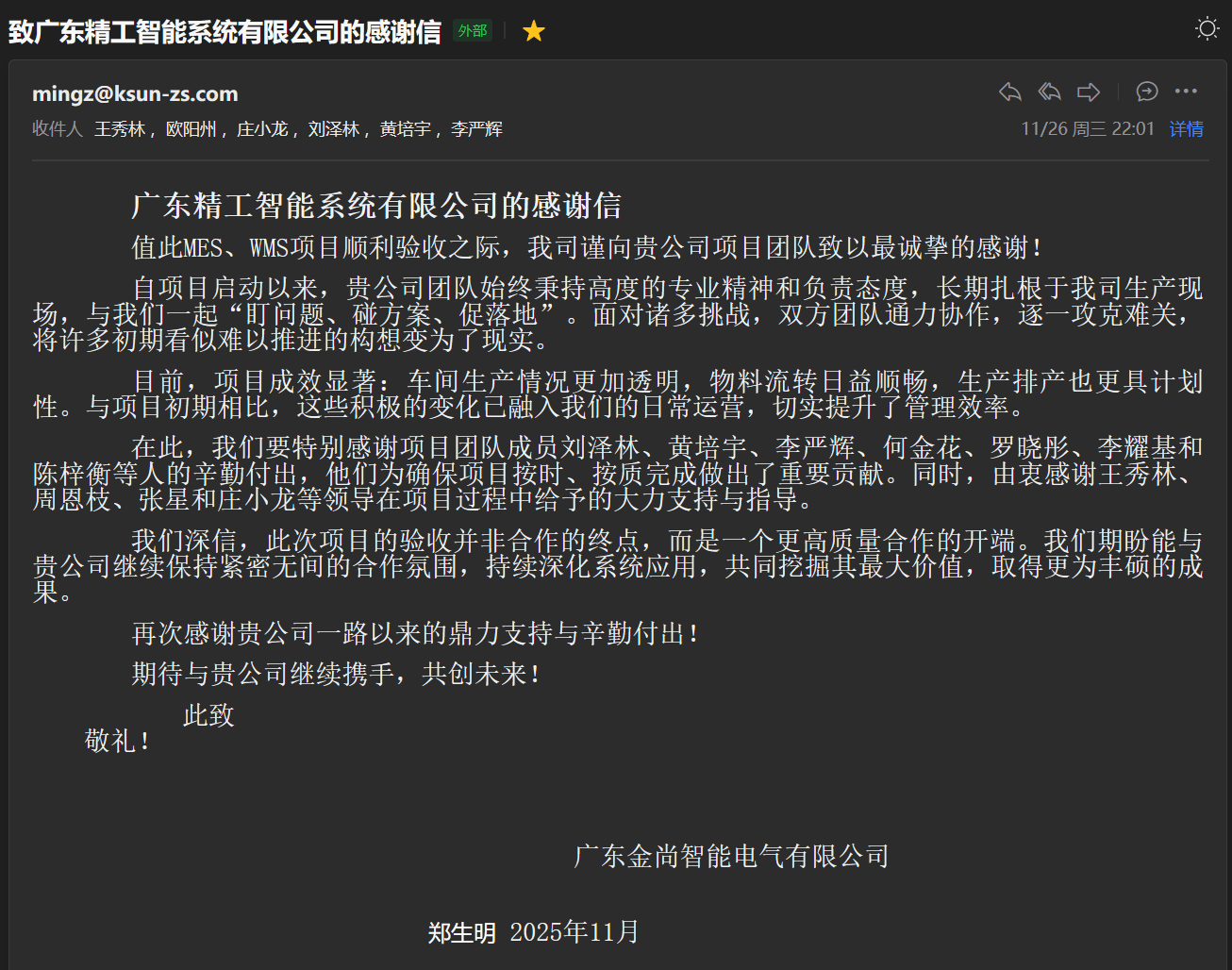
【金尚智能】感谢信
.png)
【赛尔美】感谢信

【比亚迪】感谢信

【帕尔福】感谢信

【恒美】感谢信

【宏石激光】感谢信

【伟邦科技】感谢信

【精体电子】感谢信

【诺必达】感谢信

【金尚智能】感谢信
.png)
【赛尔美】感谢信
Awards & Honors

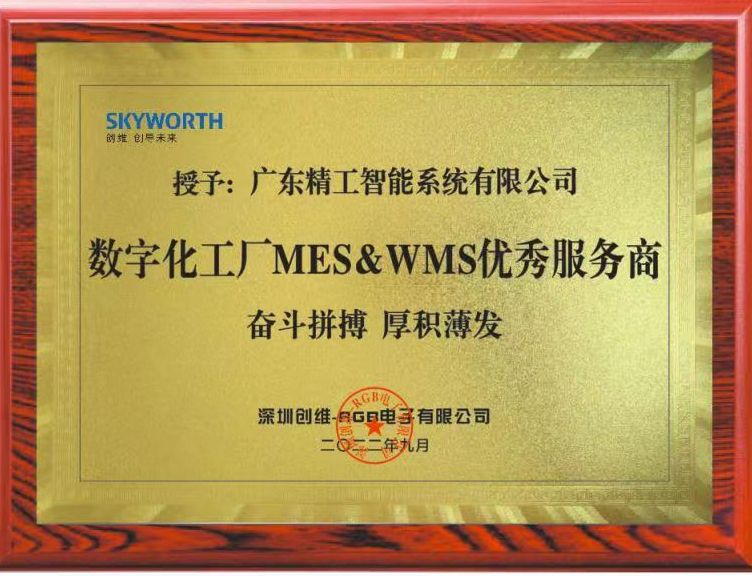
【创维集团】赠送牌匾

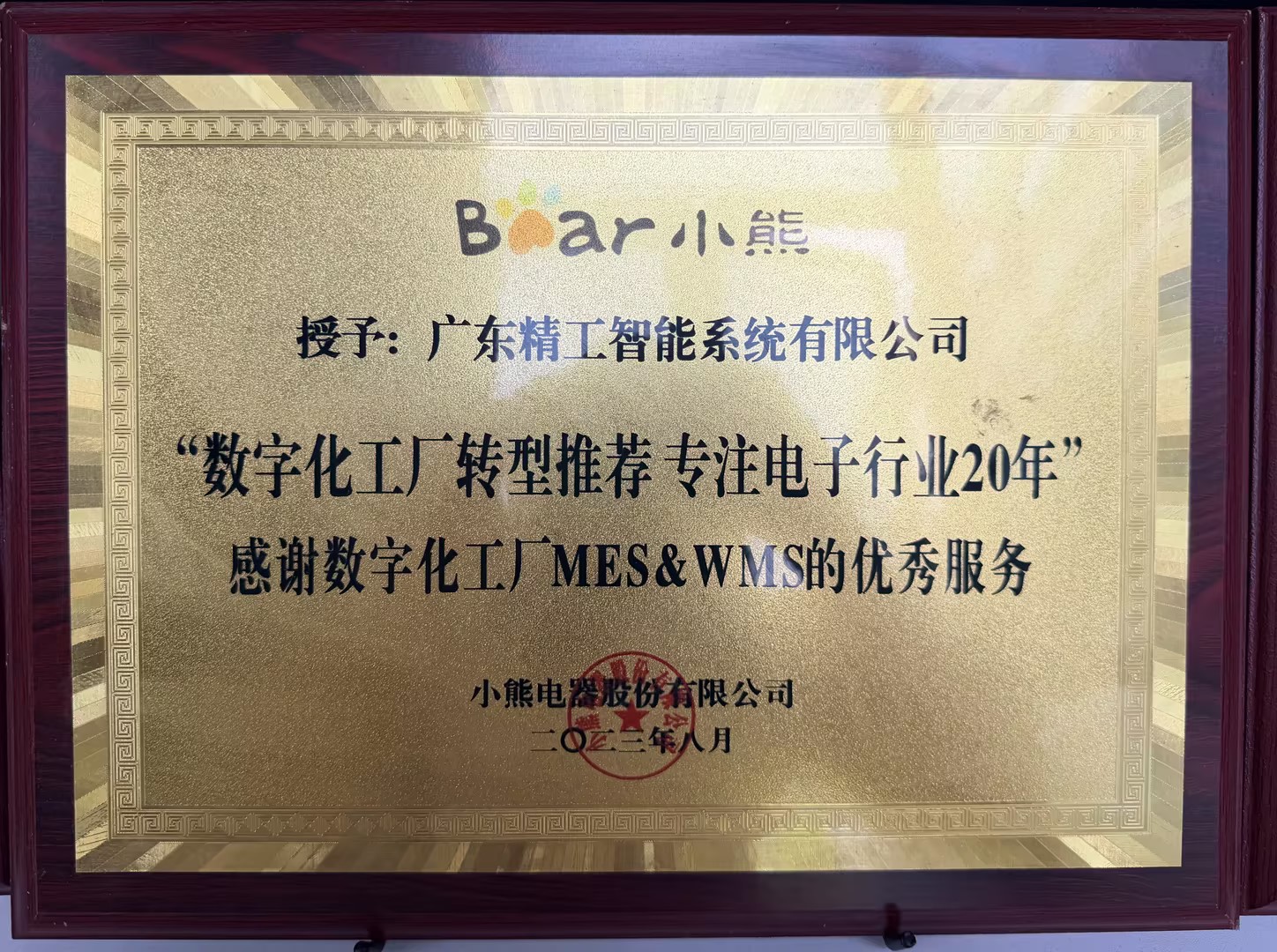
【小熊电器】赠送牌匾

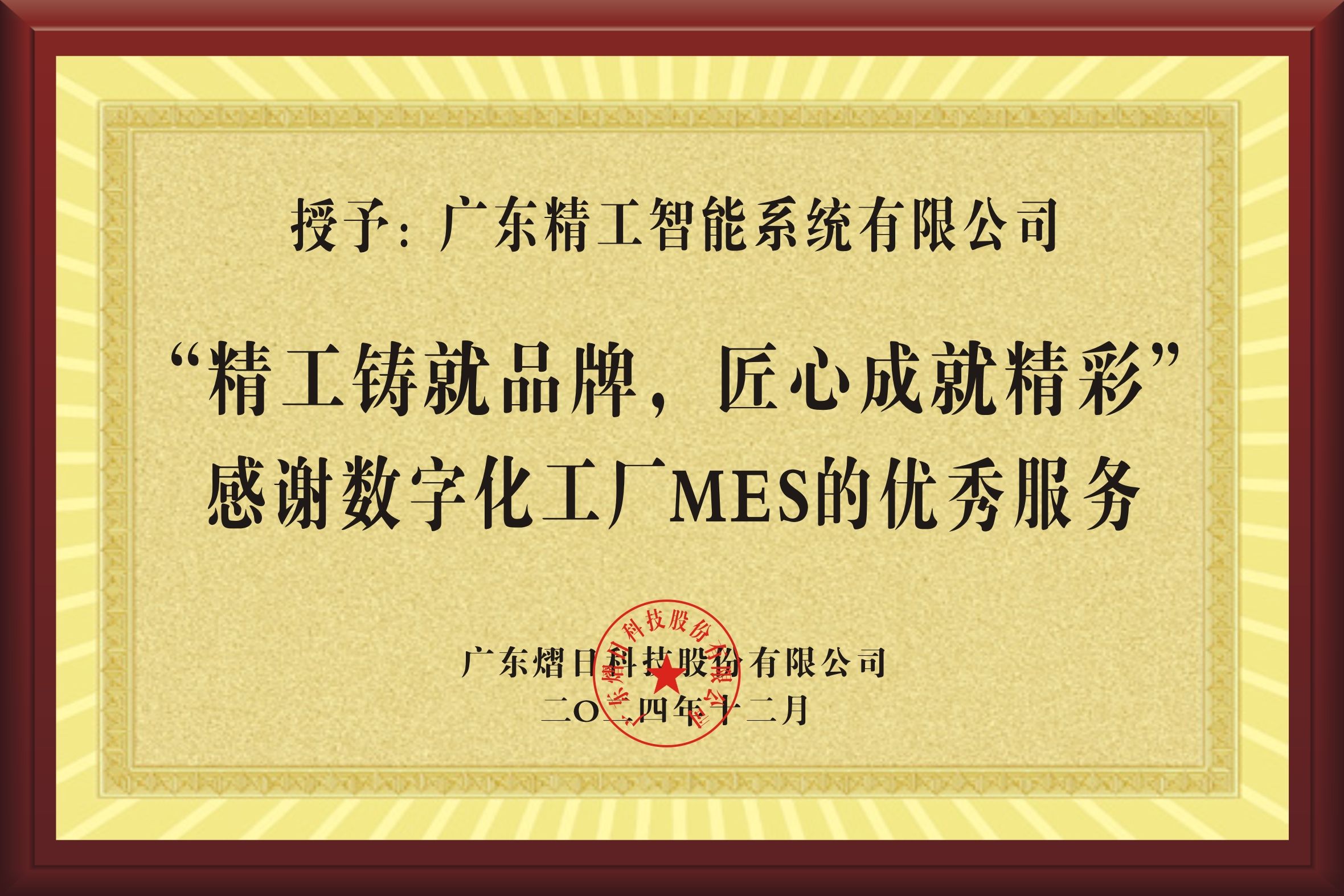
【熠日照明】赠送牌匾

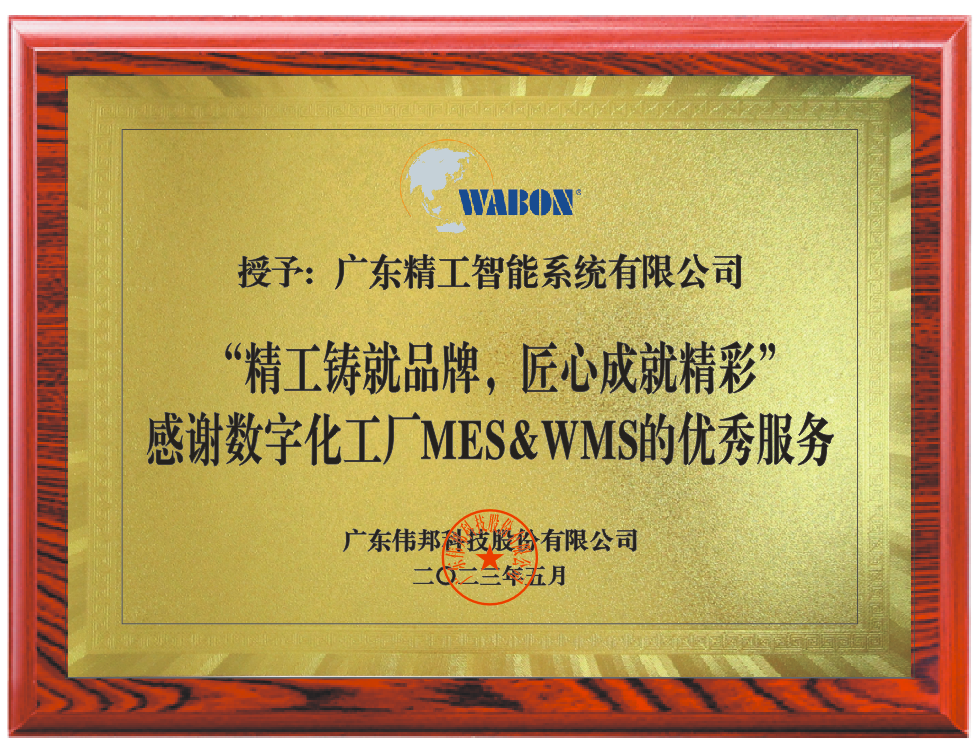
【伟邦科技】赠送牌匾
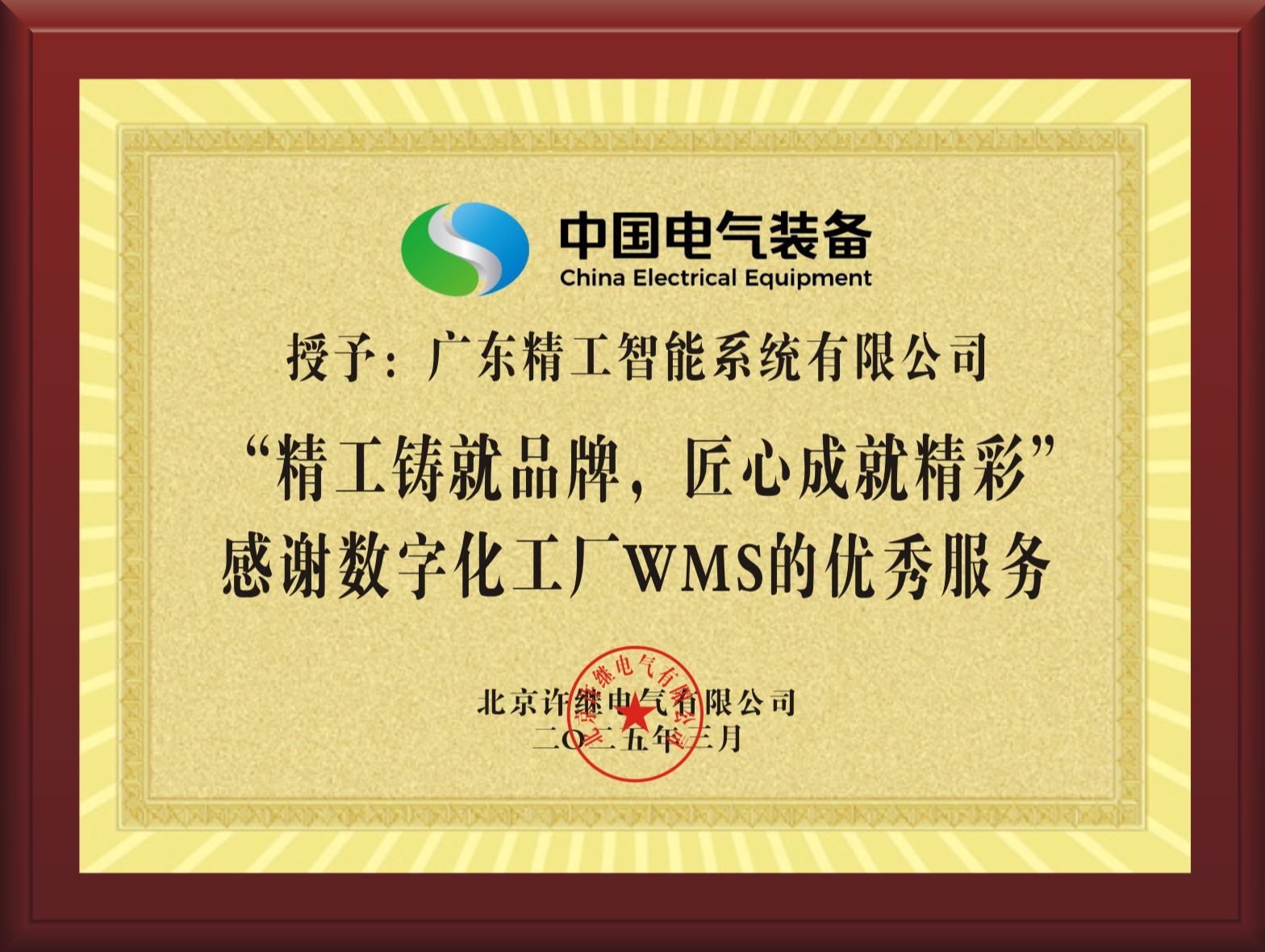
【许继集团】赠送牌匾

【优特电力】赠送牌匾
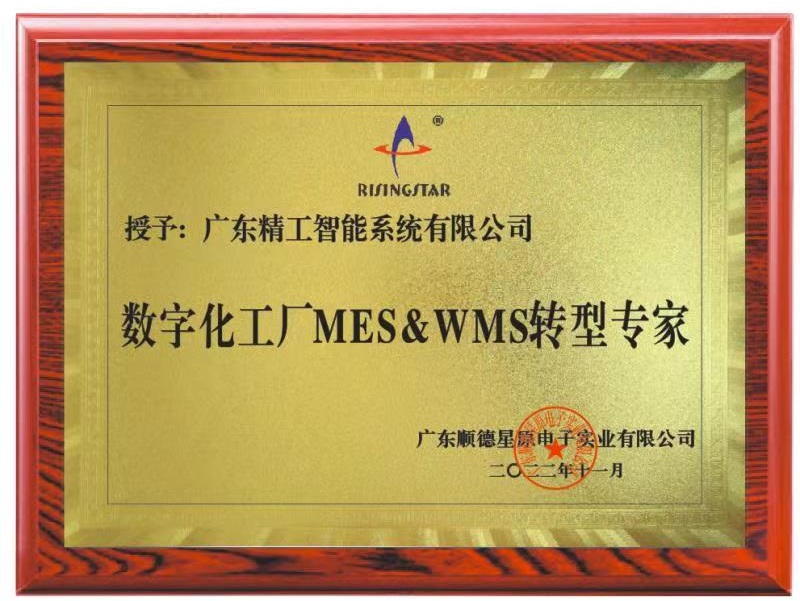
【星原电子】赠送牌匾
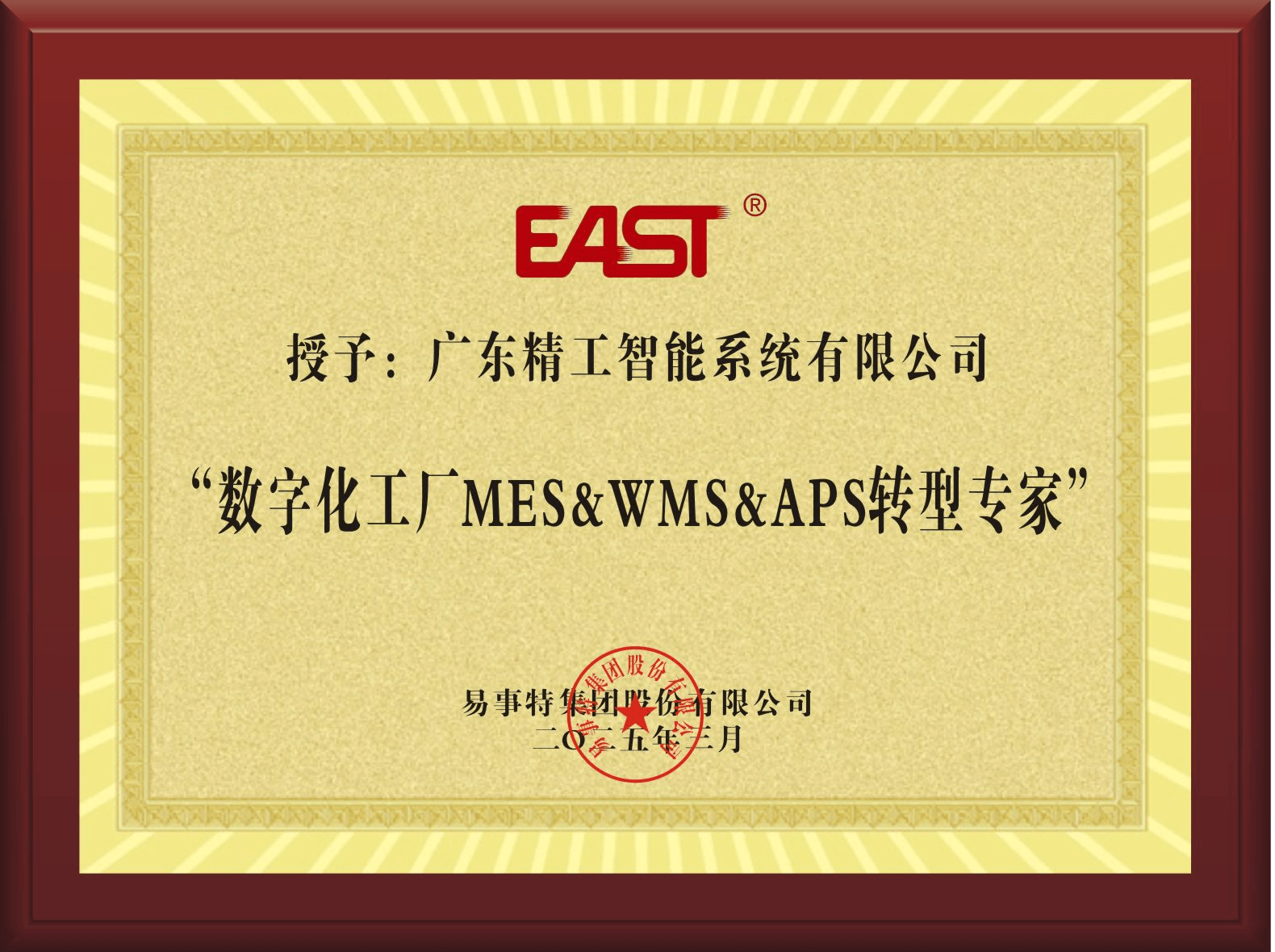
【易事特】赠送牌匾
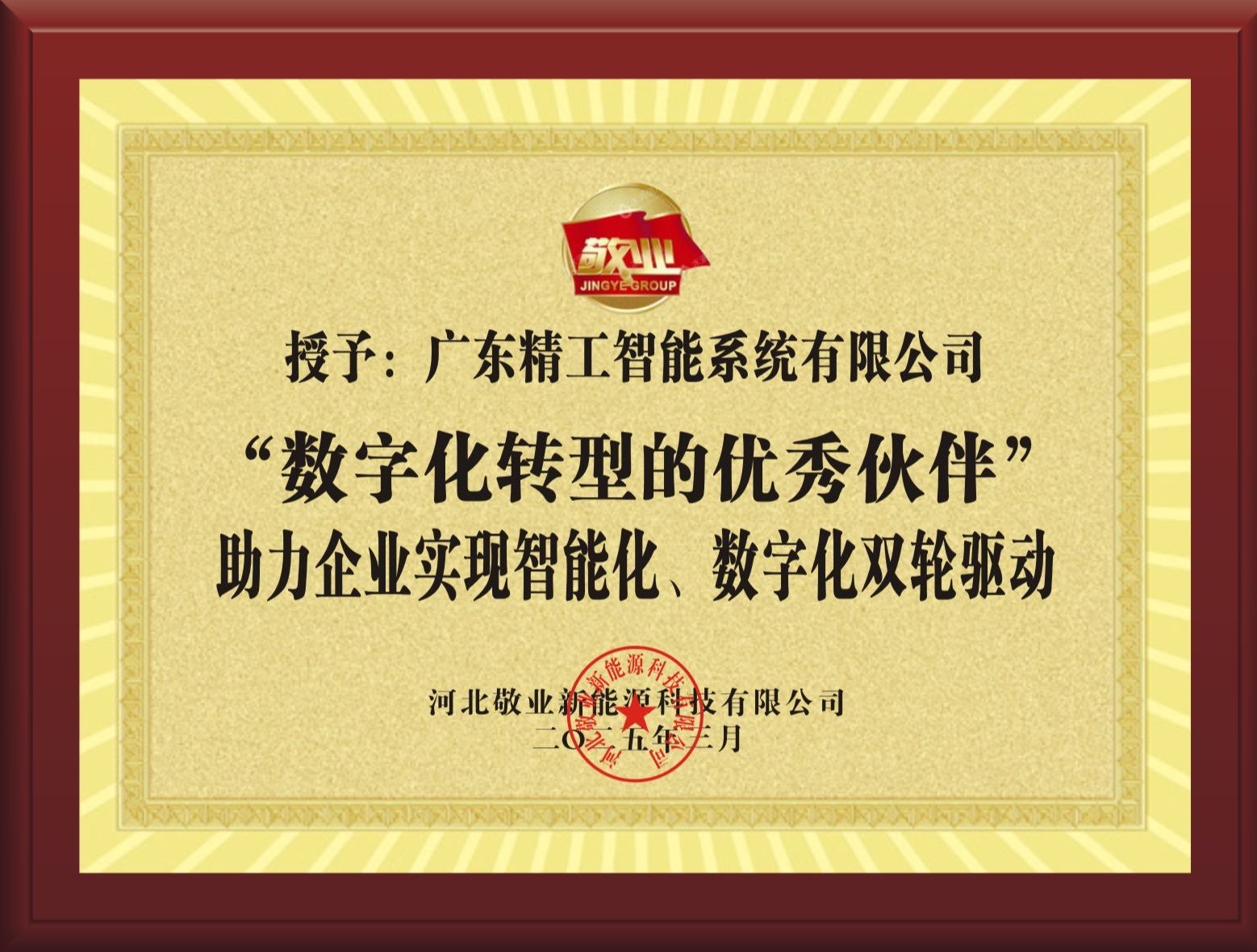
【敬业集团】赠送牌匾
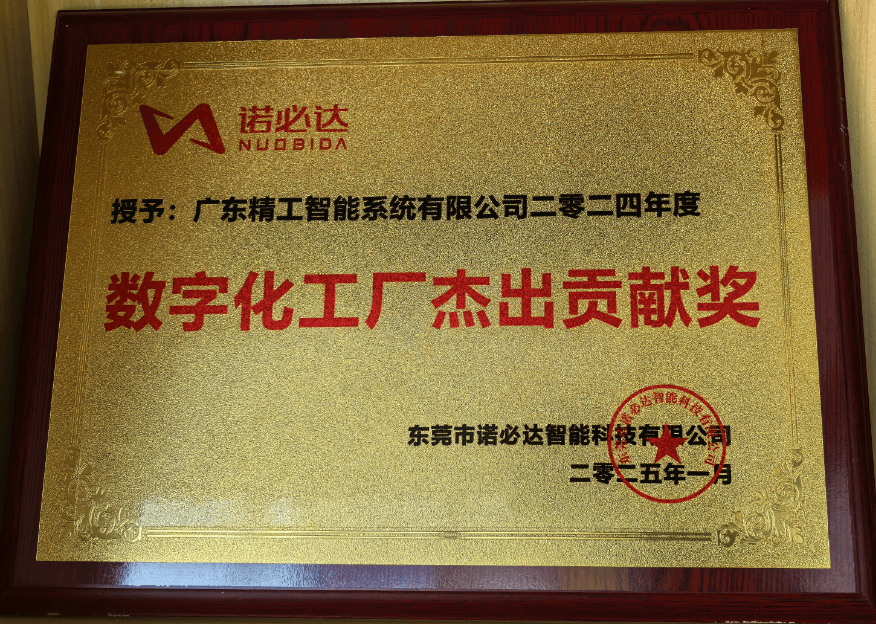
【诺必达】赠送牌匾
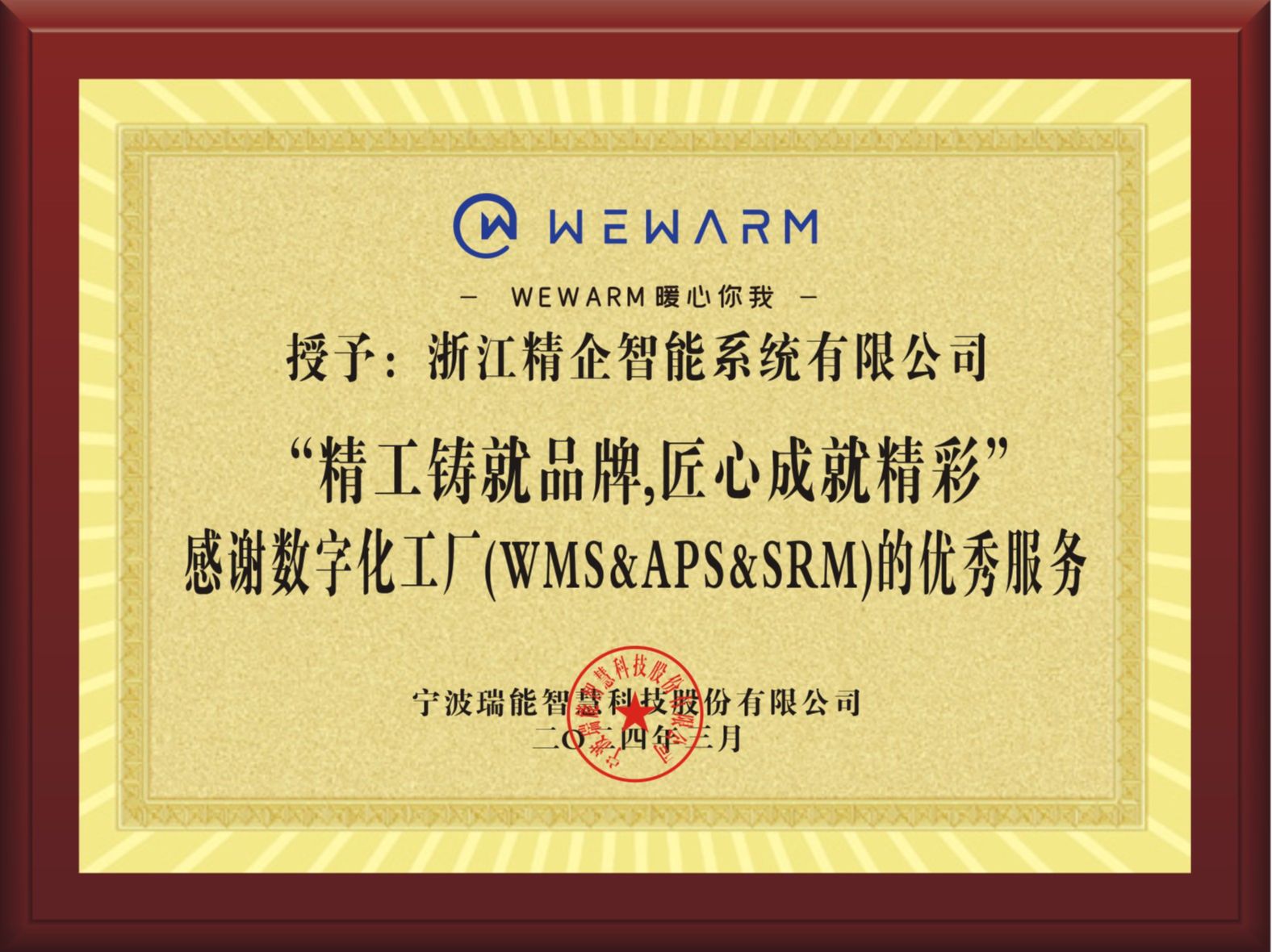
【瑞能智慧】赠送牌匾
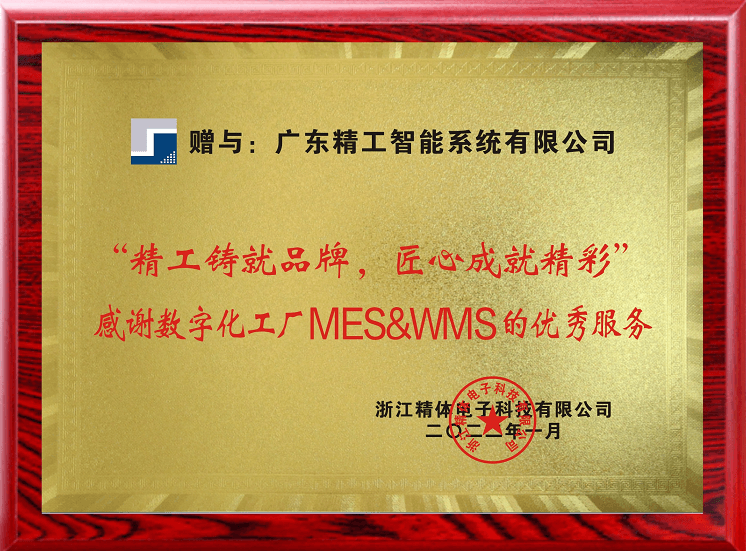
【精体电子】赠送牌匾
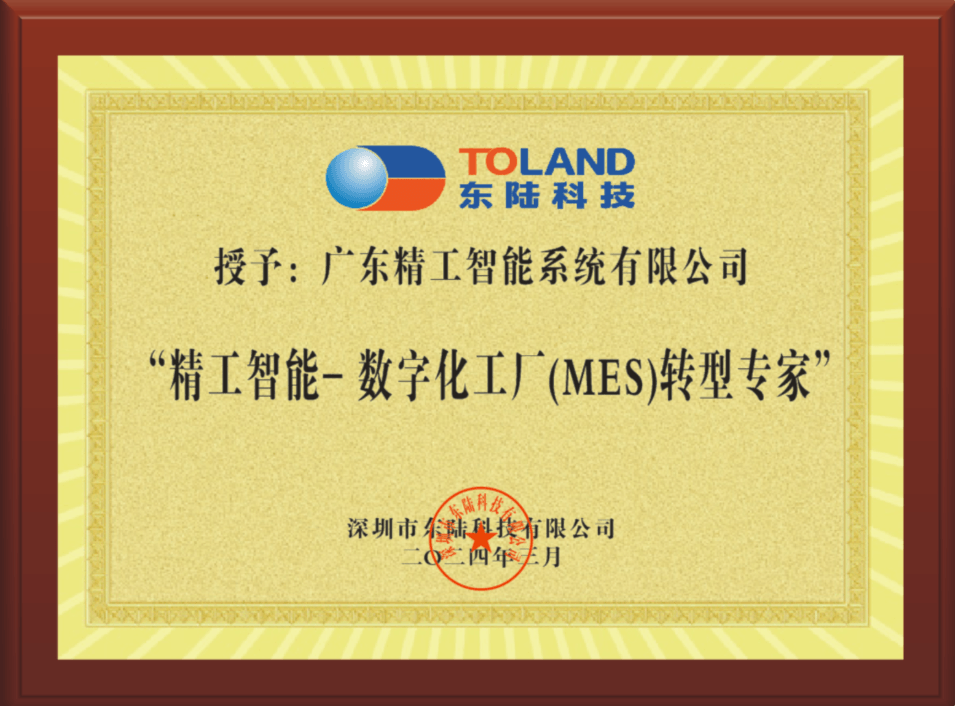
【东陆科技】赠送牌匾
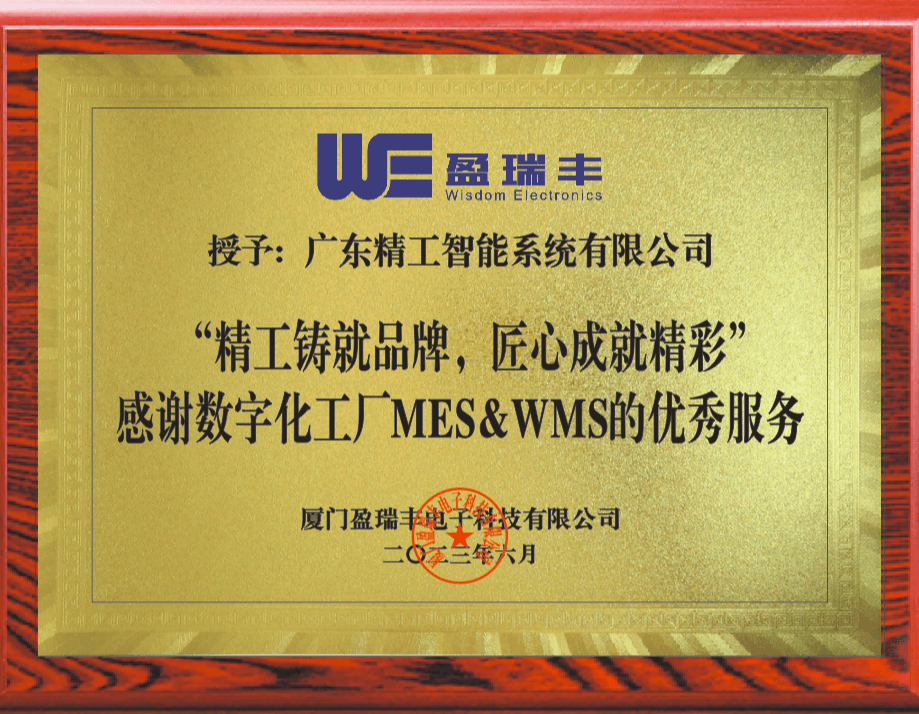
【盈瑞丰】赠送牌匾
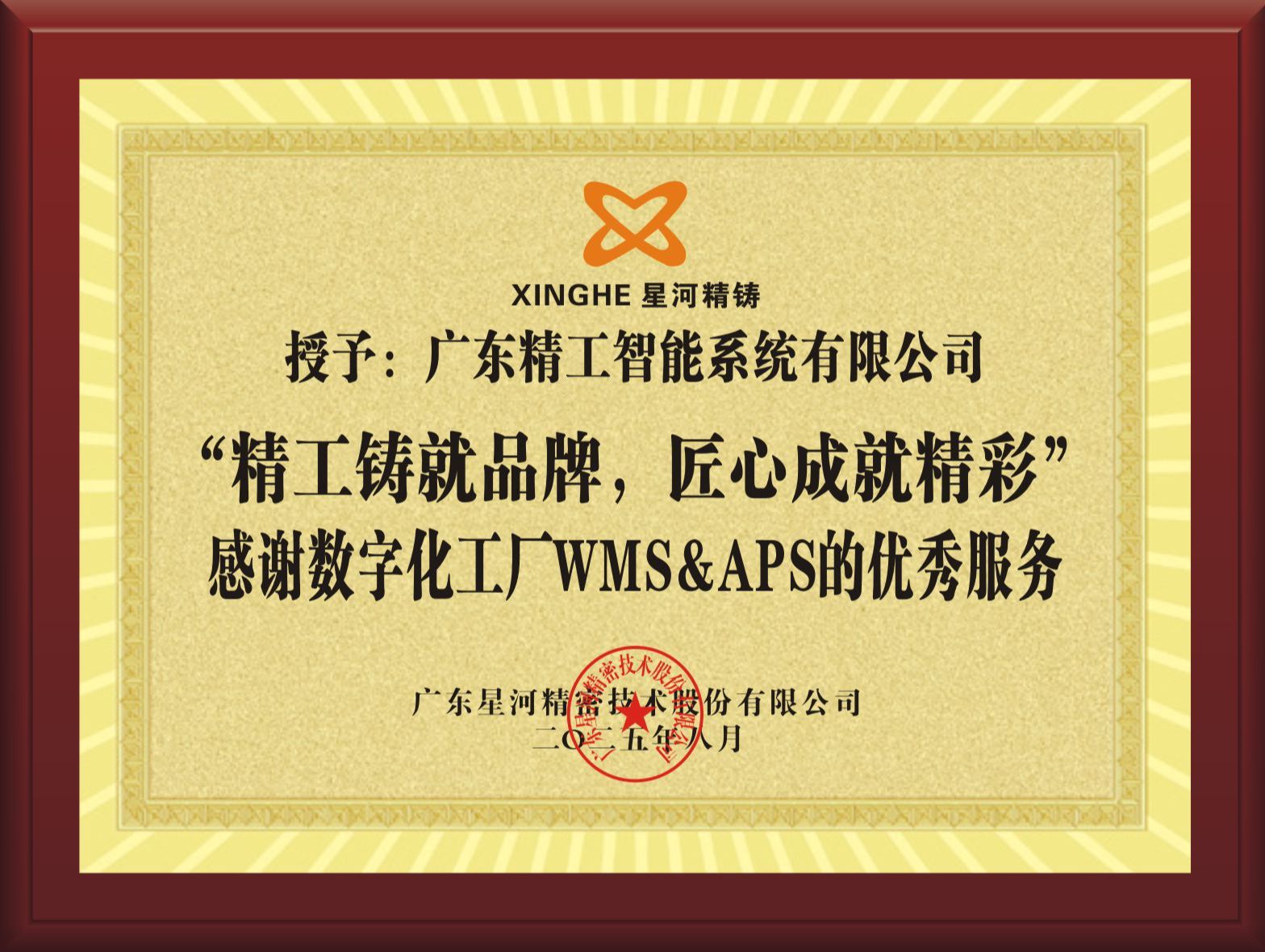
【星河精密】赠送牌匾
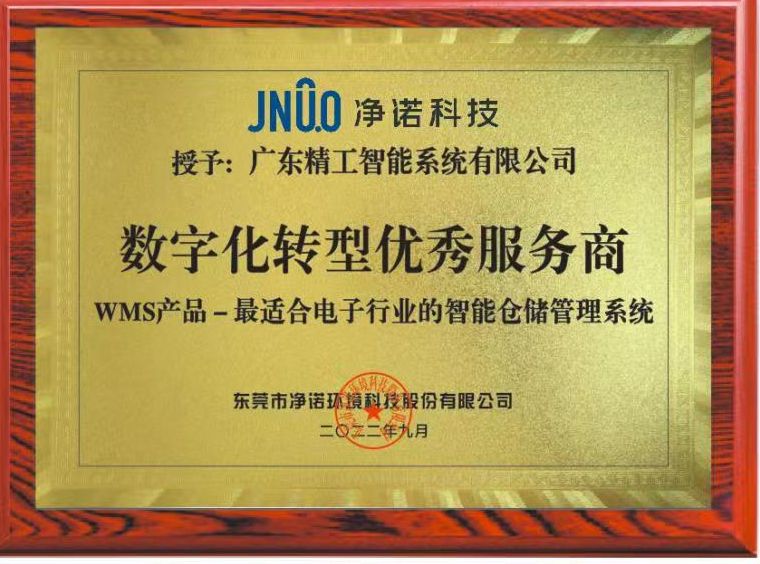
【净诺环境】赠送牌匾
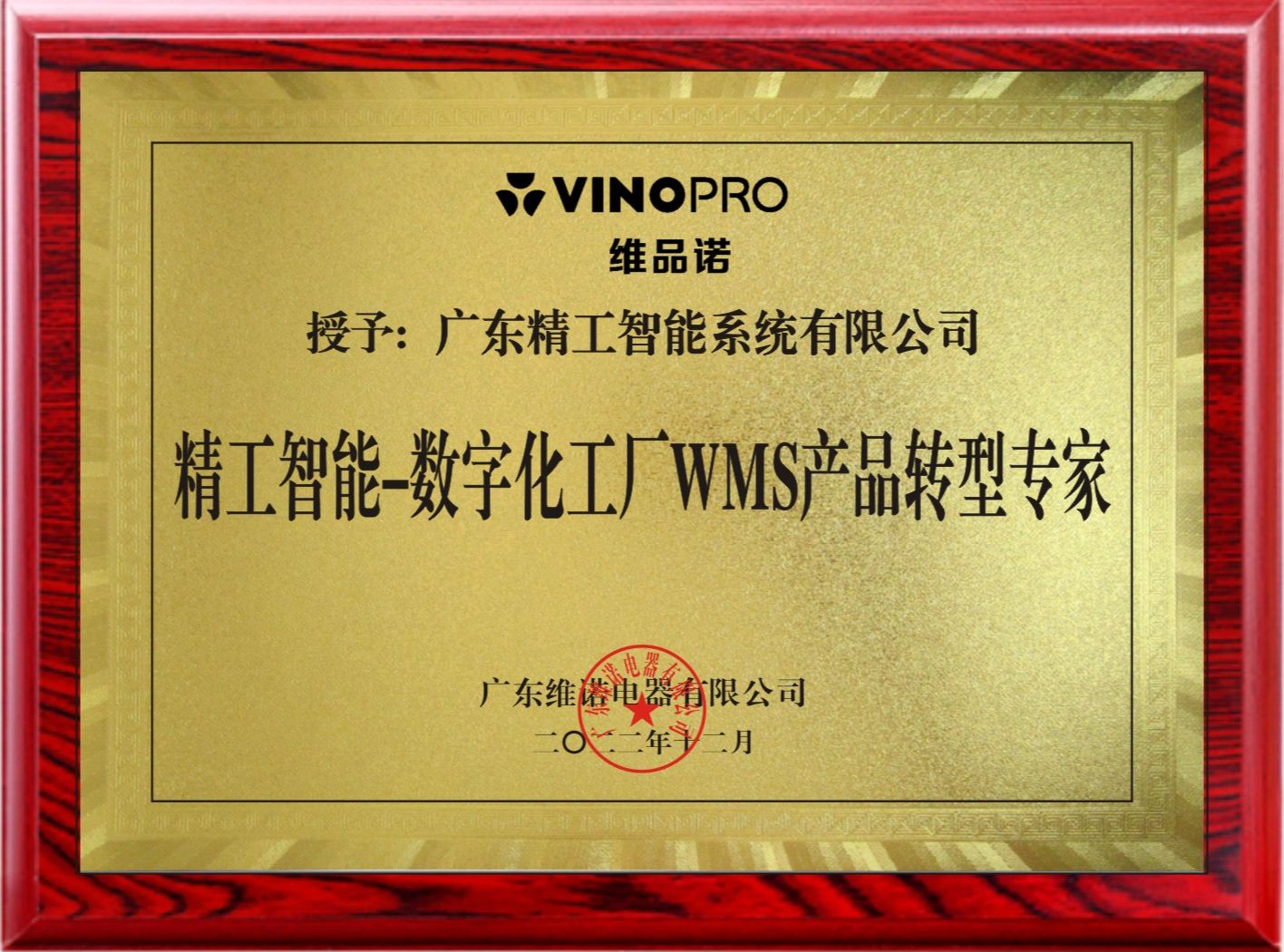
【维诺电器】赠送牌匾
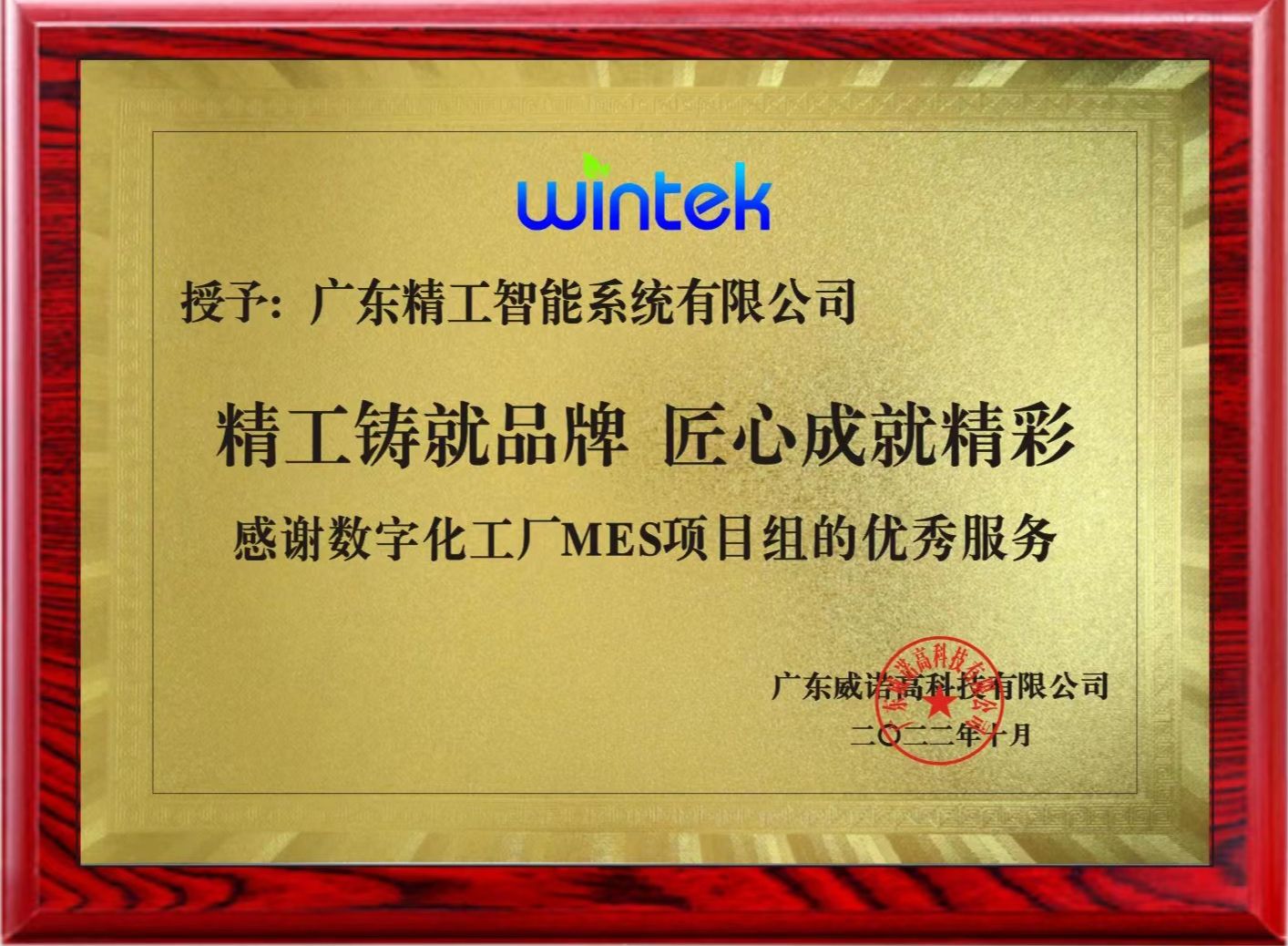
【威诺高】赠送牌匾
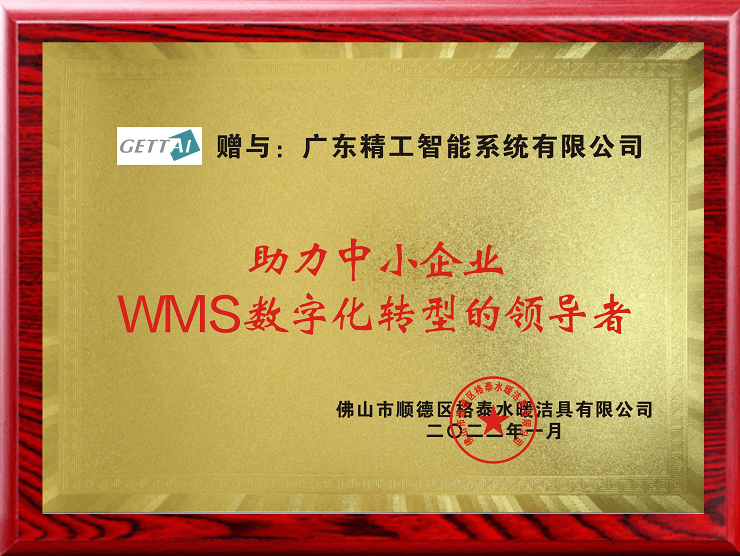
【格泰水暖】赠送牌匾
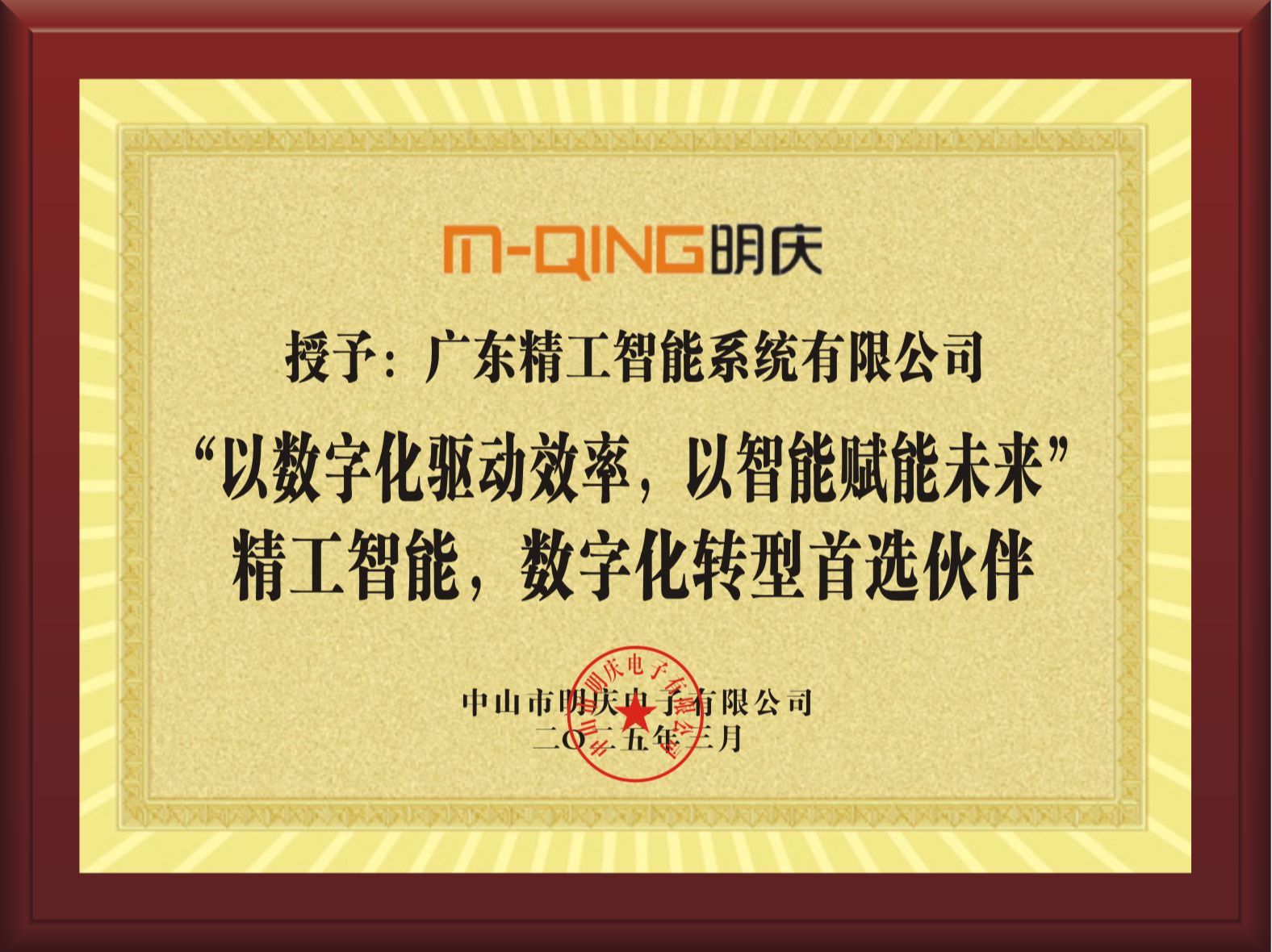
【明庆电子】赠送牌匾
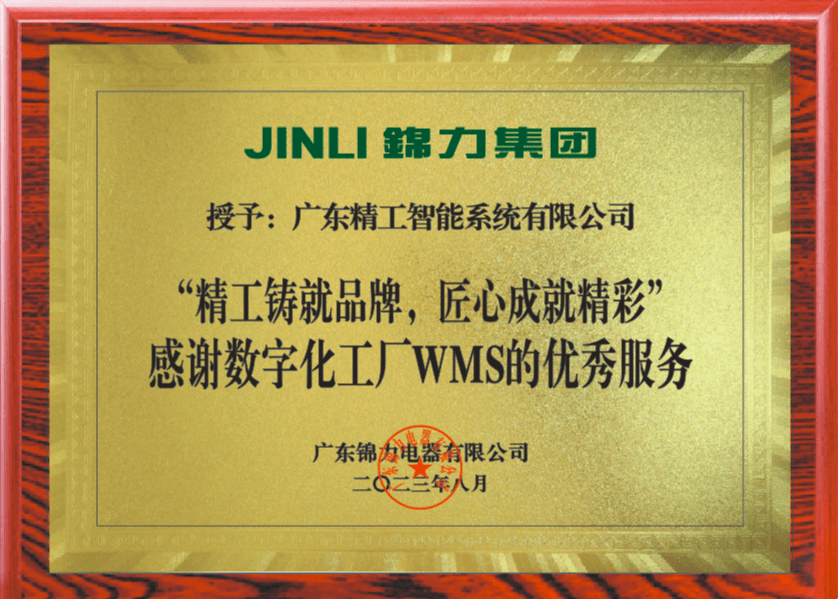
【锦力电器】赠送牌匾
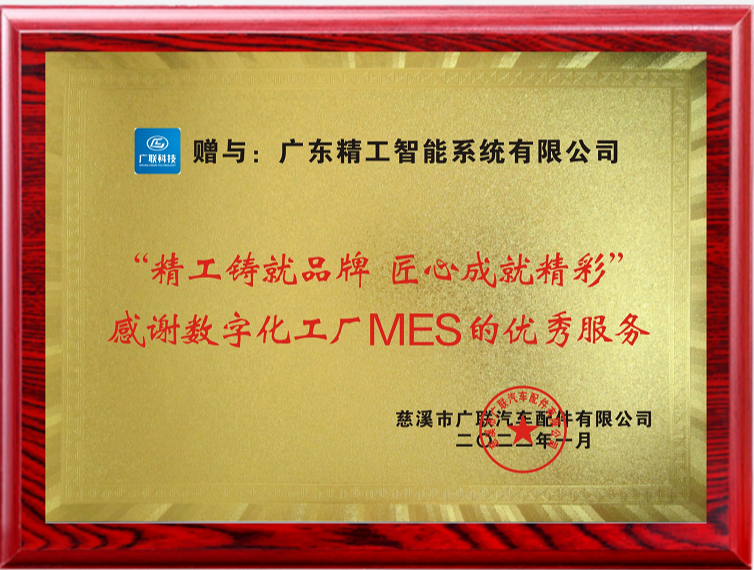
【广联汽配】赠送牌匾
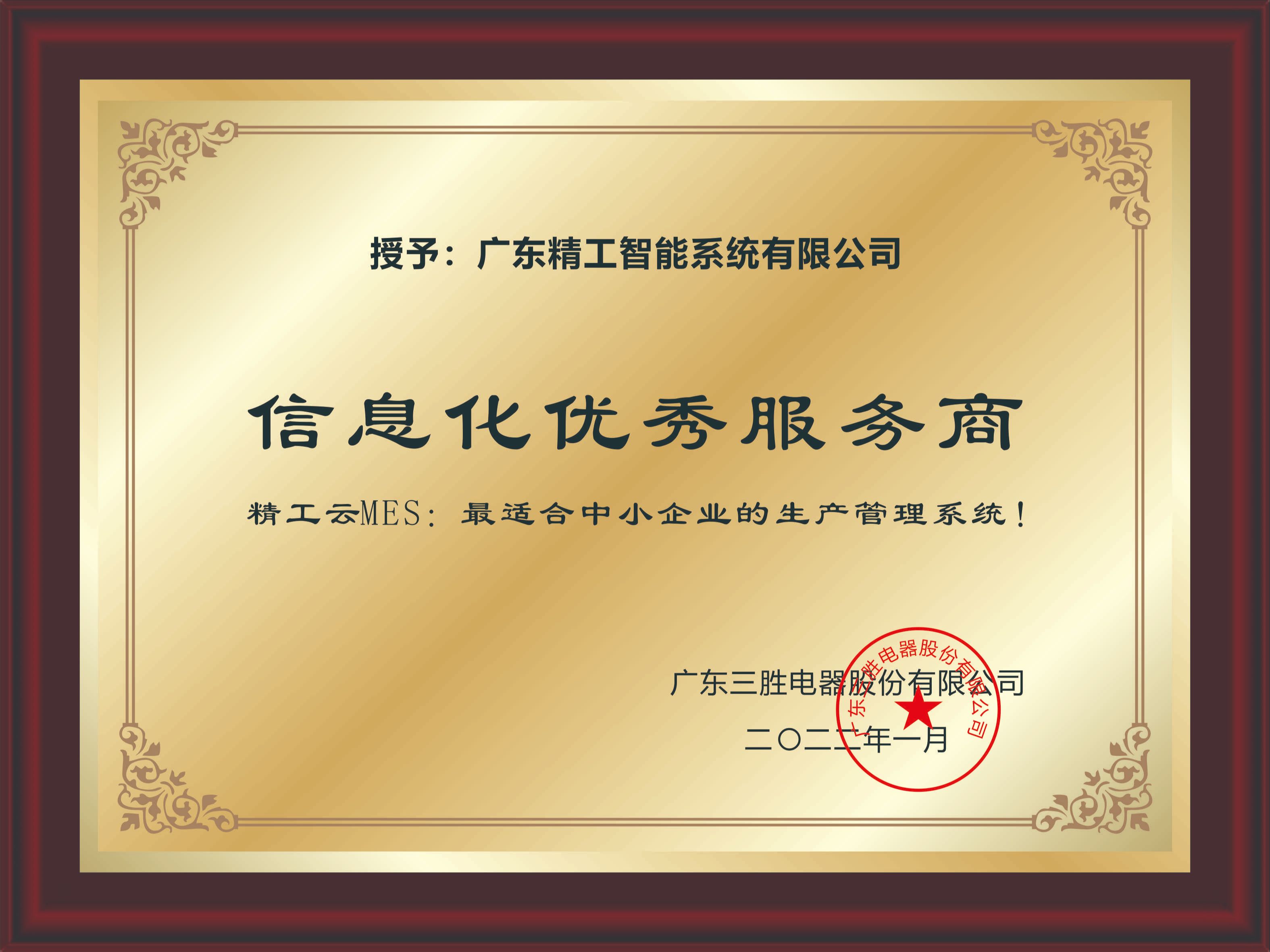
【三胜电器】赠送牌匾
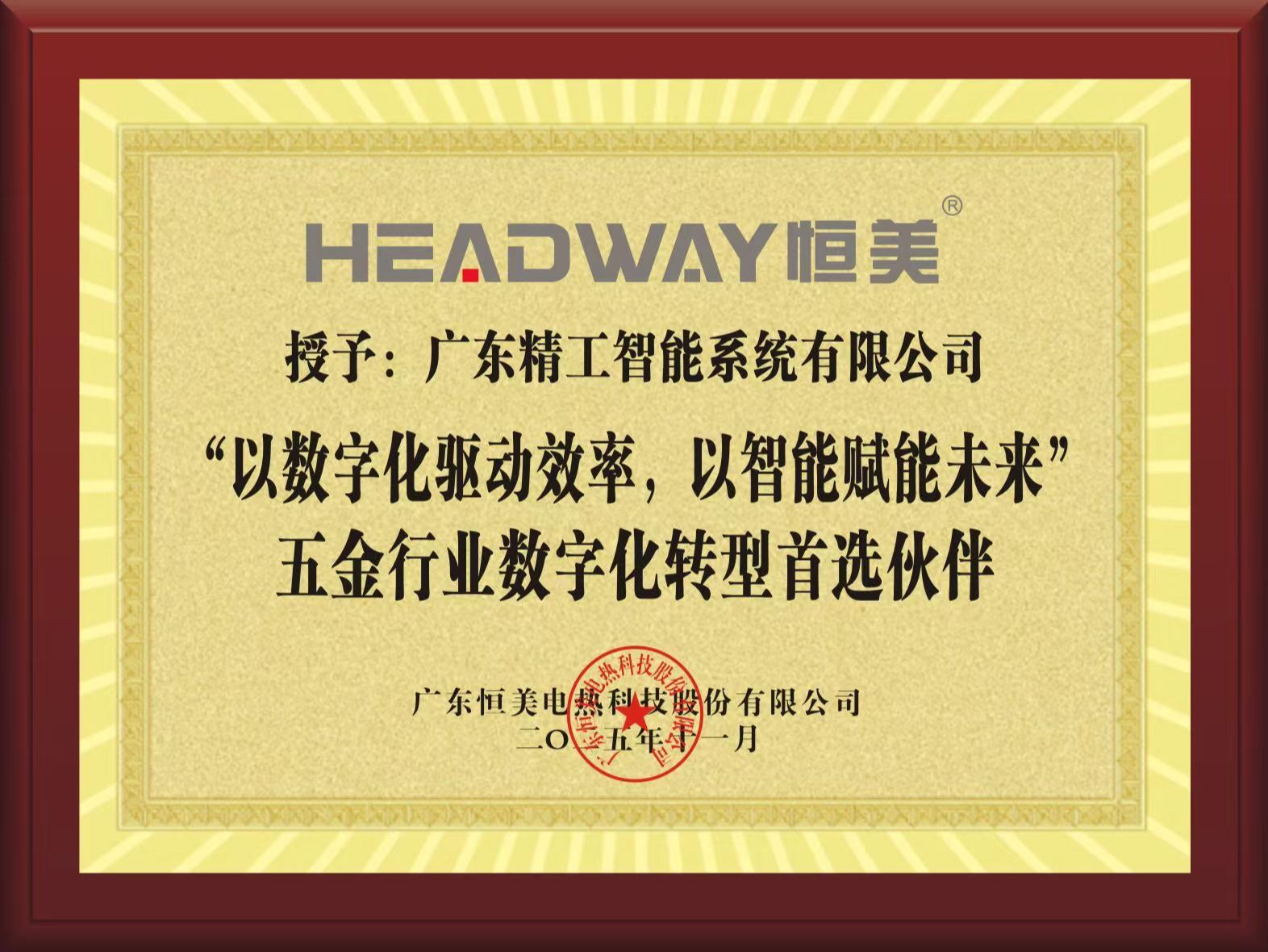
【恒美】赠送牌匾
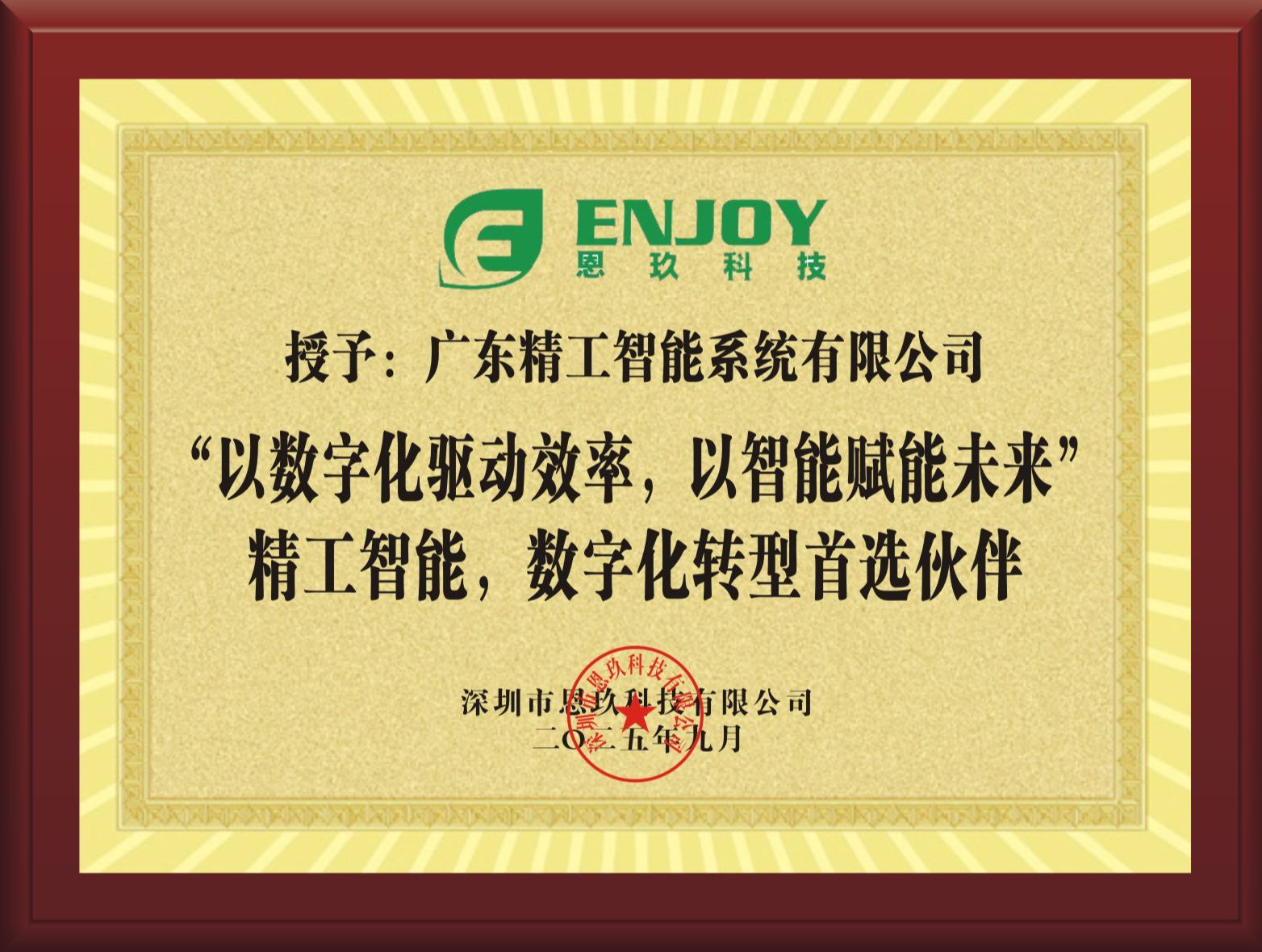
【恩玖科技】赠送牌匾
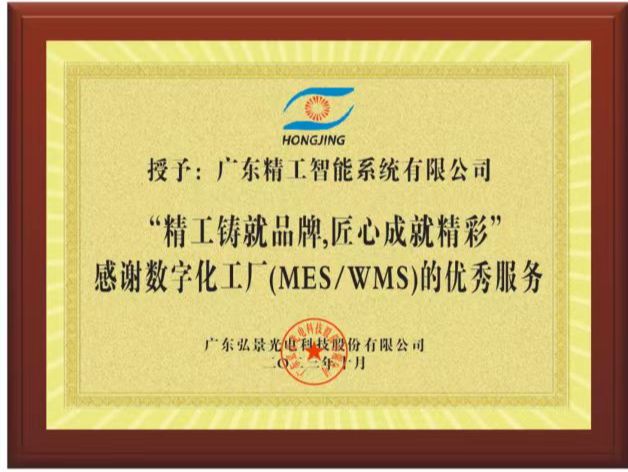
【弘景光电】赠送牌匾
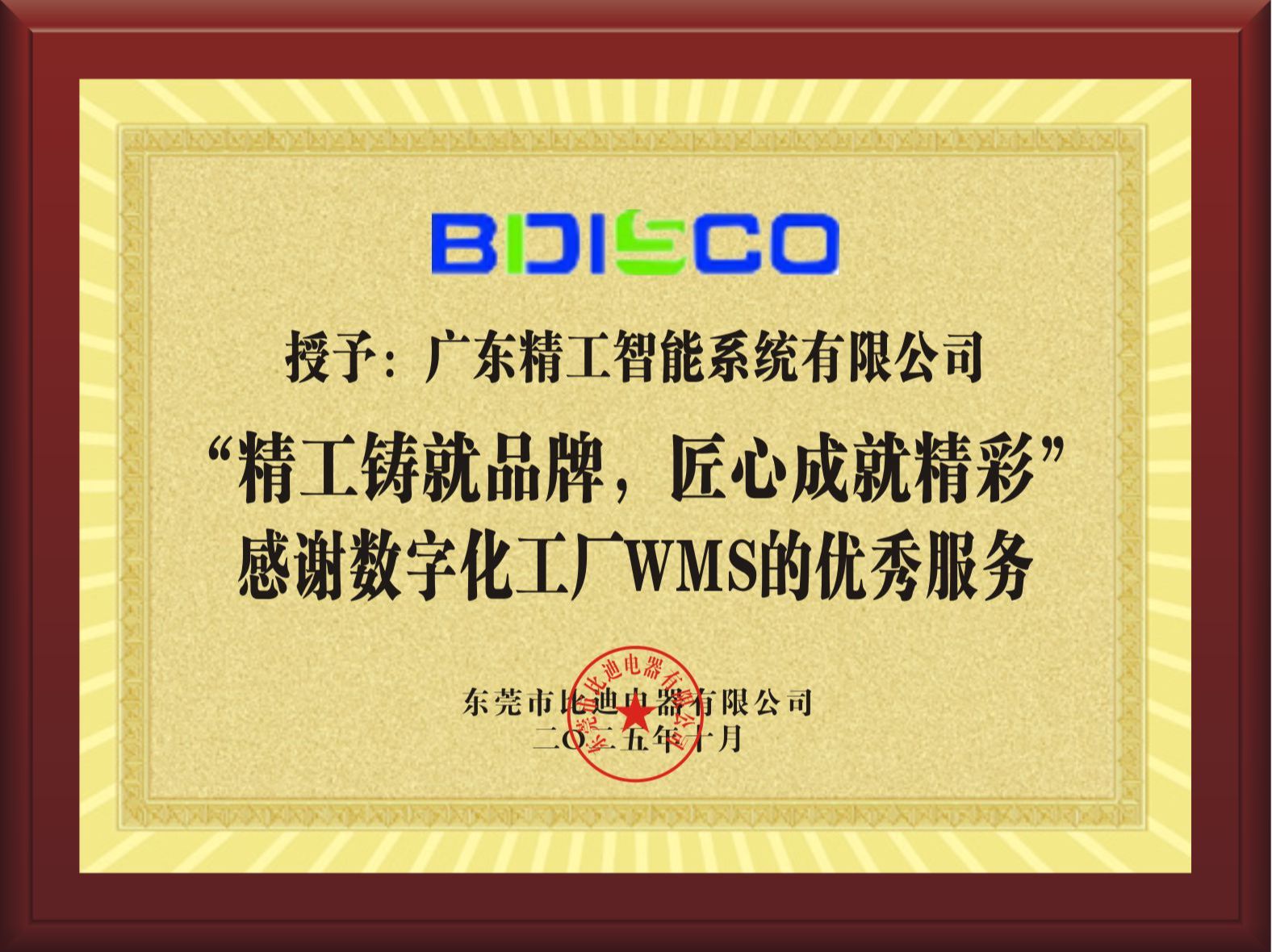
【比迪电器】赠送牌匾
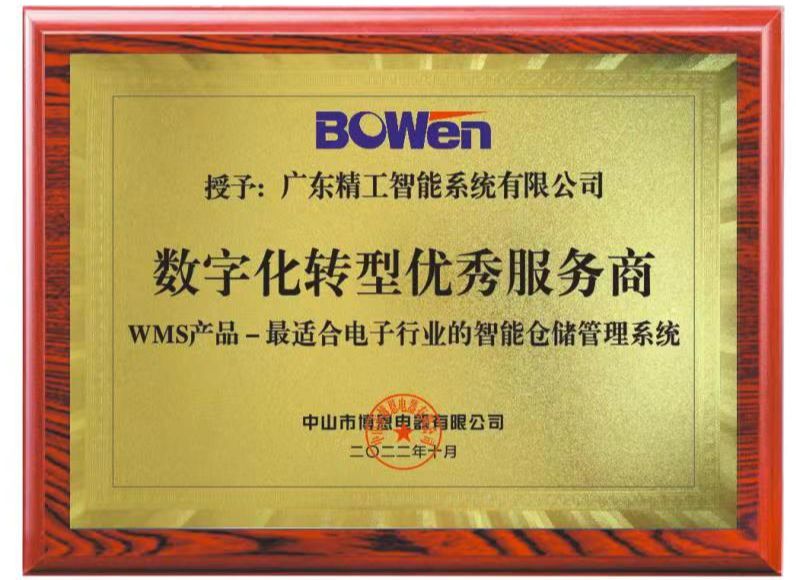
【博恩电器】赠送牌匾
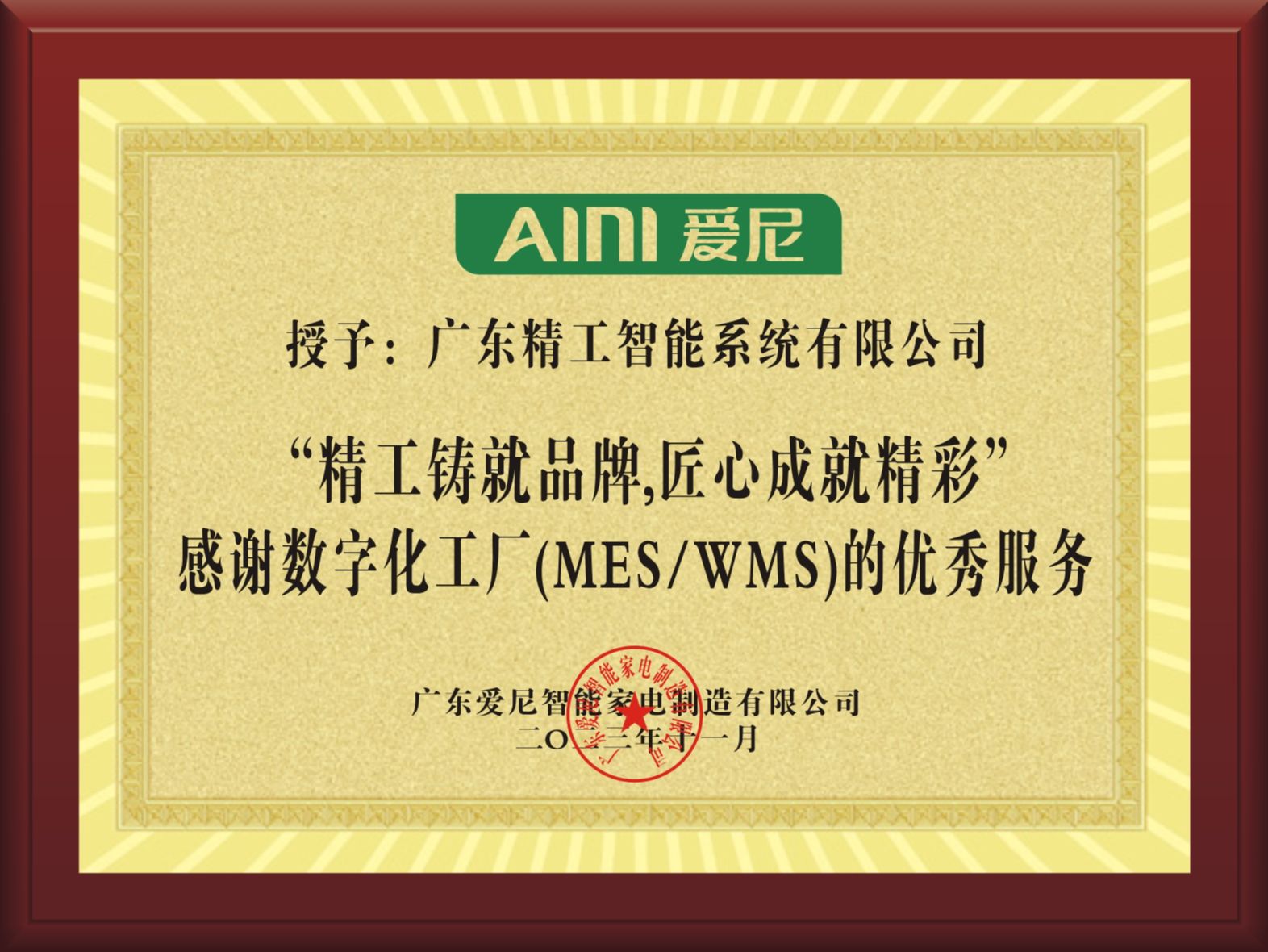
【爱尼智能】赠送牌匾
【创维集团】赠送牌匾

【小熊电器】赠送牌匾

【熠日照明】赠送牌匾

【伟邦科技】赠送牌匾

【许继集团】赠送牌匾

【优特电力】赠送牌匾

【星原电子】赠送牌匾

【易事特】赠送牌匾

【敬业集团】赠送牌匾

【诺必达】赠送牌匾

【瑞能智慧】赠送牌匾

【精体电子】赠送牌匾

【东陆科技】赠送牌匾

【盈瑞丰】赠送牌匾

【星河精密】赠送牌匾

【净诺环境】赠送牌匾

【维诺电器】赠送牌匾

【威诺高】赠送牌匾

【格泰水暖】赠送牌匾

【明庆电子】赠送牌匾

【锦力电器】赠送牌匾

【广联汽配】赠送牌匾

【三胜电器】赠送牌匾

【恒美】赠送牌匾

【恩玖科技】赠送牌匾

【弘景光电】赠送牌匾

【比迪电器】赠送牌匾

【博恩电器】赠送牌匾

【爱尼智能】赠送牌匾